
Hear from Our Customers
You’ve noticed the symptoms. Headaches that won’t quit. Allergies that seem worse at home than anywhere else. That musty smell you can’t track down.
Here’s what most people don’t realize: your home’s air quality can be worse than the air outside. And in Fox Chase, where 40% of homes have radon levels above EPA guidelines and Philadelphia County gets failing grades for particle pollution, that’s saying something.
A professional air quality test tells you what’s actually in your air. Not guesses. Not assumptions. Real data about mold spores, allergens, and pollutants that might be affecting your family’s health.
Once you know what you’re dealing with, you can fix it. No more wondering if that cough is just seasonal or if something in your walls is making it worse.
We serve homeowners throughout Fox Chase and the surrounding areas in Bucks, Montgomery, Delaware, and Chester Counties. We understand the specific challenges older homes face in this area.
Most Fox Chase homes were built between 1940 and 1969. That means decades of potential water damage, hidden mold growth, and air quality issues that newer construction doesn’t deal with. We’ve seen it all.
We use advanced testing equipment to analyze what’s in your air. Then we explain what we found in plain language, not technical jargon. You’ll know exactly what’s happening in your home and what needs to happen next.
First, we walk through your home with you. You point out problem areas—rooms that smell musty, spots where you’ve seen water damage, places where allergies seem worse. We’re looking for the obvious issues and the hidden ones.
Then we set up our testing equipment. We collect air samples from multiple areas of your home, especially in basements, attics, and bathrooms where mold loves to grow. We’re also checking behind walls and under carpets if needed, because mold doesn’t always announce itself.
The samples go to a lab for analysis. You get a detailed report showing exactly what’s in your air—mold spores, allergens, pollutants, everything we found. We review the results with you and explain what they mean for your home and your health.
If we find problems, we talk about solutions. Sometimes it’s a simple fix. Sometimes it requires remediation. Either way, you’ll know what you’re dealing with and what it’ll take to fix it.

Ready to get started?
Our indoor air quality test covers the things that actually affect your health. Mold spores are the big one—we’re testing for types that cause respiratory issues and allergic reactions. Pennsylvania has some of the worst mold problems in the country, and Fox Chase’s older homes are particularly vulnerable.
We also test for allergens and airborne particles that trigger asthma and allergy symptoms. Given that Philadelphia County failed its air quality grades for annual particle pollution, what’s coming in from outside matters. But what’s growing inside matters more.
Radon testing is critical here. Forty percent of Pennsylvania homes have radon levels above EPA action guidelines. You can’t see it, smell it, or taste it, but it’s the second leading cause of lung cancer. We test for it.
The testing process is non-invasive. We’re not tearing apart your home. We use professional-grade equipment that gives us accurate readings without making a mess. You get documentation you can use for insurance claims if needed, and a clear picture of what’s happening in your home’s air right now.
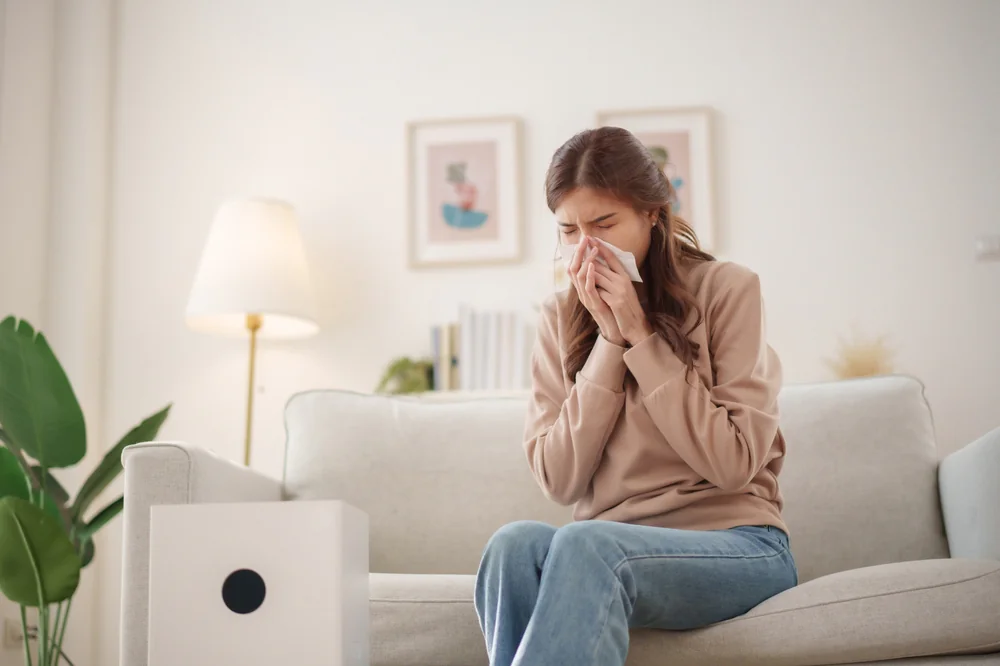
You need testing if you’re experiencing unexplained health symptoms at home. That includes allergy symptoms that get worse indoors, frequent headaches, respiratory irritation, or sore throats that don’t have an obvious cause.
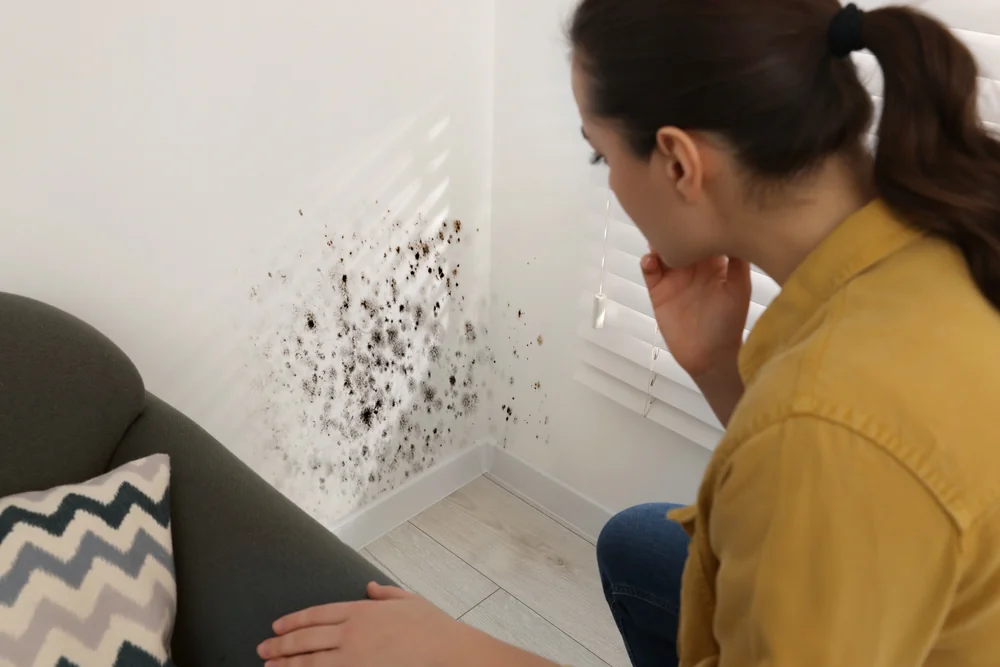
A musty smell is a red flag. If you smell it but can’t find the source, mold is growing somewhere you can’t see. Visible water damage, past flooding, or persistent humidity problems also mean you should test.
If you’re buying or selling a Fox Chase home, testing protects everyone involved. Older homes in this area have higher risk for air quality issues, and catching problems early prevents expensive surprises later. Many buyers won’t close without knowing what’s in the air, especially in homes built before 1970.
A mold air test specifically measures mold spore counts in your air. It identifies which types of mold are present and at what concentration. This is useful when you suspect mold but can’t see it, or when you want to verify that remediation actually worked.
Regular air quality testing is broader. It includes mold, but also tests for other allergens, airborne particles, and pollutants affecting your indoor air. In Fox Chase, that matters because outdoor air pollution is already poor, and indoor sources can make it worse.
We usually recommend comprehensive indoor air quality testing first. It gives you the full picture. If we find elevated mold levels, we can do more targeted mold testing to pinpoint the problem. You’re not paying for tests you don’t need, and you’re not missing issues that a narrow test would overlook.
The actual testing appointment takes about an hour, depending on your home’s size and how many areas we’re sampling. We’re collecting air samples, checking moisture levels, and inspecting areas where problems typically hide.
Lab analysis takes a few days. Most results come back within three to five business days. Rush testing is available if you’re dealing with a time-sensitive situation like a real estate closing or a health emergency.
Once we have results, we schedule a follow-up to review everything with you. We don’t just email a report and disappear. We walk through what we found, what it means, and what your options are. If remediation is needed, we explain the process and give you a clear timeline. If your air quality is fine, we tell you that too.
Home test kits exist, but they’re not as accurate as professional testing. They typically test a limited number of factors and don’t give you the detailed analysis you need to make informed decisions.
Professional equipment is more sensitive and comprehensive. We’re using the same technology that industrial hygienists use, not consumer-grade kits. The difference shows up in the results—we catch problems that home kits miss.
The bigger issue is interpretation. A home kit might tell you that mold is present, but it won’t tell you what type, whether the levels are dangerous, or where it’s coming from. We provide context. We’ve tested hundreds of Fox Chase homes and know what normal looks like versus what requires action. That experience matters when you’re deciding whether to spend thousands on remediation.
First, we explain exactly what we found and how serious it is. Not all mold requires full remediation. Sometimes improved ventilation and humidity control solve the problem. We’re not trying to sell you services you don’t need.
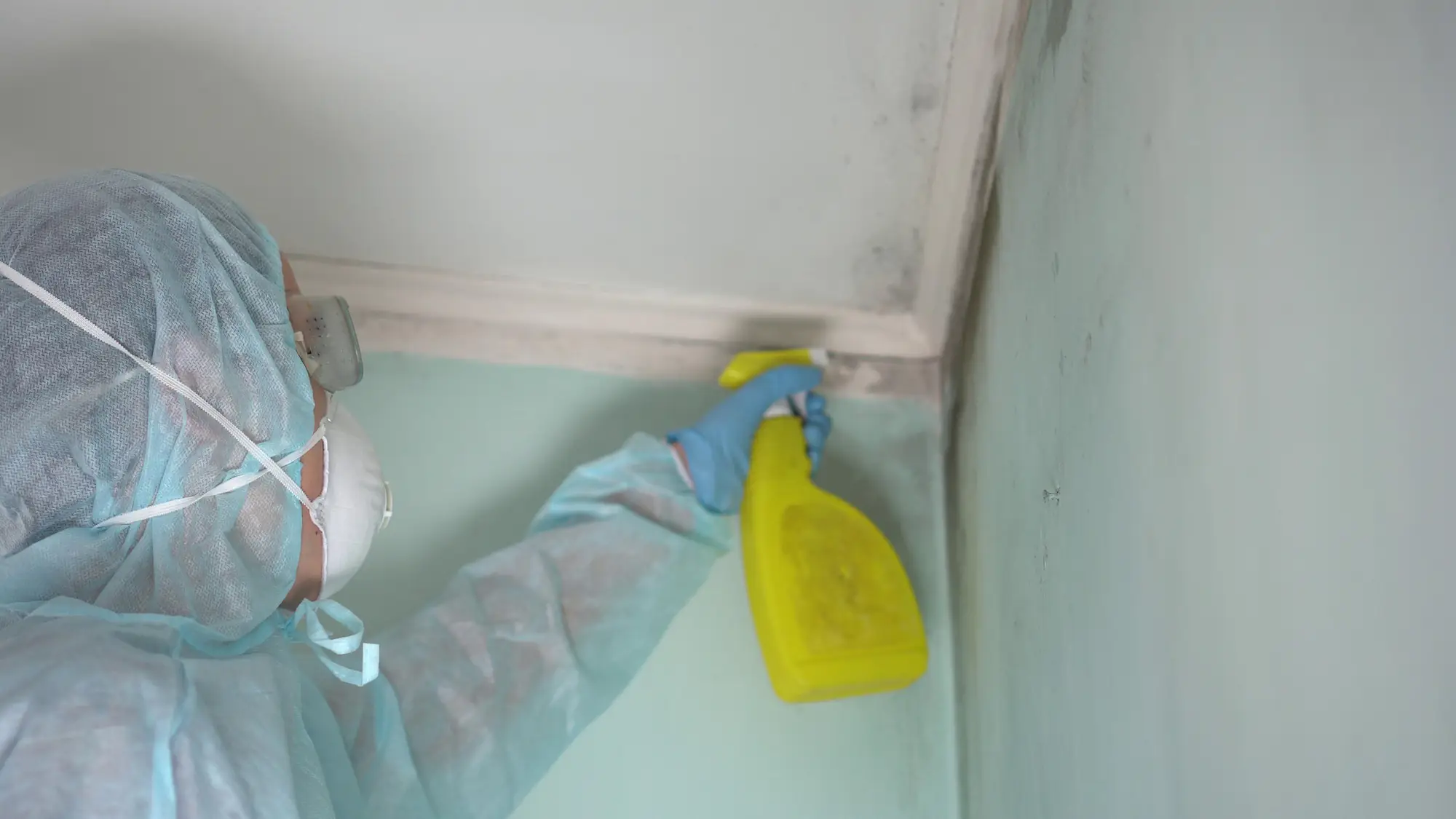
If remediation is necessary, we outline the process. That includes containing the affected area, removing contaminated materials, treating surfaces, and fixing the moisture source that caused the problem. We handle the entire process, from testing through final clearance testing to confirm the mold is gone.
For other air quality issues, solutions vary. Radon might require mitigation systems. Allergens might need better filtration or duct cleaning. We recommend solutions based on what we actually found, not a one-size-fits-all approach. You’ll get a clear estimate, a realistic timeline, and ongoing communication throughout the work. We also offer free inspections, so you can understand the scope before committing to anything.
Older homes weren’t built with air quality in mind. Most Fox Chase homes went up between 1940 and 1969, before modern ventilation standards existed. They’re often poorly ventilated, which traps moisture and pollutants inside.
Decades of wear create opportunities for water intrusion. Aging roofs leak. Old plumbing develops problems. Basements that stayed dry for years suddenly aren’t. Every water issue creates potential for mold growth, and in older homes, that growth often happens in hidden spaces like wall cavities and under flooring.
Building materials from that era also break down over time. Insulation settles. Wood deteriorates. These changes affect how air moves through your home and what gets released into that air. Add in Pennsylvania’s radon problem and Philadelphia’s poor outdoor air quality, and older Fox Chase homes face a perfect storm of air quality challenges. Testing tells you what’s actually happening in your specific home, not just what might be happening.
Other Services we provide in Fox Chase