
Hear from Our Customers
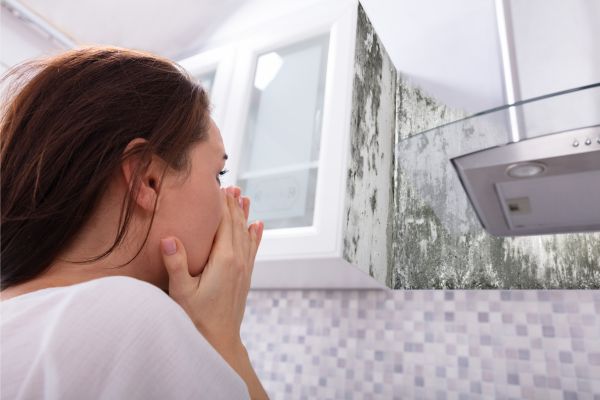
You’re not imagining it. That musty smell in your basement. The cough that gets worse when you’re home but clears up at work. The water stain that showed up after last month’s storm and never quite dried.
Mold doesn’t announce itself with a sign. It hides behind walls, under floors, in HVAC ducts, and inside the plaster cavities that make Fox Chase’s older rowhouses so charming—and so vulnerable. You can’t fix what you can’t see, and you can’t see mold spores floating in your air or growing inside your walls.
That’s where professional mold testing comes in. Not a $10 hardware store kit that tells you mold exists somewhere in your house (spoiler: it does). Real testing means air sampling, surface sampling, moisture mapping with infrared cameras, and lab analysis that tells you what type of mold you’re dealing with, how much of it there is, and whether it’s affecting your indoor air quality.
You’ll get documentation you can actually use—for insurance claims, real estate transactions, or just peace of mind. And you’ll know whether you need a dehumidifier or a full remediation plan.
We’ve been working in Fox Chase and throughout Northeast Philadelphia for over 25 years. We’re IICRC-certified, which means we follow the same standards used by restoration professionals nationwide—not some made-up process.
We know how Fox Chase homes are built. Brick foundations that sweat in summer. Shared walls between rowhomes that trap moisture. Flat roofs that pool water. Basements that flood every few years. These aren’t just construction details—they’re mold risk factors, and we see them every day.
You’re not getting a national franchise or a guy with a moisture meter he bought last week. You’re working with a local team that understands why your basement stays damp even with a sump pump, and what that means for your air quality.
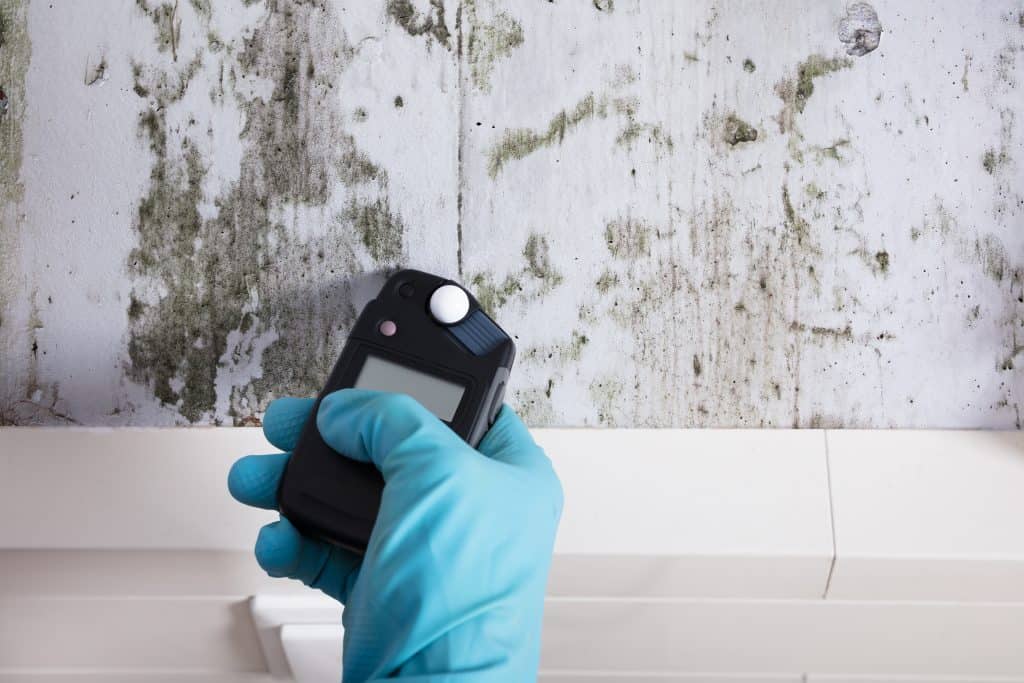
First, we walk through your property and talk. You show us the problem areas—or the places you’re worried about. We’re looking for visible mold, water stains, discoloration, and any signs of moisture intrusion. We use moisture meters to check walls, floors, and ceilings. We use infrared cameras to find temperature differences that indicate hidden water or poor insulation.
Then we collect samples. Air samples capture what’s floating around in your home—mold spores you’re breathing but can’t see. We also take a control sample from outside, because mold exists everywhere naturally. The goal is to compare indoor levels to outdoor levels. Surface samples come from visible growth or suspicious areas. These get sent to a third-party certified lab under chain of custody.
Within a few days, you get a report. It identifies mold types, spore concentrations, and whether your indoor air quality is worse than outdoor air. We walk you through what it means in plain language. Sometimes the fix is simple—better ventilation, a dehumidifier, fixing a gutter. Sometimes it’s more involved. Either way, you’ll know exactly what you’re dealing with and what your options are.
Ready to get started?
Every mold inspection we do starts with a visual assessment and moisture survey. We check basements, crawl spaces, attics, bathrooms, kitchens—anywhere water or humidity could be a problem. In Fox Chase, that often means brick basements with efflorescence, attics with poor ventilation, and bathrooms in older homes without exhaust fans.
We use thermal imaging to detect hidden moisture behind walls and ceilings. Mold grows where water sits, so finding moisture is half the battle. Then we collect air samples using spore traps and a calibrated pump. These samples go to an AIHA-certified microbiology lab for analysis by trained analysts—not a computer algorithm.
You’ll also get a written report with photos, findings, lab results, and recommendations. If you’re buying a home, this documentation protects your investment. If you’re dealing with a landlord or insurance company, it gives you evidence. And if you just want to know whether that smell is mold or old carpet, you’ll have your answer.
We also offer post-remediation testing. If you’ve already had mold removed, we verify the work was done right and your air quality is back to normal. That’s the only way to know the job’s actually finished.
Most professional mold inspections in the Philadelphia area run between $300 and $1,000, with the average around $600. The price depends on the size of your home, how many samples we’re collecting, and whether we’re testing air quality, surface growth, or both.
A basic inspection with air sampling for a typical Fox Chase rowhome usually falls in the $400–$700 range. Larger homes, multiple sampling locations, or specialized testing like ERMI (which tests dust for a wider range of mold DNA) will cost more.
Here’s what you’re paying for: a certified inspector’s time, lab fees for third-party analysis, calibrated equipment like moisture meters and thermal cameras, and a detailed report you can actually use. DIY test kits might cost $10–$50, but they don’t tell you mold type, concentration, or whether your indoor air is worse than outdoor air. They just tell you mold exists—which it does, everywhere.
A mold inspection is the visual walkthrough. We look for visible mold, water damage, moisture problems, and conditions that support mold growth. We use moisture meters and infrared cameras to find hidden issues. This tells us where mold is likely growing and whether there’s an active moisture problem.
Mold testing is the sampling part. We collect air samples, surface samples, or both, and send them to a lab for analysis. Testing tells us what types of mold are present, how much, and whether your indoor air quality is worse than it should be.
Most people need both. The inspection finds the problem areas. The testing confirms what’s growing and how bad it is. If you’re buying a home or dealing with health symptoms, testing gives you documentation. If you just see a small patch of mold on a bathroom tile, you probably don’t need testing—you just need to clean it and fix the leak.
Yes, and it’s one of the most common problems we see in Fox Chase. Mold doesn’t need light to grow—just moisture, oxygen, and something organic to feed on (like drywall, wood, or old plaster). If you’ve had a roof leak, plumbing issue, or foundation seepage, water can get inside wall cavities and sit there for weeks.
Philadelphia’s older rowhomes are especially vulnerable. Many have plaster walls with air gaps, shared walls between units that trap condensation, and brick exteriors that wick moisture during humid summers. You might not see anything on the surface, but mold could be growing on the back side of the drywall or inside the wall cavity.
That’s why we use thermal imaging and moisture meters. We can detect temperature differences and elevated moisture levels that indicate a problem even when the wall looks fine. If we find something suspicious, we’ll recommend testing or a small exploratory opening to see what’s actually happening inside.
Lab results typically come back within 24 to 48 hours after we collect samples. We send samples to a third-party certified microbiology lab via overnight shipping with a chain of custody log. A trained analyst examines the samples under a microscope, identifies mold types, and counts spore concentrations.
Once we receive the lab report, we put together your full inspection report with photos, findings, lab data, and recommendations. You’ll usually have everything within three to five business days from the day we visited your home.
If you need faster results—say you’re in the middle of a real estate transaction with a tight closing deadline—we can request expedited lab processing for an additional fee. Some labs can turn around results in 24 hours if needed. Just let us know your timeline upfront and we’ll do our best to accommodate it.
If you’re buying an older home in Fox Chase—especially a rowhome built before 1980—mold testing is worth considering, particularly if you notice musty odors, see water stains, or the home inspector flags moisture issues. Many of these homes have had decades of minor leaks, poor ventilation, and deferred maintenance.
A standard home inspection doesn’t include mold testing. The inspector might note visible mold or moisture problems, but they won’t tell you what’s in the air or hidden behind walls. If the basement smells musty, the attic has staining, or there’s a history of water intrusion, testing gives you leverage to negotiate repairs or a lower price.
It also protects you after closing. If you move in and discover a mold problem that was hidden during the sale, remediation can cost thousands of dollars. Testing beforehand tells you what you’re getting into. And if the seller recently painted over water stains or “fixed” a mold problem without proper remediation, testing will catch it.
The most common molds we find in Fox Chase are Cladosporium, Penicillium, Aspergillus, and Stachybotrys (black mold). Cladosporium and Penicillium are everywhere—they grow on damp surfaces, in HVAC systems, and around windows. They’re not usually toxic, but they can trigger allergies and respiratory issues.
Aspergillus is more concerning. Some species produce mycotoxins and can cause infections in people with weakened immune systems. It grows in water-damaged materials and poorly ventilated areas. Stachybotrys—the infamous black mold—grows on materials with high cellulose content like drywall and wood, but only when they stay wet for extended periods. It’s less common than people think, but it does show up in homes with serious water damage or chronic leaks.
The type of mold matters because it affects your health risk and remediation approach. That’s why lab testing is important. A visual inspection might show black-colored mold, but that doesn’t mean it’s Stachybotrys. Only lab analysis can tell you for sure what you’re dealing with and whether it’s a health concern.
Other Services we provide in Fox Chase