
Hear from Our Customers

You notice the symptoms when you’re home. Headaches that disappear at work. Kids with constant runny noses. Allergies that won’t quit no matter what you try. Then you leave for the weekend and everyone feels better.
That’s not random. That’s your indoor air quality telling you something’s wrong.
A home air quality test gives you actual data about what’s in the air your family breathes every day. We’re talking mold spores, allergens, VOCs, and particulate matter that you can’t see but your body definitely feels. Our testing uses lab-grade equipment to measure what’s really there—not just what’s visible on your bathroom ceiling.
Here’s what changes after testing. You stop wondering if it’s all in your head. You get documentation that shows exactly which rooms have problems and how severe they are. You know whether you’re dealing with a minor issue or something that needs immediate attention. And if you’re selling your home or filing an insurance claim, you have professional evidence that actually means something.
We’ve been handling residential air quality testing across Bucks County for years. We know what Davisville homes deal with—the humid summers, the older construction in parts of town, the basement moisture issues that come with Pennsylvania weather.
We’re not a national franchise reading from a script. We’re local, we carry professional-grade thermal imaging and moisture detection equipment, and we work with certified labs that specialize in mold analysis. Our inspectors have seen enough Bucks County homes to spot problems before most homeowners know where to look.
When you call us, you’re getting someone who understands that you don’t want a sales pitch. You want to know if there’s a problem, how bad it is, and what it’s going to take to fix it.

We start with a complete visual assessment of your home. That means checking the obvious spots—bathrooms, basements, crawl spaces—but also using thermal imaging to find temperature differences that indicate hidden moisture behind walls or under floors.
Next comes moisture detection. We use digital moisture meters to measure levels throughout your home because mold doesn’t grow without water. Finding elevated moisture tells us where problems are developing even if you can’t see them yet.
Then we collect air samples. We typically take two samples during a basic inspection—one from the area of concern and one from outside to establish a baseline. These samples get sent to a nationally recognized lab that specializes in mold analysis. They’ll identify specific mold species and concentration levels.
You get results back in 3-5 business days. The report breaks down what we found, what it means for your health, and whether you need remediation. We walk you through everything in plain language—no jargon, no upselling, just clear information about what you’re dealing with and what your options are.
Most inspections take 2-3 hours depending on your home’s size. We check attics, HVAC systems, anywhere moisture or mold typically hide. You’ll know more about your indoor air quality after one afternoon than most homeowners learn in years of living with symptoms.

Ready to get started?
Our basic inspection starts at $350 and includes a complete visual assessment, moisture level readings throughout your home, and two air samples with full laboratory analysis. You’re not paying for a guy with a clipboard—you’re getting thermal imaging, infrared cameras, and digital moisture meters that detect problems in places you can’t easily access.
The air sampling is where most DIY approaches fall apart. Store-bought test kits can’t find hidden mold behind drywall or under flooring. They also can’t tell you if the mold levels in your home are actually dangerous or just normal background levels. Our testing compares your indoor air to outdoor baseline levels so you know if what you’re dealing with is actually a problem.
Bucks County’s climate makes this especially important. With humid summers and older homes throughout Davisville, nearly half of all properties show visible mold or detectable odor at some point. Professional air quality testing catches issues early when they’re cheaper to fix. Undetected mold can drop your home value by 20-37% and cost anywhere from $3,000 to $20,000 in remediation if it spreads.
We also work directly with insurance companies if you’re filing a claim. Adjusters need professional documentation showing that mold was caused by a covered event—water damage, burst pipes, storm flooding. Our reports include everything they require to process your claim without the back-and-forth.
You need testing if you’re experiencing health symptoms that improve when you leave your home—allergies, respiratory issues, headaches, fatigue. That pattern is the clearest sign that something in your indoor air is affecting you.
You also need testing if you’ve had any water damage, even if it was cleaned up quickly. Mold can start growing within 24-48 hours of water exposure, and it often develops in hidden areas like wall cavities or under flooring where you won’t see it until it’s widespread.
If you’re buying or selling a home in Davisville, testing protects everyone involved. About half of potential buyers walk away once they learn a property has had mold problems, and undisclosed mold can tank your home’s value by up to 37%. Testing before listing gives you documentation that the property is clean, or it identifies problems you can address before they kill a sale.
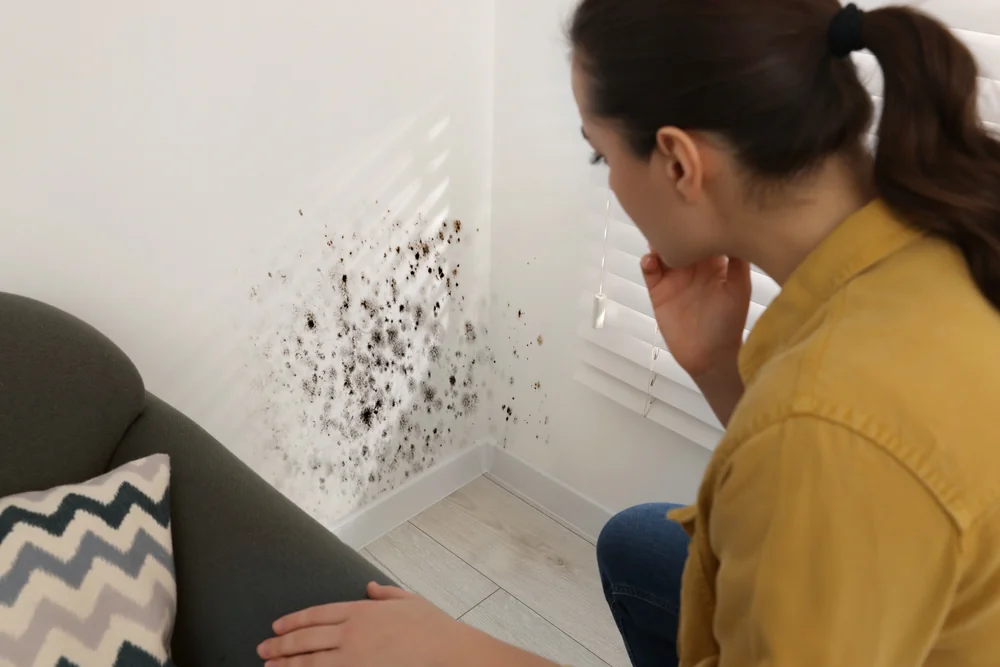
Finally, if you smell musty odors or see any visible mold growth, don’t assume it’s just surface-level. What you’re seeing is usually a fraction of what’s actually there. Air testing shows you the full scope so you’re not guessing about whether it’s a minor cleanup or a major remediation project.
A visual inspection only catches what’s visible—mold on walls, ceilings, around windows. That’s useful, but it misses the bigger issue. Most mold grows in places you can’t see: behind drywall, under carpets, in HVAC ducts, inside wall cavities.
Air testing captures mold spores floating through your home from those hidden colonies. Even if you can’t see mold anywhere, elevated spore counts in your air sample tell us there’s growth somewhere. The lab analysis identifies specific mold species and concentration levels, which determines whether you’re dealing with common household mold or something more dangerous like black mold.
We combine both approaches during an inspection. The visual assessment with thermal imaging finds moisture problems and visible growth. The air samples catch what’s hidden. Moisture meters tell us where conditions are right for mold to develop even if it hasn’t started growing yet.
That combination gives you the complete picture. You know what’s there now, what’s developing, and whether your indoor air quality is actually dangerous or just needs minor attention. Visual inspection alone leaves too much to chance, especially in Bucks County homes where humidity and older construction create perfect conditions for hidden mold growth.
The on-site inspection takes 2-3 hours for most homes in Davisville. We’re checking your entire property—attics, basements, crawl spaces, HVAC systems, bathrooms, anywhere moisture or mold typically develop. Larger homes or properties with multiple problem areas take longer, but we’re thorough regardless of size.
We collect air samples during the inspection and send them to a certified laboratory that specializes in mold analysis. Lab results come back in 3-5 business days. You’ll get a detailed report that breaks down exactly what species of mold were found, the concentration levels, and whether those levels pose health risks.
Once we have results, we walk you through everything. We explain what the numbers mean, which areas of your home have problems, and what your next steps should be. If you need remediation, we give you a clear scope of work and upfront pricing. If levels are normal, we tell you that too—no upselling, no manufactured problems.
The timeline from inspection to final report is usually one week. If you’re dealing with a real estate transaction or insurance claim with tight deadlines, let us know upfront. We can often expedite lab processing to get you answers faster when timing matters.
DIY kits seem convenient, but they have serious limitations. Most just tell you that mold is present—which is true in basically every home. They don’t tell you what species, what concentration levels, or whether it’s actually dangerous. You’re left guessing about whether you have a real problem or normal background mold.
DIY kits also can’t find hidden mold. They test whatever surface you swab or whatever air is immediately around the test plate. They’re not checking behind walls, under flooring, or in your HVAC system where most serious mold problems develop. Without thermal imaging and moisture meters, you’re missing the areas that actually matter.
The bigger issue is interpretation. Let’s say your DIY kit comes back positive. Now what? You don’t know if you’re dealing with common household mold or toxic black mold. You don’t know if it’s a minor surface issue or a major infestation. You don’t have documentation that insurance companies or real estate attorneys will accept.
Professional testing costs more upfront, but it gives you actionable information. You get lab analysis from certified specialists, documentation that holds up for insurance claims and property sales, and a clear understanding of what you’re dealing with. For $350, you’re buying certainty instead of more questions. That’s worth it when you’re talking about your family’s health and your home’s value.
Yes. Lab analysis identifies specific mold species, including Stachybotrys chartarum—what most people call black mold. The report breaks down every type of mold found in your air samples and the concentration levels of each species.
Black mold gets a lot of attention because it can produce mycotoxins that cause serious health problems, especially in children, elderly people, and anyone with compromised immune systems. But here’s what matters more than the species: concentration levels and exposure duration. Even common molds can trigger allergic reactions and respiratory issues if levels are high enough.
The lab report shows you both pieces of information. You’ll see which mold species are present and whether the concentrations are elevated compared to outdoor baseline levels. That tells you if you’re dealing with a health risk or just normal environmental mold that’s not actually causing problems.
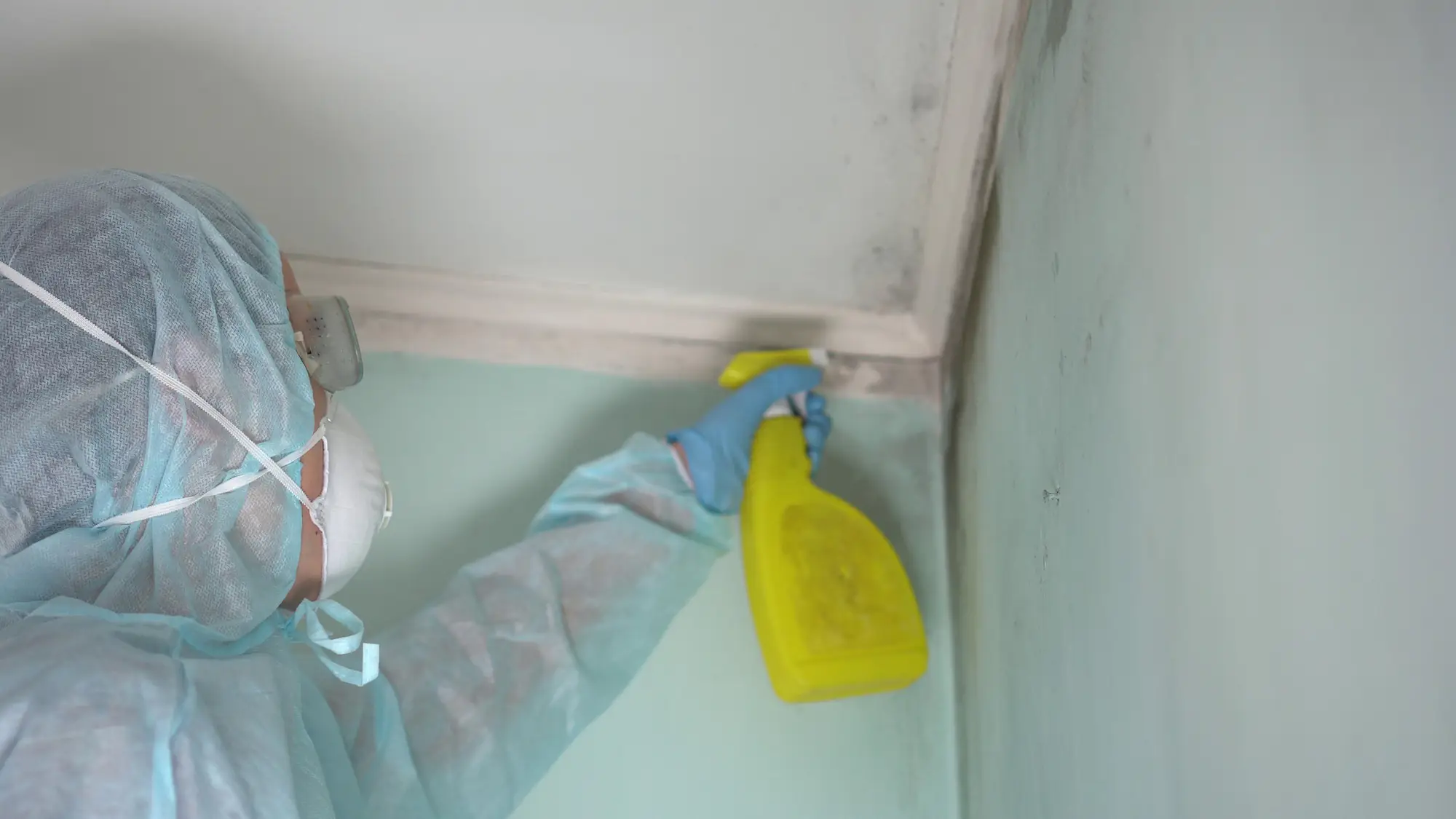
If we do find black mold or elevated levels of any mold species, we give you a clear remediation plan. That includes containment to prevent spores from spreading, removal of contaminated materials, treatment of affected areas, and verification testing afterward to confirm the problem is actually gone. You’re not left wondering if the cleanup worked—you get proof through follow-up air testing that your indoor air quality is back to safe levels.
It depends on what caused the mold. Most homeowners insurance policies cover mold remediation if it resulted from a covered peril—like a burst pipe, storm damage, or sudden water heater failure. They typically don’t cover mold from long-term maintenance issues like a slow roof leak you ignored or chronic basement moisture.
The key is documentation. Insurance adjusters need proof that mold was caused by a specific covered event and that you took reasonable steps to address it quickly. That’s where professional air quality testing becomes critical. Our reports provide the documentation adjusters require: lab analysis showing what mold species are present, concentration levels, and a clear timeline connecting the mold growth to the water damage event.
We work directly with insurance companies regularly. We know what they need to process claims, and we can communicate with adjusters on your behalf to move things along. Many homeowners don’t realize that insurance companies often require professional testing before they’ll approve remediation—DIY test results don’t meet their standards.
Even if insurance doesn’t cover the full cost, testing protects you from bigger expenses down the road. Catching mold early when it’s localized saves thousands compared to letting it spread throughout your home. And if you’re selling your property, undisclosed mold problems can kill deals or lead to lawsuits. Spending $350 on testing now prevents $20,000 remediation bills or legal problems later.
Other Services we provide in Davisville