

Hear from Our Customers
Your basement stops smelling like a wet towel. Your kids aren’t coughing at night. You can breathe without that tight feeling in your chest.
That’s what happens when mold removal is done right – not just scrubbed off the surface, but traced back to the source and eliminated completely. In Bucks County, where humid summers and damp basements create perfect conditions for mold growth, half-measures don’t work. The mold comes back in weeks, sometimes days.
We remove the mold you can see and the mold you can’t. We identify what’s feeding it – whether that’s a hidden leak, poor ventilation, or moisture trapped in your walls. Then we fix it so you’re not dealing with this again in six months.
You get your air quality back. Your home feels clean again. And if you’re planning to sell, you protect your property value instead of watching buyers walk away after the inspection.
We’ve been serving Davisville and the surrounding Bucks County area for years, and we’ve seen what happens when mold isn’t handled correctly the first time. Homeowners waste money on temporary fixes. The problem spreads. Health symptoms get worse.
We’re certified mold remediation specialists who follow EPA-approved methods and IICRC standards – not because we have to, but because cutting corners in this work doesn’t help anyone. Our team knows how older Bucks County homes are built, where mold hides, and what it takes to actually stop it from coming back.
You’re not getting a crew that shows up, sprays some bleach, and leaves. You’re getting professionals who inspect thoroughly, test accurately, and communicate clearly about what needs to happen and why.

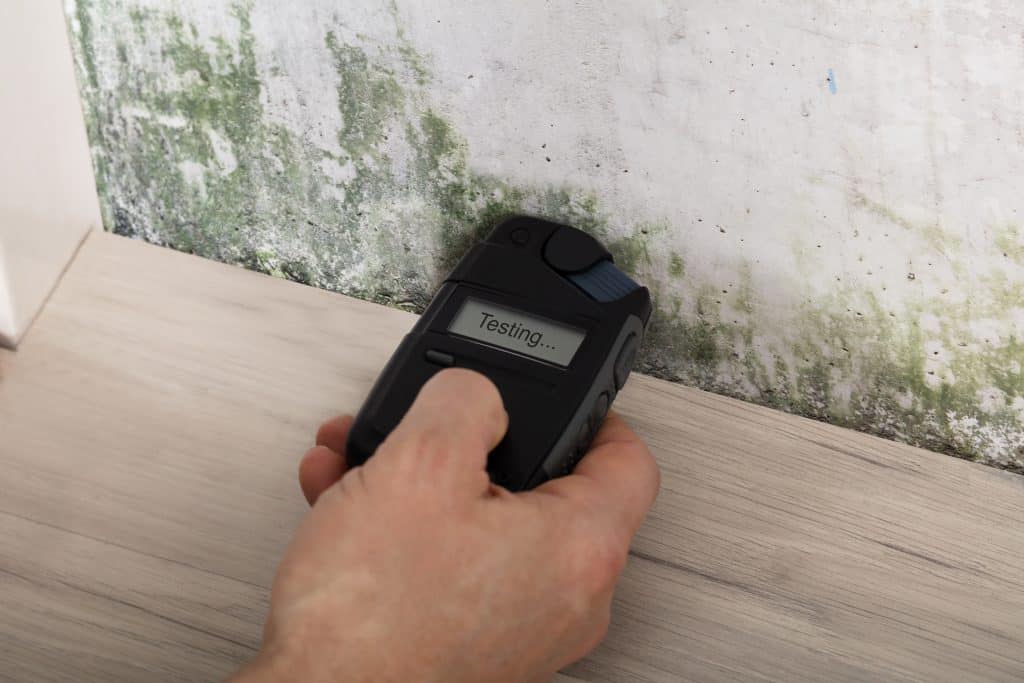
First, we inspect your entire property – not just where you see mold, but where it’s likely hiding. That means checking wall cavities, crawl spaces, behind cabinets, and anywhere moisture could be trapped. We test to identify what type of mold you’re dealing with and how far it’s spread.
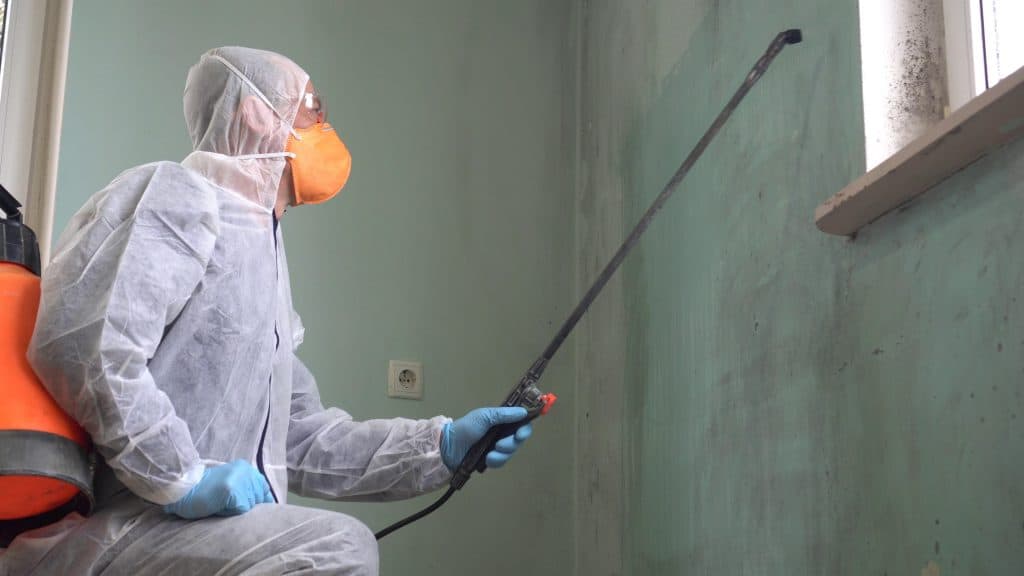
Once we know what we’re working with, we contain the area to prevent spores from spreading during removal. We use HEPA filtration and negative air pressure to keep the rest of your home clean while we work.
Then we remove all contaminated materials safely and treat affected surfaces with EPA-approved antimicrobial solutions. But here’s the part that matters most: we find and fix the moisture source. If there’s a leak, we address it. If humidity is the issue, we recommend dehumidification or ventilation improvements.
After removal, we test again to confirm the mold is gone and your air quality is back to safe levels. If restoration work is needed – like replacing drywall or repainting – we handle that too. You get a complete solution, not just a patch job.
Ready to get started?
Every mold removal job we do in Davisville includes a free inspection and detailed assessment. You’ll know exactly what type of mold you have, where it’s growing, and what caused it before any work begins. No surprises, no upselling.
We provide containment and air filtration during the entire removal process to protect the rest of your home. All contaminated materials are removed and disposed of according to Pennsylvania regulations. We don’t just treat the surface – we remove what can’t be saved and treat what can.
You also get moisture source identification and repair recommendations. In Bucks County, that often means addressing basement humidity, fixing foundation cracks, or repairing roof leaks that have gone unnoticed. We work with your insurance company if your policy covers the damage, and we offer financing options if it doesn’t.
After the mold is gone, we provide documentation and air quality testing results. If you’re selling your home, that paperwork matters. If you’re staying, it gives you peace of mind that the job was done right.
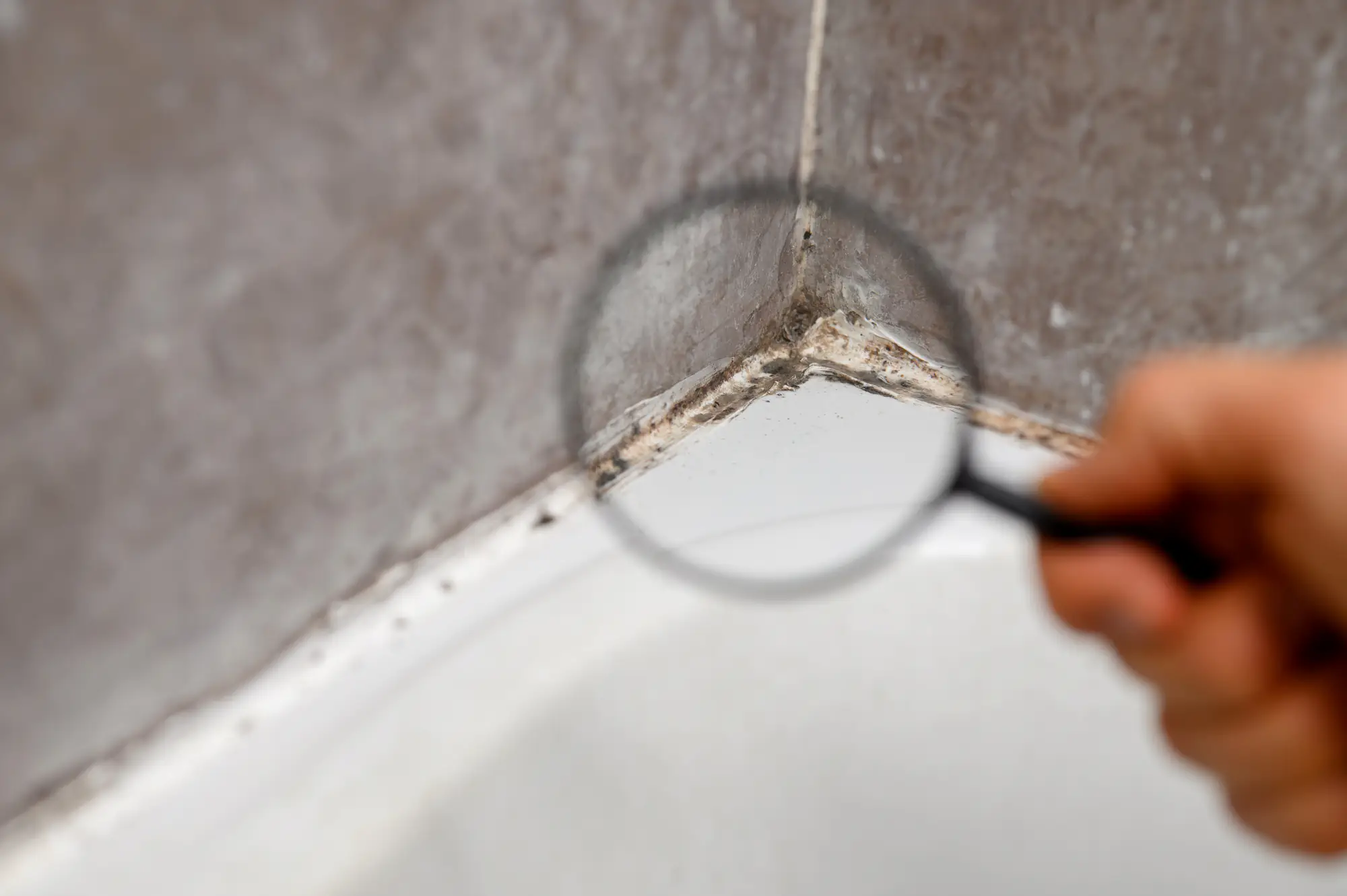
If you can see mold growing on walls, ceilings, or floors, you need professional removal. If you smell that musty, damp odor even when you can’t see mold, you probably have hidden growth that needs to be found and removed.
DIY methods and store-bought sprays don’t work for anything beyond tiny surface spots. Mold grows into porous materials like drywall and wood, and surface cleaning just removes what’s visible while leaving the roots intact. Within weeks, it grows back – often worse than before.
You also need professional help if anyone in your home is experiencing unexplained respiratory symptoms, allergies, or asthma flare-ups. Black mold and other toxic varieties can cause serious health issues, especially for children and people with existing sensitivities. A professional mold specialist can test your air quality, identify the type of mold, and remove it safely without spreading spores throughout your home.
Most residential mold removal jobs take between two to five days, depending on how much mold we find and where it’s growing. A small bathroom or closet might only take a day or two. A finished basement with mold behind walls and under flooring could take a week.
The timeline depends on containment setup, removal of contaminated materials, treatment of affected areas, and drying time. We can’t rush the process – if we don’t let treated areas dry completely, moisture stays trapped and mold grows back. That defeats the entire purpose.
We’ll give you an accurate timeline after the initial inspection. If we discover additional mold during the removal process – which happens sometimes when we open up walls – we’ll let you know immediately and explain how it affects the schedule. Most homeowners can stay in their homes during the work as long as the affected area is properly contained.
It depends on what caused the mold. If it resulted from a sudden, accidental event like a burst pipe or storm damage, most policies will cover remediation costs. If it developed slowly over time due to ongoing humidity or a slow leak you didn’t address, coverage is less likely.
Pennsylvania insurance policies vary significantly in how they handle mold claims. Some have specific mold coverage limits – often between $5,000 and $10,000. Others exclude mold entirely unless you’ve purchased additional coverage.
We work with insurance companies regularly and can help document the damage for your claim. We’ll provide photos, moisture readings, and detailed reports that show what caused the mold and what’s needed to fix it. Even if your insurance doesn’t cover the full cost, we offer financing options to make the work manageable. The key is addressing the problem now before it spreads and becomes even more expensive.
Mold removal means physically taking out contaminated materials and cleaning affected surfaces. Mold remediation means removing the mold and fixing whatever caused it to grow in the first place. Remediation is the complete solution – removal is just one part of it.
You can remove visible mold all day long, but if you don’t fix the leak or control the humidity, it grows back. That’s why we focus on remediation, not just removal. We trace the problem back to its source and address the underlying moisture issue.
In Bucks County homes, that often means improving basement ventilation, sealing foundation cracks, fixing roof leaks, or installing dehumidification systems. The mold is the symptom. Excess moisture is the disease. Professional mold remediation treats both so you’re not calling us back in six months to do the same job again.
Black mold – specifically Stachybotrys chartarum – can produce mycotoxins that cause respiratory problems, headaches, fatigue, and other health issues. It’s especially dangerous for children, elderly people, and anyone with asthma or compromised immune systems. But here’s what most people don’t realize: you can’t identify toxic mold just by looking at it.
Mold that appears black might not be Stachybotrys. Mold that looks green or white might still produce harmful toxins. The only way to know what you’re dealing with is through professional testing. We collect samples and send them to a certified lab for analysis.
Regardless of the type, any mold growing indoors is a problem. All mold releases spores that irritate your lungs and sinuses. All mold indicates a moisture problem that’s damaging your home’s structure. Whether it’s black mold or another variety, it needs to be removed properly – with containment, protective equipment, and HEPA filtration – to protect your health and your property.
No. Painting over mold doesn’t kill it or stop it from growing – it just hides it temporarily. Mold grows through paint within weeks, often causing the new paint to bubble, crack, or peel. You end up with the same mold problem plus wasted time and money on paint that didn’t stick.
Some people try using mold-resistant paint or sealants, thinking they can trap the mold behind a barrier. That doesn’t work either. Mold feeds on organic materials like drywall, wood, and paper. As long as those materials are present and moisture is available, the mold keeps growing – sealed or not.
The only effective solution is removing contaminated materials, treating affected surfaces with antimicrobial solutions, and eliminating the moisture source. If the drywall is moldy, it needs to be cut out and replaced. If wood framing is contaminated, it needs to be treated or removed. There’s no shortcut that actually works. Trying to cover up mold just lets the problem get worse while you’re not looking at it.
Other Services we provide in Davisville