
Hear from Our Customers
You shouldn’t have to guess why your family keeps getting headaches or why that cough won’t go away. A home air quality test identifies what’s in your air—mold spores, allergens, VOCs, or other contaminants you can’t see or smell.
Results come back within 72 hours. That’s fast enough to make decisions without sitting in limbo wondering if your home is safe.
Testing gives you documentation if you’re buying or selling property in Edgeboro, PA. It protects your investment and gives everyone involved peace of mind. If there’s a problem, you’ll know exactly what it is and what needs to happen next. If the air is clean, you can stop worrying.
We serve Edgeboro and the surrounding Bucks County area with residential air quality testing that follows EPA-approved methods. Our technicians use moisture meters, infrared cameras, and air sampling equipment to find problems even when they’re hidden behind walls or under floors.
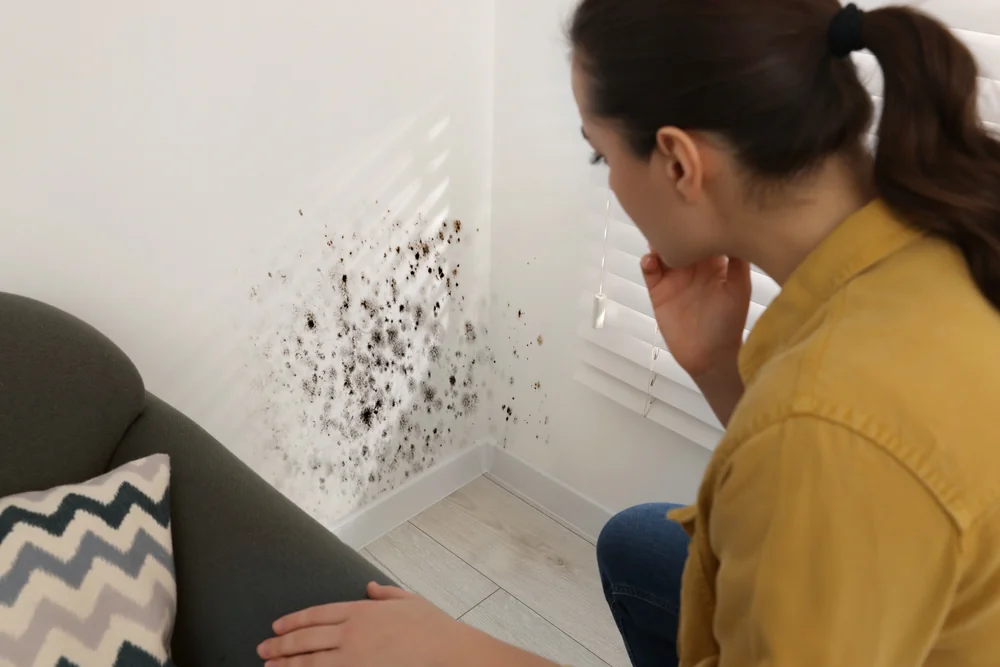
Homes in this area deal with humidity, older construction, and seasonal moisture issues that create perfect conditions for mold and poor ventilation. We know what to look for because we’ve seen it hundreds of times.
You’ll get a callback within 24 to 48 hours after reaching out. We’ll walk you through what testing involves, what it costs, and what happens after we collect samples.
First, we schedule a time that works for you. During the visit, a technician does a visual inspection of your home, looking for signs of water damage, mold growth, or ventilation problems. We use tools like moisture meters to check areas that might be holding water you can’t see.
Next, we collect air samples from different rooms. This involves running equipment that pulls air through a collection device. We also take surface samples if there’s visible growth or staining. The whole process usually takes an hour or two depending on the size of your home.
Samples go to a lab for analysis. Within 72 hours, you get a report that breaks down what was found—types of mold, spore counts, and whether levels are elevated compared to outdoor air. We review the results with you and explain what they mean in plain terms.
If remediation is needed, we’ll tell you what that involves and give you a clear plan. If the air is fine, you’ll have documentation proving it.
Ready to get started?
A mold air test in Edgeboro, PA starts at $300 and includes a visual inspection, moisture detection, and two air samples. If you need more samples or surface testing, that adjusts the price, but you’ll know the cost upfront before we start.
Homes in Bucks County often have basements that stay damp, crawl spaces with poor airflow, or older HVAC systems that don’t ventilate properly. These are common sources of indoor air quality problems. Testing helps pinpoint whether the issue is localized to one area or spread throughout the house.
You’ll also get recommendations on how to improve air quality—whether that means fixing a leak, adjusting humidity levels, installing a dehumidifier, or scheduling mold remediation. The goal is to give you a clear path forward, not leave you with a report and no idea what to do next.
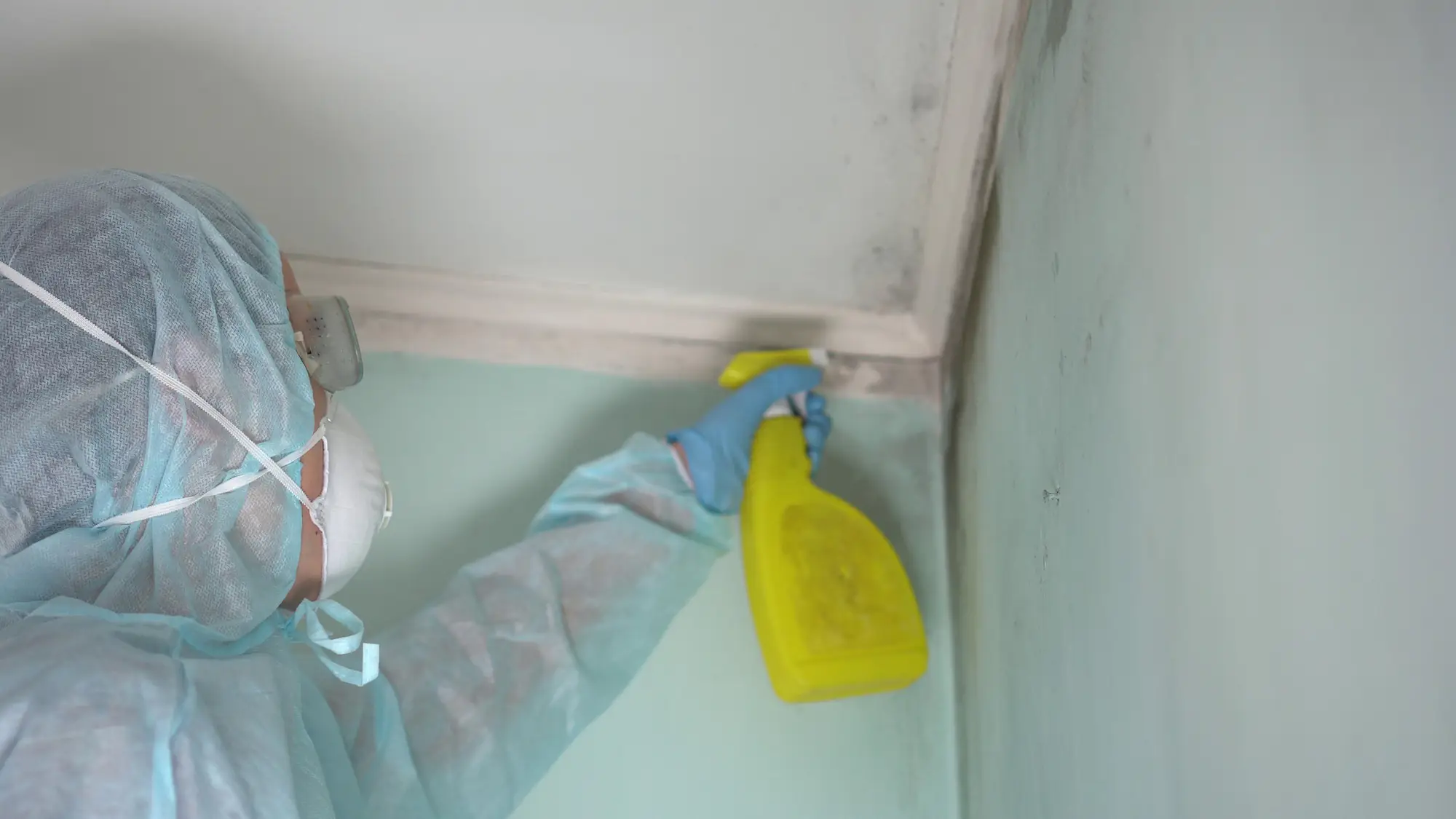
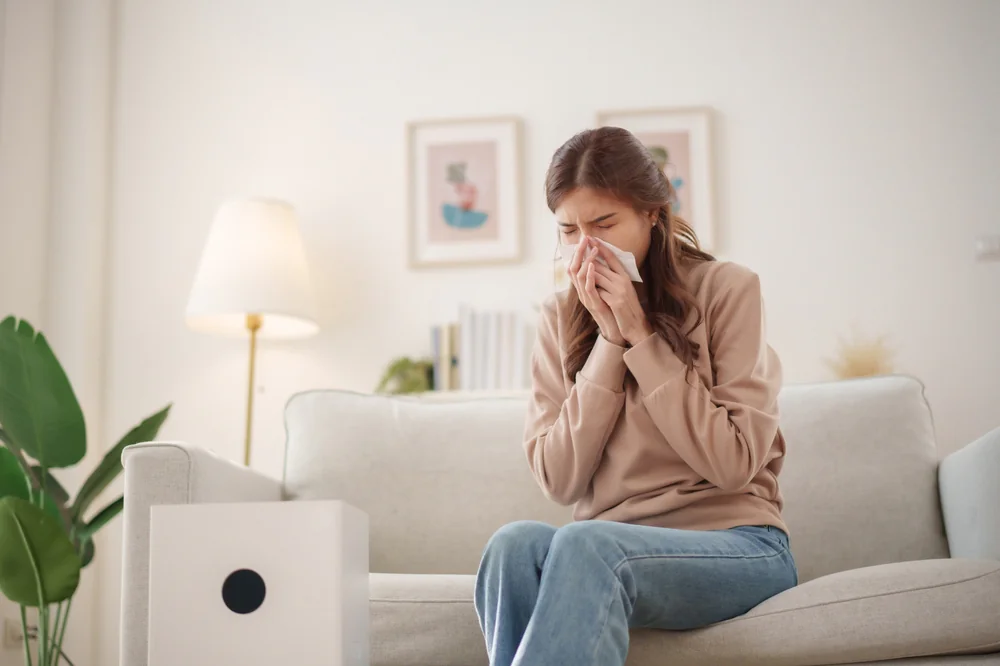
If anyone in your home is dealing with unexplained respiratory symptoms—coughing, sneezing, headaches, fatigue, or trouble breathing—that’s a sign something might be off with your air. Symptoms that get better when you leave the house and come back when you return are a red flag.
You should also test after any water damage, flooding, or plumbing leaks. Mold can start growing within 24 to 48 hours of water exposure, and it’s not always visible. Testing catches it early before it becomes a bigger problem.
If you’re buying or selling a home in Edgeboro, PA, testing protects everyone involved. Buyers want to know they’re not inheriting a mold problem, and sellers want to avoid deal-breakers during inspection. Testing removes the guesswork.
A standard indoor air quality test looks for mold spores, which are the most common concern in homes with moisture issues. The lab identifies the types of mold present and measures spore counts to see if levels are higher indoors than outdoors.
Testing can also detect allergens like dust mites, pet dander, and pollen that accumulate when ventilation is poor. If you’re concerned about VOCs—volatile organic compounds from cleaning products, paint, or building materials—that requires a different type of test, but we can arrange it.
Radon is another invisible threat that’s common in Pennsylvania. It’s a colorless, odorless gas that comes from soil and can seep into basements and crawl spaces. Radon testing is separate from mold testing, but it’s worth doing if you’ve never checked your home before.
The on-site portion usually takes one to two hours depending on the size of your home and how many samples we’re collecting. We’ll inspect visible areas, check moisture levels, and set up air sampling equipment in different rooms.
After we collect samples, they go to a lab for analysis. You’ll have results within 72 hours. That’s fast enough to make decisions without waiting weeks, which matters if you’re in the middle of a real estate transaction or dealing with health symptoms.
Once results are back, we’ll schedule a call or meeting to go over what was found. If remediation is needed, we can start planning next steps right away. If the air is clean, you’ll have documentation and peace of mind.
Pricing starts around $300 for a basic mold air test that includes a visual inspection, moisture detection, and two air samples. If you need additional samples from more rooms or surface testing of visible growth, the cost goes up, but we’ll give you a clear estimate before starting.
Most homeowners in Bucks County spend between $300 and $600 on air quality testing depending on the size of the home and the scope of the inspection. That’s a small investment compared to the cost of ignoring a problem that gets worse over time.
If testing reveals mold or other issues, remediation is a separate cost, but at least you’ll know exactly what you’re dealing with and what it will take to fix it. No surprises, no guessing.
DIY test kits are available, but they’re not as reliable as professional testing. Most home kits only tell you if mold is present, not what type or whether the levels are actually a problem. You also won’t get guidance on what to do next.
Professional air quality testing uses lab analysis to identify specific mold species and measure spore counts. Some molds are more dangerous than others, and knowing which type you’re dealing with matters when deciding how to respond.
You also get an expert inspection that looks for hidden moisture, ventilation issues, and other factors contributing to poor air quality. A kit can’t tell you if your basement has a humidity problem or if your HVAC system is circulating contaminated air. Professional testing gives you the full picture.
If testing shows elevated mold levels, the first step is identifying the source of moisture. Mold doesn’t grow without water, so fixing leaks, improving ventilation, or controlling humidity has to happen before or during remediation. Otherwise, it just comes back.
Remediation involves removing contaminated materials, cleaning affected surfaces, and treating the area to prevent regrowth. The scope depends on how widespread the problem is. Small areas might only need surface cleaning, while larger infestations could require removing drywall or insulation.
We handle mold remediation using EPA-approved methods and follow Pennsylvania regulations. You’ll get a clear plan that explains what needs to be done, how long it will take, and what it costs. After remediation, we can retest to confirm the air is clean and the problem is resolved.
Other Services we provide in Edgeboro