
Hear from Our Customers
You’re noticing symptoms. Maybe it’s allergies that won’t quit, a musty smell you can’t track down, or respiratory issues that seem worse at home. The air inside your Crabtree Hollow house might be making things worse—and you can’t fix what you can’t see.
A home air quality test gives you actual data. Not guesses. We measure mold spores, allergens, and pollutants in your indoor air, then explain what the results mean for your family. If there’s a problem, you’ll know exactly what it is and where it’s coming from.
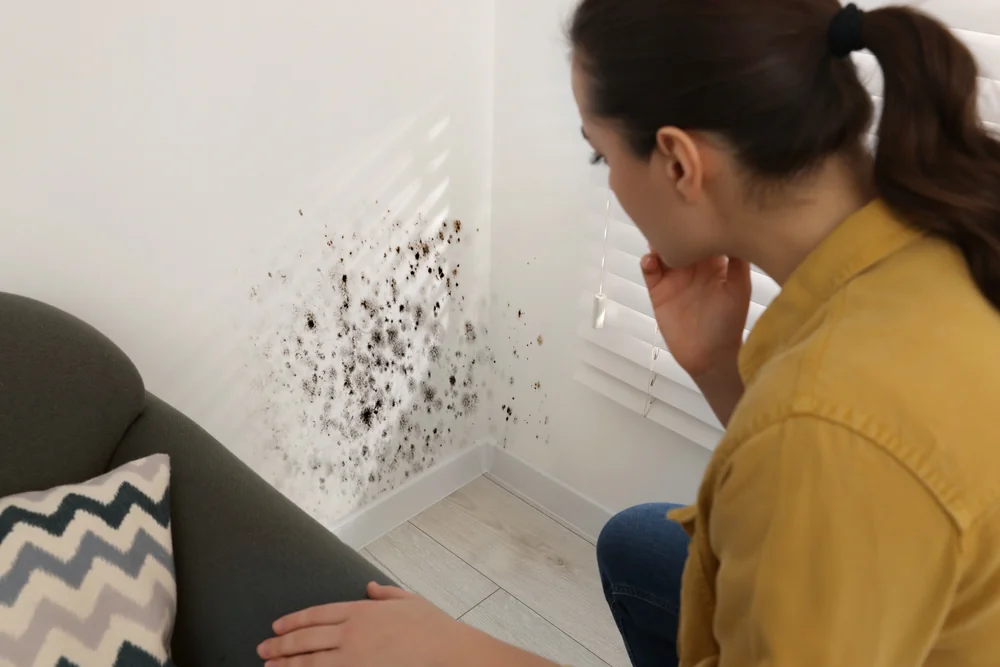
Most homes in Bucks County deal with humidity issues at some point. Basements stay damp. Crawl spaces trap moisture. Bathrooms don’t ventilate properly. All of that creates conditions where mold grows quietly behind walls or under floors. Testing catches it early, before it spreads and before remediation costs climb.
We’ve spent over 20 years working in homes across Crabtree Hollow and the surrounding Bucks County area. We know how the humid Pennsylvania climate affects older homes—the basements that stay damp, the crawl spaces that trap moisture, the foundation issues that let water seep in.
Our team uses EPA-approved methods and the same advanced equipment we’d use in our own homes. Moisture meters, thermal imaging, air sampling—we’re looking for problems you can’t see yet. Every test comes with a free inspection, and we’ll walk you through the results in plain language.
If we find mold or air quality issues, we’ll explain what’s causing them and what it takes to fix them for good. No upselling. No scare tactics. Just straightforward information so you can make the right call for your home.
We start with a free inspection of your property. That means checking the areas where mold typically hides—basements, attics, crawl spaces, bathrooms, and anywhere moisture tends to collect. We’re looking for visible growth, water damage, humidity problems, and ventilation issues.
Next, we collect air samples from different areas of your home. These samples get analyzed in a lab to identify mold types, spore counts, and other airborne contaminants. We also use moisture meters and thermal imaging to find hidden water issues that could be feeding mold growth behind walls or under flooring.
Once the lab results come back, we sit down with you and explain what we found. If there’s mold, we’ll tell you what kind, where it’s growing, and what’s causing it. Then we’ll outline your options for remediation—what needs to happen, how long it takes, and what it costs. You’ll have everything you need to decide how to move forward.
Ready to get started?
Your residential air quality testing includes a thorough inspection of your entire home, air sampling from multiple rooms, moisture detection using specialized equipment, and lab analysis of all samples. We’re not just looking for mold—we’re identifying allergens, pollutants, and anything else affecting your indoor air.
Bucks County’s climate makes mold a common issue. Pennsylvania’s humid summers and damp winters create perfect conditions for growth, especially in older homes with aging plumbing or poor ventilation. Indoor humidity above 60 percent is all it takes. That’s why we also measure humidity levels and check for the moisture sources that allow mold to thrive.
After testing, you get a detailed report explaining what we found and what it means. If remediation is needed, we handle that too—from containment and removal to fixing the underlying moisture problem. We also work directly with insurance companies to help with claims, and we’re available 24/7 if you discover an urgent mold situation.
The goal isn’t just to test your air. It’s to give you a clear path to healthier indoor air quality and a home that doesn’t make your family sick.
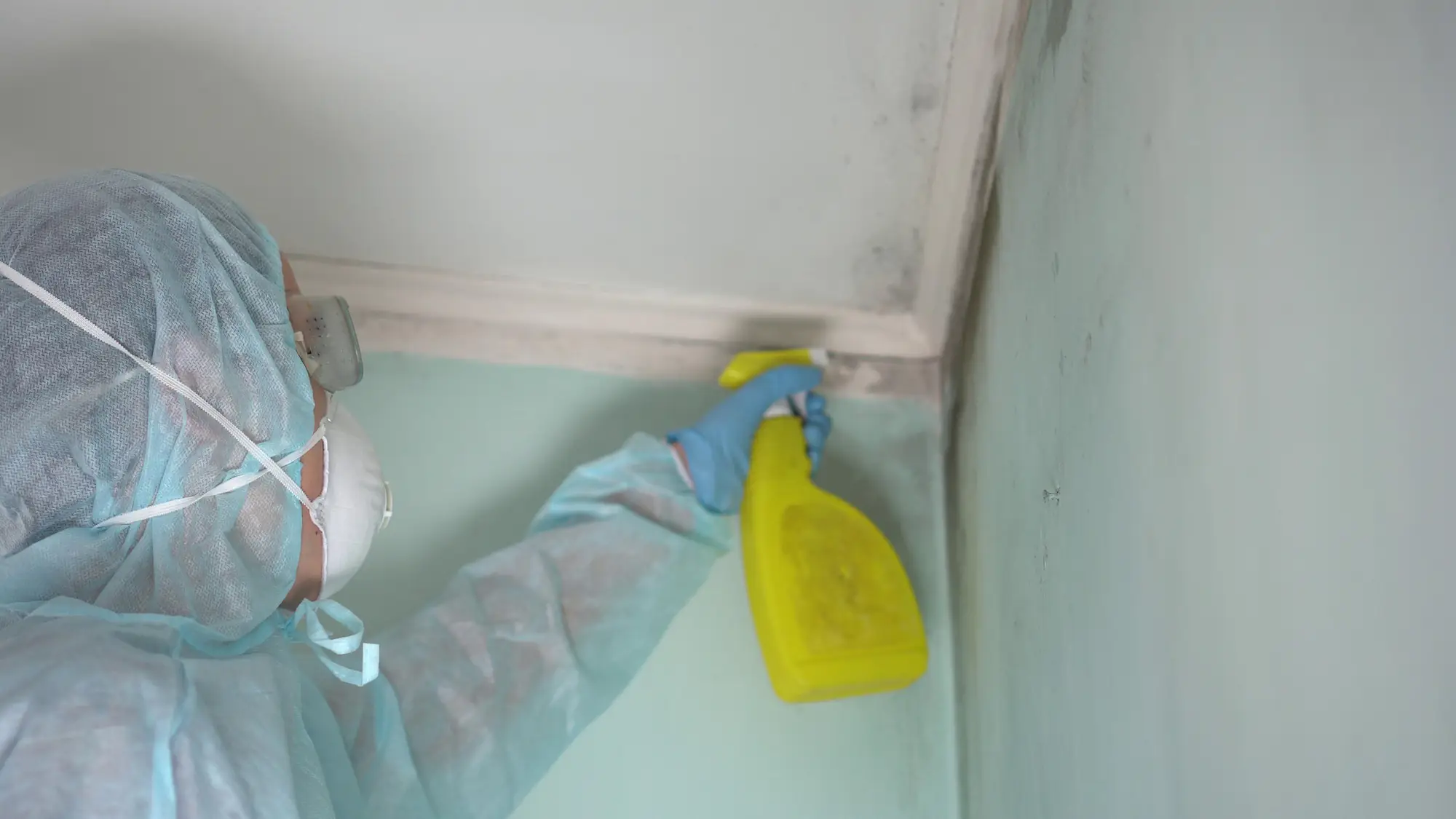
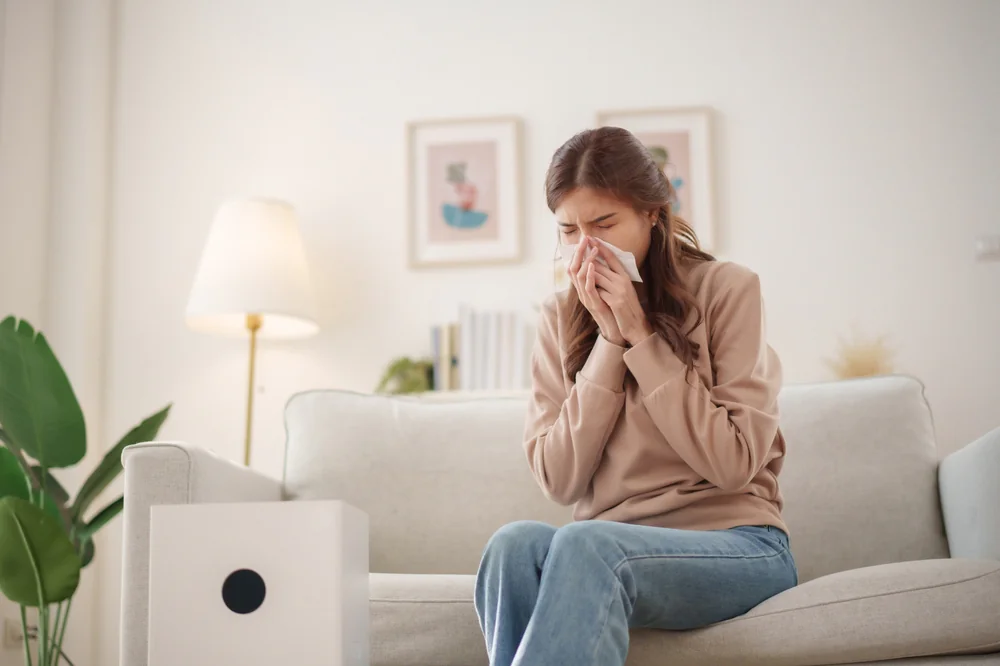
If anyone in your home is dealing with unexplained allergy symptoms, respiratory issues, or asthma that seems worse indoors, that’s a sign. So is a musty smell you can’t locate, visible water damage, or a history of leaks and flooding.
Mold releases spores into the air, and those spores can trigger health problems—especially for kids and anyone with existing respiratory conditions. In Pennsylvania, where 11.5% of children have asthma, indoor air quality matters. Testing tells you whether mold is present and at what levels.
Even if you don’t see mold, it could be growing behind walls, under carpets, or in your HVAC system. A professional air quality test finds it before it becomes a bigger problem. If you’re buying or selling a home in Crabtree Hollow, testing also protects your investment and gives everyone peace of mind.
DIY kits can tell you if mold is present, but they don’t tell you how much, what type, or where it’s coming from. They also miss contamination in areas you don’t think to test—like inside walls or under flooring.
Professional air quality testing uses lab-grade equipment to measure spore counts, identify specific mold species, and pinpoint moisture sources. We’re trained to spot the signs of hidden growth that homeowners overlook. Thermal imaging and moisture meters let us see problems before they’re visible.
The other difference is what happens after the test. With a DIY kit, you’re on your own to interpret results and figure out next steps. With professional testing, you get a clear explanation of what’s wrong, why it’s happening, and how to fix it. That’s worth the investment if you’re serious about improving your indoor air quality.
The on-site inspection and air sampling usually take one to two hours, depending on the size of your home and how many areas we’re testing. We’re thorough—checking basements, attics, crawl spaces, bathrooms, and any rooms where you’ve noticed issues.
Lab analysis takes a few days. Once we get the results back, we’ll schedule a time to review them with you and discuss your options. If remediation is needed, we can usually start within a few days of your approval.
The timeline matters because mold doesn’t wait. The longer it grows, the more damage it causes and the more expensive remediation becomes. That’s why we offer free inspections and move quickly once we know what we’re dealing with. If it’s an emergency—like after a flood or major leak—we’re available 24/7 to respond.
Not really. Air sampling is non-invasive. We place collection devices in different rooms, let them run for a set period, then remove them. You can stay in your home during testing, and there’s no mess or damage to your property.
If we need to use thermal imaging or moisture meters to check behind walls, that’s also non-destructive. We’re looking for temperature differences and moisture levels, not tearing into drywall. The only time we’d need to open up walls is if we find mold and you decide to move forward with remediation.
The whole process is designed to give you answers without turning your life upside down. We work around your schedule, explain what we’re doing as we go, and clean up after ourselves. Most homeowners are surprised by how quick and painless the testing process actually is.
First, we’ll tell you what type of mold it is and how much is present. Not all mold is dangerous, but some species—like black mold—require immediate attention. The lab results show spore counts and help us determine whether remediation is necessary.
Next, we identify the source. Mold needs moisture to grow, so we’re looking for leaks, humidity problems, poor ventilation, or water damage. Fixing the mold without fixing the moisture source just means it’ll come back. We address both.
Then we walk you through your options. Remediation involves containment to prevent spores from spreading, removal of contaminated materials, disinfection of affected areas, and repairs to restore your home. We provide upfront pricing, work with your insurance if applicable, and handle everything from start to finish. The goal is to get your home safe and keep it that way.
If you’ve had water damage, flooding, or a major leak, test right away. Mold can start growing within 24 to 48 hours of water exposure. The sooner you catch it, the easier and cheaper it is to remediate.
For homes in Bucks County—especially older properties with basements or crawl spaces—annual testing is smart. Pennsylvania’s humid climate and temperature swings create ongoing risk. Regular testing catches problems early, before they affect your health or your property value.
You should also test if you’re noticing symptoms like allergies, respiratory issues, or musty odors. And if you’re buying or selling a home, testing protects everyone involved. Indoor air can be up to five times more polluted than outdoor air, and most people spend 90% of their time indoors. Knowing what you’re breathing isn’t optional—it’s essential.
Other Services we provide in Crabtree Hollow