
Hear from Our Customers

You can’t see mold spores. You can’t measure volatile organic compounds with your eyes. And you definitely can’t tell if your indoor air quality is two to five times more polluted than the air outside just by walking through your house.
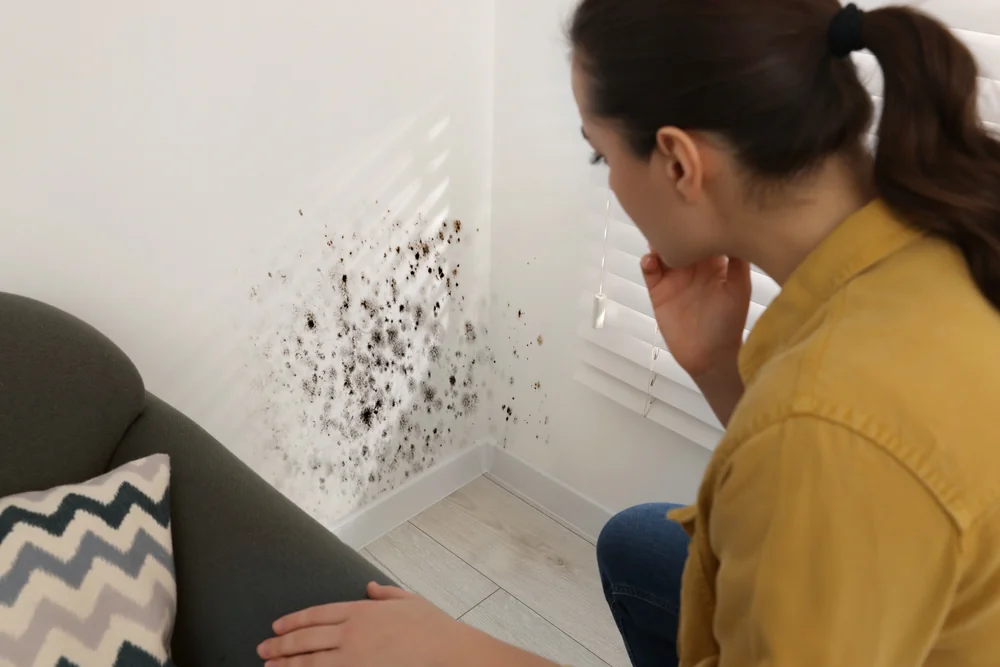
That’s the problem with air quality issues. By the time you notice the musty smell or start connecting your headaches to being home, contamination has already been circulating for weeks or months.
A professional air quality test gives you measurable data. Not guesses. Not assumptions based on what things look like. Actual lab results showing mold spore counts, VOC levels, and specific contaminants present in your home. You get a clear picture of what you’re dealing with, which means you can make informed decisions about remediation instead of throwing money at problems you’re only guessing about.
This matters in Croydon because Pennsylvania’s humid climate doesn’t just encourage mold growth—it accelerates it. Homes here deal with moisture from clay soil, high groundwater tables, and humidity that regularly pushes past the 60% threshold where mold thrives. Testing shows you where your home stands before small issues become expensive ones.
We work throughout Bucks County, and we’ve seen what happens when homeowners in this area ignore early warning signs. The older homes common in Croydon weren’t built with modern moisture barriers or ventilation systems. That means basements stay damp, crawl spaces trap humidity, and mold finds plenty of places to grow where you’ll never see it.
We use EPA-approved testing methods and send samples to accredited third-party labs. You’re not getting results from someone with a financial interest in finding problems. You’re getting independent analysis that insurance companies and real estate attorneys actually respect.
Our team lives and works in this community. We understand the specific challenges that come with Pennsylvania’s seasonal temperature swings, the condensation issues that show up every spring, and the moisture problems that develop in homes with poor drainage. When we test your air, we’re looking at your home through the lens of someone who knows what typically goes wrong in this region.

We start with a visual inspection of your property to identify potential moisture sources, visible mold growth, and areas where contamination is likely. This includes basements, crawl spaces, attics, HVAC systems, and anywhere water damage has occurred.
Next, we collect air samples from multiple locations throughout your home. These samples capture airborne mold spores, VOCs from building materials and household products, and other contaminants you can’t detect without professional equipment. We also take outdoor samples for comparison, because some mold spore presence is normal—what matters is whether your indoor levels are elevated.
Samples go to an independent laboratory for analysis. You receive a detailed report showing exactly what was found, at what concentration, and where. The report identifies specific mold species if present, VOC levels, and any other air quality concerns detected during testing.
We walk you through the results in plain language. If remediation is needed, we explain what that involves and why. If your air quality is fine, we tell you that too. The goal is giving you accurate information so you can make decisions based on facts, not fear.
Ready to get started?
Every home air quality test includes multi-point air sampling, laboratory analysis, and a written report with specific findings and concentration levels. You’re not getting a pass/fail result—you’re getting data that shows what’s actually present and whether levels are within acceptable ranges.
Testing identifies common issues in Croydon homes: elevated mold spore counts from basement moisture, VOCs from older building materials, and contamination from HVAC systems that haven’t been properly maintained. Many homeowners are surprised to learn their air quality issues aren’t coming from visible mold at all, but from hidden growth behind walls or under flooring where water damage occurred months or years ago.
This matters especially during real estate transactions. Pennsylvania law requires sellers to disclose known material defects, and mold falls into that category. If you’re buying a home in Croydon, professional air quality testing should be part of your due diligence. If you’re selling, testing before listing gives you documentation that protects you from future liability claims.
The humid conditions here mean mold can start forming within 24 to 48 hours after water exposure. Bucks County’s climate makes that timeline even more urgent because moisture doesn’t evaporate quickly when outdoor humidity is already high. Testing catches problems while they’re still manageable instead of waiting until remediation becomes a five-figure project.
Residential air quality testing typically ranges from $300 to $800 depending on the size of your home and how many sample points are needed. A standard test for a single-family home usually falls in the $400-$500 range.
That includes the inspection, sample collection, laboratory analysis, and a detailed report. Some companies charge extra for rush processing or additional sample locations, so ask about the total cost upfront.
The investment makes sense when you consider what you’re getting: independent lab results that tell you exactly what’s in your air, documentation you can use for insurance claims or real estate transactions, and the information you need to address problems before they get worse. Compare that to the cost of mold remediation—which can easily run $2,000 to $6,000 for a moderate case—and testing starts looking like cheap insurance.
Air quality testing identifies mold spores, volatile organic compounds (VOCs), and other airborne contaminants present in your home. The test measures concentration levels and, in the case of mold, identifies specific species.
For mold testing, labs can detect dozens of different species and tell you whether your indoor spore counts are elevated compared to outdoor levels. This matters because some mold types are more problematic than others, and knowing what you’re dealing with affects how you approach remediation.
VOC testing identifies chemicals released by building materials, cleaning products, paints, and furnishings. Common culprits include formaldehyde from pressed wood products, benzene from stored gasoline or paint, and various chemicals from new carpeting or furniture. Indoor air can contain VOC levels significantly higher than outdoor air, especially in newer or recently renovated homes.
Testing can also detect other issues like radon, carbon monoxide, or particulates from poor ventilation. The specific contaminants tested depend on what you’re concerned about and what the initial inspection suggests might be present.
The on-site portion takes one to two hours depending on your home’s size and how many areas we’re testing. Sample collection itself is quick—the time goes into the inspection and setting up equipment properly.
Laboratory analysis typically takes three to five business days. Some labs offer expedited processing for an additional fee if you need results faster for a real estate closing or insurance claim.
You’ll receive a detailed report once analysis is complete, and we schedule a follow-up call to review findings and answer questions. The entire process from initial contact to having results in hand usually takes about a week.
If remediation is needed, that’s a separate timeline. Minor mold remediation might take a day or two. Larger projects involving significant contamination or structural work can take a week or more. But you’ll know exactly what you’re dealing with before any work begins, which means no surprises and no paying for services you don’t actually need.
Yes, especially given the age of housing stock in this area and the moisture challenges that come with Bucks County’s climate. Many homes here were built before modern moisture management became standard, which means you’re looking at properties that may lack proper vapor barriers, adequate ventilation, or effective drainage.
A mold air test during your inspection period tells you what you’re actually buying. Sellers are required to disclose known defects, but they can’t disclose what they don’t know about. Hidden mold behind walls, under flooring, or in crawl spaces won’t show up on a standard home inspection unless the inspector happens to spot water stains or other visible indicators.
Testing gives you leverage in negotiations if problems are found. You can request remediation before closing, ask for a price reduction to cover the work yourself, or walk away if contamination is severe. Without testing, you’re accepting the risk that you might discover a $5,000 mold problem three months after moving in.
The cost of testing is minimal compared to your total home investment. Spending $400-$500 now to avoid a potential five-figure remediation bill later is just smart due diligence, particularly in a region where humidity and older construction create conditions where mold problems are common.
Home test kits exist, but they have significant limitations. Most consumer-grade kits only test for mold presence, not concentration levels or specific species. You might get a result saying “mold detected,” but that doesn’t tell you much—some mold is present in virtually every home.
What matters is whether your indoor mold levels are elevated compared to outdoor levels, and whether you’re dealing with species that pose health risks. Home kits don’t provide that context. They also can’t test for VOCs, identify contamination sources, or give you the kind of detailed analysis that insurance companies or real estate attorneys will accept as documentation.
Professional testing uses calibrated equipment, follows EPA-approved protocols, and sends samples to accredited laboratories. The results are defensible if you need them for insurance claims, legal disputes, or property transactions. A $30 home kit won’t give you that.
If you’re just curious about general air quality, a home kit might satisfy that curiosity. But if you’re dealing with health symptoms, planning remediation, buying or selling property, or need documentation for any official purpose, professional testing is worth the investment. You’re paying for accuracy, credibility, and results you can actually use to make informed decisions.
First, you get specific information about what was found, where concentration levels are highest, and which mold species are present. That tells you whether you’re dealing with a minor issue or something that requires immediate attention.
The report will indicate whether levels are within normal ranges or elevated compared to outdoor samples. Slightly elevated levels in a basement might just mean you need better ventilation and a dehumidifier. Significantly elevated levels or the presence of certain toxic species means professional remediation is necessary.
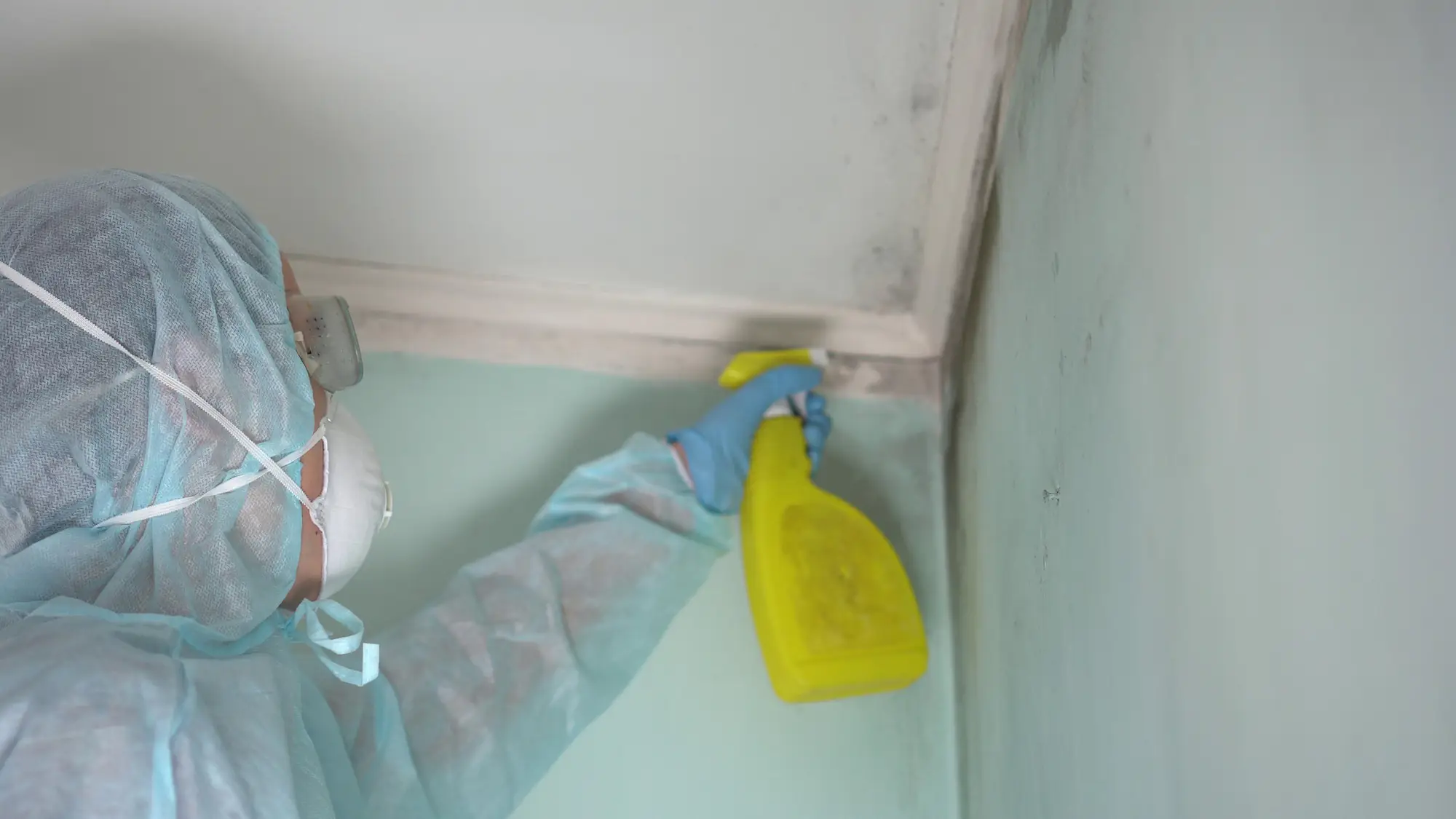
We explain your options clearly. Small, contained mold growth might be something you can address yourself with proper cleaning and moisture control. Larger contamination, growth inside walls or HVAC systems, or the presence of black mold typically requires professional remediation to ensure it’s handled safely and completely.
You’re not locked into using our remediation services just because we did your testing. The lab results are yours, and you can get quotes from multiple companies if you prefer. Our goal with testing is giving you accurate information, not creating work for ourselves. If remediation is needed, we’ll explain what that involves and provide a detailed estimate. If it’s not needed, we’ll tell you that too and suggest preventive measures to keep your air quality where it should be.
Other Services we provide in Croydon