

Hear from Our Customers
You’ll stop smelling that musty odor every time you walk downstairs. Your kids won’t wake up congested anymore. You’ll actually use your basement again instead of avoiding it.
That’s what happens when mold gets removed the right way—not just sprayed over, but actually eliminated. We’re talking about pulling out contaminated drywall, treating the framing, fixing the moisture problem that caused it, and making sure it doesn’t grow back next summer when the humidity spikes.
Most homes in Croydon were built before moisture management became standard. Foundations crack. Gutters overflow during storms. Humidity sits in crawl spaces all summer. That’s why basements near Neshaminy Creek see recurring moisture issues, and why half-done mold jobs never last.
We work with homeowners across Croydon and Bucks County who are dealing with black mold in basements, attic mold from roof leaks, and crawl space growth that’s been spreading for months. We know what happens to older homes when humidity stays high and foundations start seeping.
We use thermal imaging to find moisture you can’t see. We contain work areas so spores don’t spread to clean rooms. We follow EPA protocols, remove contaminated materials completely, and treat surfaces with approved antimicrobials.
You’re not getting a crew that shows up, sprays bleach, and leaves. You’re getting certified mold specialists with the equipment and training to do this correctly.

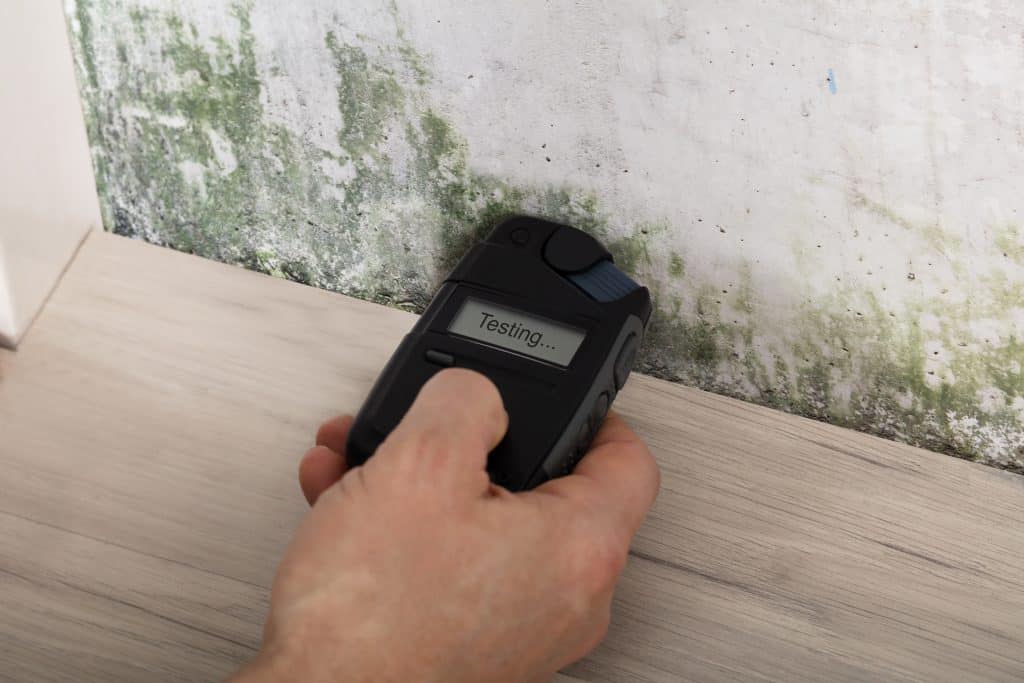
First, we inspect everything. Not just the obvious spots—behind water heaters, inside wall cavities, throughout ductwork. We use moisture meters and thermal imaging to map out where water is hiding and where mold is actively growing.
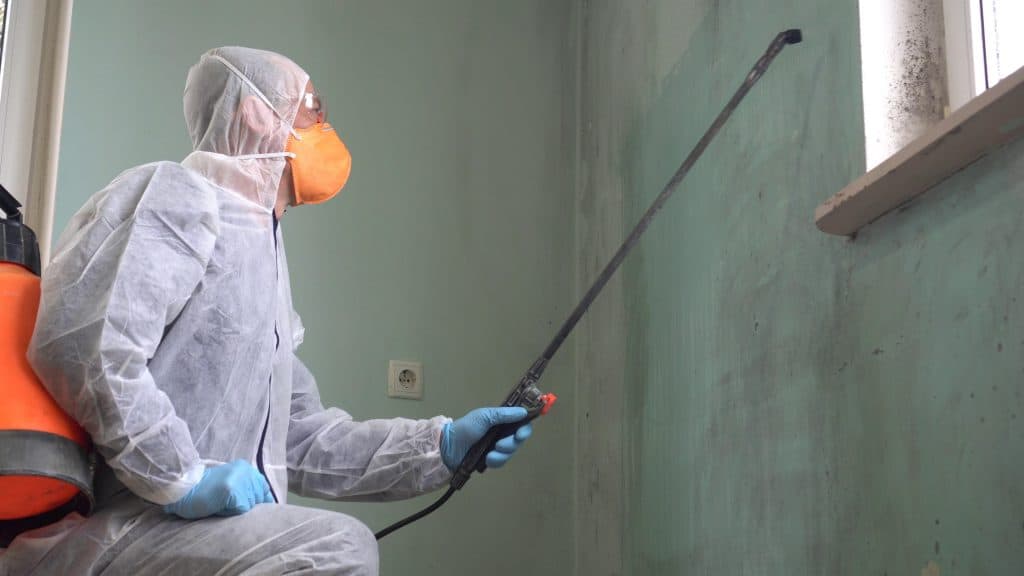
Then we set up containment barriers with negative air pressure so spores don’t spread while we work. We remove all contaminated materials—drywall, insulation, baseboards, whatever’s affected. If it’s porous and it has mold, it comes out.
Next, we treat all affected surfaces with EPA-approved antimicrobials and run HEPA filtration to clean the air. We don’t move forward until moisture levels are back to normal and the source is fixed—whether that’s a leaking pipe, poor ventilation, or foundation seepage.
Most residential jobs in Croydon take three to seven days. Small, localized problems get handled in one to two days. You’ll know the timeline upfront, and we’ll walk you through what to expect at each stage.
Ready to get started?
You’re getting a full inspection with moisture mapping, professional containment to prevent cross-contamination, removal of all affected materials, antimicrobial treatment, HEPA air filtration, and source correction so the problem doesn’t return.
We also handle insurance claims directly. Most homeowners in Croydon don’t realize their policy covers mold remediation when it results from covered damage like burst pipes or storm flooding. We work with your insurance company, document everything properly, and help you maximize your coverage.
Croydon’s older housing stock makes this especially important. Many homes here have inadequate vapor barriers and aging foundations that let moisture seep through. When summer humidity in Pennsylvania regularly exceeds 70%, basements become breeding grounds. We don’t just remove mold—we address why it grew in the first place, whether that’s poor grading, failing sump pumps, or HVAC condensation issues.
Most mold remediation projects in Croydon run between $1,300 and $3,700, with the average around $2,400. But that range is wide because every situation is different.
A small patch of mold in a bathroom from a leaking shower pan might cost $1,200 to remove. A finished basement with mold throughout the drywall after a sump pump failure could run $5,000 or more because you’re removing walls, treating framing, replacing insulation, and fixing the drainage issue.
What drives the cost is the size of the affected area, what materials need removing, how accessible it is, and whether there’s structural work involved. We give you a detailed estimate upfront after the inspection, so you know exactly what you’re paying for and why. And if insurance covers it, we handle that process directly.
Most residential mold removal projects in Croydon take three to seven days from start to finish. Smaller jobs—like mold in a closet or around a window—can be done in one to two days.
The timeline depends on how much material needs removing, how extensive the contamination is, and how long it takes to dry everything out. You can’t rush the drying process. If moisture levels aren’t back to normal before we close everything up, mold will just grow back.
We’ll give you a clear timeline during the estimate. You’ll know when we’re starting, what’s happening each day, and when you’ll have full use of the space again. We don’t drag jobs out, but we also don’t cut corners just to finish faster.
Not if the source gets fixed. Mold needs moisture to grow. Remove the moisture problem, and mold can’t establish itself again.
That’s the difference between professional mold removal and DIY attempts. Spraying bleach on visible mold doesn’t address what caused it. If your basement still floods every spring, or your bathroom exhaust fan still vents into the attic instead of outside, or your foundation still has cracks letting groundwater seep through—mold will return.
We don’t just remove contaminated materials and treat surfaces. We identify why moisture is accumulating and fix that issue. Sometimes it’s as simple as extending a downspout. Sometimes it requires better ventilation or waterproofing. But we don’t consider the job done until the root cause is addressed, because otherwise you’re just paying to remove the same mold again in six months.
Yes, in most cases. We set up professional containment barriers with negative air pressure to isolate the work area from the rest of your home. That prevents mold spores from spreading to clean areas while we’re removing contaminated materials.
If the mold is extensive—like throughout your HVAC system or affecting multiple floors—we might recommend staying elsewhere for a few days. But for typical basement or bathroom mold jobs, you can stay in your home without exposure risk.
We’ll walk you through what to expect during the initial inspection. You’ll know whether containment is enough or if temporary relocation makes sense. Either way, we’re not leaving your family exposed to airborne spores during the removal process.
It depends on what caused the mold. If mold resulted from a covered peril—like a burst pipe, storm damage, or sudden appliance leak—most Pennsylvania homeowners policies will cover remediation. If mold developed from long-term neglect or lack of maintenance, coverage gets denied.
The key is documentation and timing. Insurance companies want to see that you acted quickly after discovering water damage. If you knew about a leak for months and didn’t fix it, they’ll argue the mold was preventable.
We work directly with insurance companies and handle the claims process for Croydon homeowners. We document everything with photos, moisture readings, and detailed reports. We know what adjusters look for and how to present the claim so you get maximum coverage. Most people don’t realize their policy might cover this, so they pay out of pocket when they didn’t have to.
Remediation is the correct term because you can’t remove every single mold spore from a property—they’re everywhere in the environment. What you can do is reduce mold to normal, safe levels and eliminate the conditions that let it grow.
Professional mold remediation means removing contaminated materials, treating affected surfaces, cleaning the air with HEPA filtration, and fixing the moisture source. The goal is bringing mold levels back to what you’d find in any normal indoor environment.
“Mold removal” is the term most people search for, so that’s what we use. But what we’re actually doing is remediating the problem—addressing both the mold growth and the conditions that caused it. That’s why our work lasts and why you’re not calling us back next year to handle the same issue again.
Other Services we provide in Croydon