
Hear from Our Customers
You’re spending most of your time indoors. If someone in your house has unexplained headaches, allergies that won’t quit, or respiratory issues that seem worse at home, your air quality might be the problem.
Indoor air can be two to five times more polluted than outdoor air. That’s not a scare tactic—it’s EPA data. And in Bucks County, where we already deal with outdoor air quality challenges, what’s happening inside your walls matters even more.
A home air quality test gives you actual data. Not guesses. Not assumptions. You’ll know if mold spores are circulating, if VOCs from building materials are off-gassing, or if allergens are building up in your HVAC system. From there, you can make informed decisions about what to fix, what to monitor, and what’s actually fine.
We’ve been testing and improving indoor air quality for homeowners across Bucks County for years. We’re local, we’re thorough, and we don’t upsell services you don’t need.
Danboro homes—especially older ones—face specific challenges. Humidity from our climate, aging HVAC systems, and construction materials common in this area all play a role in what ends up in your air. We know what to look for because we’ve seen it hundreds of times.
You’ll get a detailed report that explains what we found, what it means for your health, and what your options are. No jargon. No pressure. Just clear information so you can decide what makes sense for your home.
First, we talk. You tell us what you’re noticing—symptoms, smells, moisture issues, whatever’s going on. That helps us know where to focus.
Then we come to your home and conduct residential air quality testing using professional-grade equipment. We’re collecting air samples from multiple rooms, testing surfaces if there’s visible mold or staining, and checking areas where contaminants typically build up—HVAC systems, basements, crawl spaces, bathrooms.
The samples go to a certified lab for analysis. You’re not waiting weeks—most results come back within a few days. We test for mold spores, VOCs, allergens, and other common indoor pollutants depending on what your home needs.
Once we have the lab results, we walk you through everything. What was found, what the levels mean, and whether action is needed. If remediation makes sense, we’ll explain that process too. If your air quality is fine, we’ll tell you that instead.
Ready to get started?
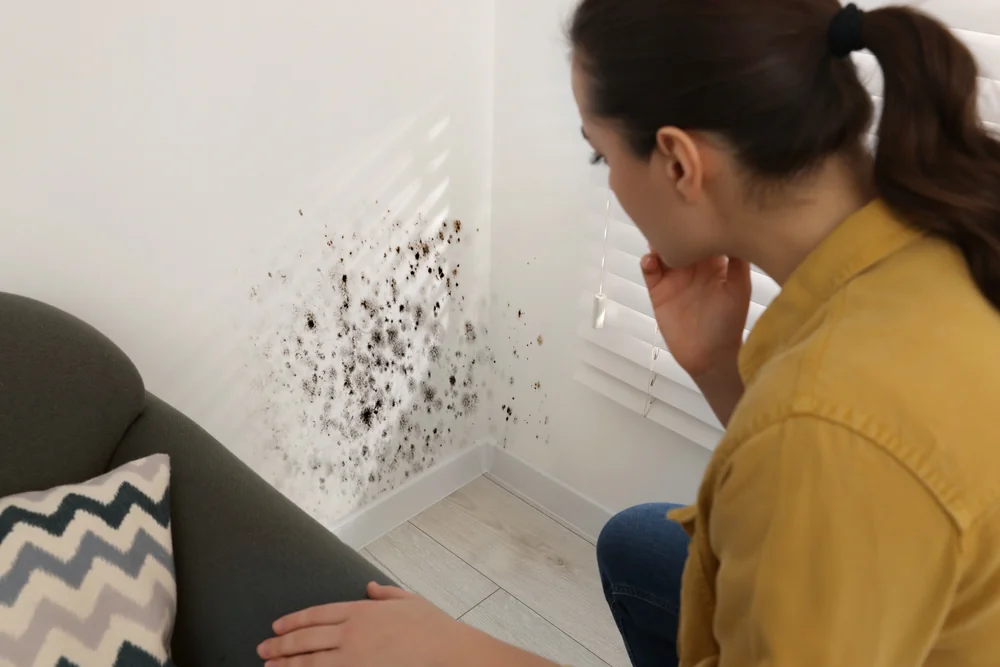
A mold air test is one part of what we check, but we’re looking at the full picture. Mold spores are a common issue in Danboro homes, especially in basements and areas with poor ventilation. But VOCs from paint, cleaning products, or building materials can also affect your health. Same with dust mites, pet dander, and pollen that get trapped indoors.
Pennsylvania has one of the highest radon levels in the country—40% of homes here test above EPA action guidelines. If radon testing hasn’t been done in your home, that’s worth knowing about. It’s odorless, invisible, and a leading cause of lung cancer.
We also check your HVAC system. If your filters are clogged or ducts are circulating contaminated air, that’s something you can fix relatively easily. Improving your system’s efficiency doesn’t just help your air quality—it can lower your utility bills too.
After testing, you’ll receive a report that breaks down what we found in each area of your home. It’s written in plain language, and it includes specific recommendations. Some might be simple—like increasing ventilation or changing filters more often. Others might require professional remediation. Either way, you’ll know exactly where you stand.
Most homeowners in Danboro pay between $290 and $585 for professional air quality testing, with the average around $440. The range depends on the size of your home, how many rooms you’re testing, and what specific contaminants you’re checking for.
A basic mold air test for a smaller home will cost less than comprehensive testing for a larger property that includes VOC analysis, allergen testing, and multiple sample locations. If you’re testing for radon or need surface samples in addition to air samples, that adds to the cost.
DIY kits are cheaper upfront—usually $75 to $150—but they’re not as reliable. They test a limited number of pollutants, and the accuracy isn’t comparable to lab-grade analysis. If you’re dealing with health symptoms or planning to sell your home, professional testing gives you data you can actually trust.
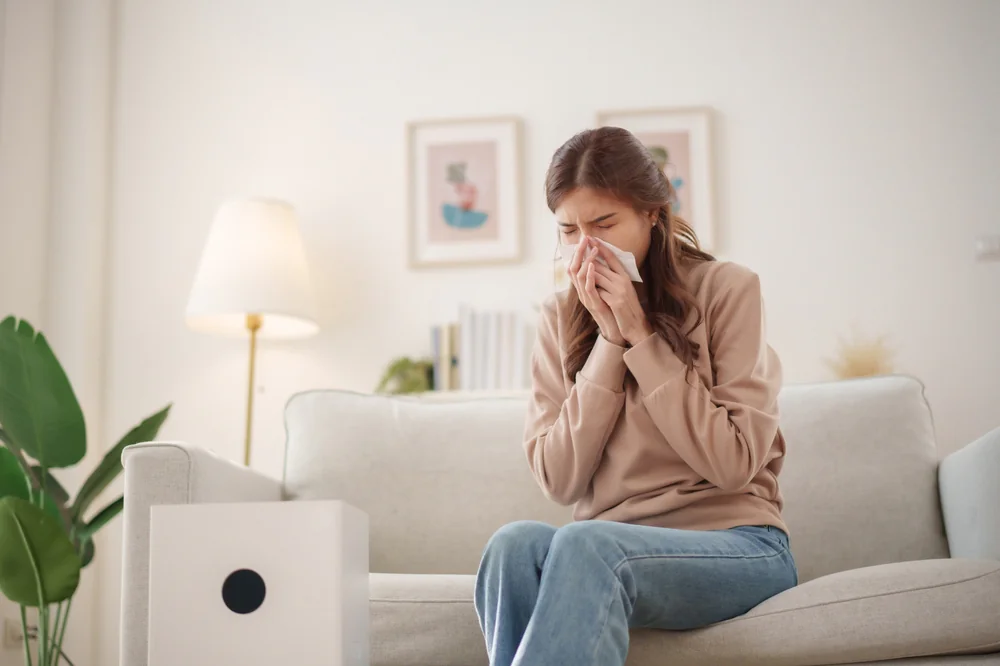
Unexplained health symptoms are the biggest indicator. If anyone in your home has persistent headaches, allergy symptoms that don’t improve, respiratory issues, fatigue, or irritated eyes and throat—and those symptoms get better when you leave the house—your indoor air quality is worth checking.
Musty odors, visible mold, or water damage are obvious red flags. But even without visible signs, you could have mold growing inside walls, under flooring, or in your HVAC system. High humidity, condensation on windows, or a home that feels stuffy even with ventilation can all point to air quality problems.
If your home was built before 1978, you’re at higher risk for lead dust and asbestos fibers, especially if you’re doing renovations. Newer homes aren’t off the hook either—modern building materials can off-gas VOCs for months or even years after construction. If you’re buying or selling a home in Danboro, testing before closing gives everyone peace of mind.
The actual testing appointment usually takes one to three hours depending on the size of your home and how many areas we’re sampling. We’re not rushing through it—we’re collecting samples carefully and checking the spaces where contaminants are most likely to show up.
Lab analysis takes a few days. Most results come back within three to five business days. Radon testing is a little different—it requires a longer monitoring period, typically 48 hours to several days, to get an accurate reading since radon levels fluctuate.
Once we have your results, we’ll schedule a follow-up to review everything with you. That conversation usually takes 30 to 45 minutes. We’ll walk through what was found, answer your questions, and talk about next steps if anything needs attention. You’re not getting a report dumped in your inbox with no explanation—we make sure you understand what you’re looking at.
You can buy DIY air quality test kits, but they have serious limitations. Most test for only one or two contaminants—usually mold or VOCs—and the accuracy isn’t great. You’re collecting the sample yourself, which means there’s more room for error, and the lab analysis (if it’s even included) isn’t as thorough as what we use.
DIY kits also don’t give you context. Let’s say your kit detects mold spores. Okay—but what kind? How much? Is it a health risk or just normal background levels? Without professional interpretation, that data doesn’t help you much.
If you’re just curious about your air quality and don’t have specific concerns, a DIY kit might give you a rough idea. But if you’re dealing with health symptoms, planning to sell your home, or need documentation for insurance or real estate purposes, professional air quality testing is the way to go. The equipment is better, the analysis is more comprehensive, and you’ll get a report that actually tells you what to do next.
We test for the contaminants that most commonly affect homes in Danboro and Bucks County. Mold spores are a big one—we’re identifying what types are present and at what concentration. Some molds are more harmful than others, so knowing exactly what you’re dealing with matters.
VOCs (volatile organic compounds) come from paint, cleaning products, furniture, building materials, and dozens of other sources. Long-term exposure can cause headaches, dizziness, and respiratory problems. We measure VOC levels to see if they’re elevated beyond safe thresholds.
Allergens like dust mites, pet dander, and pollen get trapped indoors and recirculate through your HVAC system. If someone in your home has allergies or asthma, high allergen levels can make symptoms worse. We also check for particulate matter—tiny particles from smoke, dust, or outdoor pollution that make their way inside.
Radon testing is separate but critical in Pennsylvania. It’s a radioactive gas that seeps into homes from the ground, and it’s the second leading cause of lung cancer. If your home hasn’t been tested for radon, it should be.
If you’ve never tested your air quality, start with a baseline test. That gives you a snapshot of what’s normal in your home so you can catch problems early if things change.
After that, most homeowners don’t need regular testing unless something changes. If you’ve had water damage, flooding, or a leak—test again. Mold can develop within 24 to 48 hours of water exposure, and you won’t always see it right away. If you’re doing renovations, testing before and after can catch any new contaminants introduced during construction.
If someone in your home develops unexplained health symptoms or existing conditions like asthma get worse, that’s another reason to retest. Seasonal changes can also affect indoor air quality—homes tend to be more sealed up in winter, which means less ventilation and higher concentrations of indoor pollutants.
Radon levels can fluctuate over time, so the EPA recommends retesting every two years even if your previous test came back low. If you’re buying or selling a home in Danboro, air quality testing during the inspection period protects everyone involved.
Other Services we provide in Danboro