
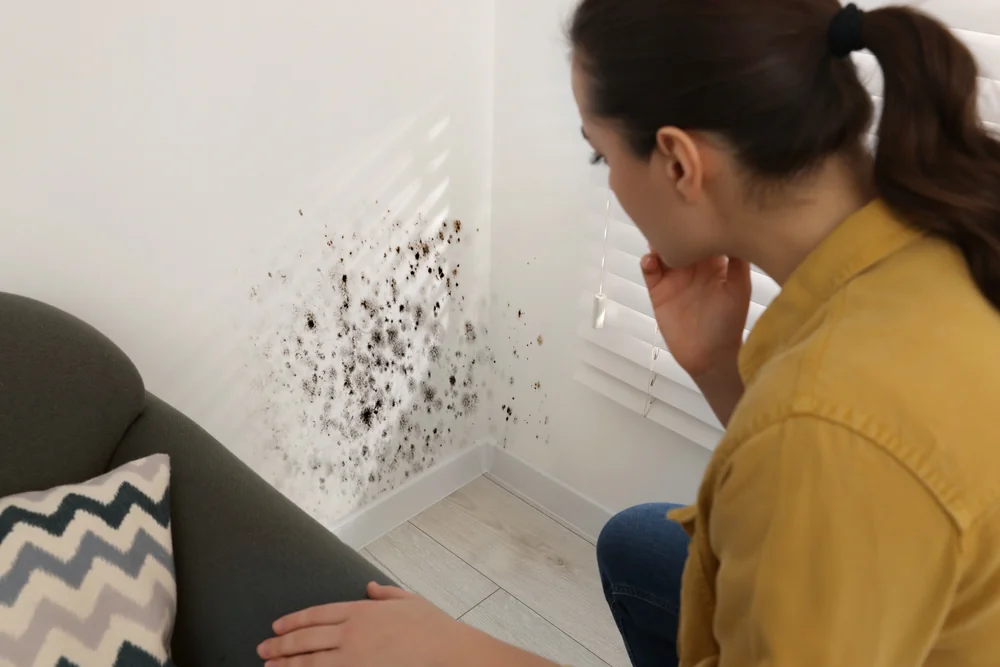
Hear from Our Customers
You’ve noticed the symptoms. Someone’s always congested. The kids’ allergies won’t quit. Maybe you smell something musty in the basement but can’t pin it down.
Here’s what most people don’t realize: high mold spore counts can trigger reactions that feel exactly like a cold or seasonal allergies. You’re treating symptoms while the actual problem keeps circulating through your HVAC system.
A home air quality test gives you the full picture. We’re talking lab analysis that identifies specific mold species, measures spore concentration levels, and detects VOCs you can’t see or smell. You’ll know what’s in your air, where it’s coming from, and what needs to happen next. No more wondering if that cough is just a virus or something worse growing in your walls.
The difference between guessing and knowing is a professional indoor air quality test. One that uses the same equipment and protocols required for insurance claims and real estate transactions in Bucks County.
We serve homeowners throughout Dolington, PA and surrounding Bucks County communities who need straight answers about their indoor air. We’re not here to sell you services you don’t need.
Our residential air quality testing uses EPA-certified methodology and independent laboratory analysis. Every sample gets sent to an accredited lab for species identification and concentration measurement. You get documentation that meets Pennsylvania Department of Health standards and holds up with insurance companies.
Dolington’s housing stock includes plenty of older homes with basements prone to moisture issues. We’ve tested enough properties in this area to know what to look for and where problems typically hide. Our approach is simple: identify what’s wrong, document it properly, and give you clear options for fixing it.
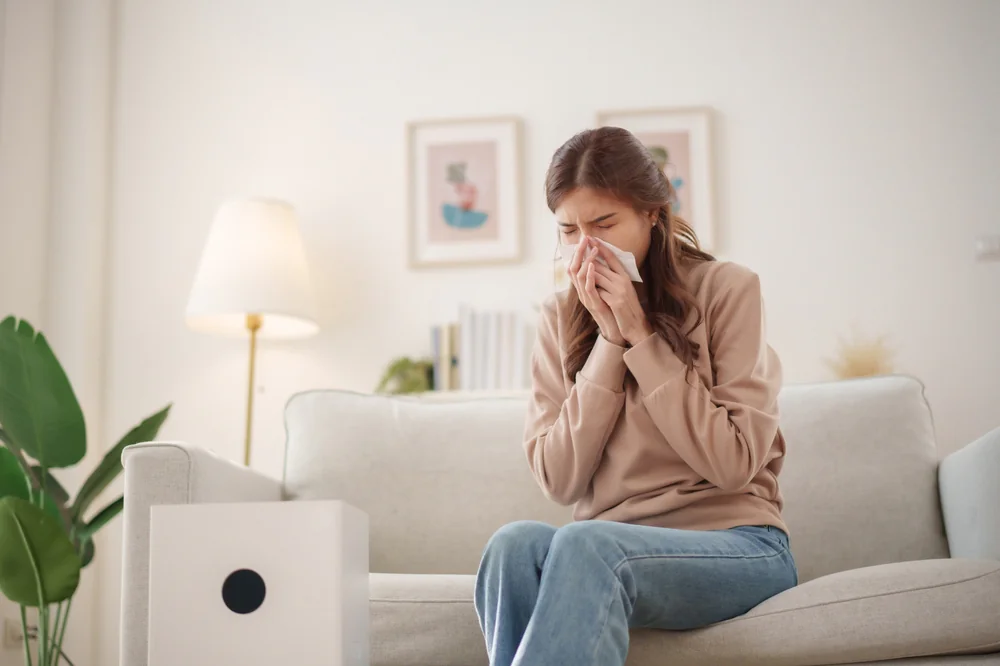
First, we walk through your property and talk about what you’ve noticed. Smells, symptoms, visible water damage, whatever’s going on. This helps us understand where to focus.
Then we collect air samples from multiple locations using calibrated equipment. We’re looking for airborne mold spores, but we also check surfaces in areas that look suspicious. Basements, crawl spaces, around HVAC systems—anywhere moisture tends to accumulate in Dolington homes.
We use moisture meters and infrared cameras to find hidden water intrusion. Mold doesn’t grow without moisture, so identifying the source matters as much as finding the mold itself.
All samples go to an independent lab for analysis. You’re not taking our word for what’s in your air—you’re getting third-party verification with detailed reports showing exactly what species were found and at what concentration levels.
Once results come back, we review everything with you. What the numbers mean, whether levels are concerning, and what your options are for remediation if needed. You’ll have documentation you can use for insurance claims or show to buyers if you’re selling your home.
Ready to get started?
Our professional air quality testing includes visual inspection of your property, air sample collection from multiple rooms, surface testing in areas showing visible growth or water damage, and moisture mapping using infrared technology.
Every sample gets analyzed by an accredited laboratory. You receive a comprehensive report detailing mold species identified, spore concentration levels compared to outdoor baseline samples, and health risk assessment based on what we found.
Bucks County homes face specific challenges. Humid summers, older construction, and properties built before modern moisture barriers became standard. These factors make basements and crawl spaces particularly vulnerable to mold growth. We test with local conditions in mind.
The report also includes our assessment of moisture sources and recommendations for remediation if levels warrant action. You’re not just getting test results—you’re getting a roadmap for fixing the problem and preventing it from coming back.
This isn’t a DIY kit that tells you mold is present without identifying what kind or how much. Lab analysis shows you the specific species and whether concentration levels pose health risks to your family.
DIY kits can’t tell you what species of mold you’re dealing with or measure concentration levels accurately. They’ll confirm mold is present, which isn’t particularly useful since mold exists in virtually every indoor environment.
Professional testing uses laboratory-grade equipment and independent lab analysis. We collect samples following EPA protocols, send them to accredited facilities, and get back detailed reports showing specific species identification and spore counts per cubic meter of air.
That specificity matters because some mold species cause more severe health reactions than others. Knowing you have Stachybotrys (black mold) versus Cladosporium changes the urgency and approach to remediation. Concentration levels tell you whether what you’re dealing with is normal background levels or something requiring immediate action. Store-bought kits can’t provide either of those critical data points.
Persistent respiratory issues that improve when you leave the house are the biggest red flag. We’re talking chronic coughing, wheezing, nasal congestion, or throat irritation that won’t quit despite treatment.
Unexplained allergic reactions are another indicator. If antihistamines aren’t helping and allergy tests come back negative, airborne mold spores might be the culprit. Kids and elderly family members typically show symptoms first because their immune systems are more sensitive.
Musty odors, visible water damage, or a history of flooding or leaks all warrant testing even if nobody’s symptomatic yet. Mold releases spores continuously once it establishes growth. By the time you smell it or see it, you’ve likely been breathing elevated spore counts for weeks or months. Testing confirms what’s happening before health problems develop or get worse.
The actual testing appointment takes about an hour depending on your home’s size and how many areas we’re sampling. We’re not rushing through it—thoroughness matters more than speed.
Lab analysis typically takes 3-5 business days. Rush processing is available if you’re dealing with a real estate transaction deadline or need results faster for insurance purposes.
Once results come back, we schedule a follow-up call or meeting to review everything. You’ll get the full lab report showing exactly what was found, concentration levels, and our professional assessment of what the numbers mean for your specific situation. We don’t just email results and disappear—we make sure you understand what you’re looking at and what your options are. Most people have questions when they see the data, and we’d rather answer them in real time than leave you trying to interpret technical reports on your own.
Air quality testing is completely non-invasive. We’re collecting air samples and taking surface swabs in areas that look concerning. Nothing gets cut, drilled, or damaged during the testing process.
We use moisture meters that read through walls without penetration and infrared cameras that detect temperature differences indicating hidden moisture. These tools let us identify problem areas without creating holes or causing any structural impact.
The only time invasive investigation becomes necessary is if testing reveals elevated mold levels and we need to determine the full extent of growth behind walls or under flooring. But that’s a separate conversation that happens after you’ve seen test results and decided how you want to proceed. The initial air quality assessment doesn’t require any demolition or repair work. You’re gathering information first, then making decisions about remediation based on what the data shows.
Testing costs vary based on your home’s size and how many sample locations we’re collecting from. A typical residential air quality test for a single-family home in Dolington runs between $400-$800 depending on scope.
That includes the inspection, sample collection, laboratory analysis, and detailed reporting. You’re paying for certified methodology and accredited lab work, not just someone showing up with a meter.
Some companies offer cheaper testing but use less rigorous methods or don’t send samples to independent labs. You end up with incomplete information that doesn’t hold up for insurance claims or real estate transactions. Our testing meets the documentation standards required by Pennsylvania health regulations and insurance carriers operating in Bucks County.
If you’re selling your home or filing an insurance claim, proper testing pays for itself by providing the credible documentation you need. If you’re trying to figure out why your family keeps getting sick, knowing exactly what’s in your air is worth the investment to stop treating symptoms and start addressing the actual problem.
First, don’t panic. Finding elevated mold levels means you finally know what you’re dealing with instead of guessing. The lab report will show you specific species and concentration levels, which determines what needs to happen next.
If levels are concerning, we’ll identify the moisture source feeding the growth. Mold doesn’t survive without water, so fixing the underlying moisture problem is always step one. That might mean addressing a leak, improving ventilation, or dealing with groundwater intrusion in your basement.
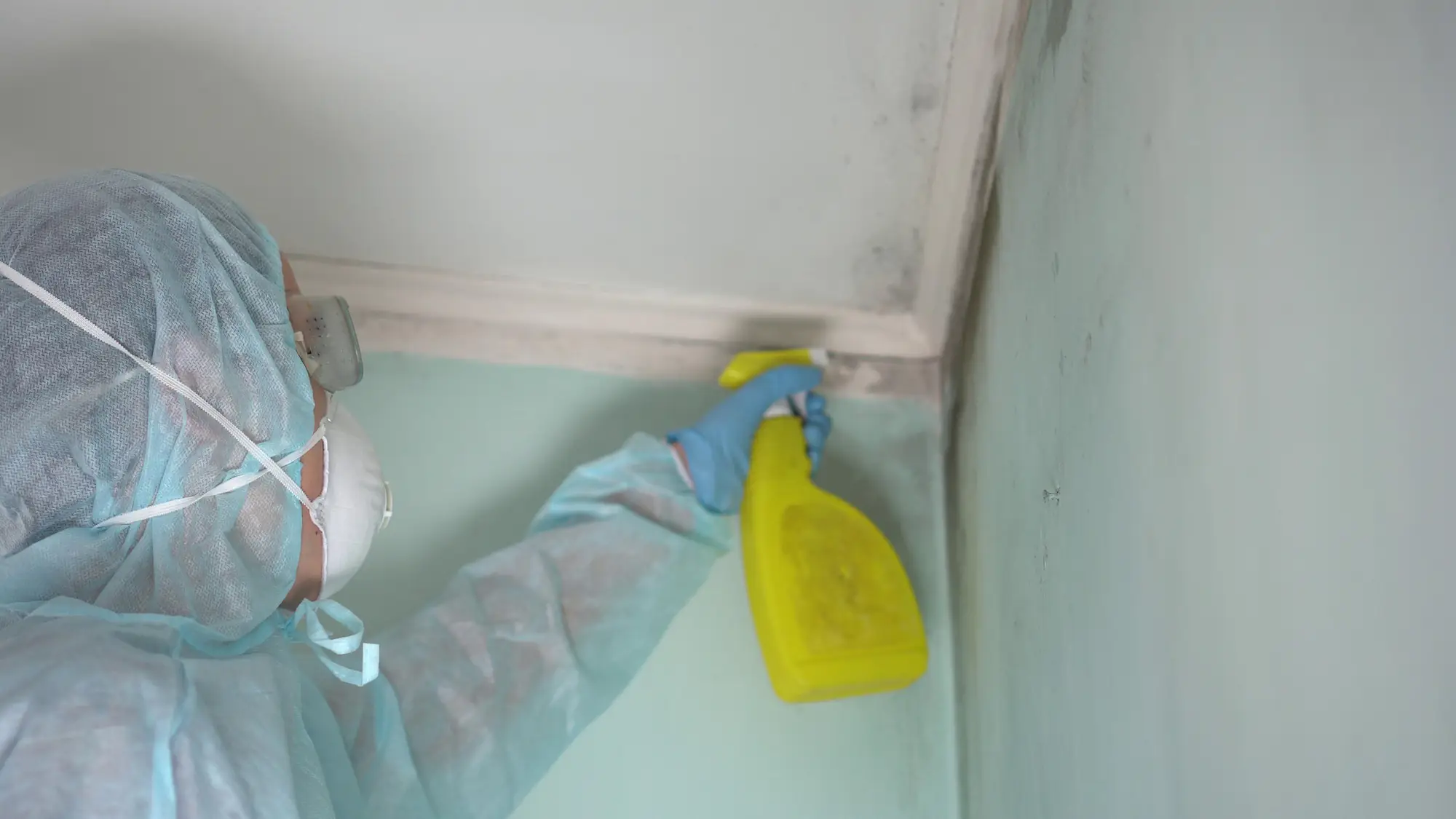
Remediation involves containing the affected area, removing contaminated materials, treating surfaces, and verifying through post-remediation testing that spore counts have returned to normal levels. We follow IICRC protocols and document everything for insurance purposes if you’re filing a claim. You’ll know the cost and timeline before any work starts, and you can use the testing documentation to get quotes from other remediation companies if you want to compare options. The test results belong to you—you’re not locked into using us for remediation just because we performed the testing.
Other Services we provide in Dolington