
Hear from Our Customers
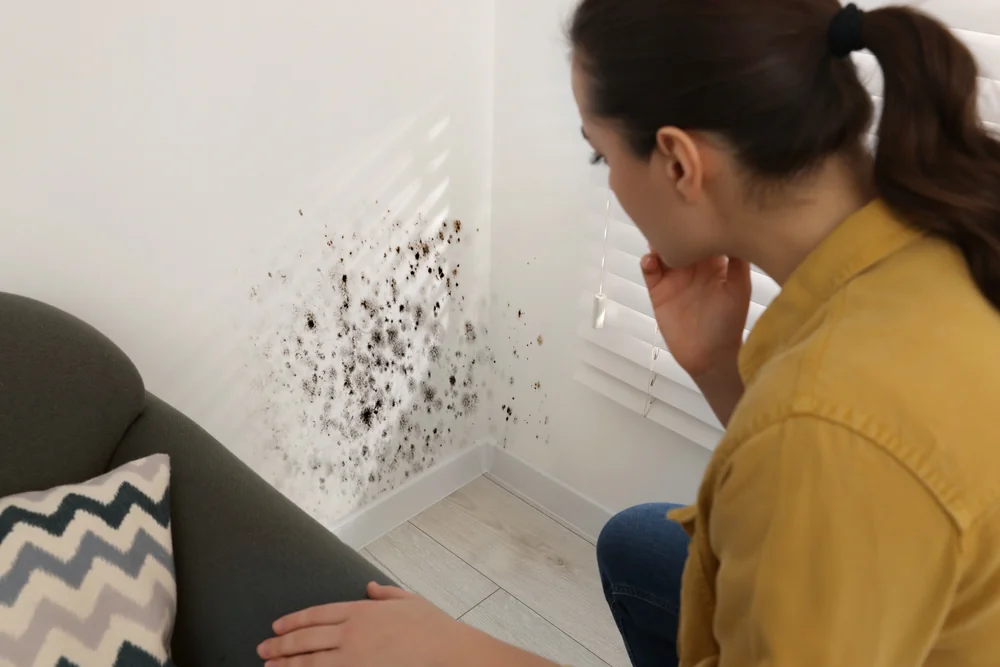
You’ve noticed the symptoms. Headaches that won’t quit. Congestion that’s worse at home than anywhere else. Your kid’s asthma flaring up more often. You keep the house clean, but something still feels wrong.
Here’s what most people don’t realize: your home can look spotless and still have serious air quality issues. Mold grows behind walls. Allergens settle in ducts. Pollutants accumulate in places you’d never think to check.
A home air quality test gives you actual data instead of guesswork. You’ll know exactly what’s in your air, where it’s coming from, and what levels you’re dealing with. That means you can fix the right problem instead of throwing money at symptoms.
When you catch issues early, you avoid the bigger problems down the road. You protect your family’s health. You prevent damage that costs thousands to repair. And if you’re buying or selling, you have documentation that answers questions before they become deal-breakers.
We’ve spent years helping Applebachsville homeowners figure out what’s actually going on with their indoor air. We’re not the biggest company in Bucks County, but we know this area and the specific issues homes here face.
Hot, humid summers in Applebachsville create perfect conditions for mold growth. Older homes have ventilation issues. Newer construction sometimes traps moisture. We’ve seen it all, and we know what to look for.
Our inspectors use the same advanced equipment every time: moisture meters, infrared cameras, surface analysis tools, and air sampling devices. You get a thorough assessment, clear documentation, and straight answers about what’s happening in your home. No upselling. No scare tactics. Just honest findings and practical next steps.

First, we walk through your home with you. You point out any areas of concern, tell us about symptoms you’ve noticed, and show us spots where you’ve seen water damage or smelled musty odors. This conversation matters because it tells us where to focus.
Next, we use infrared cameras to detect moisture and temperature variations you can’t see. We check behind walls, under floors, and in crawl spaces. Moisture is often the first clue that mold or other contaminants are present.
Then we collect air samples from different rooms and send them to a certified lab. We also take surface samples if we spot visible growth or suspect hidden contamination. The lab analysis identifies specific types of mold, measures spore counts, and detects other airborne pollutants like allergens or VOCs.
You get a detailed report within a few days. It shows exactly what we found, where we found it, and what concentration levels mean for your health. We walk you through the results and explain your options. If remediation is needed, we give you a clear plan and upfront pricing. If your air quality is fine, we tell you that too.
Ready to get started?
Your residential air quality testing includes a complete inspection of your home’s interior spaces. We test for mold spores, common allergens, humidity levels, and other airborne contaminants that affect how you feel every day.
We use multiple testing methods because different problems require different detection approaches. Air sampling catches what’s floating around. Surface testing identifies growth on walls, ceilings, or hidden areas. Moisture mapping shows where conditions are right for problems to develop.
Bucks County’s climate makes certain issues more common here. High humidity in summer months means elevated mold risk, especially in basements and bathrooms. Older homes in Applebachsville often have ventilation systems that weren’t designed for today’s tighter building envelopes. We account for these local factors when we assess your home.
You’ll receive lab-certified results that hold up for real estate transactions, insurance claims, or just your own peace of mind. The report breaks down findings by room, explains what each result means, and prioritizes issues based on health risk. If you need remediation, you’ll know exactly what needs to happen and why.
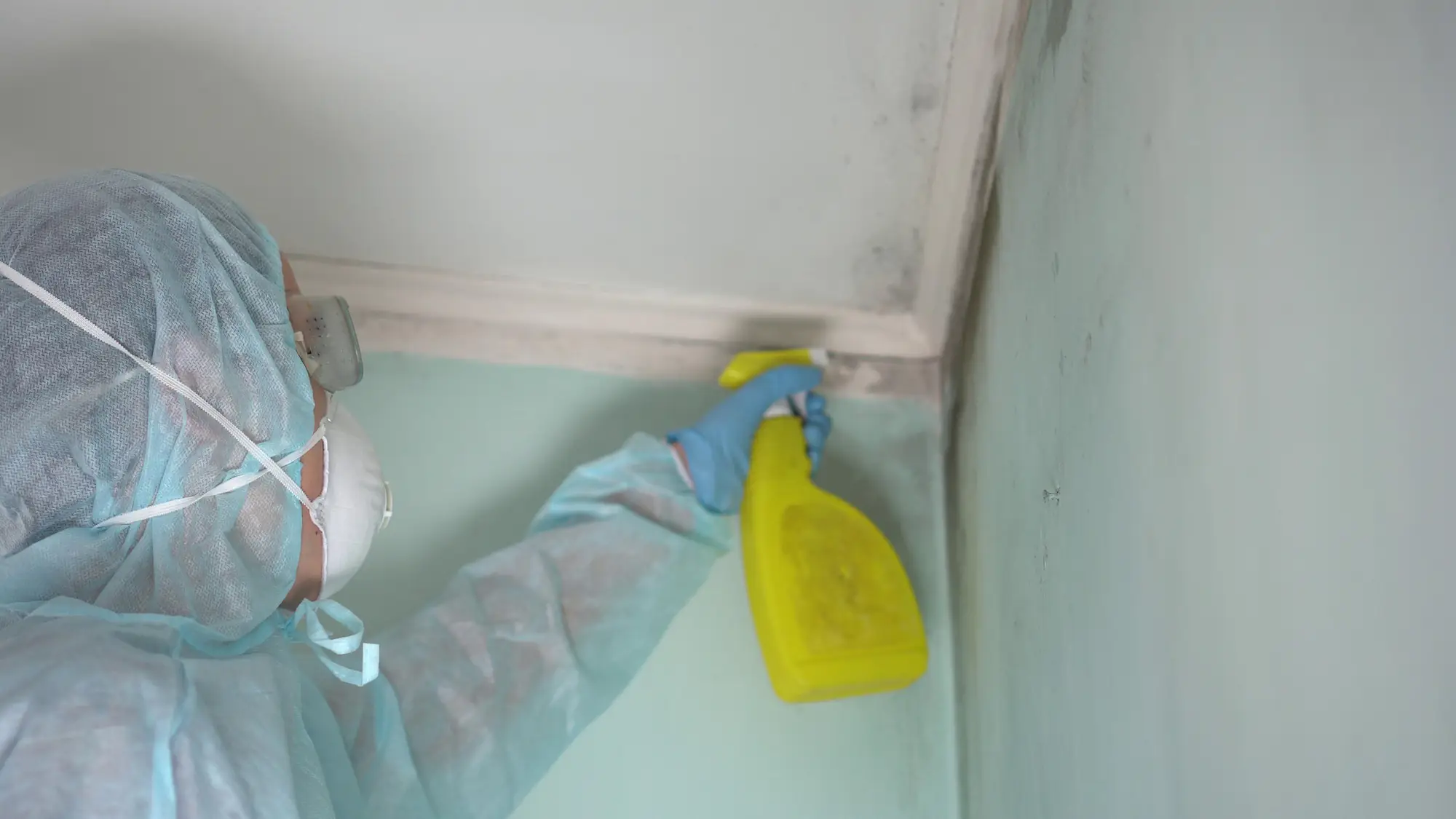
The on-site inspection and sampling usually takes two to three hours, depending on your home’s size and how many areas need testing. We’re not rushing through it.
During that time, we’re doing a visual inspection, taking moisture readings, collecting air samples from multiple rooms, and documenting everything with photos and notes. If you have specific concerns about certain areas, that might add time, but we’d rather be thorough than fast.
Lab results come back within three to five business days. Some homeowners want to be present during the whole inspection so they can ask questions and see what we’re finding. Others prefer to leave and come back. Either way works.
Our mold air test identifies the types and concentrations of mold spores in your air. The lab can pinpoint specific species, which matters because some molds are more problematic than others.
Beyond mold, we test for common allergens like dust mites, pollen, and pet dander. We measure humidity levels since high moisture creates conditions for multiple problems. If you have concerns about specific contaminants like radon or VOCs, we can add those tests.
The analysis shows whether levels are elevated compared to normal outdoor air and EPA guidelines. You’re not just getting a pass/fail result. You’re getting actual numbers that tell you how significant the problem is and whether it explains the symptoms you’ve been experiencing.
Visible mold is only part of the story. Mold grows in wall cavities, under flooring, in HVAC systems, and other places you’d never see without tearing your house apart.
If anyone in your home has unexplained respiratory symptoms, allergies that are worse indoors, or frequent headaches, that’s reason enough to test. If you’ve had any water damage, even if it was cleaned up, testing confirms whether mold developed afterward.
Home buyers often request testing before closing, especially on older properties or homes that have been vacant. Sellers sometimes test proactively to address issues before listing. And if you’re just noticing musty odors or feeling off when you’re home, professional air quality testing gives you answers instead of anxiety.
Most residential air quality testing in Applebachsville runs between $300 and $600, depending on your home’s size and how many samples you need. A basic mold air test for a small home costs less than comprehensive testing for a large property with multiple problem areas.
We offer free initial inspections so you know what you’re dealing with before committing to paid testing. During that inspection, we can often tell you whether testing is actually necessary or if the issue is obvious enough to address directly.
Lab analysis is the main cost driver since samples go to certified facilities that use specialized equipment. But you’re paying for accurate, defensible results that mean something. DIY test kits from hardware stores are cheaper, but they’re not reliable enough for real decisions about remediation or real estate transactions.
First, you get a clear explanation of what was found and what it means for your health and your home. Not all mold requires extensive remediation, and we’re not going to tell you otherwise just to sell services.
If remediation is needed, we provide a detailed estimate that breaks down the work by area and explains why each step matters. You’ll know what we’re removing, how we’re containing the work area, and what we’re doing to prevent recurrence.
We handle the remediation process from start to finish, including working with your insurance company if you’re filing a claim. After remediation, we do post-testing to confirm the air quality is back to normal levels. You get documentation of the entire process, which is important for your records and for future buyers if you ever sell.
If you’ve never had testing done and your home is more than a few years old, now is a good time. After that, most homes benefit from testing every three to five years, especially if anyone has allergies or respiratory issues.
You should test sooner if you notice new symptoms, smell musty odors, see any water damage, or make major renovations that could disturb hidden mold. After any flooding or significant leak, testing confirms whether moisture led to mold growth even if you can’t see it.
Homes in Applebachsville face higher humidity during summer months, which increases mold risk over time. If your basement stays damp or your HVAC system is older, more frequent testing catches problems before they become expensive. Think of it like any other home maintenance—catching issues early costs less than waiting until symptoms force your hand.
Other Services we provide in Applebachsville