
Hear from Our Customers
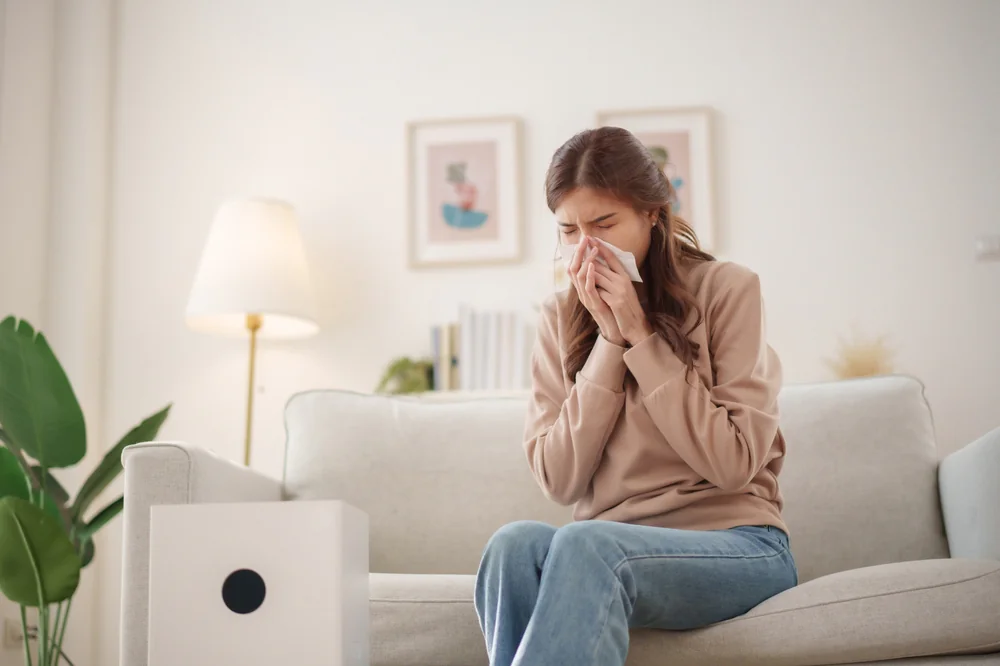
You shouldn’t have to wonder if that musty smell means something serious. Or why your kid’s allergies flare up every night. Or if the headaches that disappear when you leave the house are just coincidence.
A home air quality test tells you exactly what’s in your air. Mold spores, allergens, VOCs—the stuff you can’t see but definitely feel. Within 48 hours, you get a report that explains what we found and what it means for your family.
No more guessing. No more “maybe it’s nothing.” Just clear information about whether your air is safe, and if it’s not, what needs to happen next. That’s what testing does—it gives you answers so you can make decisions based on facts, not worry.
We’ve spent over twenty years finding air quality problems in homes across Chalfont and Bucks County. We know what Pennsylvania’s humid summers and damp basements do to indoor air. We’ve seen the mold that grows behind finished walls, the allergen buildup in HVAC systems, and the moisture issues that come with older homes in this area.
What matters to you is this: we’re not the company that did your remediation work, which means our testing results are completely unbiased. When you’re protecting your investment and your family’s health, you need testing you can actually trust. We use EPA-approved methods, certified lab analysis, and equipment that catches what visual inspections miss.
First, we walk through your home and identify areas where air quality issues typically show up—basements, bathrooms, areas with past water damage, anywhere moisture tends to collect. We’re looking for visible signs, but more importantly, we’re testing for what you can’t see.
We collect air samples using professional-grade equipment. These samples get sent to a certified laboratory that specializes in indoor air quality analysis. They’re testing for mold spores, allergen levels, and other airborne contaminants that affect how you feel at home.
Within 24 to 48 hours, you get a detailed report. Not a bunch of confusing charts—a clear explanation of what we found, what the numbers mean, and specific recommendations for what to do next. If your air is fine, we tell you that. If there’s a problem, we explain exactly what needs to happen to fix it. No upselling, no scare tactics, just honest information.
Ready to get started?
Your residential air quality testing includes a complete visual inspection using moisture meters and infrared cameras to find hidden problems. We collect multiple air samples—typically an outside control sample plus samples from problem areas inside your home. This comparison shows us whether your indoor air quality is normal or if something’s off.
The testing covers mold spores, common allergens, and volatile organic compounds that affect respiratory health. In Bucks County, we pay special attention to basement moisture issues and the mold growth that comes with Pennsylvania’s climate. Humid summers create perfect conditions for mold, and many homes in Chalfont deal with inadequate ventilation in finished basements.
You also get certified laboratory analysis and a written report that explains everything in plain language. If you’re buying or selling a home, this documentation satisfies insurance requirements and gives you leverage in negotiations. If you recently had remediation work done, our post-remediation testing verifies the job was completed properly. Either way, you’re getting unbiased results from a company that doesn’t profit from finding problems.
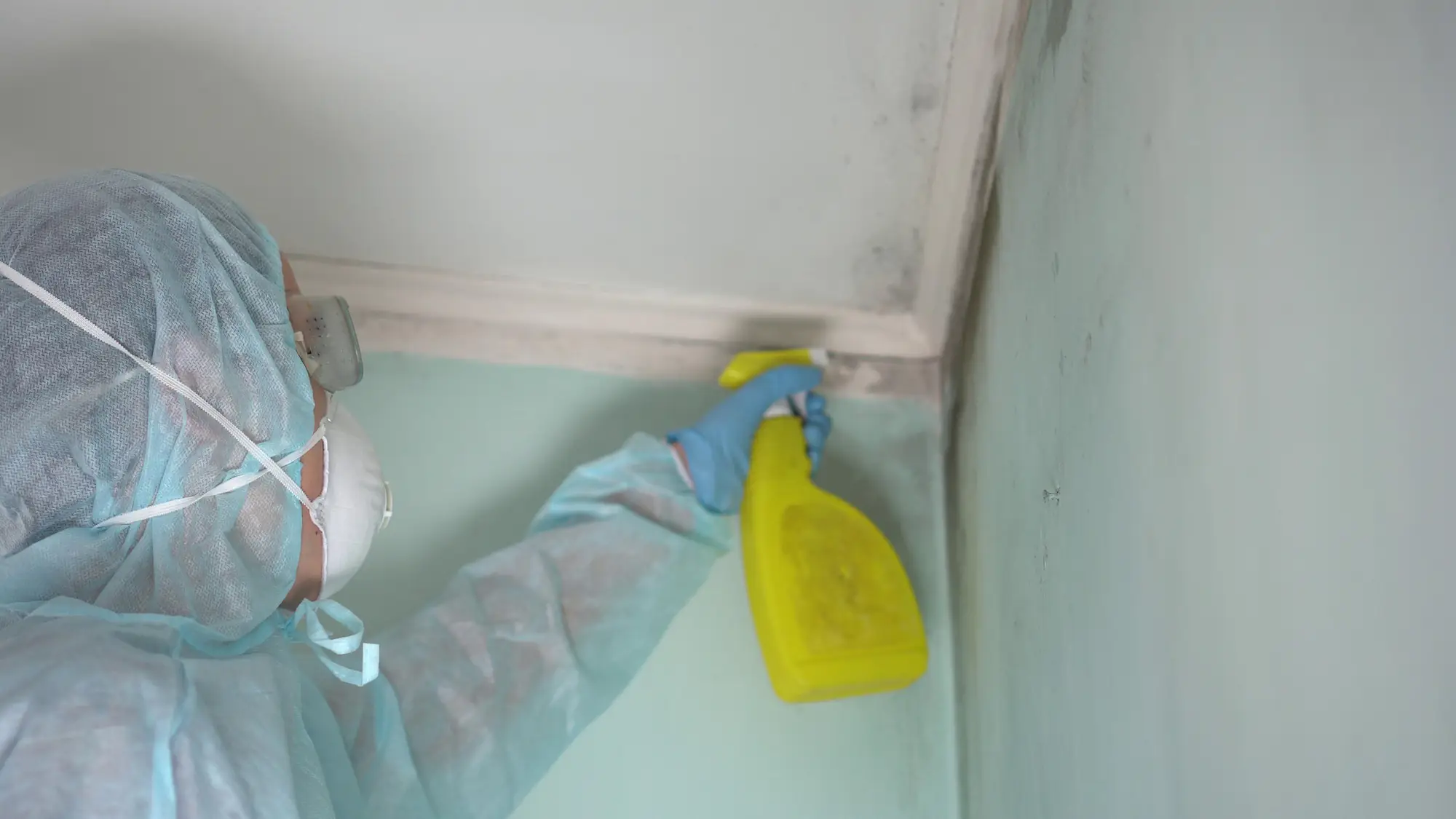
A standard mold air test in Chalfont starts around $350 for a complete visual inspection with moisture detection and two air samples. That includes an outside control sample and one inside sample, which gives you a baseline comparison of what’s normal in your area versus what’s happening inside your home.
If you need additional samples from multiple rooms or suspect problems in several areas, the cost goes up based on how many samples we collect. Most homeowners in Bucks County pay between $300 and $650 for comprehensive testing, depending on the size of their home and the scope of concerns.
The investment makes sense when you consider what you’re getting—certified lab analysis, professional-grade equipment, and clear documentation that tells you whether you have a problem worth fixing. It’s a lot cheaper than guessing wrong and either ignoring a real health hazard or paying for remediation you didn’t actually need.
Indoor air quality testing detects mold spores, allergens like pollen and dust mites, and volatile organic compounds that come from building materials, cleaning products, and other sources. We’re measuring what’s floating around in the air you breathe every day.
The mold testing is particularly important in Pennsylvania’s climate. We’re checking spore counts and identifying specific types of mold, because some varieties cause more health problems than others. High spore counts inside compared to outside levels tell us whether you have active mold growth somewhere in your home.
For allergens and VOCs, we’re looking at whether levels are high enough to cause the symptoms you’re experiencing—respiratory issues, headaches, fatigue, congestion that won’t quit. The lab analysis breaks down exactly what’s present and at what concentration, so you know whether your air quality is within normal ranges or if something needs attention.
You’ll have results within 24 to 48 hours after we collect samples. The timeline depends on the lab’s current workload, but most reports come back within two days.
Once we receive the lab analysis, we put together a detailed report that explains what we found in language that actually makes sense. You’re not getting a bunch of technical jargon—you’re getting clear information about whether your air quality is normal, what specific contaminants showed up, and what the numbers mean for your family’s health.
If we find elevated mold levels or other concerning contaminants, the report includes specific recommendations for next steps. If your air tests clean, we tell you that too. The goal is giving you accurate information quickly so you can make decisions without sitting around worrying for a week.
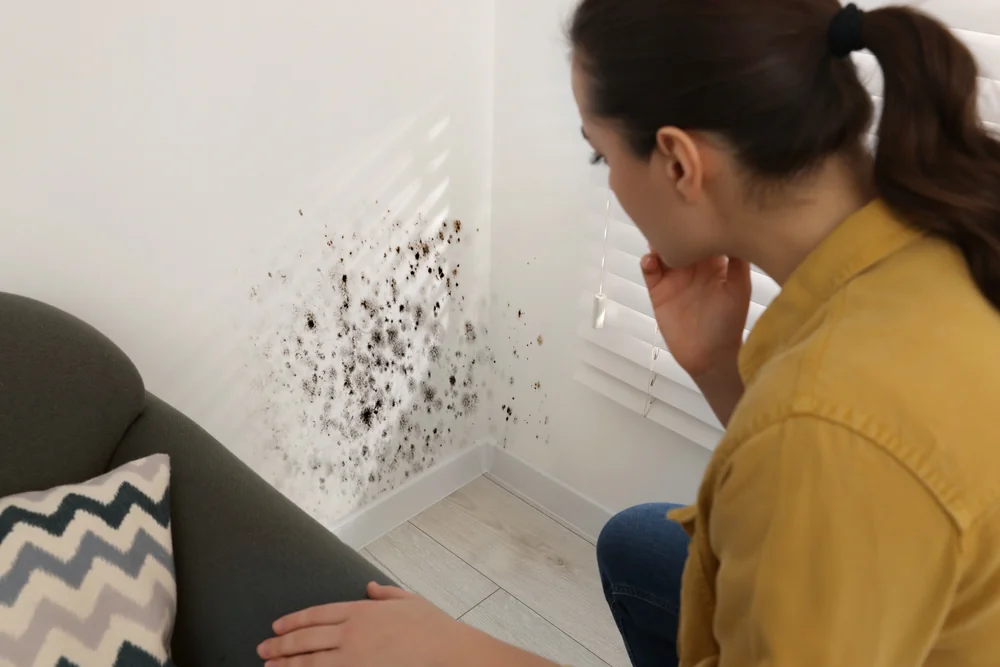
Yes, because the mold you can’t see is often the bigger problem. Mold grows inside walls, under flooring, in HVAC systems, and in other hidden areas where moisture collects. You might not see anything wrong but still have elevated spore counts affecting your health.
If anyone in your home has unexplained respiratory symptoms, allergies that seem worse indoors, or headaches that improve when you leave the house, testing tells you whether poor air quality is the cause. It’s especially important in Bucks County homes with finished basements, past water damage, or that musty smell that never quite goes away.
Testing is also critical before buying a home or after remediation work. You need documentation that shows what’s actually in the air, not just what things look like on the surface. A clean-looking basement can still have mold problems, and the only way to know for sure is professional testing with lab analysis.
A mold inspection is a visual assessment where we look for visible mold, moisture problems, and conditions that promote mold growth. We use moisture meters and infrared cameras to find hidden issues, but we’re primarily checking what we can see and measure on surfaces.
Air quality testing goes further by collecting actual air samples and sending them to a lab for analysis. This tells you what’s floating around in your air—mold spores, allergens, VOCs—even if there’s no visible growth. The lab identifies specific types of mold and measures concentration levels, which gives you hard data about whether your indoor air quality is acceptable.
Most comprehensive assessments include both. The inspection finds visible problems and likely sources, while the air testing confirms whether those problems are affecting your air quality. For homes in Chalfont where mold might be hidden behind finished walls or in crawl spaces, air testing catches what visual inspections miss. You get the complete picture instead of just part of the story.
Absolutely. Post-remediation testing is the only way to verify the work was done properly and your air is actually safe. Without testing, you’re taking the remediation company’s word that they fixed the problem—and if they missed something, you’re still breathing contaminated air.
We collect air samples after remediation is complete and compare them to outdoor baseline levels. If spore counts are back to normal and match what’s naturally occurring outside, the remediation was successful. If levels are still elevated, there’s more work to do before you can consider the problem solved.
This testing protects your investment and your family’s health. It also provides documentation for insurance claims and proves the remediation company fulfilled their contract. Since we’re not the company that did the remediation work, our results are completely unbiased. You get honest answers about whether your home is safe, not a report designed to make someone else look good.
Other Services we provide in Chalfont