
Hear from Our Customers
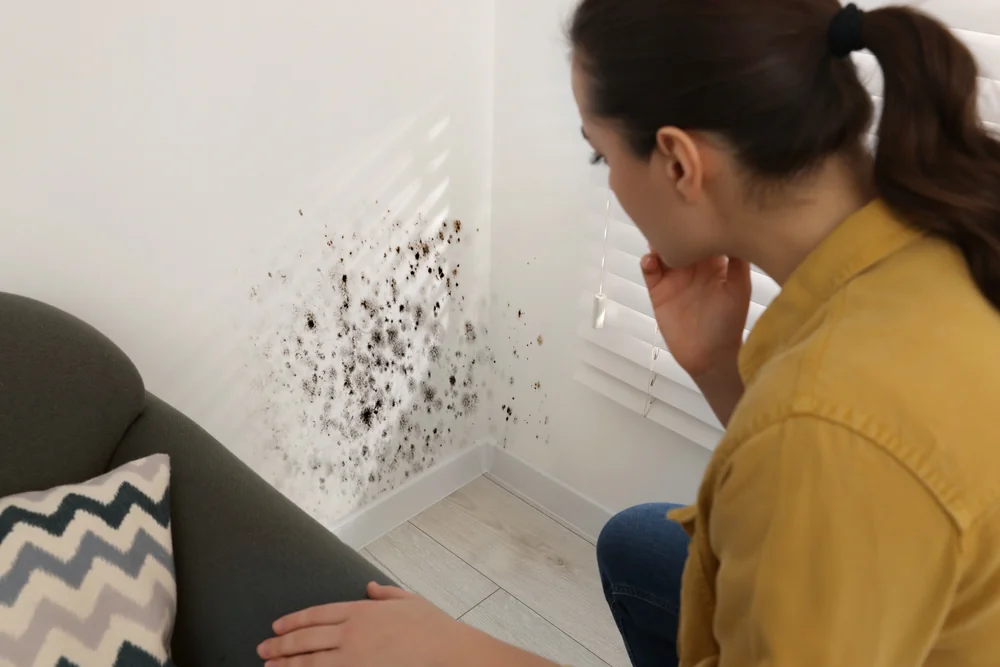
You can’t see mold spores. You can’t smell radon. And you definitely can’t tell if your home’s air is making your family sick just by walking through the rooms.
That’s the problem with indoor air quality—by the time you notice symptoms, you’ve already been breathing contaminated air for weeks or months. Headaches that won’t quit. Allergies that seem worse at home than anywhere else. Kids with respiratory issues that doctors can’t quite explain.
A professional air quality test gives you the data you need to stop guessing. We test for mold spores, radon gas, volatile organic compounds, formaldehyde, and other pollutants that show up in Philadelphia’s older housing stock. You get lab results that tell you exactly what’s present, at what concentration, and whether it’s something that needs immediate attention.
Most importantly, you get clarity. Either your air is fine and you can stop worrying, or you know exactly what needs to be fixed and why.
We’ve spent more than a decade and a half working inside Fitler Square’s historic rowhomes, understanding how these buildings breathe and where problems hide.
Philadelphia’s housing stock is different. You’re dealing with homes built in the 1800s and early 1900s—structures that weren’t designed with modern ventilation or moisture barriers. Add in the city’s humid summers and the fact that 97% of Fitler Square properties face extreme flood risk, and you’ve got conditions where air quality issues aren’t just possible—they’re likely.
We run EPA-certified testing protocols and send samples to independent labs. No guesswork. No upselling services you don’t need. Just accurate data about what’s in your air, delivered within 24 hours so you can make informed decisions about your home and your family’s health.
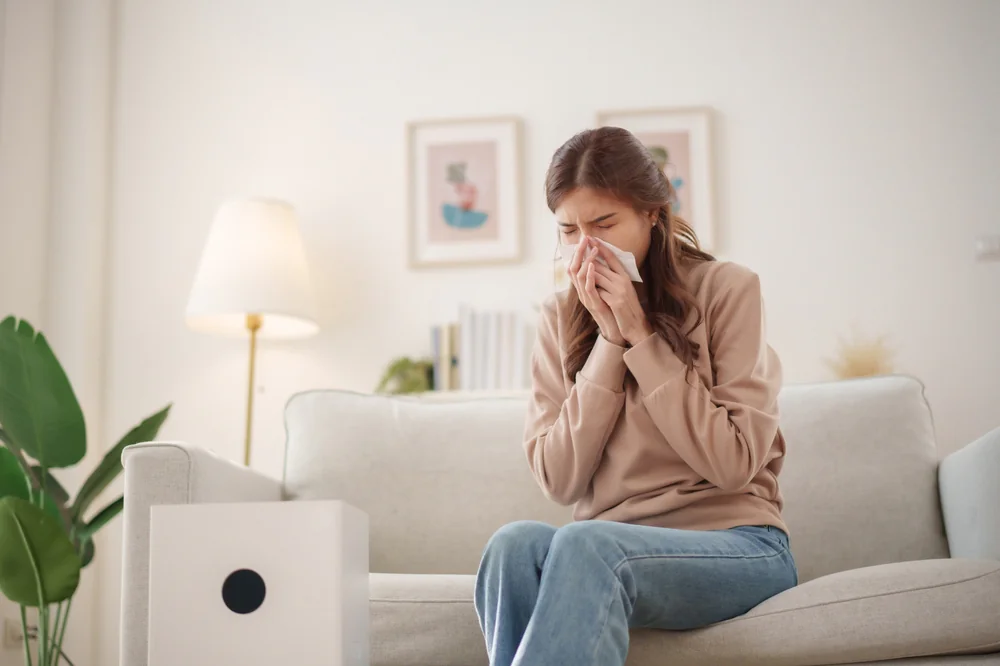
We start with a phone call or message from you. You tell us what you’re noticing—musty smells, health symptoms, visible moisture, or just concern about your home’s age and condition.
We schedule a time that works for you, usually within 24 hours. When we arrive, we walk through your home and identify the areas that need testing based on your concerns and what we observe. This isn’t a one-size-fits-all approach—a finished basement gets different attention than a third-floor bedroom.
We collect air samples using calibrated equipment that captures airborne particles and gases. For mold testing, we’re measuring spore counts and identifying species. For radon, we’re looking at gas concentrations. For VOCs and formaldehyde, we’re testing chemical off-gassing from building materials, furniture, or prior renovations.
Samples go to an independent lab for analysis. You get a detailed report within 24 hours that breaks down exactly what was found, at what levels, and what those numbers actually mean for your health and home. We walk you through the results and explain your options—whether that’s remediation, ventilation improvements, or confirmation that your air quality is fine.
Ready to get started?
A home air quality test from us covers the pollutants that actually show up in Philadelphia’s housing stock.
Mold spores are the most common concern. We identify species and concentration levels, which matters because some molds are allergenic while others produce mycotoxins. Knowing what you’re dealing with determines how urgent remediation needs to be.
Radon testing is critical in this area. Radon is an odorless radioactive gas that seeps through foundation cracks and is the second leading cause of lung cancer in the United States. Older homes with stone foundations and basement moisture issues are particularly vulnerable.
We also test for volatile organic compounds—chemicals that off-gas from paints, adhesives, cleaning products, and building materials. In renovated historic homes, VOC levels can spike from new finishes applied over old materials. Formaldehyde is another common offender, especially in homes with newer cabinetry or flooring.
Philadelphia’s air quality has gotten worse over the past few years—the metro area now ranks 26th worst in the country for outdoor air pollution. That means your indoor air quality matters even more. When outdoor air is compromised, your home should be a refuge, not another source of exposure.
Testing gives you a baseline. You know what you’re starting with, and you know whether the steps you take—better ventilation, dehumidification, remediation—are actually working.
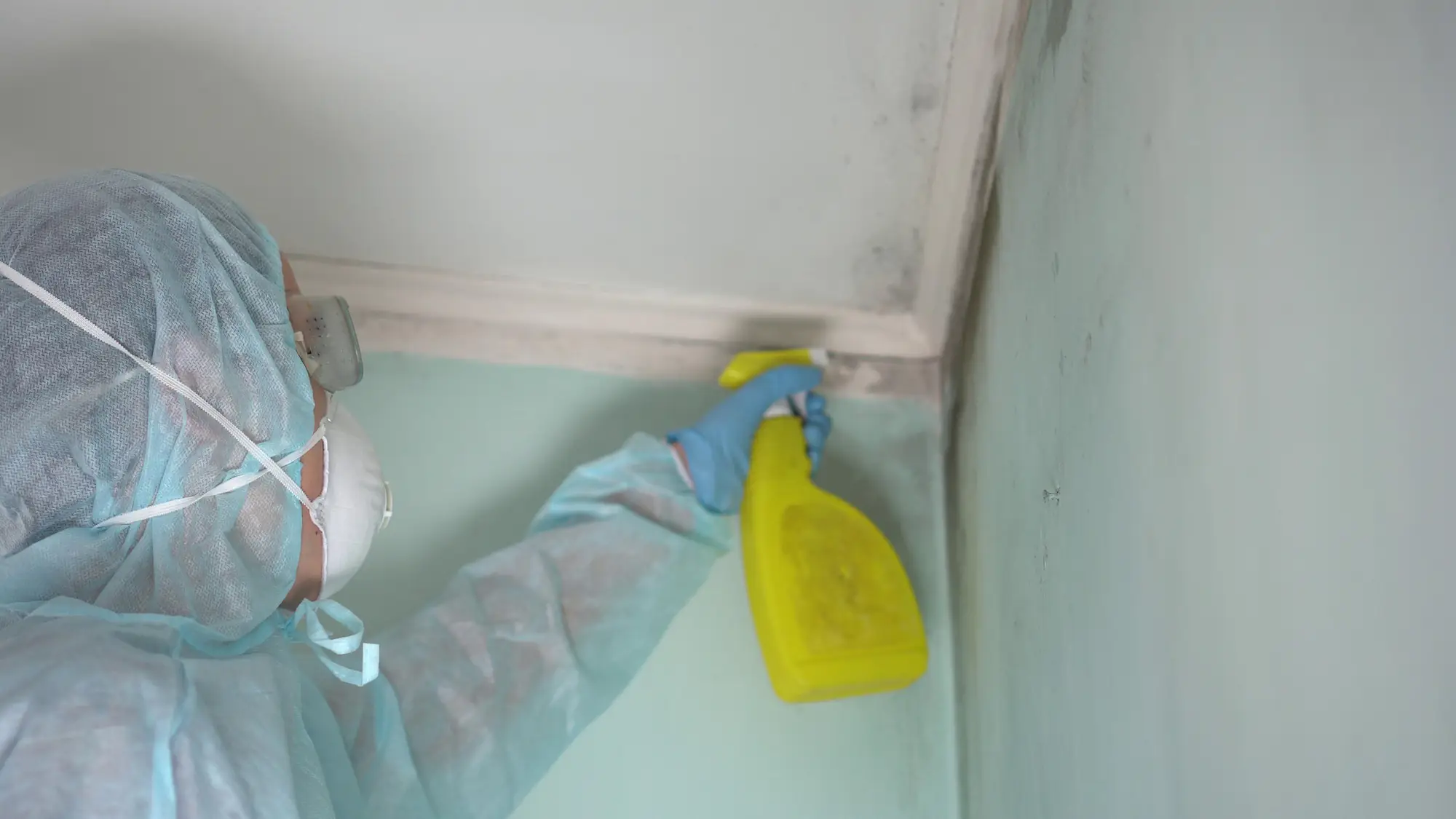
The actual testing appointment usually takes between 45 minutes and 90 minutes, depending on your home’s size and how many areas need sampling.
We’re not rushing through your house with a checklist. We’re looking at your specific concerns—whether that’s a basement that floods during heavy rain, a bathroom with poor ventilation, or a bedroom where someone’s been waking up congested. Each area gets individual attention.
For mold air testing, we collect samples from multiple locations to compare indoor spore counts against outdoor baseline levels. For radon, we place monitors in the lowest lived-in level of your home. VOC and formaldehyde testing involves capturing air samples in collection devices that get sealed and sent to the lab.
You don’t need to leave during testing. Most people stick around to ask questions and point out areas they’re concerned about. The results come back from the lab within 24 hours, and we schedule a call or follow-up visit to walk you through what was found.
DIY kits test whether mold is present. Professional testing tells you what type of mold, how much, and whether it’s actually a problem.
Here’s what happens with most home test kits: you open a petri dish, let it sit for a few days, seal it up, and send it to a lab. The lab confirms that yes, mold grew on the dish. But that doesn’t tell you much—mold spores are everywhere, indoors and out. The question isn’t whether mold exists in your home. It’s whether the concentration is abnormal and whether the species present are hazardous.
Professional air quality testing uses calibrated equipment to measure spore counts per cubic meter of air. We compare your indoor levels to outdoor baseline samples collected the same day. If your indoor count is significantly higher, that indicates an active problem. If it’s roughly the same as outdoor levels, your home is likely fine.
We also identify species. Some molds are just allergenic. Others—like Stachybotrys, commonly called black mold—produce mycotoxins and require immediate remediation. A DIY kit won’t make that distinction.
The same principle applies to radon, VOCs, and other pollutants. Professional testing gives you data accurate enough to make decisions about your family’s health and your home’s safety.
Visible mold is one reason to test. But plenty of air quality problems happen behind walls, under floors, or in HVAC systems where you’ll never see them.
Mold grows wherever there’s moisture and organic material. In Fitler Square’s historic homes, that often means inside wall cavities where old plaster meets exterior brick, in crawl spaces with dirt floors, or in ductwork that’s accumulated years of dust and condensation. You won’t see any of it, but you’ll breathe the spores every time your HVAC system kicks on.
The same goes for radon. It’s a gas—you can’t see it, smell it, or taste it. The only way to know if it’s present is to test. Given that radon enters through foundation cracks and Fitler Square sits on older building stock with stone and brick foundations, testing isn’t optional if you care about long-term cancer risk.
Health symptoms are often the first indicator that something’s wrong with your indoor air. If anyone in your home is dealing with unexplained respiratory issues, persistent headaches, or allergies that improve when they leave the house, testing gives you answers. You’re either ruling out air quality as the cause, or you’re identifying the specific pollutant so you can fix it.
Cost depends on what you’re testing for and how many areas need sampling, but most residential air quality tests range from a few hundred dollars to around $800 for comprehensive analysis.
A basic mold air test—sampling two or three locations plus an outdoor control sample—usually runs between $300 and $500. If you’re adding radon testing, VOC analysis, or formaldehyde testing, the price goes up because each requires different equipment and lab work.
We give you upfront pricing before we start. No surprises, no hidden fees. You’ll know exactly what the testing costs and what you’re getting for that price—lab analysis, a detailed report, and a consultation to review the findings.
Some people see that number and try to skip testing, hoping the problem will resolve on its own or that they can handle it with a dehumidifier and some bleach. That’s a gamble. If you’ve got an active mold problem or elevated radon levels, delaying testing just extends your exposure. And if you’re dealing with a property transaction—buying or selling a home in Fitler Square’s million-dollar market—professional testing protects your investment and gives you documentation that satisfies insurance and legal requirements.
Testing is cheaper than remediation. And remediation is cheaper than the medical bills or property damage that come from ignoring air quality issues.
Yes. Professional air quality testing provides the documentation you need for insurance claims, property disclosures, and buyer-seller negotiations.
If you’ve had water damage—whether from Philadelphia’s increasingly common flooding, a burst pipe, or a roof leak—your insurance company will want proof that mold remediation was necessary. A professional mold air test showing elevated spore counts and hazardous species gives you that proof. Without it, you’re fighting an uphill battle to get your claim approved.
For real estate transactions, air quality testing protects both buyers and sellers. If you’re selling a Fitler Square home, testing before listing lets you address problems proactively rather than losing a buyer during inspection. If you’re buying, testing gives you leverage to negotiate repairs or price reductions if issues are found.
Pennsylvania law requires disclosure of known mold contamination. A professional test creates a clear record—either confirming that air quality is acceptable or documenting the problem so it can be remediated properly. That protects you from future liability and ensures the next owner isn’t walking into a health hazard.
Given that Fitler Square properties average over $950,000, the cost of air quality testing is a small percentage of the transaction value. It’s due diligence that prevents much bigger problems down the road.
We walk you through the report, explain what the numbers mean, and give you clear options for what to do next.
Lab reports can be dense—spore counts, species names, concentration levels in parts per billion. We translate that into plain language. You’ll know whether your results are within normal range, slightly elevated, or require immediate action.
If the test shows a problem, we identify the likely source. High mold counts usually point to a moisture issue—leaking pipes, poor ventilation, basement seepage, or HVAC condensation. Elevated radon means foundation gaps or cracks that need sealing and possibly a mitigation system. High VOC levels might indicate off-gassing from recent renovations or the need for better ventilation.
From there, you decide what happens. We can handle remediation if that’s what’s needed, but we’re not pushing services you don’t need. Some situations require professional intervention. Others can be managed with improved ventilation, dehumidification, or minor repairs you can handle yourself.
The goal is to give you enough information to make an informed decision. Your home, your health, your budget—you’re in control. We just provide the data and the expertise to interpret it.
Other Services we provide in Fitler Square