

Hear from Our Customers
You’ve noticed the musty smell in your basement. Maybe there’s discoloration on your bathroom ceiling. Someone in your family has been coughing more than usual, and you can’t pin down why.
Here’s what you need: accurate information about what’s actually growing in your home, where it’s coming from, and how serious the problem is. Not a sales pitch disguised as an inspection. Not someone who profits from finding problems.
Mold testing gives you lab-verified species identification, spore concentration levels, and moisture readings that show you the full picture. You’ll know if that dark spot is toxic black mold or just surface mildew. You’ll see documentation that works for insurance claims or real estate negotiations. Most importantly, you’ll know whether you need a $5,000 remediation project or just better ventilation and a dehumidifier.
In Fitler Square, where 63% of homes were built before 1939 and flooding risk affects 97% of properties, your historic rowhome faces real moisture challenges. Professional testing identifies problems before they spread through shared walls or compromise your significant real estate investment.
That separation matters because it means our findings aren’t tied to selling you remediation work. We’ve been doing mold inspections across Philadelphia for over 15 years, and we’re certified through InterNACHI with two decades of construction experience.
We know South Philadelphia’s rowhomes. The shared walls, the basement moisture from being near the Delaware, the humidity that hits every summer. We’ve inspected over 2,000 properties in this region, and we understand how these historic buildings behave when moisture gets in.
You’re paying for accuracy and documentation you can trust. Our reports go to independent labs that identify exact species and concentration levels. No upselling, no conflict of interest, just the information you need to make an informed decision about your Fitler Square home.
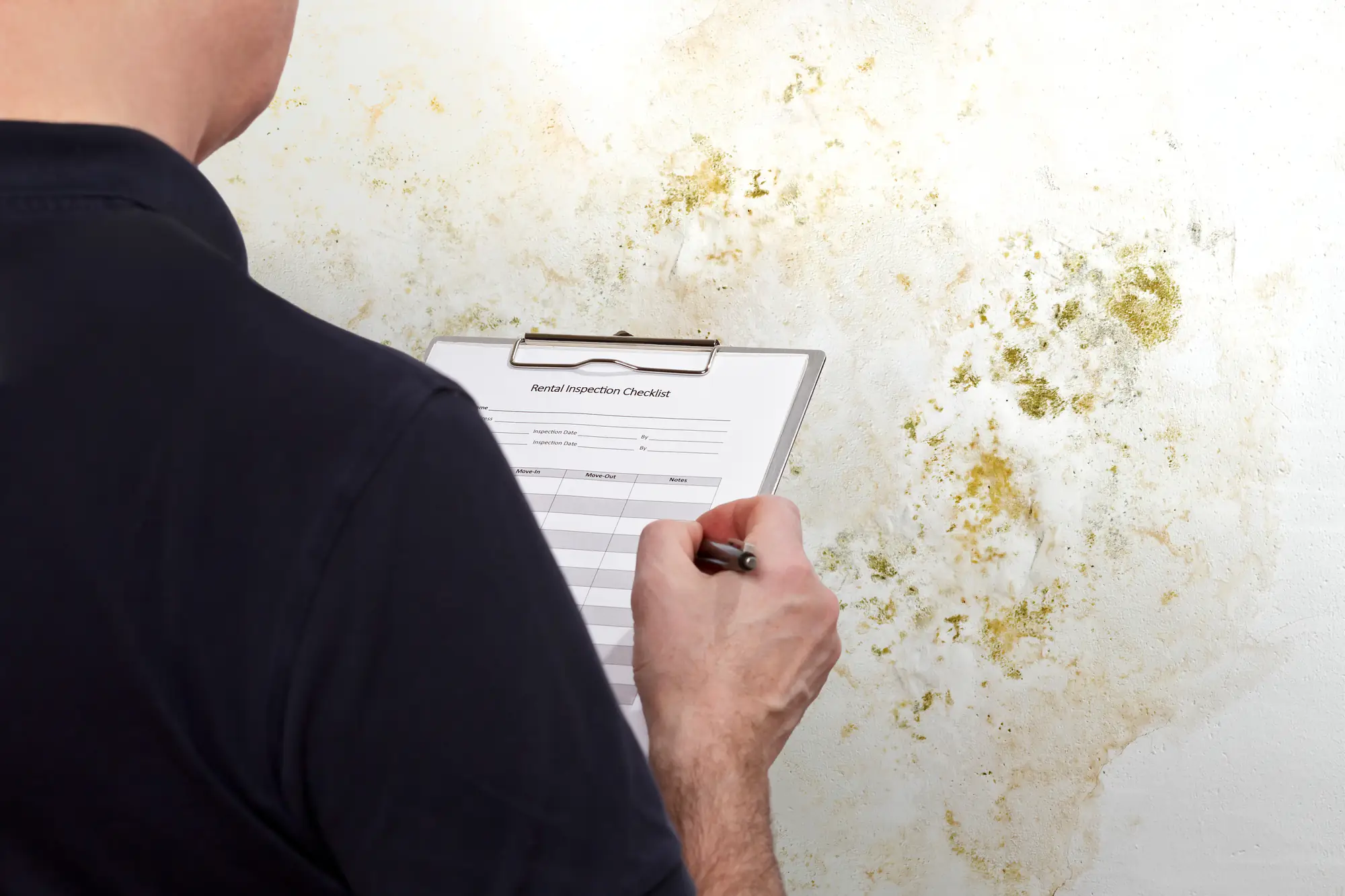
We start with a visual inspection of your property, looking for visible growth, water damage, and conditions that support mold development. This includes checking basements, bathrooms, attics, and anywhere moisture tends to accumulate in these older homes.
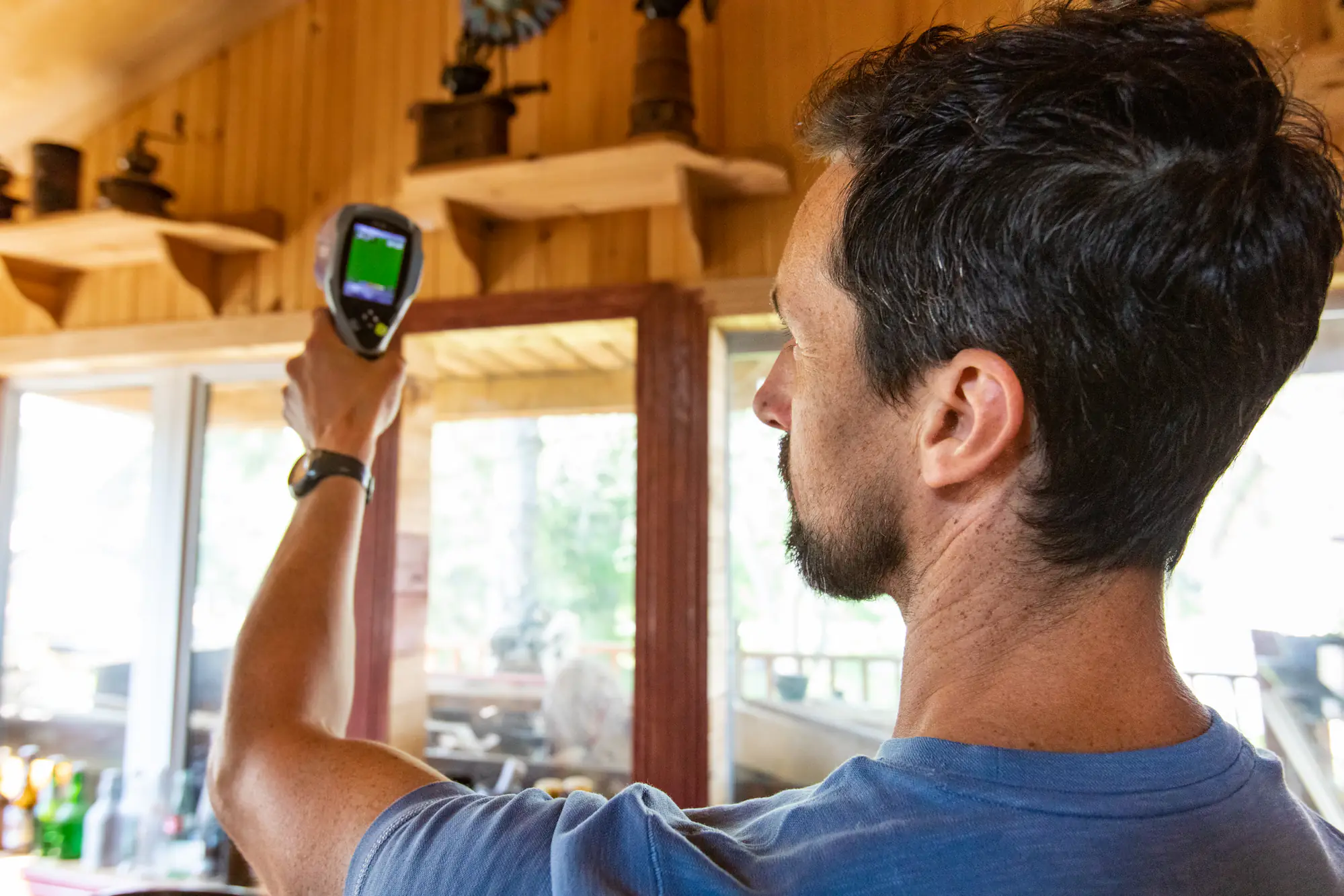
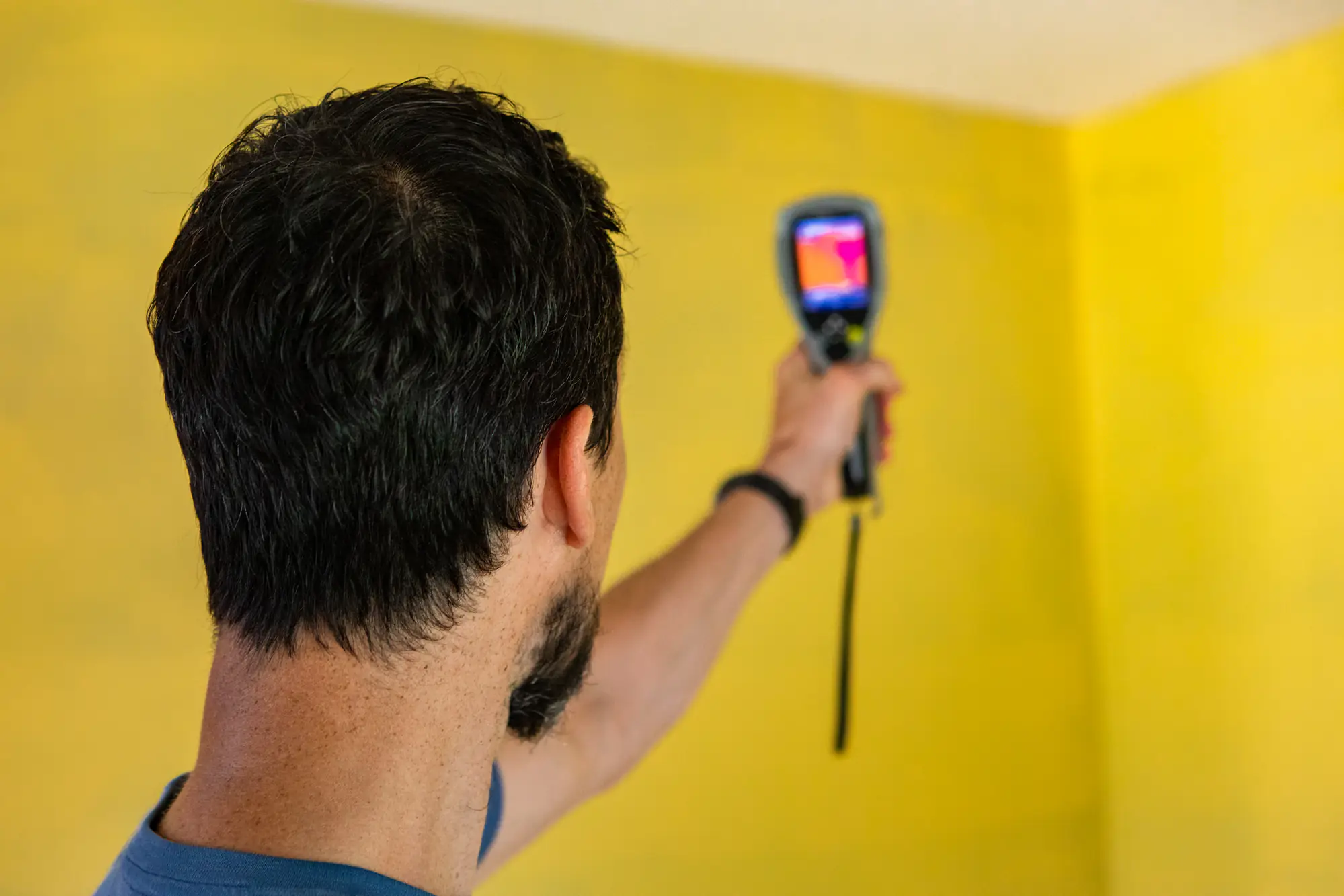
Next, we use moisture meters and thermal imaging to find hidden problem areas behind walls or under floors. These tools show us where water is getting in, even if you can’t see it yet. We take air samples from inside your home and compare them to outdoor baseline levels to measure spore concentrations.
All samples go to an independent laboratory for analysis. They identify the specific mold species present and measure contamination levels. You get a detailed written report that breaks down what we found, where the moisture is coming from, and what the lab results mean for your situation.
The whole process typically takes a few hours for a standard Fitler Square rowhome. Lab results come back within three to seven days. Then you’ll know exactly what you’re dealing with and can make decisions based on facts, not fear.
Ready to get started?
A complete mold inspection covers visual assessment of your entire property, moisture readings with calibrated meters, thermal imaging to detect hidden water intrusion, and air sampling that captures spore levels in your indoor environment. We also take surface samples if we find visible growth that needs species identification.
Everything gets sent to an accredited independent laboratory. They run the analysis and provide detailed results showing which mold species are present and at what concentration levels. You receive a comprehensive written report that documents our findings, includes all lab results, and explains what the data means in plain language.
For Fitler Square homeowners, this documentation is especially valuable. Your historic property faces unique challenges from aging infrastructure, proximity to the Schuylkill River, and Philadelphia’s humid climate. Insurance companies want to see professional testing before they’ll cover remediation costs. Real estate transactions often require mold inspections, and having unbiased results gives you negotiating power.
Most residential mold testing in this area runs between $400 and $500 for a typical rowhome. That covers the inspection, moisture assessment, air sampling, lab analysis, and full report. It’s a small investment compared to unnecessary remediation work or ongoing health problems from undetected mold growth.
You need testing if you smell musty odors you can’t locate, see visible discoloration or growth, have unexplained respiratory symptoms, experienced water damage or flooding, or you’re buying or selling a home in Fitler Square. Testing is also smart if you live in a pre-1939 rowhome with basement moisture issues.
The 2004 Institute of Medicine found sufficient evidence linking indoor mold exposure to respiratory symptoms, coughing, and wheezing in healthy people, plus worsened asthma in people who already have it. If someone in your household is experiencing these symptoms without clear cause, testing identifies whether mold is the problem.
Testing also makes sense before you spend money on remediation. Some companies offer free inspections, but they’re tied to selling you removal services. Independent testing costs a few hundred dollars upfront and can save you thousands by confirming whether you actually need professional remediation or just improved ventilation.
A mold inspection is the visual assessment and moisture detection work we do on-site. Mold testing refers specifically to collecting samples and sending them to a lab for species identification and spore concentration analysis. Most professional services include both as part of a complete assessment.
The inspection part uses moisture meters, thermal imaging, and visual examination to find problem areas and moisture sources. The testing part collects air samples and surface samples that get analyzed in a laboratory. You need both to get the full picture.
Air sampling measures spore levels in your indoor environment and compares them to outdoor baseline levels. Surface sampling identifies specific species when we find visible growth. The lab results tell you exactly what type of mold is present, whether it’s a toxic variety like Stachybotrys (black mold), and how severe the contamination is. That information determines whether you need professional remediation or can handle the problem yourself.
The on-site inspection typically takes two to four hours for a standard Fitler Square rowhome, depending on the size and how many areas need sampling. We can usually schedule your inspection within a few days of your call.
Lab analysis takes three to seven days after we collect samples. The timeline depends on the lab’s current workload and how many samples we sent. Rush processing is available if you’re in a time-sensitive situation like a real estate transaction, but it costs extra.
You’ll receive a complete written report once lab results come back. The report includes our inspection findings, moisture readings, all laboratory data showing species identification and spore concentrations, and our assessment of what the results mean for your property. We’re available to walk through the report with you and answer questions about next steps.
Insurance coverage depends on what caused the mold growth. If it resulted from a covered peril like a sudden pipe burst or storm damage, most policies will cover both testing and remediation. If it developed from long-term maintenance issues like a slow leak you didn’t fix, coverage is unlikely.
Insurance companies require professional documentation before they’ll approve claims. That means you need a mold inspection with lab results showing species type and contamination levels. Our reports meet insurance requirements, and we can work directly with your adjuster if they have questions.
The key is acting quickly when you discover water damage. Document everything, start the claims process immediately, and get professional testing done within a reasonable timeframe. Waiting too long or trying to handle it yourself first can give insurers reason to deny coverage. For Fitler Square properties facing flood risk, review your policy to understand what’s covered and consider additional flood insurance if you don’t have it.
Home test kits will tell you that mold is present, but they won’t tell you what species, how much, or where it’s coming from. They also can’t identify hidden moisture problems or give you documentation that works for insurance or real estate purposes.
The bigger issue is that mold spores exist everywhere. A home kit will almost always show positive results because it’s just collecting whatever’s in the air. Without baseline outdoor comparison and professional interpretation, that information isn’t useful. You need to know if your indoor spore levels are elevated compared to normal outdoor levels.
Professional testing uses calibrated equipment, controlled sampling methods, and accredited laboratory analysis. We measure moisture levels to find the source, use thermal imaging to detect hidden water intrusion, and provide detailed reports that actually help you solve the problem. For a few hundred dollars more than a home kit, you get actionable information instead of just confirmation that mold exists somewhere in your house.
If lab results identify Stachybotrys chartarum (toxic black mold) or other hazardous species at elevated concentrations, you’ll need professional remediation. Our report will document the species, contamination levels, affected areas, and moisture sources so you know exactly what needs to be addressed.
The report also serves as your protocol for remediation companies. It tells them what they’re dealing with so they can give you accurate quotes without unnecessary work. This typically saves money because you’re not paying for remediation in areas that don’t actually have problems.
Not all black-colored mold is toxic Stachybotrys, and not all mold problems require expensive remediation. Some situations can be handled with improved ventilation, dehumidification, and cleaning. The lab results tell you which category your situation falls into. That’s why testing first makes sense, especially in Fitler Square where your historic home’s value and your family’s health are both significant investments worth protecting with accurate information.
Other Services we provide in Fitler Square