
Hear from Our Customers
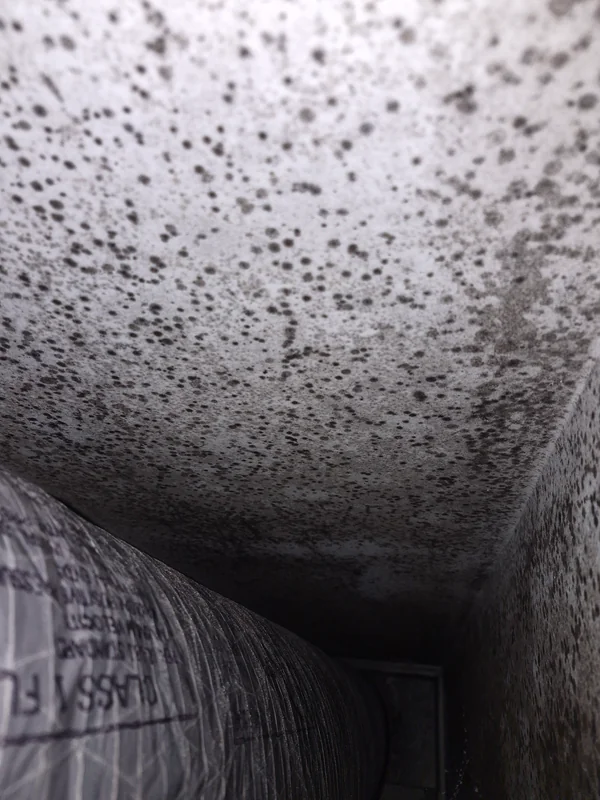
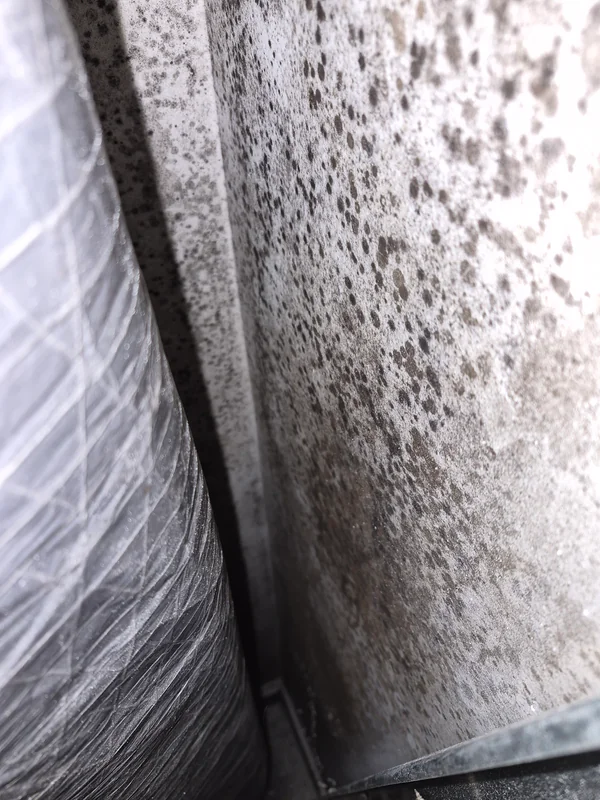
Most Fitler Square homes were built in the 1800s and early 1900s, long before central air and heating were standard. When HVAC systems were retrofitted into these narrow, multi-story rowhouses over the decades, ductwork had to be routed through tight basement trunk lines and cramped vertical chases creating low-airflow zones where condensation collects and mold grows.
When your heat or AC kicks on and you catch a musty smell, that’s not just old-house character. That’s your system pulling air through ductwork that may not have been professionally inspected in years or ever. Every cycle distributes whatever’s inside those ducts to every room in the house, including the ones where your kids sleep.
After a professional cleaning and inspection by a certified mold specialist, you’re not just getting cleaner air you’re getting documented proof of what was in there and confirmation that it’s gone. For a neighborhood that sits directly on the Schuylkill River and deals with above-average ambient humidity year-round, that verification matters. It’s the responsible call.
We’ve been operating in the Philadelphia region for over 15 years, with deep experience in the specific housing stock that defines Fitler Square historic rowhouses, retrofitted duct systems, river-corridor humidity, and the moisture challenges that come with proximity to the Schuylkill.
When you call Mack’s Mold Removal & Inspections, you’re reaching a team that knows what a Schuylkill-adjacent home looks like after a wet summer, and what to check for in a basement utility space that’s been drawing in humid air for decades. The owner is personally involved in jobs, not managing from a distance. Multiple customers have named him by name in reviews that’s the level of accountability you’re working with.
We also work directly with insurance companies on claims, which matters for Fitler Square homeowners who’ve navigated moisture-related damage. Free inspections and upfront pricing mean no surprises, no pressure, and no guessing.
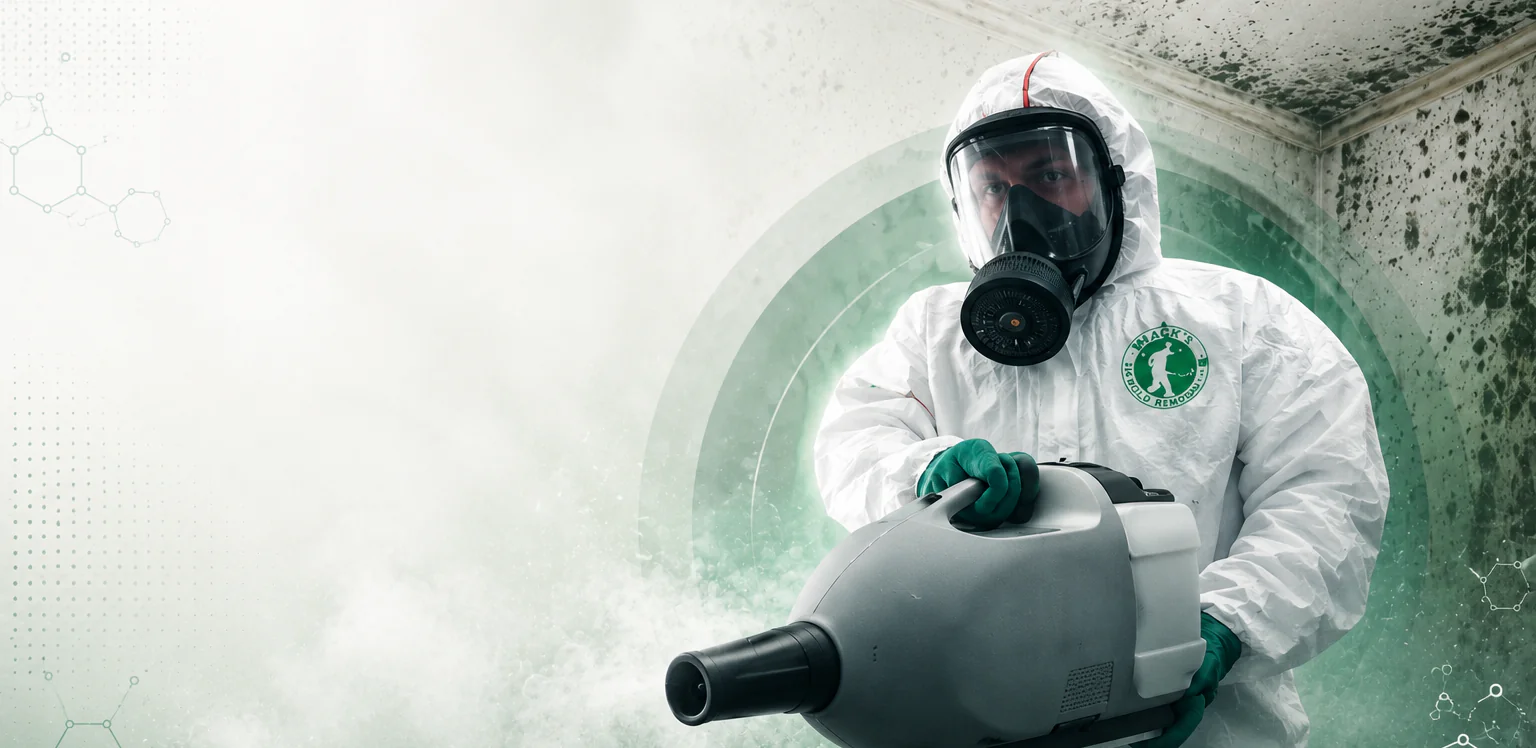
It starts with a free inspection. Before anything is cleaned, a certified inspector examines your duct system using professional-grade equipment not a flashlight at the register. In Fitler Square’s rowhouses, where duct runs navigate tight chases and multiple sharp bends, that interior inspection is the only way to know what’s actually happening inside the system. If mold is present, you’ll know exactly where and how extensive it is before any work begins.
From there, the process follows proper containment protocols. This is where a certified mold remediation specialist differs from a general duct cleaner. Disturbing mold inside ductwork without containment can spread spores through the home the opposite of what you’re trying to accomplish. We use negative air pressure systems and HEPA-rated equipment to remove contaminants without cross-contaminating the living space.
After the cleaning, the job isn’t called done until post-remediation testing confirms the mold is gone. Samples go to a lab. You get documented results, not just a handshake and an invoice. For a home in a neighborhood that experienced direct Schuylkill River flooding during Hurricane Ida and where ambient humidity stays elevated well into fall that verification step is essential to the whole process.

Ready to get started?
Our air duct cleaning covers both supply and return ducts not just one side of the system. Single-side cleaning is a common shortcut in the industry, and it leaves half the problem untouched. In a Fitler Square rowhouse where the duct system may run through three floors of constrained space, a thorough cleaning means accessing the full system, not just the easy parts.
Air duct sanitizing is a separate step from mechanical cleaning, and it matters when mold is involved. Cleaning removes the physical debris and contamination. Sanitizing applies antimicrobial treatment to the interior duct surfaces to address biological residue that cleaning alone doesn’t fully eliminate. If your inspection reveals active mold growth which is a real possibility in homes along the Schuylkill riverbank corridor, given the neighborhood’s documented flood history and sustained summer humidity sanitizing is part of the complete solution.
We also offer dryer vent cleaning, and it’s worth taking seriously in Fitler Square’s housing configuration. Rowhouse laundry areas are frequently in basements, with dryer vents routed through long, multi-bend runs to reach exterior walls. That’s exactly the setup that accumulates lint fastest and creates the highest fire risk. The NFPA reports over 15,000 dryer-related house fires annually, with failure to clean vents as the leading cause. It’s a straightforward service with a real safety payoff.
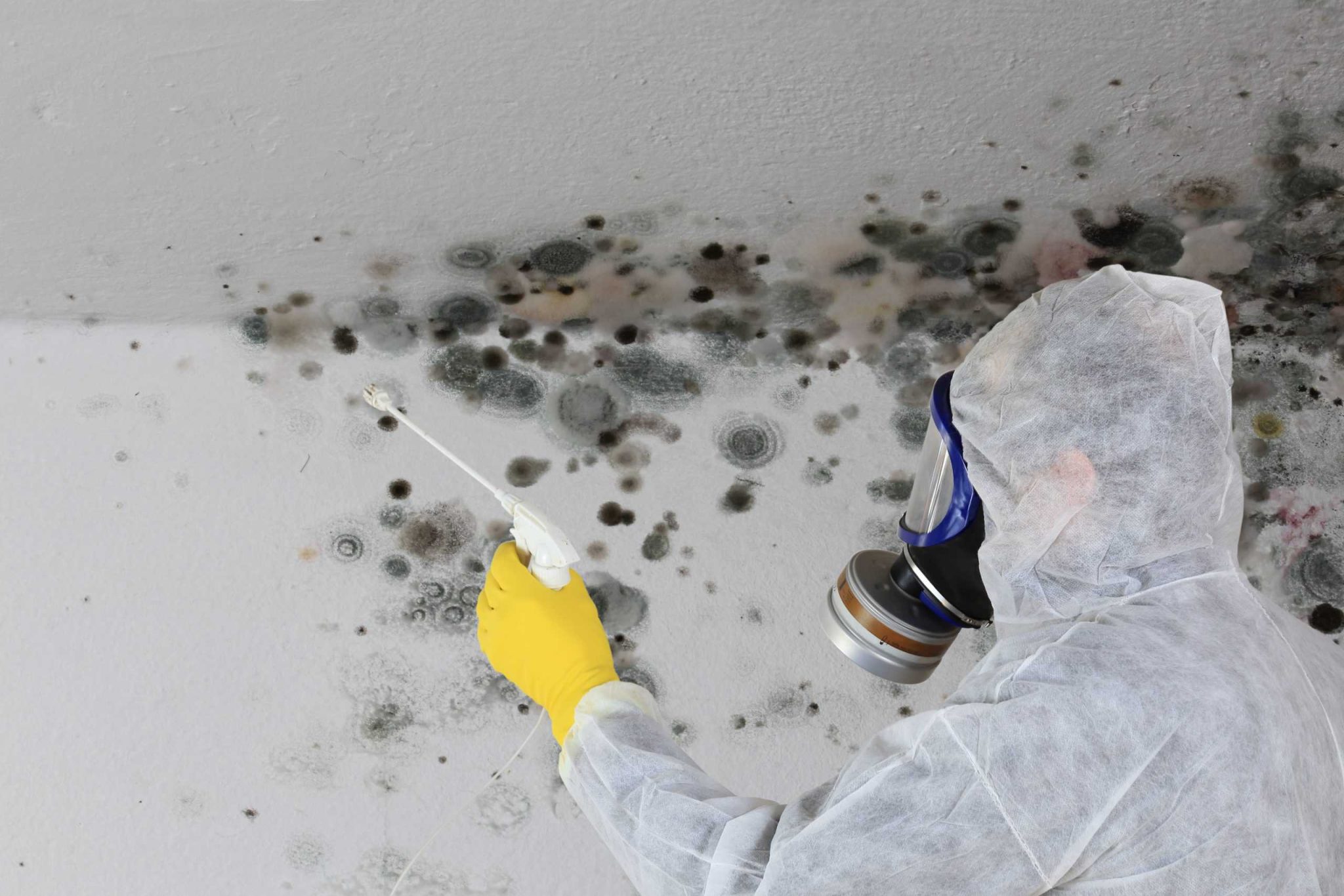
Yes and it’s one of the more common scenarios we see in Philadelphia’s river-adjacent neighborhoods. When the Schuylkill overflowed into Fitler Square’s streets during Hurricane Ida in September 2021, homes that experienced any water intrusion even a few inches in a basement utility area created ideal conditions for mold to establish in HVAC components. Moisture doesn’t have to reach the ducts directly. It just has to get into the space where the air handler or return air intake is located, and the system does the rest.
The challenge is that mold in ductwork is invisible from the outside. By the time you notice a musty smell when the heat kicks on, the contamination is often already established in interior duct sections that a homeowner simply can’t access. A professional inspection with the right equipment is the only reliable way to know what’s in there. If you haven’t had your ducts inspected since Ida, that’s a reasonable starting point.
They’re different things. A standard HVAC service filter replacement, coil cleaning, refrigerant check addresses the mechanical function of the system. Air duct cleaning addresses what’s inside the ductwork itself: accumulated dust, debris, allergens, and in some cases mold. A technician servicing your HVAC unit isn’t typically inspecting the interior of your duct runs.
The clearest indicators that duct cleaning is warranted are a musty smell when the system runs, worsening allergy or respiratory symptoms that seem tied to when the HVAC is on, visible discoloration around registers or grilles, or a known history of water intrusion near the air handler. For Fitler Square homes older construction, retrofitted duct systems, elevated river-corridor humidity the bar for getting an inspection is lower than it would be for a newer home in a drier climate. A free inspection removes the guesswork entirely.
Cleaning and sanitizing are two distinct steps, and when mold is involved, you generally need both. Mechanical cleaning removes the physical material from inside the ducts dust, debris, biological matter using negative air pressure and HEPA-rated equipment. It’s the primary step and the most labor-intensive part of the job.
Sanitizing comes after cleaning and involves applying an antimicrobial treatment to the interior duct surfaces. The purpose is to address any residual biological contamination that the mechanical cleaning process doesn’t fully eliminate on its own. If your inspection confirms mold growth inside the ductwork which is a real possibility given Fitler Square’s humidity exposure and the age of most homes in the neighborhood sanitizing is a necessary part of getting the job done completely.
For most homes, a thorough air duct cleaning takes somewhere between four and six hours. That’s the industry standard for a complete job both supply and return ducts, full system access, proper containment setup, and cleanup.
Fitler Square rowhouses add a layer of complexity that affects the timeline. The narrow floor plan and multi-story vertical layout of a typical rowhouse means duct runs often navigate tight chases and multiple bends across two or three floors. Accessing the full system in that configuration takes more time than a single-story open-plan home. The inspection phase at the start of the job also adds time but it’s the step that tells you what you’re actually dealing with before any cleaning begins, which is worth it.
It can, and that’s what makes mold in HVAC systems a different problem than mold on a wall or in a corner of a basement. A localized mold problem in a single room stays in that room until something disturbs it. Mold inside your ductwork gets distributed to every room in the house every time the system runs because that’s exactly what the system is designed to do.
This is also why hiring a general duct cleaner to handle a mold situation carries real risk. Disturbing mold inside ductwork without proper containment protocols negative air pressure, sealed work zones, HEPA filtration can push spores into the living space rather than remove them. In a Fitler Square rowhouse, where shared foundation walls with adjacent homes can also allow moisture migration from neighboring properties, understanding the full scope of the contamination before cleaning begins is essential. That’s what the inspection phase is for.
It’s a legitimate safety service, and the data backs it up. The National Fire Protection Association reports roughly 15,970 home structure fires per year involving clothes dryers, with failure to clean the vent as the leading cause. Lint accumulates in the vent line over time, reduces airflow, and creates a fire hazard that gets worse the longer it goes unaddressed.
For Fitler Square specifically, the concern is amplified by how these homes are built. Rowhouse laundry areas are typically in basements, and the dryer vent has to travel a longer, more complex path to reach an exterior wall often with multiple bends along the way. That configuration collects lint faster than a short, straight vent run in a newer home. If your dryer is taking longer than usual to dry a load, or the exterior vent flap isn’t opening fully when the dryer runs, those are signs the vent line needs attention.
Other Services we provide in Fitler Square