
Hear from Our Customers

You spend most of your time indoors, and the air inside your Deer Park home can be two to five times more contaminated than what’s outside. That’s not a scare tactic—it’s what the EPA found when studying indoor environments across the country.
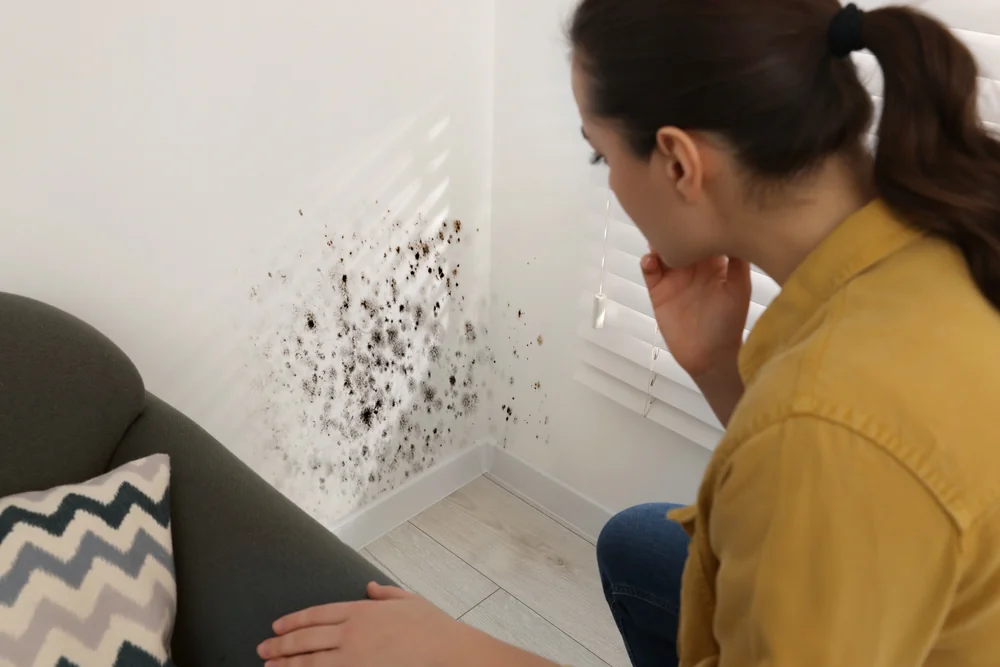
If someone in your household deals with persistent coughing, headaches, or allergy symptoms that won’t quit, your air quality might be the reason. A home air quality test gives you actual data about what’s floating around in the rooms where your family lives, sleeps, and eats.
We test for mold spores, allergens, VOCs, and other airborne pollutants that you can’t see but can absolutely feel. The results come from an independent lab, so you’re not guessing. You’re working with real numbers that tell you whether you have a problem—and if you do, exactly what needs to happen next.
This isn’t about selling you something you don’t need. It’s about giving you the information to make a smart decision about your home.
We’ve been helping homeowners in Deer Park and throughout Bucks County understand what’s happening inside their walls and in their air. We know this area—the humid summers, the damp basements, the older homes with ventilation systems that weren’t built for today’s standards.
Bucks County’s climate creates perfect conditions for mold growth and poor indoor air quality. We’ve seen it in crawl spaces, behind drywall, under flooring, and in attics that looked fine on the surface.
Our team uses moisture meters, infrared cameras, and EPA-certified testing methods to find problems you wouldn’t catch on your own. We’re not here to upsell you. We’re here to give you accurate information, clear documentation, and honest recommendations about what comes next.

We start with a free inspection of your property. You walk us through any concerns—rooms that smell musty, areas where people feel worse, visible water damage, or just a gut feeling that something’s off.
Our team uses moisture meters and infrared cameras to check for hidden water sources and temperature variations that signal potential mold growth. Then we collect air samples from multiple locations in your home. These samples get sent to an independent laboratory for analysis.
The lab identifies what’s in your air—mold species, spore concentration levels, allergens, and other pollutants. You receive a detailed report that breaks down exactly what was found and where. We review those results with you in plain language, no jargon.
If the test shows elevated mold spore levels or other contaminants, we explain what’s causing it and what your options are. If your air quality is fine, we tell you that too. The goal is clarity, not confusion.

Ready to get started?
Your indoor air quality test covers the pollutants and allergens that actually affect health in Bucks County homes. We’re testing for mold spores—the invisible particles that trigger respiratory issues and allergic reactions. We’re checking for elevated moisture levels that feed ongoing contamination.
Deer Park’s climate means your home faces specific challenges. Warm, humid summers and damp winters create conditions where mold thrives in places you’d never think to check. Basements, crawl spaces, and poorly ventilated attics are common problem areas in this region.
You get documentation that meets Pennsylvania Department of Health standards and insurance requirements. That matters if you’re filing a claim or need proof of contamination for a real estate transaction. We also identify the moisture source—because treating mold without fixing the underlying water problem means you’ll be dealing with this again in six months.
The testing process is non-invasive. We’re not tearing into walls unless we’ve already identified a specific problem area. You get clear results, a written report, and straightforward recommendations about whether remediation is necessary.
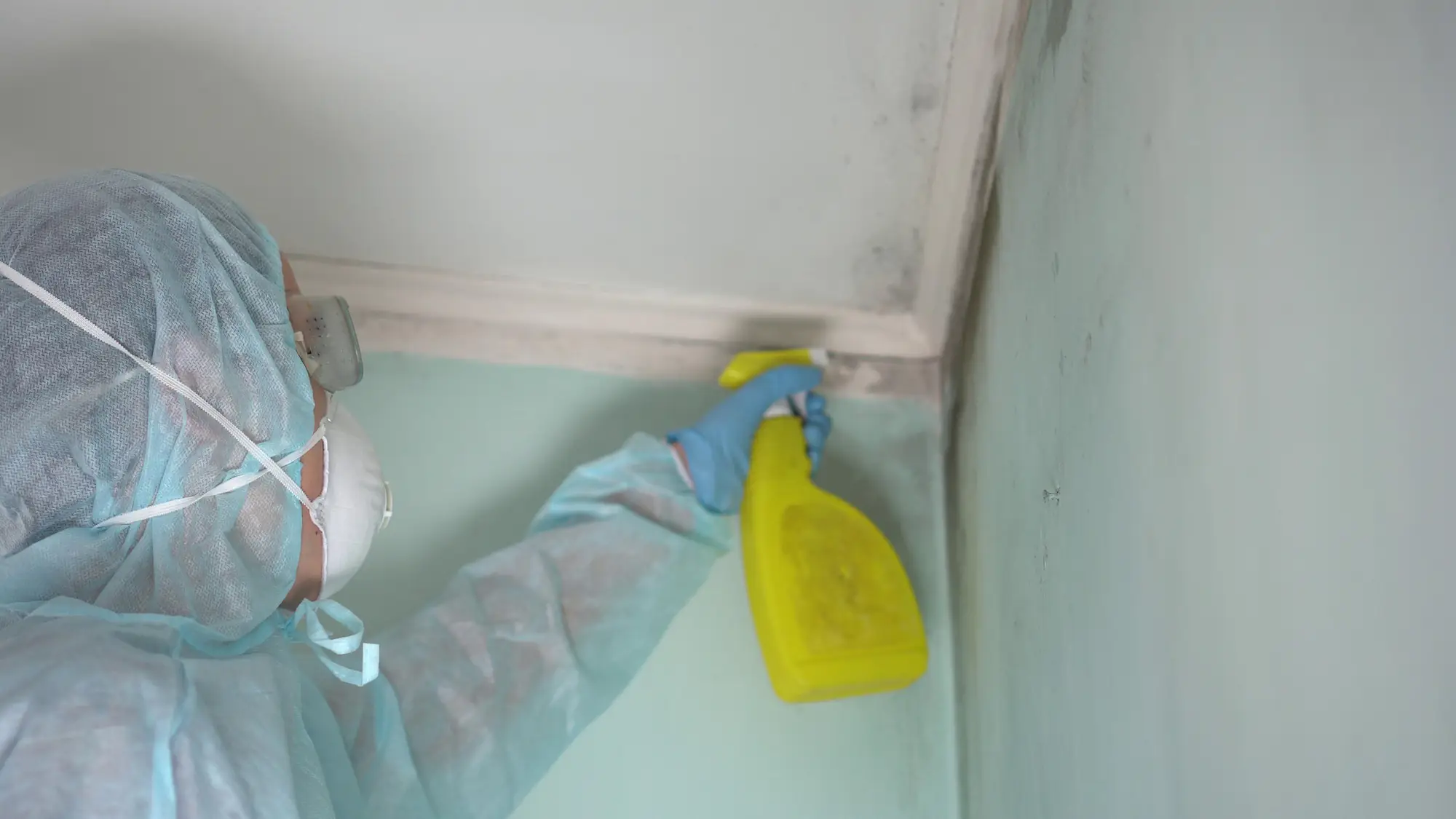
You need testing if anyone in your household has unexplained respiratory symptoms that improve when they leave the house. Persistent coughing, sneezing, congestion, itchy eyes, or skin rashes that worsen indoors are red flags.
Visible signs matter too—water stains on ceilings or walls, musty odors, previous flooding or leaks, or condensation on windows. Even if you don’t see mold, these conditions create the environment where it grows behind surfaces you can’t inspect yourself.
About ten percent of the population is severely allergic to mold. If someone in your home falls into that category, testing gives you the information to protect their health. Professional air quality testing is the only way to accurately measure spore concentration levels and identify specific mold species that might be present.
A visual inspection checks for obvious signs—discoloration, water damage, visible mold growth on surfaces. It’s useful, but it misses what’s hidden. Mold grows behind drywall, under flooring, in HVAC systems, and inside wall cavities where you can’t see it.
Air quality testing measures what’s actually floating around in the rooms where you live. We collect air samples and send them to a lab that identifies mold species and counts spore concentrations. This tells you whether your indoor air has elevated contamination levels compared to outdoor air.
We use both methods together. The visual inspection with moisture meters and infrared cameras helps us locate hidden water sources and temperature variations. The air testing quantifies the problem and gives you documentation that’s backed by laboratory analysis. You need both to understand the full picture of what’s happening in your home.
The on-site portion takes one to two hours depending on your home’s size and the number of areas we’re testing. We collect air samples from multiple locations, check moisture levels, and use infrared cameras to scan for hidden problems.
Samples go to an independent lab for analysis. You typically receive results within three to five business days. The lab report identifies specific mold species, spore concentration levels, and compares your indoor air quality to outdoor baseline samples.
We schedule a follow-up to review the results with you. That conversation covers what was found, what it means for your health and property, and whether remediation is recommended. If your air quality is fine, we tell you that. If there’s a problem, we explain the source and your options for fixing it. The timeline from inspection to having answers in hand is usually under a week.
Coverage depends on your policy and what caused the air quality issue. If you’re testing because of a covered event—like a burst pipe, roof leak, or storm damage—many policies will cover testing and remediation as part of the water damage claim.
Insurance typically doesn’t cover testing for gradual issues like long-term humidity problems or maintenance-related moisture. But if testing reveals contamination from a sudden, covered event, you’re more likely to get reimbursement.
We provide detailed documentation that meets insurance requirements. Our reports include lab results, photos, moisture readings, and clear explanations of what caused the problem. We work directly with insurance companies, handle the paperwork, and help reduce your out-of-pocket costs when coverage applies. Even if insurance doesn’t cover testing, knowing what’s in your air and fixing it before it becomes a bigger problem usually costs less than dealing with extensive remediation later.
First, you get a clear explanation of what the lab found—which mold species are present, where spore concentrations are elevated, and how those levels compare to safe outdoor air. Not all mold is dangerous, but elevated indoor levels mean something’s feeding ongoing growth.
We identify the moisture source. Mold needs water to grow, so there’s always an underlying problem—leaky pipes, poor ventilation, basement seepage, roof damage, or condensation issues. Fixing that source is the first step. Removing mold without addressing moisture means you’ll be testing again in a few months.
Then we discuss remediation options. Depending on the extent of contamination, that might mean cleaning affected surfaces, removing damaged materials, improving ventilation, or installing dehumidification systems. We give you upfront pricing before any work starts.
The goal is eliminating current contamination and preventing future growth. You’re not just treating symptoms—you’re fixing the root cause so your indoor air quality stays healthy long-term.
Home test kits exist, but they’re not reliable for making decisions about your health or property. Most consumer kits can’t identify specific mold species or measure spore concentration levels accurately. They might tell you mold is present—which is true in almost every home—but they won’t tell you if levels are dangerous.
Professional air quality testing uses EPA-certified methodology and independent laboratory analysis. We collect samples under controlled conditions, send them to accredited labs, and provide results that meet Pennsylvania Department of Health standards. That documentation holds up for insurance claims, real estate transactions, and health-related decisions.
We also use equipment you don’t have access to—moisture meters that measure humidity inside walls, infrared cameras that detect temperature variations indicating hidden water damage. Testing air quality isn’t just about collecting samples. It’s about understanding what’s causing contamination and where it’s coming from. That requires experience, proper equipment, and lab analysis you can trust.
Other Services we provide in Deer Park