

Hear from Our Customers
You stop wondering if that musty smell is dangerous. You stop worrying about what’s growing behind your walls. The air in your home feels different because it is different.
Professional mold removal means eliminating the source, not just wiping down surfaces. It means treating affected areas with antimicrobial solutions that prevent regrowth. It means containing the work zone so spores don’t spread to clean areas while we’re working.
When we finish a job in Deer Park, you get documentation. Post-remediation testing results. Photos of the work. A clear explanation of what we found, what we removed, and what you need to do to keep it from coming back. You’re not left guessing whether the problem is actually solved.
We work exclusively in Bucks County, which means we understand what you’re dealing with. Deer Park’s older housing stock, Pennsylvania’s humid summers, and the moisture problems that come with aging plumbing and poor ventilation—these aren’t surprises to us.
We’ve seen what happens when homeowners try to handle black mold removal themselves. We’ve also cleaned up after other companies who didn’t address the moisture source. Our approach is straightforward: find what’s causing it, remove what’s contaminated, treat what remains, and verify the air quality before we leave.
You’re hiring local mold specialists who’ve built a reputation here by doing the work correctly. Not the cheapest option, but the one that actually solves the problem.

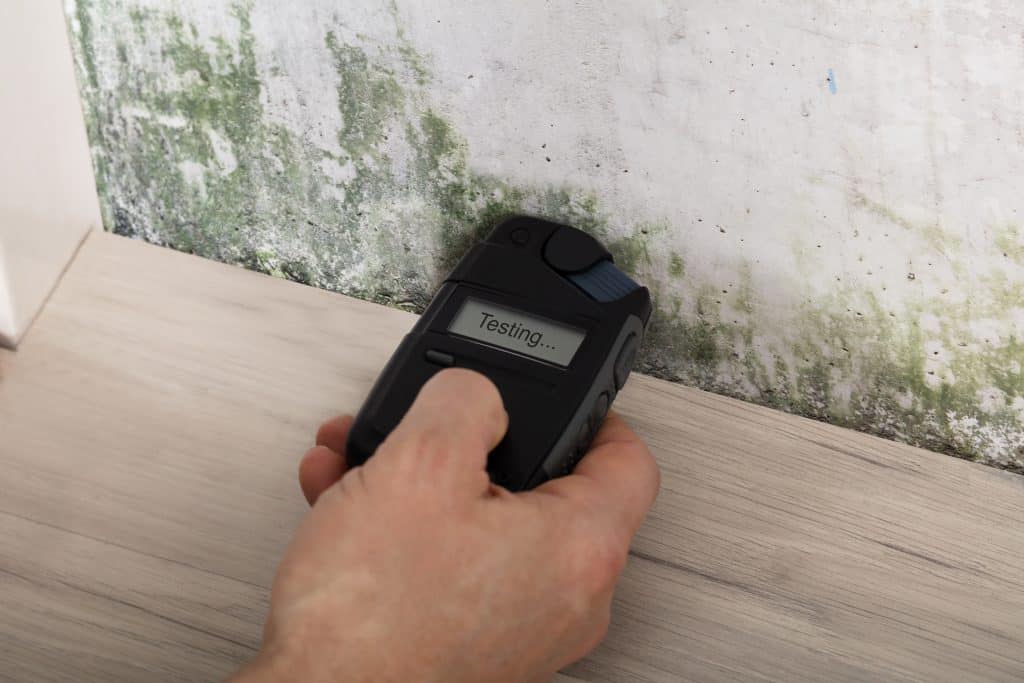
First, we inspect the visible problem and check for hidden contamination. Mold you can see often indicates larger issues you can’t. We use moisture meters and thermal imaging to find where water is getting in.
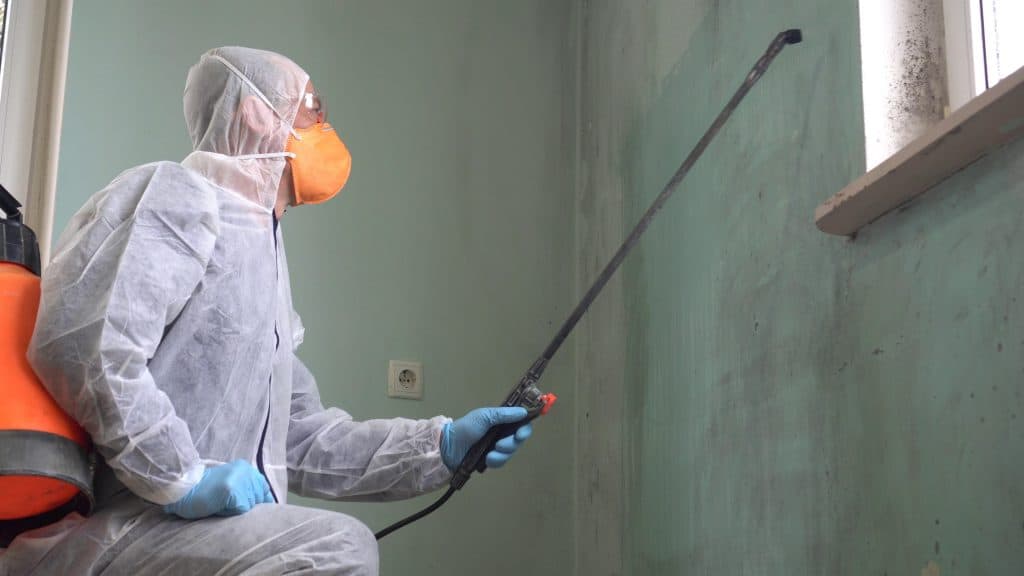
Next, we contain the affected area with physical barriers and negative air pressure. This keeps spores from spreading to clean parts of your home during removal. We remove contaminated materials that can’t be salvaged—drywall, insulation, anything porous that’s been compromised.
Then we treat all remaining surfaces with antimicrobial solutions. We clean the HVAC system if it’s been affected. We address the moisture source—whether that’s a leak, condensation issue, or ventilation problem.
Finally, we verify the work with post-remediation testing. You get a detailed report showing the air quality is back to normal levels. We also give you specific recommendations for preventing future growth, because the last thing you want is to deal with this again.
Ready to get started?
Every mold removal project includes a thorough inspection to map the full extent of contamination. You need to know what you’re dealing with before work starts, not halfway through when costs start climbing.
Professional-grade containment and HEPA filtration come standard. We’re not spreading your problem around while trying to fix it. Safe removal and disposal of contaminated materials happens according to EPA guidelines, and we document everything for insurance purposes if you need to file a claim.
In Deer Park, we see a lot of basement mold from foundation moisture and attic mold from ventilation issues. Both are common in older Pennsylvania homes. We also handle mold in HVAC systems, which is particularly important because that’s how spores get distributed throughout your entire house.
You get antimicrobial treatment of all affected surfaces, moisture source identification and repair recommendations, and post-remediation verification testing. The report we provide shows exactly what the air quality was before and after, so you have proof the job was completed properly.
Mold can start forming within 48 hours of water exposure. That’s why timing matters when you have a leak, flood, or any moisture intrusion.
If you’ve had recent water damage in your Deer Park home, you’re not overreacting by calling quickly. The longer water sits, the deeper it penetrates into materials like drywall, insulation, and subflooring. Once mold establishes itself in porous materials, removal becomes more extensive and expensive.
Even if you don’t see visible mold yet, that doesn’t mean spores aren’t colonizing in hidden areas. We check wall cavities, under flooring, and in other spaces where moisture accumulates but air doesn’t circulate. Early intervention usually means less demolition and lower costs.
Small surface mold on non-porous materials like tile can sometimes be cleaned safely by a homeowner. But if you’re seeing mold on drywall, wood, insulation, or carpet, DIY removal usually makes things worse.
Here’s why: disturbing mold releases thousands of spores into the air. Without proper containment and air filtration, you’re spreading contamination to areas that were previously clean. You’re also likely not addressing the moisture source, which means the mold will return.
Professional mold removal includes containment barriers, negative air pressure, HEPA filtration, and antimicrobial treatment. We also identify why the mold is growing in the first place. If you don’t fix the underlying moisture problem, you’ll be cleaning mold repeatedly. Most homeowners who call us have already tried DIY methods that didn’t work.
Most residential mold remediation projects in Deer Park range from $500 to $6,000, depending on the extent of contamination and how much material needs to be removed. Severe cases involving multiple rooms or structural components can cost more.
The size of the affected area matters. So does the type of material that’s contaminated—removing mold from concrete is different than removing it from drywall. If your HVAC system is involved, that adds complexity. If there’s significant structural damage from long-term moisture exposure, costs increase.
We provide a detailed estimate after the initial inspection, so you know what you’re looking at before work begins. Many homeowners insurance policies cover mold remediation if it resulted from a covered event like a burst pipe. We work directly with insurance adjusters and provide the documentation they need. Even if you’re paying out of pocket, addressing mold now prevents more expensive problems later—both in terms of property damage and potential health issues.
Mold exposure commonly causes respiratory symptoms: stuffy nose, throat irritation, coughing, wheezing. If you or your family members have asthma, mold makes it worse. Some people develop skin rashes or eye irritation.
The severity depends on the type of mold, the concentration of spores, and individual sensitivity. About 25% of people have a genetic predisposition that makes them more susceptible to mold-related illness. Children and elderly family members are particularly vulnerable.
Black mold gets the most attention, but all mold growth indoors is a problem. Even if you’re not experiencing obvious symptoms yet, chronic exposure adds up. Studies show that 93% of chronic sinus infections are linked to mold, and 21% of asthma cases in the U.S. are connected to dampness and mold in homes. If people in your household are getting sick more often, having trouble with allergies that won’t go away, or dealing with respiratory issues that doctors can’t quite explain, mold could be the underlying cause.
Musty odors are the most common indicator of hidden mold. If a room smells off even after cleaning, there’s likely mold growing somewhere you can’t see—inside walls, under flooring, or in the HVAC system.
Visible signs include water stains on ceilings or walls, peeling paint or wallpaper, and warping in wood floors or baseboards. These indicate moisture problems, and where there’s ongoing moisture, there’s usually mold. You might also notice condensation on windows or pipes, which suggests humidity levels are high enough to support mold growth.
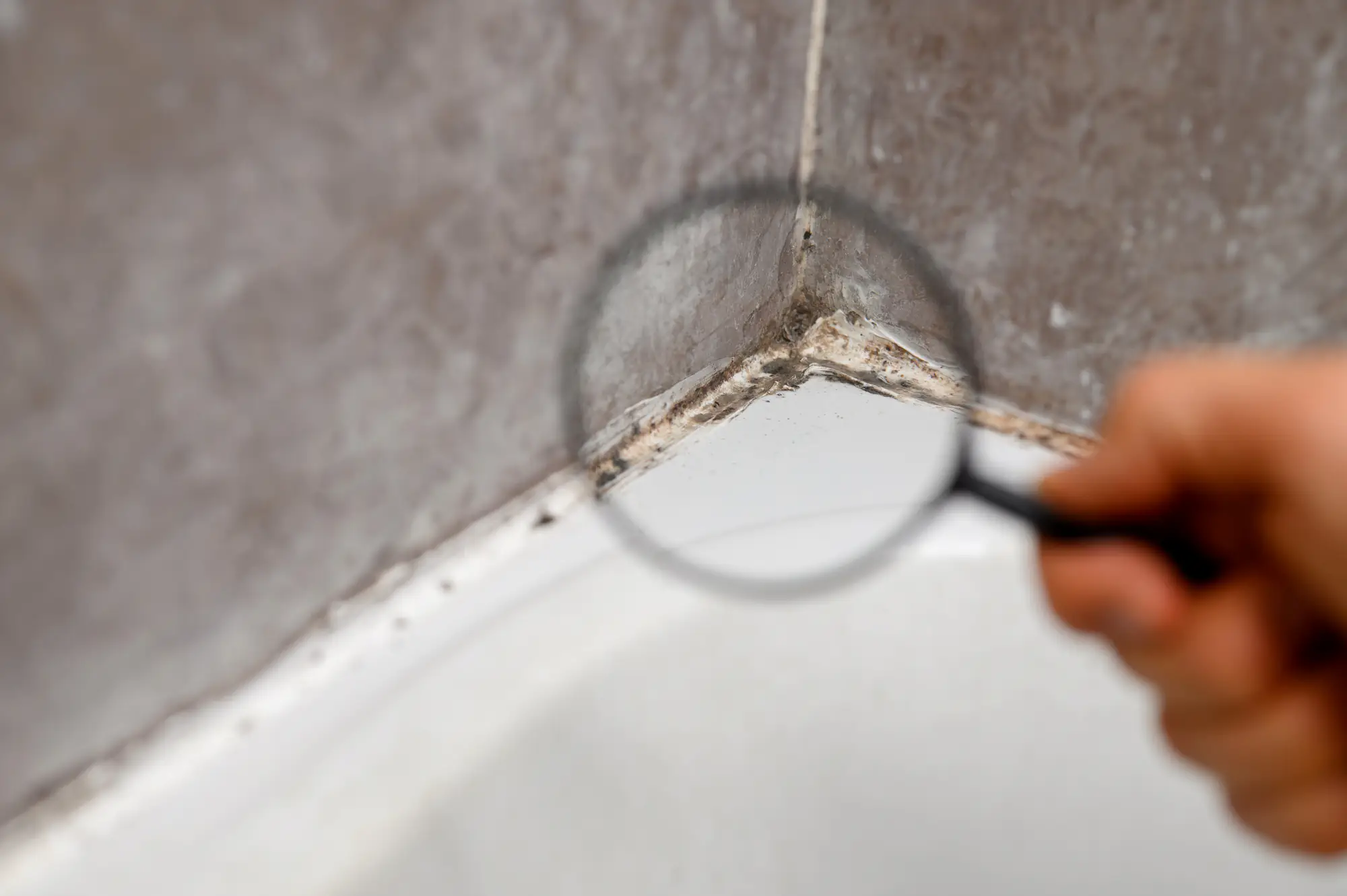
Health symptoms that improve when you leave the house and return when you come back are another red flag. Professional mold inspection includes moisture mapping and thermal imaging to detect problems before they become visible. In Deer Park’s older homes, we frequently find mold in basements with foundation moisture issues, attics with poor ventilation, and behind walls where old plumbing has been leaking slowly for months or years. If you suspect hidden mold, testing gives you a definitive answer.
Mold returns if the moisture source isn’t fixed. That’s the most important thing to understand about mold remediation—removal is only half the solution.
We can eliminate every trace of existing mold, treat surfaces with antimicrobial solutions, and verify clean air quality. But if water is still getting in through a foundation crack, if humidity levels stay too high, or if a slow leak continues, new mold will eventually grow. That’s why our process includes identifying and addressing the underlying moisture problem.
After remediation, you need to maintain proper humidity levels (below 60%), ensure good ventilation in bathrooms and kitchens, fix leaks promptly, and monitor areas that were previously affected. We give you specific recommendations based on what we found during your job. Most clients who follow those guidelines don’t have recurring issues. The ones who do usually have new water intrusion from a different source—a new leak or weather damage that needs attention.
Other Services we provide in Deer Park