
Hear from Our Customers

You’ve noticed the symptoms. Allergies that won’t quit. Respiratory issues that seem worse at home. That musty smell you can’t quite place. The problem is, you can’t see what’s in your air—and that’s exactly why it’s dangerous.
A home air quality test does what your eyes can’t. It identifies mold spores, dust mites, pet dander, and other pollutants that build up in Cedar Park homes, especially during our humid summers and damp winters. Indoor air can be two to five times more polluted than outdoor air, and if you’ve got moisture issues or previous water damage, that number climbs even higher.
Testing gives you answers. Not assumptions, not maybes—actual data about what’s circulating through your vents and settling into your lungs. Once you know what you’re dealing with, you can actually fix it. That means fewer doctor visits, better sleep, and a home that doesn’t make you sick.
We’ve been serving Cedar Park and Bucks County for years, and we’ve seen what this climate does to homes. Humid summers, basement moisture, older construction—it all adds up to conditions where mold thrives and air quality suffers.
We’re not a national franchise reading from a script. We’re local technicians who understand that homes in this area face specific challenges, from stone foundations that hold moisture to HVAC systems that circulate the same stale air for months. We use thermal imaging and moisture meters to find problems before they become disasters.
Our team is certified, our equipment is current, and our approach is straightforward. We test your air, explain what we found, and tell you exactly what needs to happen next. No upselling, no scare tactics—just honest assessment from people who’ve been doing this work long enough to know the difference between a real problem and a minor issue.

It starts with a free inspection. We walk through your home, looking for visible signs of mold, moisture problems, and areas where air quality typically suffers—basements, crawl spaces, bathrooms, attics. We’re checking for water stains, condensation, ventilation issues, and that telltale musty odor that means something’s growing where it shouldn’t.
Next comes the actual testing. We collect air samples from multiple locations in your home, focusing on problem areas and comparing them to outdoor air quality. If we suspect mold, we’ll take surface samples or use direct testing methods to identify the specific type and concentration. We’re also using moisture meters and thermal imaging to find hidden water sources that feed mold growth.
The samples go to a certified lab for analysis. You get a detailed report that breaks down exactly what pollutants are in your air, at what levels, and where they’re concentrated. We walk you through the results in plain language—no jargon, no confusion.
Then we talk solutions. If you need mold remediation, we handle it. If it’s a ventilation problem, we’ll tell you. If your air quality is fine and you just needed peace of mind, we’ll tell you that too. The goal is to give you accurate information so you can make the right call for your home and your family.

Ready to get started?
Residential air quality testing isn’t just about mold—though in Cedar Park, that’s often the main concern. We’re testing for the full range of indoor pollutants that affect your health: mold spores, allergens, dust mites, pet dander, volatile organic compounds, and other airborne contaminants.
Bucks County’s climate creates perfect conditions for mold growth. We get humid summers that push indoor moisture levels into the danger zone, and older homes in Cedar Park often have basements or crawl spaces that stay damp year-round. Add in a roof leak, a plumbing issue, or even just poor ventilation, and you’ve got an environment where mold doesn’t just grow—it spreads.
Our mold air test identifies the type of mold present and measures concentration levels. That matters because not all mold is the same. Some species are relatively harmless. Others, like black mold, produce toxins that cause serious respiratory problems and long-term health issues. Knowing what you’re dealing with determines how aggressive your remediation needs to be.
We also locate the source. Finding mold in your air is one thing—stopping it from coming back requires identifying where moisture is entering your home. That’s where thermal imaging and moisture detection come in. We find the leak, the condensation point, or the ventilation failure that’s feeding the problem, so you’re not just treating symptoms.
Most homeowners in Cedar Park pay between $300 and $500 for a complete indoor air quality test, depending on home size and how many samples we’re collecting. If you’re just testing for mold in a specific area, costs run lower. If you need comprehensive testing across multiple rooms with lab analysis for pollutants and allergens, you’re looking at the higher end.
We offer free inspections, which means we’ll assess your situation before you spend anything. A lot of times, we can tell during the walkthrough whether testing is even necessary or if the issue is something simpler. If you’ve got visible mold, active water damage, or clear moisture problems, you might not need testing—you need remediation, and we can move straight to that.
Insurance sometimes covers air quality testing, especially if it’s related to water damage or a covered event. We’ll work with your insurance company and help with documentation if that applies to your situation.
The most common sign is unexplained health symptoms that get worse at home. Allergies that flare up indoors, respiratory issues, persistent coughing, headaches, fatigue—these can all point to poor indoor air quality. If multiple people in your household are experiencing similar symptoms, that’s a red flag.
Musty odors are another giveaway. If your basement, bathroom, or any room smells damp or moldy, there’s a good chance mold is growing somewhere, even if you can’t see it. Mold often hides behind walls, under flooring, in HVAC ducts, or in crawl spaces.
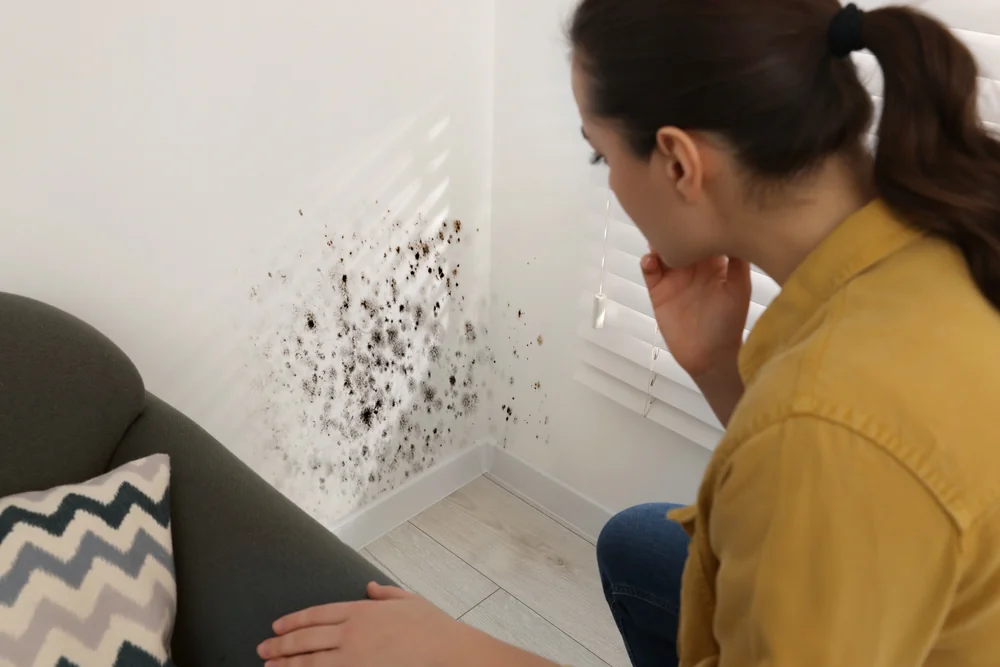
Visible signs matter too. Water stains on ceilings or walls, peeling paint, warped floors, condensation on windows—these all indicate moisture problems that lead to mold growth. If you’ve had any water damage, flooding, roof leaks, or plumbing issues in the past year, testing is a smart move even if you don’t see mold yet.
The on-site portion usually takes one to two hours, depending on your home’s size and how many areas we’re testing. We’re collecting air samples, taking surface samples if needed, using moisture meters, and doing a thorough visual inspection. We’re not rushing—this is about accuracy.
Lab analysis takes a few days. Most results come back within three to five business days. Once we have the report, we’ll schedule a time to go over the findings with you and discuss next steps.
If you need results faster, some labs offer expedited testing for an additional fee. That’s not usually necessary unless you’re dealing with a real estate transaction or a situation where timing is critical.
You can buy DIY air quality test kits, and some of them are decent for basic screening. They’ll give you a general idea of whether mold spores are present. The problem is, they don’t tell you what type of mold, where it’s coming from, or how serious the contamination is.
Professional testing uses lab-grade equipment and certified analysis. We’re not just detecting mold—we’re identifying the species, measuring concentration levels, and comparing your indoor air to outdoor baselines. That level of detail matters when you’re deciding whether you need remediation or if the issue is minor.
We also find the source, which a DIY kit won’t do. Knowing you have mold in your air doesn’t help if you can’t locate where it’s growing. We use thermal imaging and moisture detection to pinpoint the problem, whether it’s a hidden leak, poor ventilation, or water intrusion you didn’t know about.
If you’re dealing with health symptoms, property damage, or buying a home in Cedar Park, professional testing is worth the investment. You’re getting accurate data and a clear action plan, not just a yes-or-no answer.
First, don’t panic. Most homes have some level of mold spores—it’s when concentrations get high or you’re dealing with toxic species that it becomes a health risk. The lab report will tell us exactly what we’re working with, and we’ll explain what that means in practical terms.
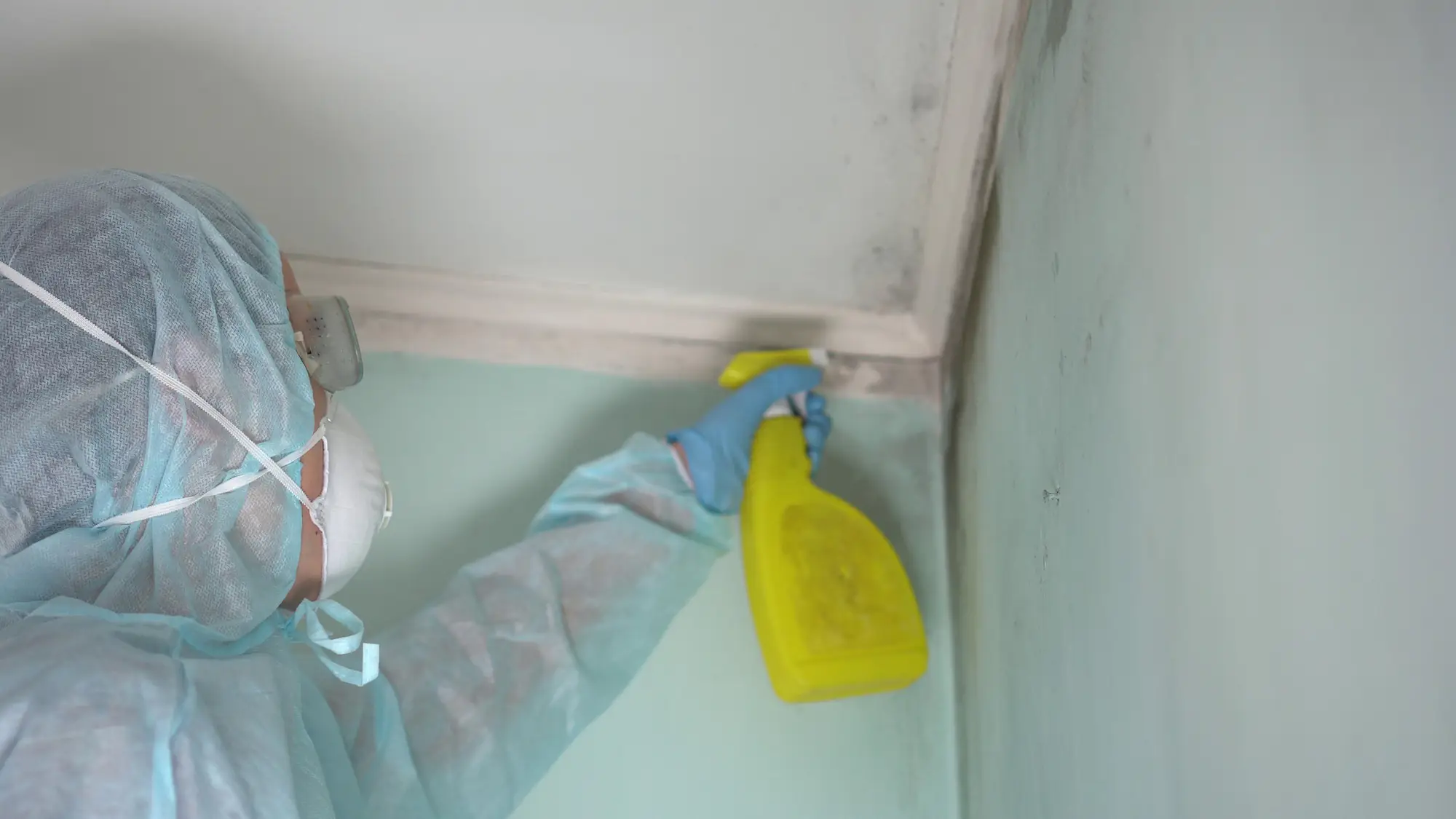
If remediation is needed, we handle it. That means containing the affected area so spores don’t spread, removing contaminated materials, treating surfaces with antimicrobial solutions, and fixing the moisture source so mold doesn’t come back. We don’t just clean up what’s visible—we address the root cause.
For minor mold issues, remediation might be straightforward. For larger infestations or toxic mold like black mold, the process is more involved and requires proper safety protocols. Either way, we’ll give you a clear estimate upfront and walk you through what needs to happen.
Once remediation is complete, we can do post-testing to confirm your air quality is back to safe levels. That gives you documentation and peace of mind that the problem is actually resolved.
Cedar Park sits in Bucks County, where humidity and older housing stock create a perfect storm for indoor air quality problems. Summers here get humid, and a lot of homes don’t have adequate ventilation or dehumidification to manage moisture levels. That moisture feeds mold growth, especially in basements and crawl spaces.
Older homes in the area often have stone foundations, minimal insulation, and outdated HVAC systems that recirculate the same air without proper filtration. Add in the fact that many homes have experienced water damage at some point—whether from storms, aging roofs, or plumbing issues—and you’ve got conditions where mold and allergens build up over time.
Newer homes aren’t immune either. Modern construction is more airtight, which is great for energy efficiency but terrible for air exchange. Without proper ventilation, pollutants get trapped inside. Cooking fumes, cleaning chemicals, pet dander, and mold spores have nowhere to go.
The EPA has found that indoor air can be two to five times more polluted than outdoor air, and in areas like Cedar Park where homes face moisture challenges, that number can be even higher. Testing is the only way to know what you’re actually breathing.
Other Services we provide in Cedar Park