

Hear from Our Customers
You stop wondering if that smell is in your head. Your kids stop coughing at night. You can actually breathe easier in your own home without second-guessing the air quality.
When mold is removed the right way, you’re not just covering up the problem or painting over it. The source gets identified, the contaminated materials get removed safely, and the conditions that let it grow in the first place get addressed. That’s the difference between a temporary fix and actually solving it.
In Cedar Park and across Bucks County, we see the same pattern: high humidity in summer, poor ventilation in older homes, and water damage that didn’t get dried fast enough. Once mold takes hold, it doesn’t stop on its own. It spreads into walls, under floors, and into HVAC systems where you can’t see it but definitely breathe it. Getting it out means your home is healthier, your property value stays intact, and you’re not dealing with respiratory issues that seem to come out of nowhere.
We serve Cedar Park and the surrounding Bucks County area with one focus: getting mold out of homes and keeping it out. We’re not a general restoration company that does mold on the side. This is what we do, and we’ve built our process around the specific challenges Pennsylvania homeowners face.
Cedar Park’s older housing stock, combined with our humid summers and fluctuating fall temperatures, creates the perfect environment for mold growth. We know where it hides in these homes because we’ve seen it hundreds of times. Attics with poor ventilation, basements that stay damp, crawl spaces that never fully dry—these are the usual suspects, and we know how to handle each one.
You’re not getting a corporate franchise with scripted responses. You’re getting a local team that understands how mold behaves in this climate and has the equipment and training to remove it safely.

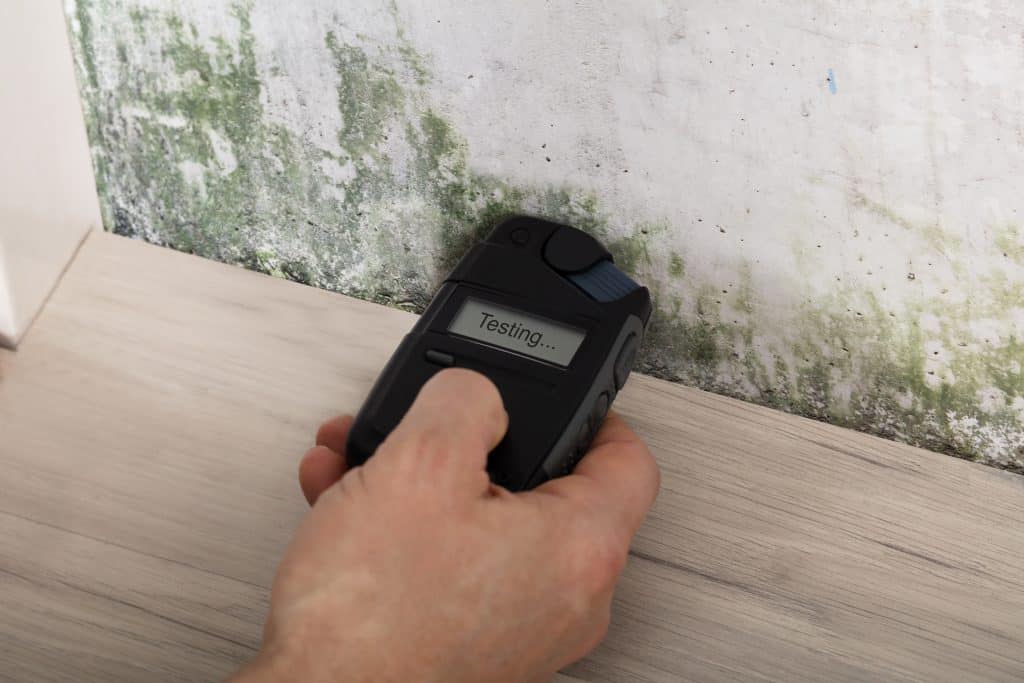
First, we come out and inspect your property. We’re looking for visible mold, but also using moisture meters and infrared cameras to find what’s hidden behind walls or under flooring. You get a clear explanation of what we find and what needs to happen next.
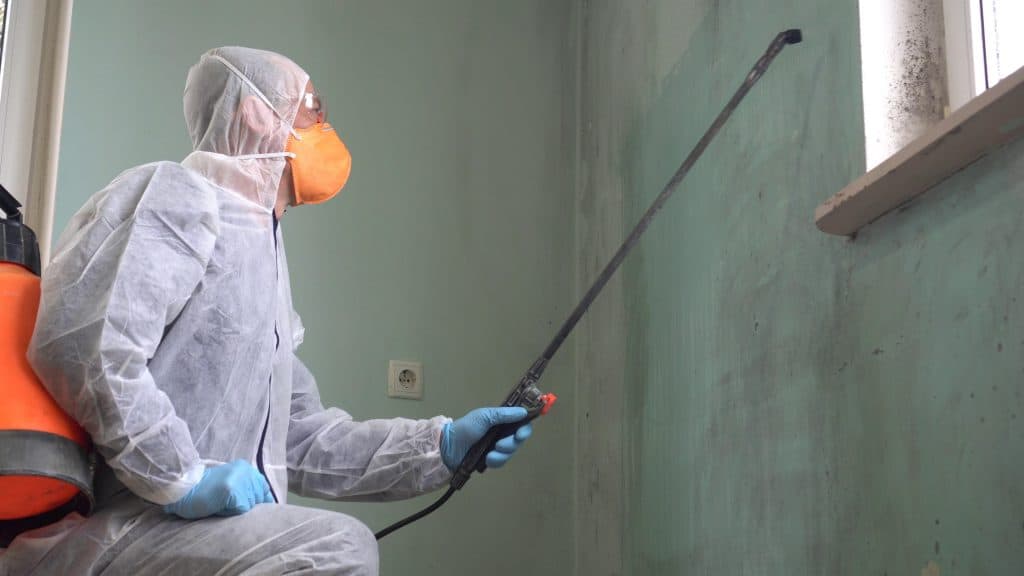
Once we know the scope, we contain the affected area so mold spores don’t spread during removal. HEPA filtration runs the entire time to clean the air. Contaminated materials—drywall, insulation, anything that can’t be salvaged—get removed and disposed of properly. We don’t just clean the surface and hope for the best.
After removal, we treat the area with antimicrobial solutions and verify the air quality is back to safe levels. Then we walk you through what caused it and what you can do to prevent it from happening again. If it’s a ventilation issue, a humidity problem, or a recurring leak, you’ll know exactly what needs to be fixed. The goal isn’t just to remove mold today—it’s to make sure you’re not calling us back in six months.
Ready to get started?
You’re getting a full inspection with moisture detection and thermal imaging to locate all affected areas, not just the obvious spots. Testing identifies the type of mold and the concentration levels so you know exactly what you’re dealing with. Some molds are more dangerous than others, and black mold gets the most attention for good reason—it’s linked to serious respiratory issues and needs to be handled carefully.
Containment and air filtration happen before any removal starts. This keeps spores from spreading to clean areas of your home during the work. All contaminated materials get bagged and removed according to EPA guidelines. We’re not cutting corners or taking shortcuts that put your family at risk.
In Cedar Park, we also see a lot of attic mold due to poor ventilation and high summer humidity. Pennsylvania’s climate means moisture doesn’t evaporate quickly, especially in enclosed spaces. If your attic or crawl space is part of the problem, we’ll address the airflow and insulation issues that are feeding the mold growth. You’ll also get a post-remediation report and recommendations for preventing future problems, whether that’s a dehumidifier, better ventilation, or fixing a drainage issue outside.
It depends on how much mold there is and where it’s located. A small area in a bathroom might cost a few hundred dollars. A larger infestation that’s spread into walls, attics, or HVAC systems can run into the thousands.
The size of the affected area, the type of materials that need to be removed, and whether there’s structural damage all factor into the price. If drywall, insulation, or flooring has to come out, that adds to the cost. If the mold has gotten into your HVAC system, that’s a separate issue that needs specialized cleaning.
We give you a clear estimate after the inspection so there are no surprises. You’ll know what needs to be done and what it costs before any work starts. Waiting doesn’t make it cheaper—mold spreads fast, and the longer it sits, the more expensive removal becomes.
We aim to get back to you within 24 hours of your call and schedule an inspection as soon as possible. Mold starts growing within 24 to 48 hours of water exposure, so speed matters.
If you’ve had a flood, a burst pipe, or discovered a major leak, don’t wait. The faster we can assess the damage and start containment, the less mold will spread. Even if you’re not sure whether you have mold yet, it’s worth getting an inspection if there’s been any water damage in the last few days.
Emergency situations get priority. We understand that mold isn’t just a cosmetic issue—it’s a health risk, especially for kids, elderly family members, or anyone with asthma or allergies. The sooner we can get it contained and start removal, the better off you’ll be.
If it’s a very small area—less than 10 square feet—and it’s on a hard, non-porous surface like tile, you can probably handle it yourself with the right cleaner and protective gear. Anything larger, anything on porous materials like drywall or wood, or anything involving black mold should be handled by a professional mold specialist.
The problem with DIY mold removal is that you can make it worse. Scrubbing mold releases spores into the air, and without proper containment and filtration, those spores spread to other parts of your home. You might clean what you can see, but miss what’s growing inside the wall or under the floor.
Professional mold removal includes containment, air filtration, safe removal of contaminated materials, and verification that the air quality is back to normal. We also identify what caused the mold in the first place so you can fix the underlying issue. If you try to handle a large infestation yourself, you’re risking your health and likely not solving the whole problem.
Mold removal and mold remediation are often used interchangeably, but technically, remediation is the more accurate term. You can’t remove every single mold spore from a building—mold spores exist everywhere. Remediation means bringing mold levels back to normal, safe levels and removing the conditions that allowed it to grow out of control.
Remediation includes identifying the moisture source, removing contaminated materials, treating affected areas, and preventing future growth. It’s a complete process, not just wiping down a surface and calling it done.
When we talk about professional mold removal, we’re really talking about full remediation. We’re not just cleaning up what you can see—we’re addressing the root cause, whether that’s a leak, poor ventilation, high humidity, or water damage that wasn’t dried properly. The goal is to get your home back to a healthy state and keep mold from coming back.
You can’t tell just by looking at it. Black mold (Stachybotrys chartarum) is dark and often slimy, but so are other types of mold. The only way to know for sure is through testing.
We take samples during the inspection and send them to a lab for analysis. The lab identifies the species and measures the concentration levels. If it’s black mold, we take extra precautions during removal because it produces mycotoxins that can cause serious respiratory problems, headaches, and fatigue, especially in people with weakened immune systems or pre-existing conditions.
Even if it’s not black mold, any mold growth in your home is a problem. All mold can trigger allergies, asthma, and other respiratory issues. The type of mold helps us determine the level of risk and the best approach for removal, but the bottom line is the same: it needs to come out, and the moisture problem that caused it needs to be fixed.
It depends on what caused the mold. If the mold resulted from a sudden, accidental event—like a burst pipe or storm damage—your homeowners insurance will likely cover the removal. If it’s from long-term neglect, a slow leak you didn’t fix, or general maintenance issues, probably not.
Pennsylvania insurance policies vary, and some have specific mold coverage limits or exclusions. You’ll need to check your policy or call your insurance company to know for sure. We can provide documentation and detailed reports to help with your claim if the damage is covered.
The key is acting fast. Insurance companies want to see that you took immediate steps to mitigate damage after a water event. Waiting weeks or months to address mold growth can give them a reason to deny the claim. If you’ve had water damage, get it inspected right away and document everything. We’ll work with you to provide the information your insurer needs.
Other Services we provide in Cedar Park