

Hear from Our Customers
You shouldn’t have to guess whether your home is safe. Professional mold testing gives you real answers about what’s growing in places you can’t see—inside walls, under floors, in your HVAC system.
Most people call when they notice a musty smell or see discoloration. Some call because they’ve had unexplained headaches, respiratory issues, or allergy symptoms that won’t quit. Either way, you’re not overreacting.
Mold grows fast in Cedar Park’s humid climate. Within 24 to 48 hours of water exposure, spores can establish and spread. Testing identifies the type of mold, the concentration levels, and where moisture is feeding the problem. You get documentation for insurance claims if you need it, and a clear plan for what comes next—whether that’s remediation or just peace of mind.
We’ve served Cedar Park and the surrounding Bucks County area since 2011. Our team uses advanced equipment—thermal imaging cameras, moisture meters, and EPA-certified lab analysis—to find mold others miss.
Pennsylvania’s wet, humid climate creates ideal conditions for mold growth, especially in older homes common throughout Cedar Park. We understand how basements flood, how poor ventilation traps moisture, and how quickly a small leak becomes a bigger problem.
You’re not getting a national franchise or a crew that’s never seen your type of home before. You’re getting local professionals who know what mold looks like in this area and how to test for it correctly the first time.
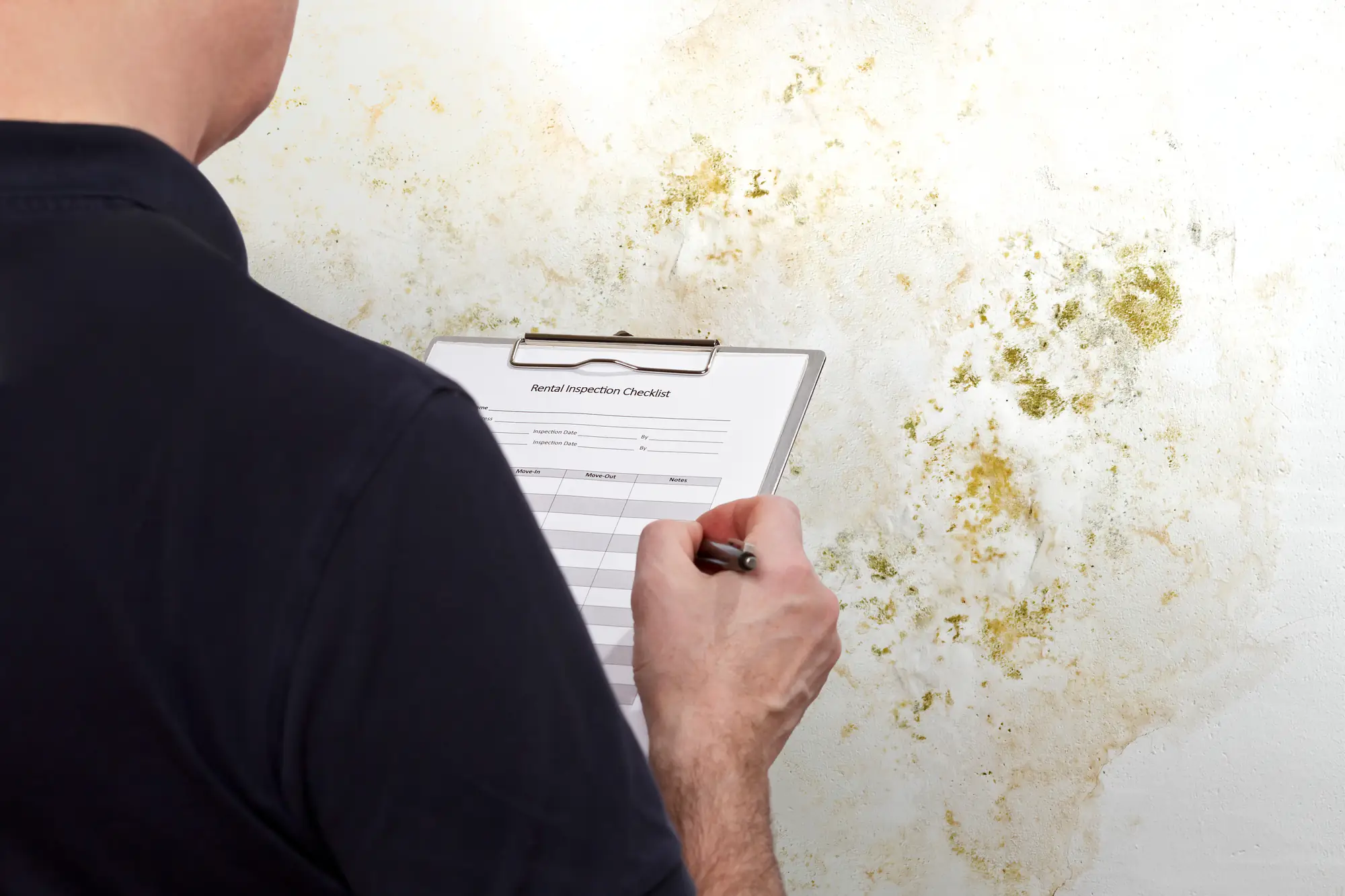
We start with a full visual inspection of your property. That means checking obvious areas like bathrooms and basements, but also looking where most people don’t—inside HVAC ducts, behind appliances, under carpets, around windows.
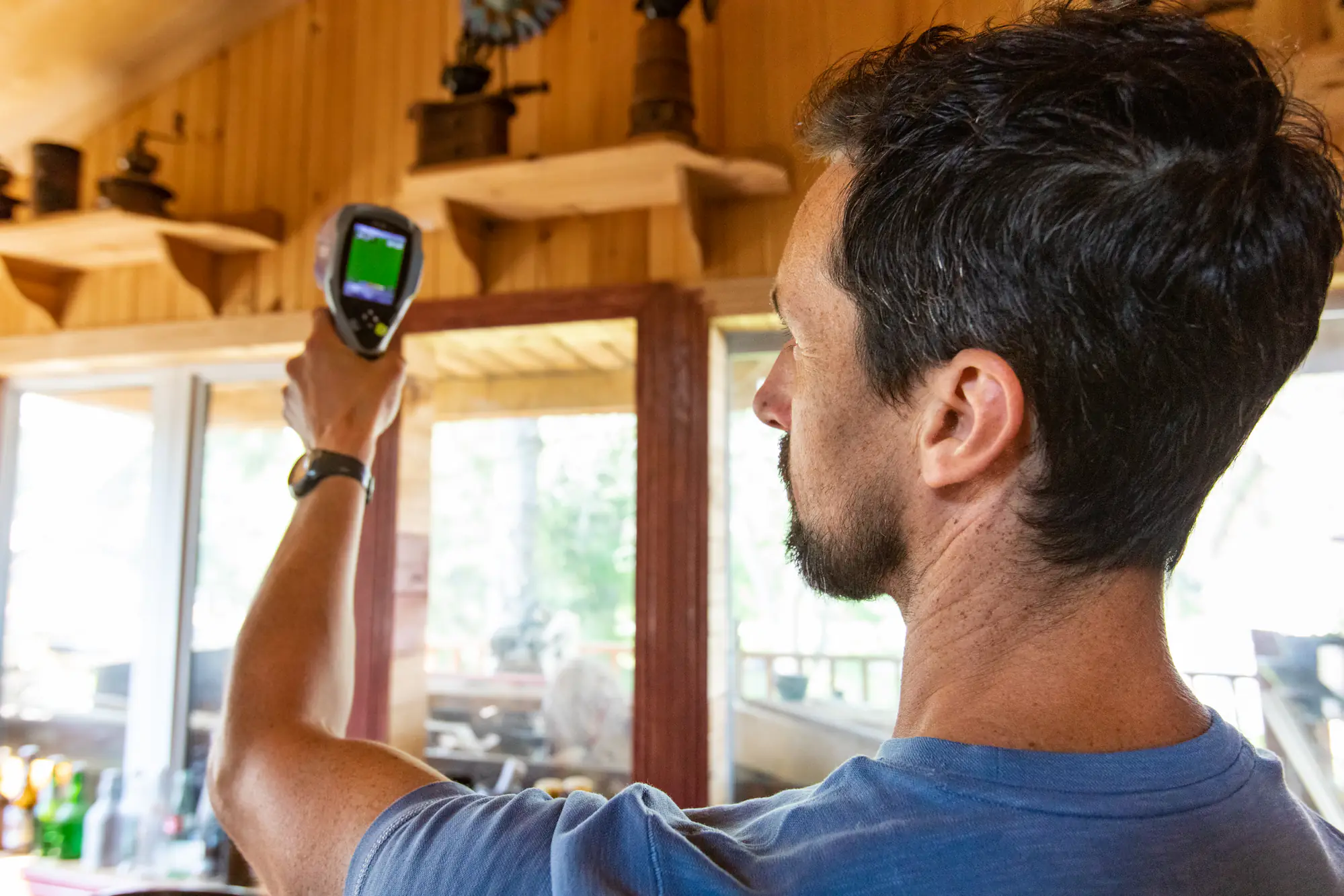
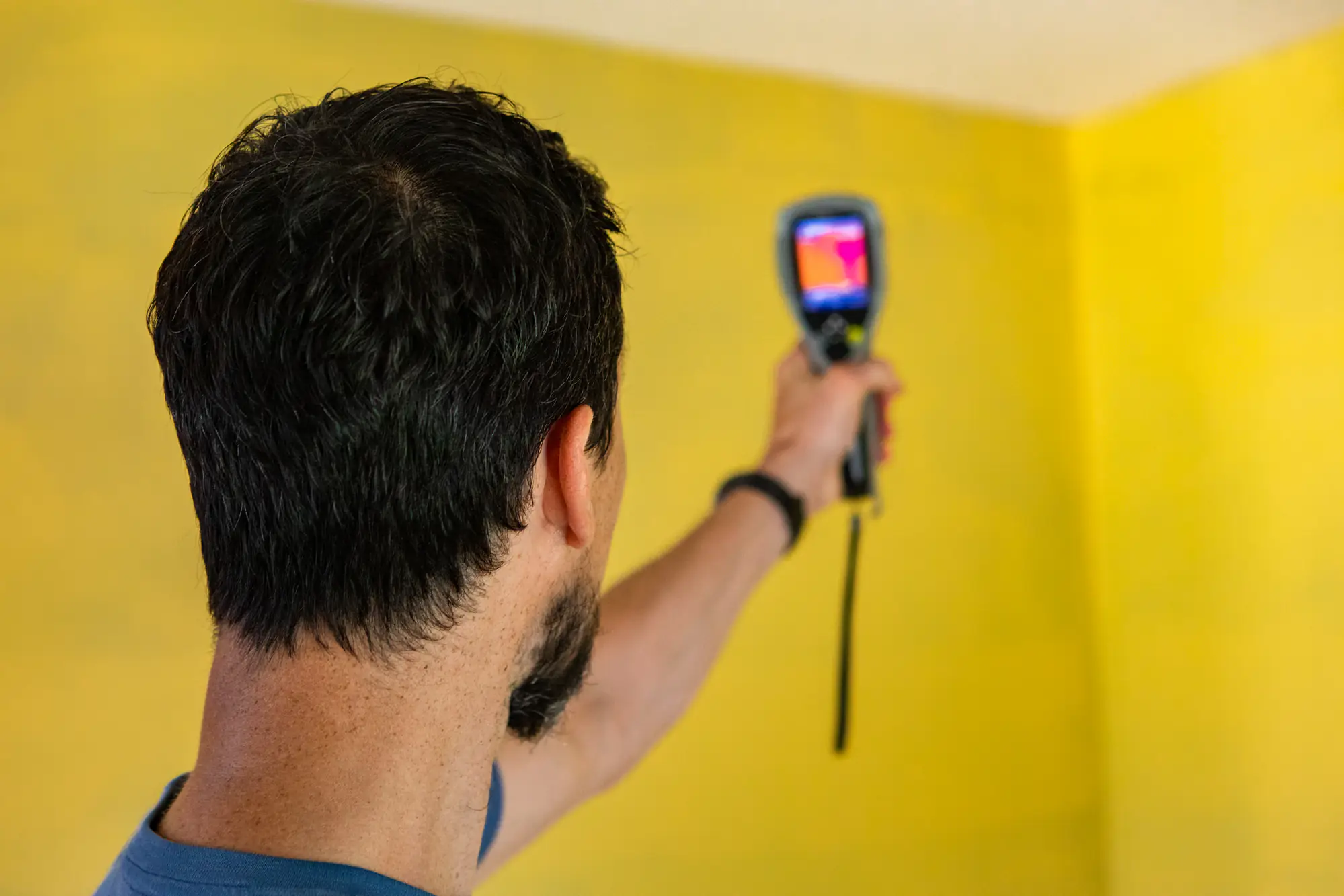
We use moisture meters and thermal imaging to detect hidden water sources feeding mold growth. Then we collect samples. Air samples measure spore concentration in your indoor air compared to outdoor levels. Surface samples test visible growth or suspicious areas. We typically collect at least two air samples as part of our standard inspection.
Samples go to an EPA-certified lab for analysis. You get a comprehensive report identifying mold types, concentration levels, and specific locations. We walk you through the results in plain language—what’s normal, what’s not, and what your options are. If remediation is needed, we explain the scope and cost. If testing shows you’re clear, you have documentation proving it.
Ready to get started?
Our standard residential mold testing starts at $300. That includes a complete visual examination, moisture detection using professional-grade tools, and two air samples for lab analysis—one inside, one outside for comparison.
Pennsylvania ranks in the top 60% of states for mold susceptibility. Cedar Park’s location in Bucks County means you deal with humidity, occasional flooding, and older housing stock that wasn’t built with modern moisture barriers. We account for these factors during inspection.
Additional testing—surface swabs, bulk samples, or extra air samples—runs $50 to $350 per sample depending on what’s needed. We don’t upsell unnecessary tests. If your situation calls for more extensive sampling, we explain why before collecting anything.
You also get expert identification of moisture sources. Finding mold is one thing. Finding what’s feeding it matters more. We locate leaks, condensation points, ventilation problems, and drainage issues so you can address the root cause—not just the symptom.
You need testing if you see visible mold growth, smell persistent musty odors, or experience unexplained health symptoms like respiratory irritation, headaches, or allergy-like reactions that improve when you leave the property. You also need it after any water damage—even if you dried everything quickly.
Testing is critical before buying a home in Cedar Park. Many older properties in Bucks County have hidden moisture issues that don’t show up during standard home inspections. A mold test gives you leverage in negotiations or lets you walk away from a problem property.
If you’ve had mold remediation done previously, post-treatment testing confirms the job was completed correctly. Some companies skip this step. You shouldn’t. Clearance testing proves spore levels are back to normal and the source of moisture has been eliminated.
A mold inspection is the visual examination and moisture detection work. An inspector looks for visible growth, checks for water damage, uses thermal imaging and moisture meters to find hidden problems, and identifies conditions that support mold growth.
Mold testing involves collecting actual samples—air, surface, or bulk—and sending them to a lab for analysis. Testing tells you what type of mold is present, the concentration levels, and whether it’s a health concern. Not all mold is toxic, but you won’t know which type you have without lab results.
Most professional mold assessments include both inspection and testing. The inspection finds where to test. The testing confirms what’s there. You need both for a complete picture. Some companies will try to sell you testing without a thorough inspection first—that’s backwards and usually means they’re cutting corners.
The on-site inspection and sample collection typically takes one to two hours depending on your property size and the number of areas we’re testing. We’re thorough but efficient—we’re not going to waste your entire day.
Lab analysis takes three to five business days in most cases. Rush processing is available if you’re dealing with a time-sensitive situation like a real estate closing or an insurance claim deadline. Standard turnaround is usually fine for most homeowners.
Once results come back, we schedule a follow-up call or meeting to review findings. We don’t just email you a report and disappear. You get a clear explanation of what the lab found, what it means for your property, and what your next steps should be—whether that’s remediation, monitoring, or simple moisture control improvements.
Insurance typically covers mold testing and remediation if the mold resulted from a covered event—like a burst pipe, roof leak during a storm, or appliance malfunction. If mold developed due to long-term neglect, poor maintenance, or chronic moisture problems you didn’t address, coverage is unlikely.
You’ll need documentation showing the timeline and cause. That’s where professional testing helps. Our lab reports provide the evidence insurance adjusters require to process claims. We’ve worked with enough claims in the Cedar Park area to know what documentation carriers expect.
Call your insurance company before scheduling testing if you’re planning to file a claim. Some policies require you to use specific contractors or get pre-approval. Others will reimburse you after the fact. Know your policy terms before spending money—it can save you headaches later.
DIY kits are cheap and convenient, but they’re not reliable for making decisions about your home. Most hardware store test kits only tell you if mold spores are present—which they always are. Every home has some level of mold spores. What matters is the type and concentration.
DIY kits don’t measure spore levels accurately, can’t identify specific mold species, and won’t locate hidden moisture sources. You might get a positive result and panic unnecessarily, or get a false negative because you didn’t sample the right location. Either way, you’re guessing.
Professional testing uses calibrated equipment, proper sampling techniques, and certified lab analysis. We compare indoor levels to outdoor baselines, test multiple locations, and identify moisture sources feeding growth. You get actionable information, not just a yes/no answer that doesn’t tell you what to do next.
If lab results show elevated mold levels or identify toxic species like black mold, we develop a remediation plan based on the extent of contamination. Small, contained areas might be manageable with targeted cleaning and moisture control. Widespread growth requires professional remediation.
We explain the scope of work, estimated costs, and timeline before any remediation starts. You’ll know what needs to be removed, what can be cleaned, and how we’ll prevent mold from returning. Transparency matters—especially when you’re already dealing with an unexpected problem.
After remediation is complete, we conduct clearance testing to verify spore levels are back to normal. That’s your proof the job was done right. Some homeowners also use clearance test results when selling their property later—it shows future buyers that any previous mold issues were properly addressed and resolved.
Other Services we provide in Cedar Park