
Hear from Our Customers
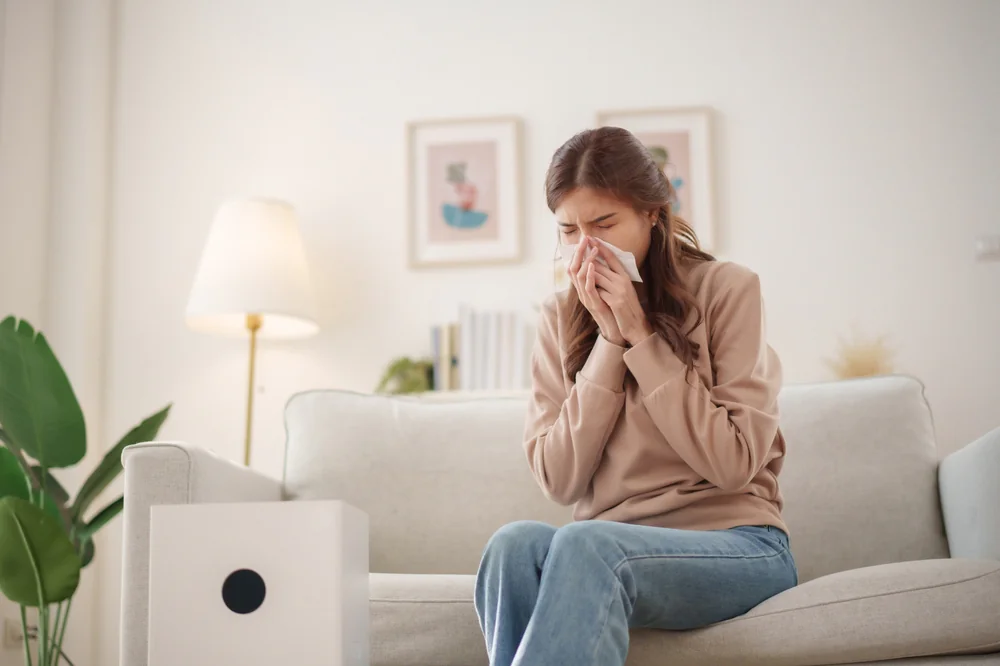
You notice the symptoms. Coughing that gets worse at night. Allergies that never seem to go away. A musty smell in the basement that you can’t quite place. Then you leave the house for a few days and suddenly everyone feels better.
That’s not a coincidence. Something in your air is affecting your family’s health, and you can’t fix what you can’t see.
A home air quality test shows you exactly what’s floating through your home—mold spores, allergens, dust mites, pet dander, and other pollutants that standard cleaning can’t touch. You get lab-certified results that tell you what’s there, how much of it exists, and whether it’s at levels that could harm your family. No guesswork. No assumptions. Just facts about the air your kids are breathing while they sleep.
Once you know what’s actually in your air, you can make informed decisions about your home. Maybe it’s a ventilation issue. Maybe it’s hidden mold from that roof leak two years ago. Maybe it’s nothing serious at all. But at least you’ll know.
We’ve been testing indoor air quality in Falls, PA and throughout Bucks County for years. We understand how this area’s humid summers and damp winters create perfect conditions for mold growth, especially in older homes with basements.
We’re not here to scare you into services you don’t need. We test your air, send samples to certified labs, and give you honest results with clear explanations. If there’s a problem, we’ll tell you what it is and what it means for your family’s health. If your air is fine, we’ll tell you that too.
Our team lives and works in this community. We know the local building types, the seasonal moisture patterns, and the specific air quality challenges that come with living in Bucks County.
First, we walk through your home and identify areas where air quality issues typically develop—basements, attics, crawl spaces, bathrooms, and anywhere you’ve had water damage or notice musty odors. We use moisture meters and infrared cameras to spot hidden dampness that could be feeding mold growth behind walls or under floors.
Then we collect air samples using specialized equipment that captures microscopic particles you can’t see. We take samples from multiple locations to get an accurate picture of what’s circulating through your home. We also check your HVAC system since that’s often where mold spores spread from room to room.
Your samples go to a certified laboratory for analysis. Within 3-5 business days, you get a detailed report that identifies specific mold types, spore counts, and other allergens present in your air. We review the results with you, explain what they mean in plain language, and answer your questions. If we find concerning levels of mold or other pollutants, we’ll recommend next steps. If your air quality is good, you’ll have peace of mind knowing your family is safe.
Ready to get started?
A residential air quality test from us analyzes your indoor air for all the common mold types found in Pennsylvania homes—black mold, Aspergillus, Penicillium, Cladosporium, and others that thrive in Bucks County’s humid climate. We also test for allergens like dust mites and pet dander that can trigger respiratory symptoms.
The testing process includes a full assessment of your home’s ventilation system. Poor airflow traps moisture and allows mold spores to accumulate, especially during Falls’ humid spring and summer months when temperatures hit the mid-80s and basements stay damp. We check for condensation problems that develop when cold winter air meets warm indoor spaces, creating the exact conditions mold needs to grow.
You get more than just test results. You get a complete picture of your indoor air quality with specific recommendations based on what we find. If you’re buying or selling a home in Falls, this documentation can be critical for Pennsylvania’s real estate disclosure requirements. If you’ve recently had water damage or completed mold remediation, post-testing confirms the air is safe again. And if you’re just concerned about unexplained health symptoms, testing either identifies the problem or rules out air quality as the cause.
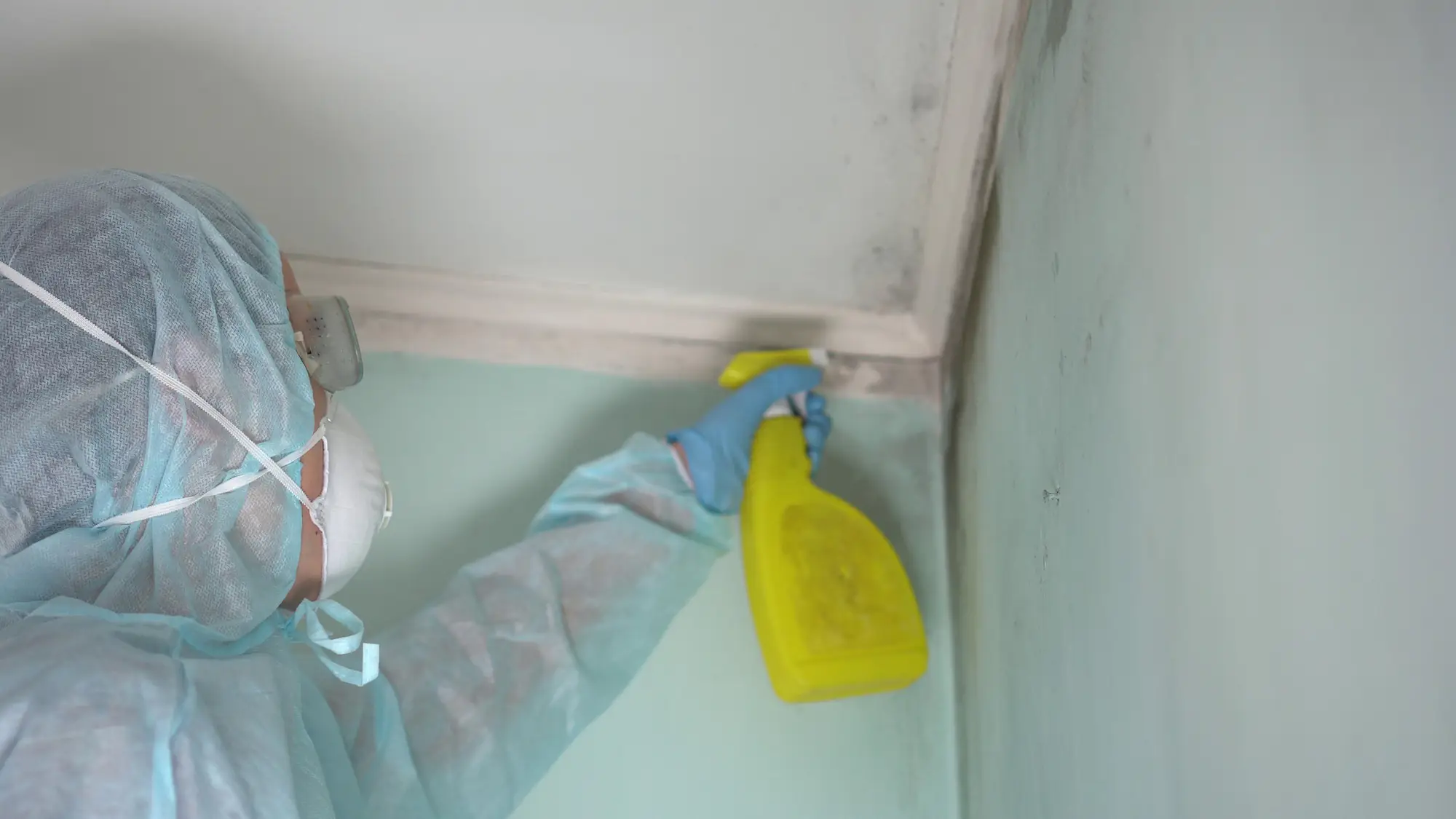
Most residential air quality testing in Falls runs between $300 and $800 depending on your home’s size and how many areas need testing. A basic mold air test for a small home with one or two sample locations costs less than comprehensive testing for a larger property with multiple levels, a basement, attic, and history of water damage.
The price includes the on-site inspection, air sample collection, certified laboratory analysis, and a detailed report with our recommendations. We don’t charge extra for using moisture meters or infrared cameras during the inspection—that’s standard equipment we bring to every job.
If you need both pre-remediation testing to identify problems and post-remediation testing to verify the air is clean after treatment, we can quote both services together. You can request a free online quote through our website, and we’ll call you back within 24-48 hours to discuss your specific situation and provide accurate pricing.
The most common sign is health symptoms that improve when you leave your home. If your family experiences persistent coughing, wheezing, nasal congestion, headaches, or allergy symptoms that get better at work or school but return at home, something in your indoor air is likely triggering those reactions.
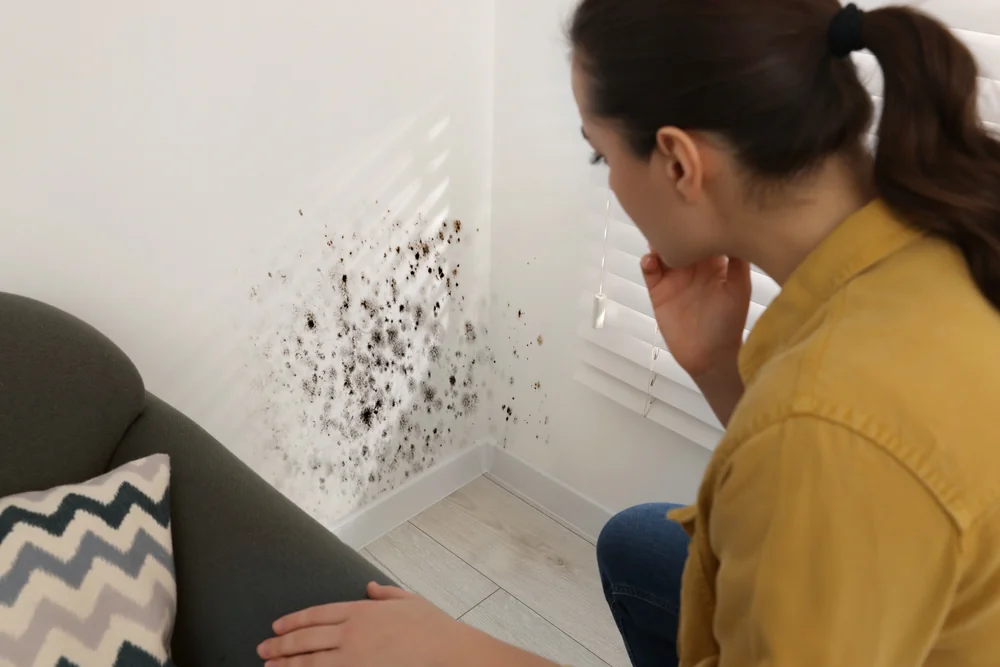
Musty odors are another clear indicator, especially in basements, bathrooms, or areas that stay damp. That smell means mold is actively growing somewhere, even if you can’t see it. Visible water damage, roof leaks, basement flooding, or condensation on windows also create conditions where mold thrives and air quality suffers.
You should also test if you’re buying a home in Falls or anywhere in Bucks County, particularly older properties with basements. Testing before you buy can reveal hidden mold problems that could cost thousands to remediate. And if you’ve recently had mold removed from your home, post-remediation testing confirms the treatment worked and your air is safe again.
The on-site inspection and sample collection typically takes 1-2 hours depending on your home’s size and how many areas we’re testing. We’re thorough but efficient—we know you’re busy and don’t want technicians in your home all day.
After we collect the samples, they go to a certified laboratory for analysis. You’ll receive detailed results within 3-5 business days. The report identifies specific mold types, spore counts, and other pollutants found in your air, along with information about health implications and recommended next steps.
If we discover any immediate health concerns during the inspection—like extensive visible mold growth or extremely high moisture levels—we’ll contact you right away rather than waiting for lab results. But in most cases, the full analysis takes a few business days because the lab needs time to properly identify and quantify everything in your air samples.
DIY air quality test kits exist, but they have significant limitations. Most consumer kits only test for the presence of mold, not the type or concentration. That matters because some mold species are far more dangerous than others, and spore counts determine whether levels are actually harmful or just normal background amounts.
Professional air quality testing uses calibrated equipment that captures microscopic particles DIY kits miss. We also use moisture meters and infrared cameras to find hidden mold sources behind walls, under floors, and in other areas you can’t access with a home test kit. Our samples go to certified laboratories that can identify specific mold species and provide accurate spore counts.
The bigger issue is interpretation. Even if a DIY kit detects mold, you won’t know if it’s a serious problem or normal levels that exist in every home. Professional testing gives you context—we explain what the results mean for your family’s health and whether remediation is actually necessary. That’s worth the investment if you’re dealing with unexplained health symptoms or making decisions about buying or selling a home.
Black mold (Stachybotrys) gets the most attention, but it’s actually less common than people think. In Falls and throughout Bucks County, we more frequently find Aspergillus, Penicillium, and Cladosporium—mold types that thrive in Pennsylvania’s humid climate and cause respiratory problems for sensitive individuals.
Aspergillus grows in damp areas with poor ventilation, especially basements and bathrooms. It produces allergens and irritants that trigger asthma attacks and allergic reactions. Penicillium appears on water-damaged materials like drywall, carpets, and insulation—common after roof leaks or basement flooding. Cladosporium grows on both warm and cold surfaces, so you’ll find it in attics during summer and on cold basement walls during winter.
All of these mold types release spores into your air that you breathe every day. The concentration matters more than the type in most cases. Even common molds become health hazards at high spore counts, especially for young children, older adults, and anyone with asthma or compromised immune systems. That’s why professional testing measures both what’s in your air and how much of it exists.
Yes, post-remediation testing is the only way to verify that mold removal actually worked. Even professional remediation can miss hidden mold or fail to reduce spore counts to safe levels. Without testing, you’re assuming the air is clean—you’re not confirming it.
Post-remediation air quality testing compares spore counts after treatment to either outdoor air or pre-remediation levels. If the remediation was successful, indoor spore counts should be similar to or lower than outdoor levels. If they’re still elevated, additional treatment is needed before the space is safe to occupy.
This is especially important if the mold remediation was done as part of a real estate transaction. Buyers want documented proof that the air quality issue has been resolved before closing. Sellers want confirmation that they’ve met their disclosure obligations under Pennsylvania law. Post-testing provides that documentation and protects both parties. It also gives you peace of mind knowing your family isn’t breathing the same contaminated air that caused health problems before remediation.
Other Services we provide in Falls