
Hear from Our Customers
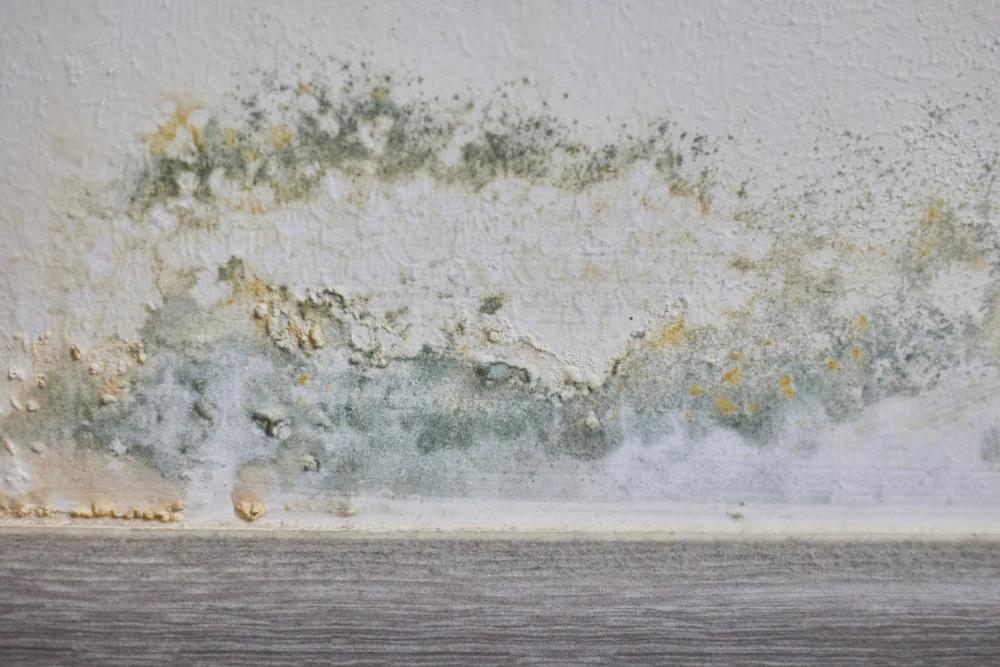
Mold mitigation isn’t just about removing what you can see. It’s about stopping spores from spreading, identifying moisture sources, and making sure the problem doesn’t come back next season.
When mold gets into your walls or under your floors, it affects the air your family breathes. You might notice sneezing, coughing, or congestion that won’t quit. Kids and anyone with asthma feel it worse.
The other thing most people don’t realize until it’s too late: mold can drop your home’s value by 20 to 37 percent. If you’re selling, buyers will walk away the moment an inspector finds it. If you’re staying, you’re living with a problem that gets more expensive every month you wait.
Professional mold mitigation means using thermal imaging to find hidden moisture, lab testing to identify exactly what you’re dealing with, and containment protocols that keep spores from spreading during removal. It means drying everything out completely and addressing the source so you’re not doing this again in six months.
We serve Falls, PA and the surrounding Bucks County area with certified mold mitigation services. We’re not a franchise operation. We’re local, and we know exactly how Pennsylvania’s humidity and older home construction create perfect conditions for mold growth.
Our team uses moisture meters, thermal imaging cameras, and certified lab analysis to find problems other companies miss. We work directly with your insurance company to handle claims documentation, and we’re available 24/7 when you need emergency response.
Every inspection is free. Every estimate is transparent. And every job follows the New York Department of Health Mold Remediation Guidelines because Pennsylvania doesn’t regulate mold work—but we hold ourselves to a higher standard anyway.
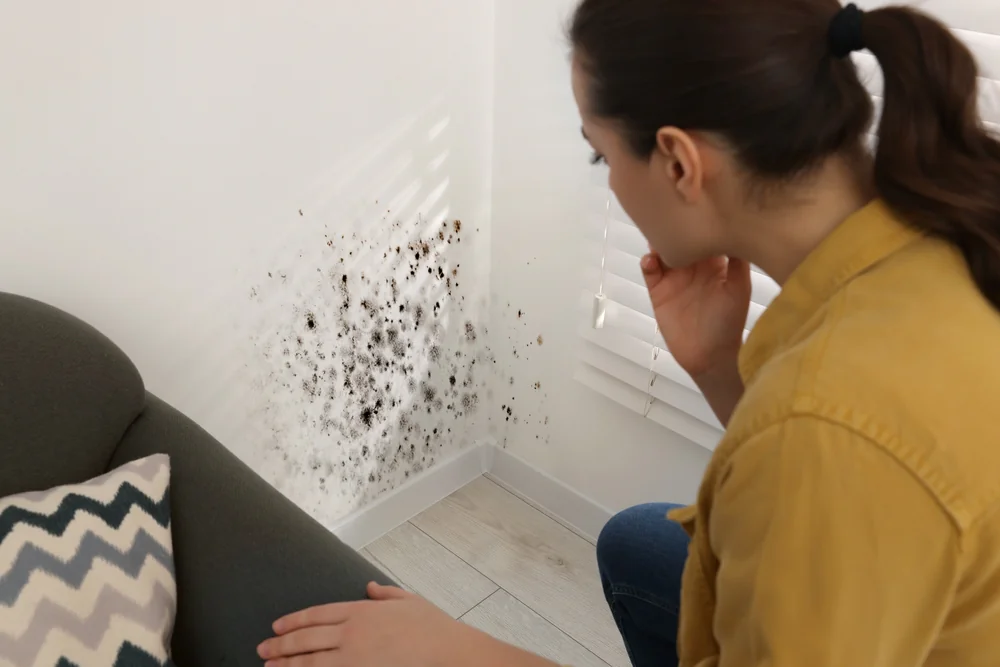
First, we inspect your property at no cost. We’re looking for visible mold, but also using thermal imaging and moisture meters to find elevated humidity levels behind walls, under floors, and in crawl spaces where mold hides.
Next, we collect air samples and surface samples for certified laboratory analysis. This tells us what species of mold you’re dealing with and how concentrated it is. That matters because different molds require different approaches, and you deserve to know exactly what’s in your home.
Once we have lab results, we give you a detailed written estimate. No surprises. No upselling. Just a clear plan that addresses the contamination and the moisture source causing it.
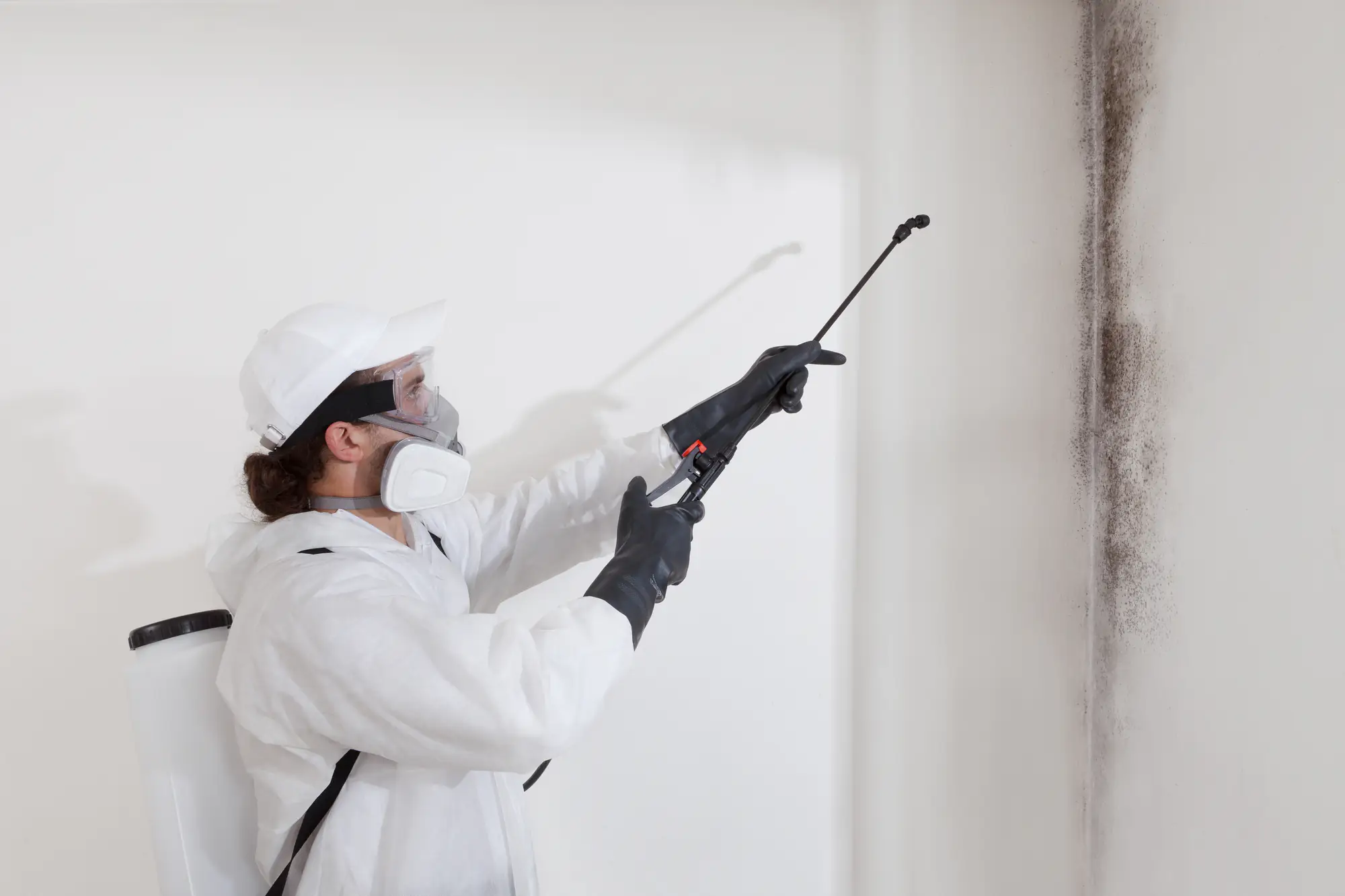
During mitigation, we set up containment barriers and negative air pressure to prevent spores from spreading to clean areas. We remove contaminated materials safely, treat affected surfaces, and dry everything completely using commercial-grade equipment. Then we verify the work with post-remediation testing.
The whole process typically takes two to five days depending on the extent of damage. You’ll know the timeline upfront, and we’ll keep you updated as we go.
Ready to get started?
Professional mold mitigation services cover everything from initial assessment through final verification. You get free inspection with moisture mapping, certified lab analysis that identifies specific mold species, and a customized removal plan based on actual test results.
We handle containment setup, HEPA air filtration during the work, safe removal of contaminated materials, antimicrobial treatment of affected surfaces, and complete structural drying. All of it follows industry protocols designed to protect your family and prevent cross-contamination.
In Falls, PA and throughout Bucks County, we pay special attention to basements, crawl spaces, and areas around windows where local humidity creates ongoing moisture problems. Pennsylvania homes—especially older construction—weren’t built with the same moisture barriers newer homes have. That means water finds its way into wall cavities and stays there.
We also document everything for insurance purposes. Most homeowners policies cover mold mitigation when it results from a covered water damage event. We work directly with adjusters to streamline your claim and make sure you’re getting the coverage you’re entitled to.
After mitigation is complete, we provide recommendations for preventing future growth. Sometimes that means better ventilation. Sometimes it’s addressing grading issues or gutter problems. We’ll tell you what actually matters for your specific situation.
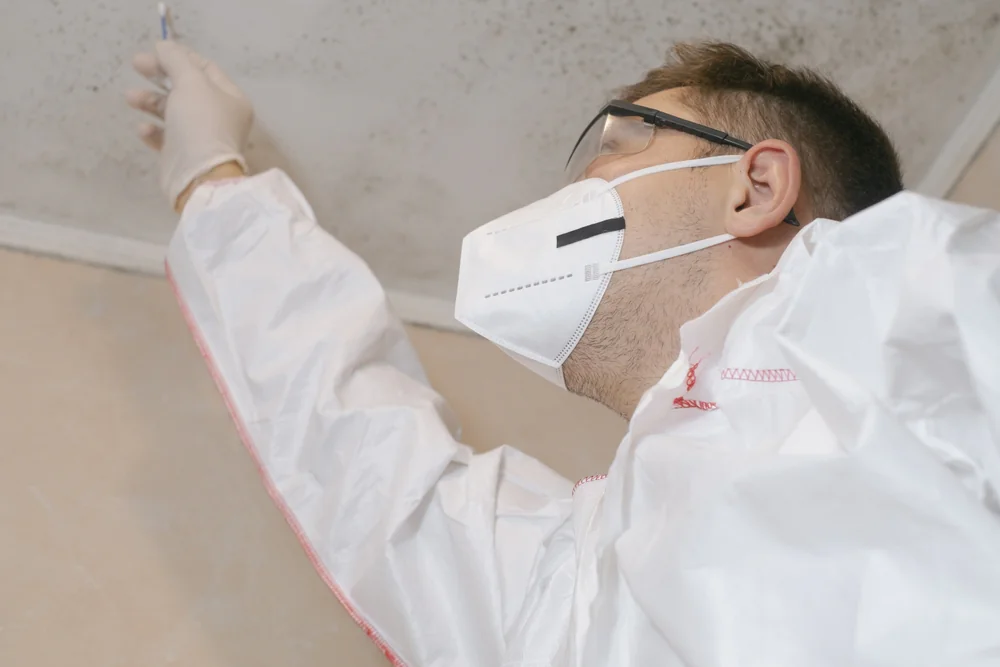
The terms get used interchangeably, but there’s a distinction worth knowing. Mitigation focuses on reducing mold levels and preventing further growth—it’s about containment and control. Remediation is the full removal and restoration process.
In practice, most professional mold work includes both. You can’t just remove visible mold and call it done. You need to address the moisture source, contain the area during removal to prevent spores from spreading, remove contaminated materials, treat surfaces, dry everything completely, and verify the work with testing.
When you call us for mold mitigation in Falls, PA, you’re getting comprehensive service that handles the entire problem. The important thing isn’t what you call it—it’s making sure we use proper containment, follow safety protocols, address the root cause, and verify our work with post-testing.
Mold can begin forming within 24 to 48 hours after water intrusion. During the first day, water spreads through drywall, baseboards, carpet padding, and wood framing. If those materials aren’t dried within that window, mold spores that are already present everywhere start colonizing.
This is why emergency response matters. The faster you dry out affected areas, the better your chances of preventing mold growth entirely. Household fans and dehumidifiers might work for minor spills, but significant water damage—especially when moisture penetrates wall cavities or subfloor assemblies—requires commercial equipment.
If you’ve had a leak, flood, or sewage backup, don’t wait to see if mold appears. By the time you see visible growth, the problem has already spread beyond what’s visible. Call us for professional assessment within the first 24 hours. Even if you think you’ve dried everything, moisture meters and thermal imaging often reveal hidden dampness that will cause problems later.
Small areas of surface mold—less than 10 square feet—can sometimes be cleaned by homeowners using proper safety equipment and EPA-approved cleaning methods. But black mold mitigation usually requires professional help for several reasons.
First, disturbing mold releases massive amounts of spores into the air. Without proper containment and negative air pressure, you’re spreading the problem throughout your home. Second, visible mold is often just the surface. Black mold growing on drywall means there’s likely more behind it, and you won’t know the extent without moisture mapping and inspection.
Third, black mold exposure carries real health risks, especially during removal when spore counts spike. We use respirators, protective clothing, and containment barriers that most homeowners don’t have access to. And finally, DIY removal doesn’t address the moisture source. You might scrub away surface growth, but if the underlying dampness remains, mold comes back.
If you’re dealing with black mold in Falls, PA, get a free professional inspection from us. You’ll know exactly what you’re facing, what it’ll cost to fix properly, and whether insurance might cover it.
Professional mold mitigation typically costs between $500 and $6,000 depending on the extent of contamination, location of the mold, and how much material needs removal. Small, contained areas cost less. Mold that’s spread through HVAC systems or affected multiple rooms costs more.
The price includes inspection, lab testing, containment setup, removal of contaminated materials, treatment and drying, and post-remediation verification. Some companies charge separately for each service. We provide one transparent estimate that covers everything.
Several factors affect cost. Mold behind walls requires opening drywall and replacing it after treatment. Crawl space mold might need encapsulation. If your HVAC system is contaminated, ductwork needs cleaning or replacement. And if the moisture source requires plumbing repairs or waterproofing work, that’s additional.
Here’s what matters: early intervention costs less. Mold that’s been growing for months requires more extensive removal than mold caught in the first few weeks. And while cost matters, cheap mold work that doesn’t address the root cause means you’ll be paying again in six months. Get a detailed written estimate from us, make sure lab testing is included, and verify we follow proper protocols.
Most homeowners insurance policies cover mold mitigation when it results from a covered peril—usually sudden water damage like burst pipes, appliance leaks, or storm damage. What insurance typically won’t cover is mold resulting from long-term neglect, maintenance issues, or flooding.
The key is documentation and timing. If you have water damage, report it to your insurance company immediately and start the mitigation process fast. Insurance adjusters want to see that you took reasonable steps to prevent further damage. Waiting weeks to address water intrusion can give them grounds to deny mold coverage.
We work directly with insurance companies and handle the documentation they require. That includes detailed photos, moisture readings, lab results, and a scope of work that explains exactly what needs to be done and why. We’ve helped hundreds of Falls, PA homeowners navigate the claims process.
Before starting any work, check your policy and call your insurance company. Ask specifically about mold coverage limits and what documentation they need. Then get professional assessment and a detailed estimate from us that you can submit with your claim. Even if insurance doesn’t cover everything, you’ll know exactly what you’re responsible for before work begins.
Preventing mold comes down to controlling moisture. After we remove existing contamination, you need to address whatever caused the problem in the first place and maintain conditions that don’t support mold growth.
Start with the basics: fix any plumbing leaks immediately, make sure your gutters and downspouts direct water away from your foundation, and check that your property grading slopes away from the house. In Falls, PA, basement moisture is common because of our climate and older home construction. Consider a dehumidifier for your basement, especially during humid summer months.
Improve ventilation in bathrooms and kitchens. Run exhaust fans during and after showers. Make sure your dryer vents outside and the ductwork isn’t leaking. Check around windows and doors for condensation—that’s a sign of poor sealing or ventilation issues. In crawl spaces, vapor barriers and proper ventilation make a huge difference.
After mitigation, we’ll give you specific recommendations based on what we found during inspection. Sometimes it’s simple fixes. Sometimes it requires waterproofing or HVAC improvements. The investment in prevention is always less than dealing with mold growth again. And regular inspections—especially if you’ve had problems before—catch new moisture issues before they become mold issues.
Other Services we provide in Falls