
Hear from Our Customers
You’ve noticed the symptoms. Headaches that won’t quit. Allergies that flare up the second you walk in the door. Kids with runny noses all summer, even when pollen counts are low.
Something’s off with your air, but you can’t see it. That’s the problem with indoor air pollution—it’s invisible until a professional air quality test actually measures what’s floating around your home.
A home air quality test tells you what’s there: mold spores from last year’s basement leak, allergens trapped in your HVAC system, pollutants that have been building up in corners you can’t reach. Once you know what you’re dealing with, you can actually fix it. No more wondering if it’s the house or just bad luck. You’ll have data, and from there, you’ll have options.
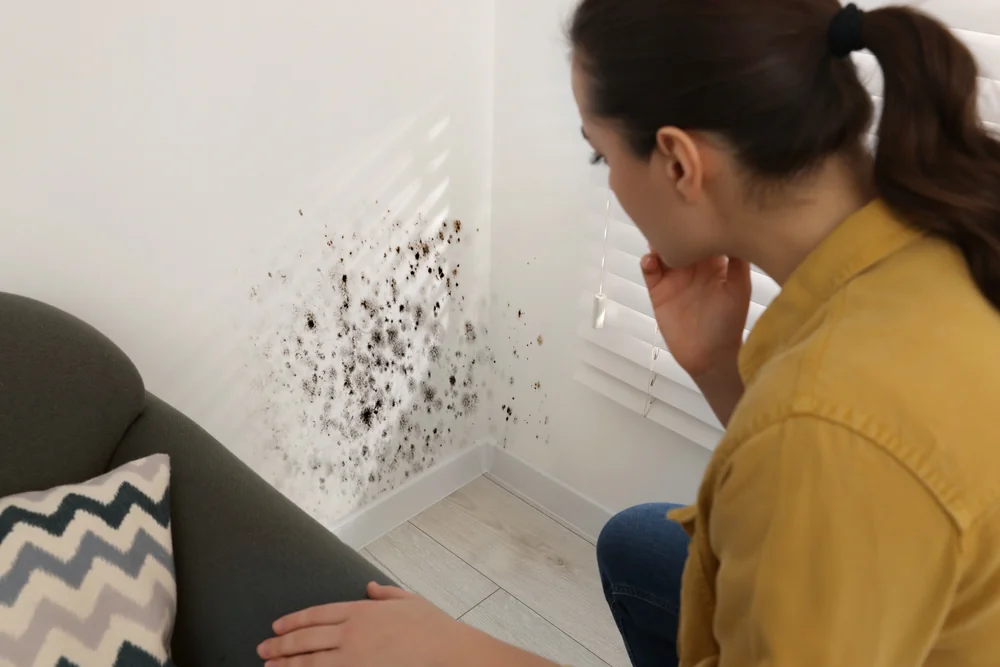
Most families we test are breathing air that’s two to five times more polluted than what’s outside. That’s not a scare tactic—that’s what happens when homes trap moisture, dust, and organic material with nowhere to go. Especially here in Fallsington, where humid summers create perfect conditions for mold growth in attics, crawl spaces, and behind walls.
We focus on one thing: identifying and eliminating mold problems in Bucks County homes. We’re not a general restoration company that does a little bit of everything. We don’t do water damage, fire cleanup, or emergency board-ups.
We test air quality, find mold, and remove it. That’s it.
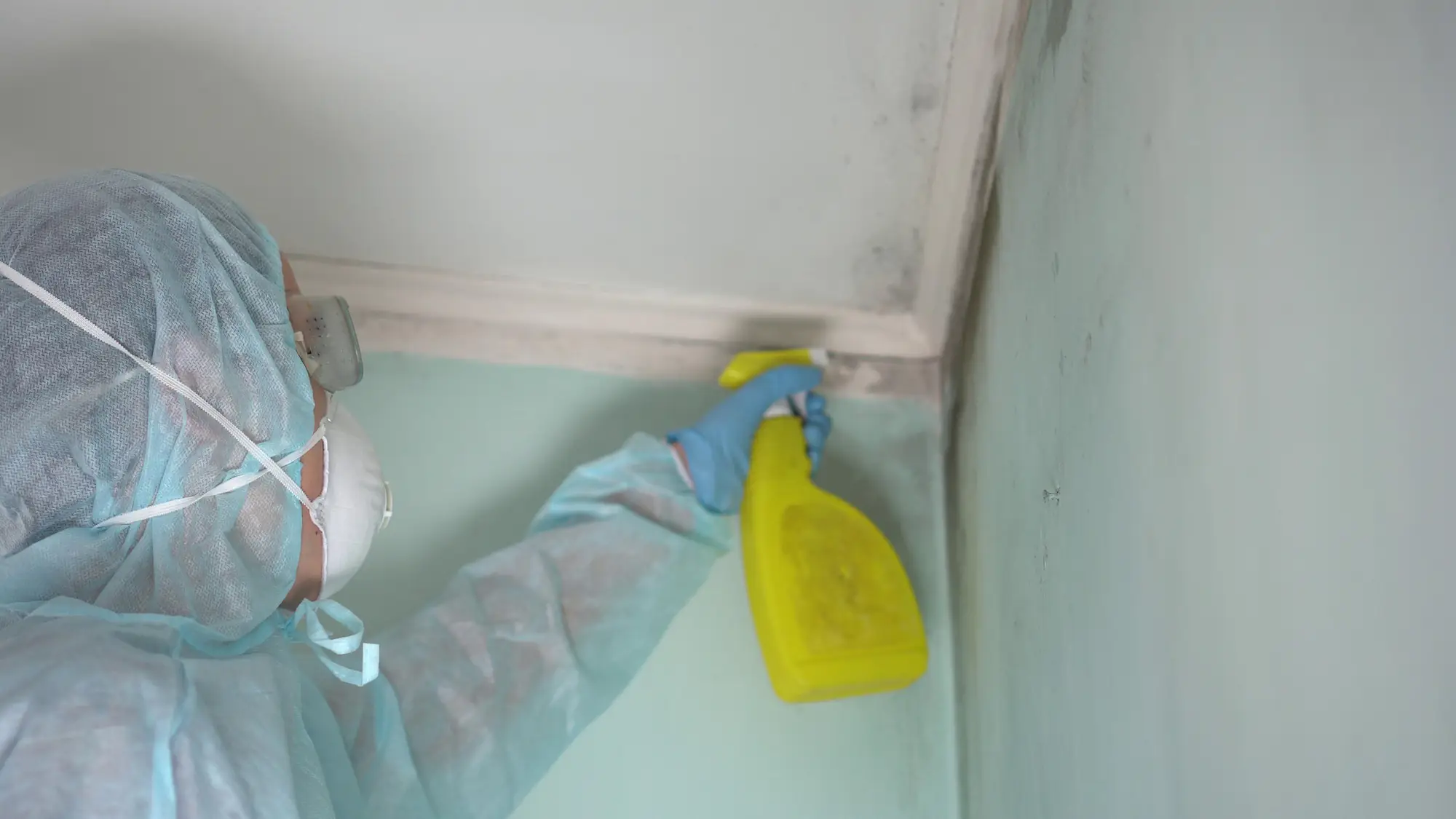
That focus matters because mold remediation isn’t something you want handled by a generalist. It requires specific equipment, EPA-approved methods, and an understanding of how mold grows in Pennsylvania’s climate. Fallsington’s dense suburban housing, older construction, and humid conditions mean mold hides in predictable places—and we know where to look.
We’ve been serving families in Bucks County long enough to know that most people don’t call us because they want to. They call because something’s wrong and they need straight answers. We give you those answers with a free inspection, clear communication, and no upselling.

First, we walk through your home and look for signs of moisture problems, poor ventilation, or visible mold. Most air quality issues start with water—leaks, condensation, humidity that never fully dries out. We check attics, basements, crawl spaces, and anywhere air doesn’t circulate well.
Then we collect air samples using professional-grade equipment. These samples get sent to a lab that identifies exactly what’s in your air: mold species, spore counts, allergens, and other pollutants. This isn’t a DIY kit from the hardware store—it’s the same testing method used by industrial hygienists and environmental consultants.
You’ll get a full report within a few days. It breaks down what we found, where the problem likely started, and what needs to happen next. If there’s mold, we’ll tell you the type and whether it’s something that requires immediate remediation or just better ventilation.
From there, you decide what to do. If you want us to handle the remediation, we’ll give you a clear scope of work and a price. If you want a second opinion or need time to think, that’s fine too. The testing stands on its own—you’re not locked into anything.
Ready to get started?
A residential air quality testing service from us includes a full visual inspection, air sampling in multiple areas of your home, and lab analysis that identifies mold types and concentration levels. We also check for moisture sources, ventilation issues, and conditions that allow mold to grow.
Fallsington homes face specific challenges. The area’s humid summers mean air conditioning systems that run constantly, and when those systems aren’t maintained, they trap moisture and spread mold spores. Older homes with poor attic ventilation see heat and humidity build up, creating ideal conditions for mold growth on wood framing and insulation.
We also see a lot of basement moisture problems. Bucks County sits in a region with clay-heavy soil that doesn’t drain well. Water finds its way into basements through foundation cracks, window wells, and sump pump failures. Even if you don’t see standing water, elevated humidity is enough to grow mold on drywall, carpet backing, and stored belongings.
The testing process accounts for all of this. We’re not just measuring air quality in your living room—we’re investigating the spaces where problems actually start. That’s how you get useful results instead of surface-level data that doesn’t lead anywhere.
Professional whole-home air quality testing typically runs between $300 and $1,000, depending on the size of your home and how many areas need sampling. That price includes the inspection, lab analysis, and a detailed report.
DIY test kits cost around $10 to $50, but they only tell you if mold is present—not what type, how much, or where it’s coming from. If you’re dealing with health symptoms or visible moisture problems, a professional test gives you actionable information instead of a yes-or-no answer.
We offer free inspections to assess whether testing is even necessary. Sometimes the problem is obvious and we can move straight to remediation. Other times, testing is the only way to confirm what’s happening behind walls or in your HVAC system.
A mold air test identifies mold spores in your air, including the species and concentration levels. Different molds cause different problems—some are allergenic, others produce toxins, and a few are just cosmetic nuisances. The lab report tells you which ones are present and whether the levels are abnormal compared to outdoor air.
We also look for conditions that contribute to poor air quality: high humidity, inadequate ventilation, moisture intrusion, and organic material that mold feeds on. Air testing doesn’t detect radon or carbon monoxide—those require separate tests—but it covers the biological pollutants that cause most respiratory and allergy symptoms.
If you’re experiencing unexplained health issues, testing gives you a baseline. About 10% of people are severely allergic to mold, and symptoms include headaches, fatigue, skin rashes, respiratory problems, and difficulty concentrating. Knowing what’s in your air helps you connect the dots.
The on-site inspection and air sampling usually take one to two hours, depending on the size of your home and how many areas we’re testing. We collect samples from multiple rooms, plus any problem areas like basements, attics, or crawl spaces.
Lab results come back within three to five business days. Once we have the report, we’ll walk you through the findings and explain what they mean in plain terms. If remediation is needed, we’ll outline the scope of work and give you a timeline for getting it done.
The whole process—from scheduling your free inspection to receiving your lab report—typically takes about a week. If you’re dealing with urgent health symptoms or visible mold growth, we can prioritize your testing and move faster.
Yes, if you’re experiencing symptoms that suggest mold exposure—persistent allergies, respiratory issues, headaches, or fatigue that improve when you leave the house. Mold grows in hidden spaces: behind drywall, under flooring, inside HVAC ducts, and in wall cavities where leaks went unnoticed.
Air testing is the only way to measure what’s circulating through your home when there’s no visible growth. Spores are microscopic, and by the time you see mold on a surface, it’s usually been growing for weeks or months.
Testing also makes sense if you’ve had water damage in the past—even if it was cleaned up. Moisture problems often lead to mold growth in areas that weren’t fully dried or treated. A professional test confirms whether remediation is necessary or if your air quality is fine.
A mold inspection is a visual assessment. We look for signs of mold growth, moisture problems, water damage, and conditions that allow mold to thrive. It’s hands-on: we check behind appliances, inside crawl spaces, around windows, and anywhere water tends to accumulate.
Air testing involves collecting samples that get analyzed in a lab. It measures mold spore levels in your air and identifies specific species. Testing is more technical and gives you data that an inspection alone can’t provide.
Most of the time, we do both. The inspection tells us where to look and whether testing is necessary. The air samples confirm what’s there and how severe the problem is. Together, they give you a complete picture of your indoor air quality and what needs to happen next.
It depends on your policy and what caused the mold. Most homeowners insurance covers mold remediation if it resulted from a covered event—like a burst pipe, roof leak, or appliance failure. If mold developed because of long-term neglect, poor maintenance, or humidity issues, insurance typically won’t pay.
Air quality testing itself usually isn’t covered, but remediation costs often are if the mold stems from sudden water damage. We work with insurance companies regularly and can help you navigate the claims process.
The best approach is to call your insurance provider before testing and ask what’s covered under your policy. If you’re filing a claim, we’ll document everything thoroughly and provide the reports your adjuster needs. Even if insurance doesn’t cover it, addressing mold early prevents more expensive repairs down the road.
Other Services we provide in Fallsington