
Hear from Our Customers
You shouldn’t have to guess whether your home’s air is making your family sick. Unexplained coughing, stuffy noses that won’t quit, or that musty smell you can’t track down—these aren’t things you should just live with.
A home air quality test gives you actual data. Not a hunch, not a DIY kit that leaves you more confused than when you started. You get lab results that tell you exactly what’s in your air, how much of it there is, and whether it’s something you need to address now or just monitor.
That matters when you’re dealing with a $450,000 investment in East Rockhill. Homes here sit on large lots with mature trees and lush landscaping—beautiful, but also a recipe for moisture issues if water finds its way inside. Humidity from our climate doesn’t help either. Professional air quality testing catches problems early, before they turn into expensive remediation projects or ongoing health issues for your kids.
We serve East Rockhill and the surrounding Bucks County area with residential air quality testing that follows EPA-certified methodology. Our samples go to independent labs for analysis—the same process industrial hygienists use when accuracy actually matters.
We’re not here to upsell you on services you don’t need. The goal is to give you information that helps you make the right call for your home and your family. Sometimes that means remediation. Sometimes it means addressing a moisture source and monitoring. Either way, you’ll know what you’re dealing with.
East Rockhill’s combination of older homes and newer construction means every property has different vulnerabilities. We’ve seen how water moves through these homes, where mold tends to hide, and what actually works to fix it.
First, we talk. You tell us what you’re noticing—symptoms, smells, visible issues, water problems, whatever’s going on. That conversation shapes how we approach the testing.
Then we come to your home in East Rockhill and conduct the actual air sampling. We use a combination of air samples and surface testing depending on what makes sense for your situation. Air samples capture what’s floating around that you’re breathing in. Surface samples tell us what’s growing where you can’t see it.
The samples go to an independent lab for analysis. They identify specific mold species, measure spore concentrations, and compare your indoor air to outdoor baseline levels. You get a detailed report that breaks down what was found and what it means.
After that, we walk you through the results. If there’s a problem, we explain what’s causing it and what your options are. If the air quality is fine, you have documentation proving it—useful for your own peace of mind or if you’re buying or selling a home.
Ready to get started?
Our residential air quality testing covers more than just mold. We’re looking at the full picture of what’s in your indoor air—allergens, pollutants, anything that could be affecting your family’s health or your home’s condition.
You get EPA-certified sampling methods, not the unreliable DIY kits you can buy online. Those can’t tell you species identification or concentration levels. They definitely can’t give you documentation that meets Pennsylvania Department of Health standards if you need it for insurance or real estate purposes.
East Rockhill homes face specific challenges. July brings peak thunderstorm activity and the wettest conditions of the year. Winter means snow, ice, and the potential for ice dams or frozen pipes. Spring thaw can push water into basements. All of that creates opportunities for moisture intrusion, and moisture is what mold needs to grow.
A mold air test catches problems before they spread. It also rules out mold when your symptoms are actually caused by something else—dust, pet dander, or outdoor allergens tracked inside. Knowing what you’re dealing with is the first step to fixing it.
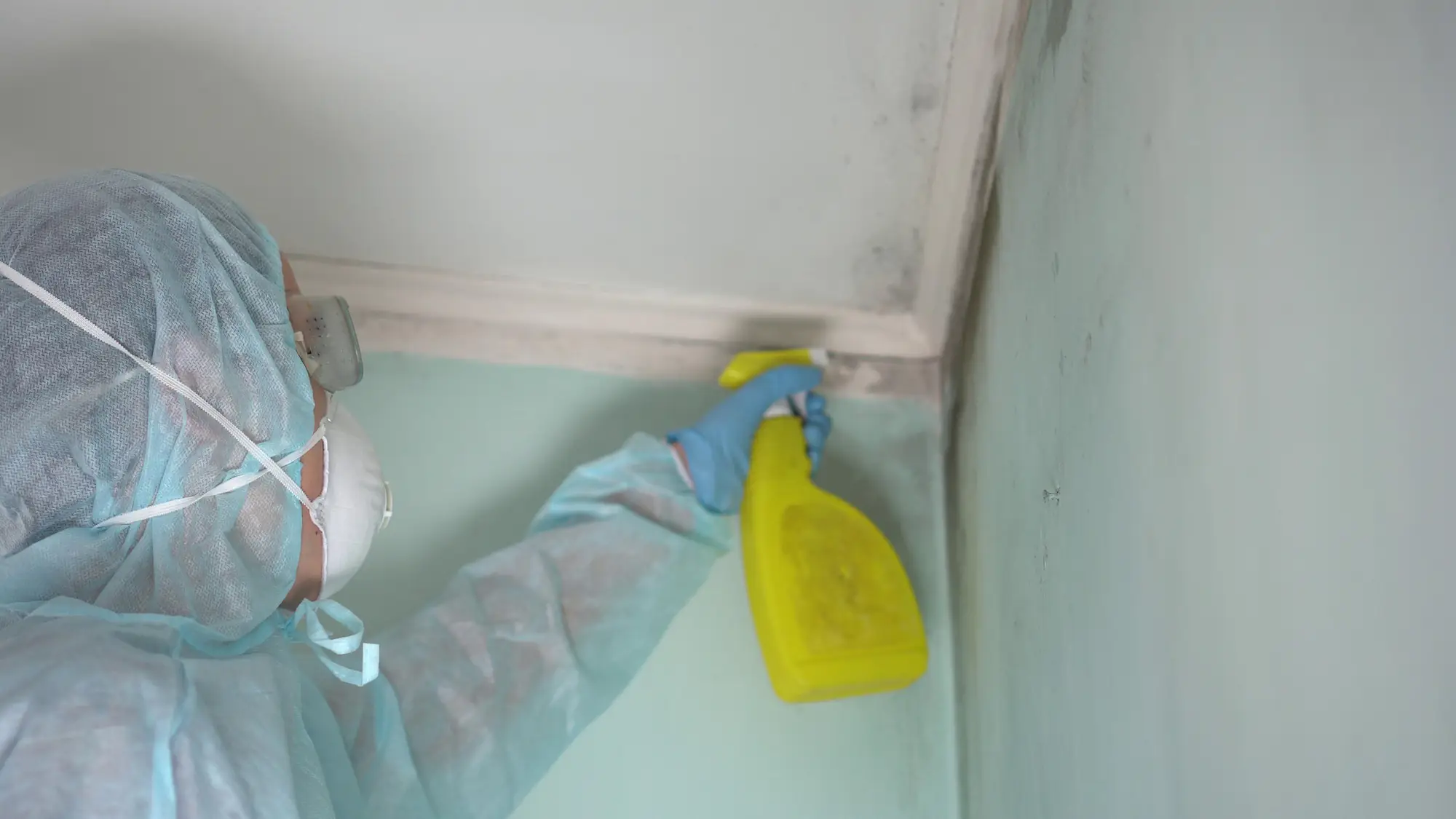
DIY kits can’t give you the information you actually need. They might tell you “mold is present,” but they won’t tell you what kind, how much, or whether it’s a health concern. Most DIY tests just grow whatever lands on the plate—which could be harmless outdoor mold that drifted in when you opened a window.
Professional testing uses controlled air sampling equipment that measures spore concentrations in the air you’re breathing. The samples go to an independent lab where they’re analyzed using methods recommended by the American Industrial Hygiene Association. You get species identification, concentration levels, and comparison to outdoor baseline samples.
That matters because not all mold is created equal. Some species are more concerning than others. Concentration levels tell you whether you’re dealing with normal background levels or actual contamination. Without that information, you’re just guessing—and guessing wrong can mean either ignoring a real problem or spending money on remediation you didn’t need.
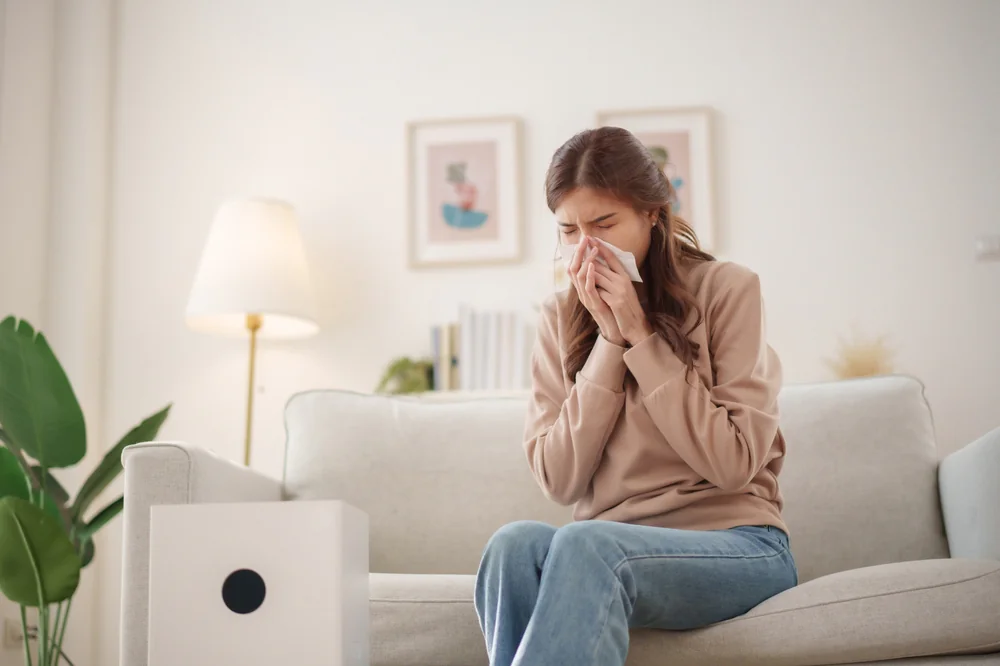
Persistent health symptoms are the biggest red flag. If you or your family members have stuffy noses, coughing, wheezing, itchy eyes, or skin rashes that won’t go away—especially if they improve when you leave the house—that’s worth investigating. Kids and elderly family members tend to show symptoms first.
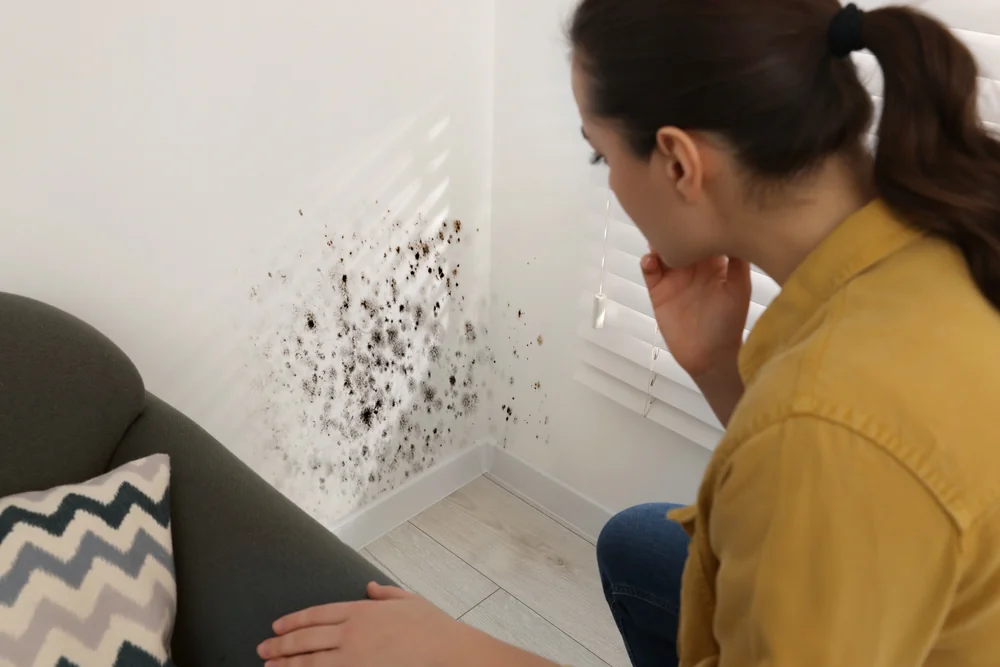
Musty odors are another sign, even if you can’t see visible mold. Mold often grows in hidden spaces: behind walls, under flooring, above ceiling tiles, or in HVAC systems. You smell it before you see it.
Water damage history is reason enough to test even without symptoms. If you’ve had roof leaks, plumbing issues, basement flooding, or HVAC problems, moisture got into your home. Where there’s moisture, there’s potential for mold growth. Testing tells you whether that potential became reality.
You should also test before buying a home in East Rockhill, especially older properties. A clean air quality report protects your investment. A contaminated one gives you negotiating power or the chance to walk away before you’re stuck with someone else’s mold problem.
The actual testing visit takes one to two hours depending on your home’s size and how many samples we need. We’re not just grabbing air samples and leaving. We’re doing a visual inspection, identifying potential moisture sources, and making sure we’re sampling the right areas.
Lab analysis typically takes three to five business days. The lab is identifying mold species, counting spore concentrations, and preparing a detailed report. Rushing that process means less accurate results, which defeats the purpose of professional testing.
Once we have the lab report, we schedule a follow-up call or meeting to walk you through the findings. We explain what was found, what the concentration levels mean, and whether you need to take action. If remediation is necessary, we outline what that looks like and give you a clear scope of work.
The timeline from initial contact to final results is usually seven to ten days. If you’re dealing with an urgent situation—active water damage, severe symptoms, or a real estate transaction deadline—we can prioritize your testing and request expedited lab analysis.
Air sampling detects mold spores that are circulating through your home’s air, including spores released by hidden mold colonies. If mold is growing behind your walls and releasing spores into the air you’re breathing, air sampling will catch it.
That said, not all hidden mold releases spores at detectable levels all the time. If mold is contained behind a vapor barrier or in a space with no air movement, it might not show up in air samples even though it’s there. That’s why we combine air sampling with visual inspection and moisture mapping.
We look for signs of water damage, check humidity levels, and use thermal imaging when needed to identify areas where moisture is present. If we find evidence of hidden moisture or water damage, we might recommend targeted surface sampling or exploratory investigation in specific areas.
The goal is to give you a complete picture. Air samples tell us what’s in your breathing space. Visual inspection and moisture detection tell us where problems are likely hiding. Together, those methods catch the vast majority of mold issues, even when the growth isn’t visible.
First, you get a clear explanation of what was found. The lab report shows specific mold species, concentration levels, and how your indoor air compares to outdoor baseline samples. We walk you through what those numbers mean for your health and your home.
If remediation is necessary, we identify the moisture source that’s feeding the mold growth. Removing mold without fixing the underlying moisture problem means it’ll just come back. We address both the growth and the cause.
Remediation scope depends on the extent of contamination. Small, contained areas might need surface cleaning and moisture control. Larger contamination requires containment, removal of affected materials, HEPA filtration, and thorough cleaning. We give you a detailed scope of work so you know exactly what needs to happen.
After remediation, we conduct post-remediation testing to verify that spore levels have returned to normal. That documentation proves the work was done correctly and gives you confidence that your home’s air quality is back where it should be. It’s also valuable for insurance claims or if you’re selling your home and need to show buyers that the issue was properly resolved.
Testing costs vary based on your home’s size, how many samples are needed, and what type of analysis makes sense for your situation. A basic residential air quality test with lab analysis typically starts around $400 to $600. Larger homes or more comprehensive testing runs higher.
That includes the site visit, air sampling, lab analysis, and a detailed report with our interpretation of the results. You’re not just paying for someone to collect air samples. You’re paying for professional equipment, independent laboratory analysis, and expert interpretation that tells you what the numbers actually mean.
Compare that to the cost of ignoring a mold problem. Remediation for widespread contamination can run $3,000 to $10,000 or more depending on the extent of growth and how much material needs to be removed. Medical bills for ongoing respiratory issues add up fast. Property value takes a hit if you try to sell a home with documented mold problems that weren’t addressed.
Testing gives you information that helps you make smart decisions about your $450,000 investment in East Rockhill. Whether that’s catching a problem early, ruling out mold so you can focus on the real cause of your symptoms, or documenting clean air quality for a real estate transaction, the cost is worth the clarity.
Other Services we provide in East Rockhill