
Hear from Our Customers

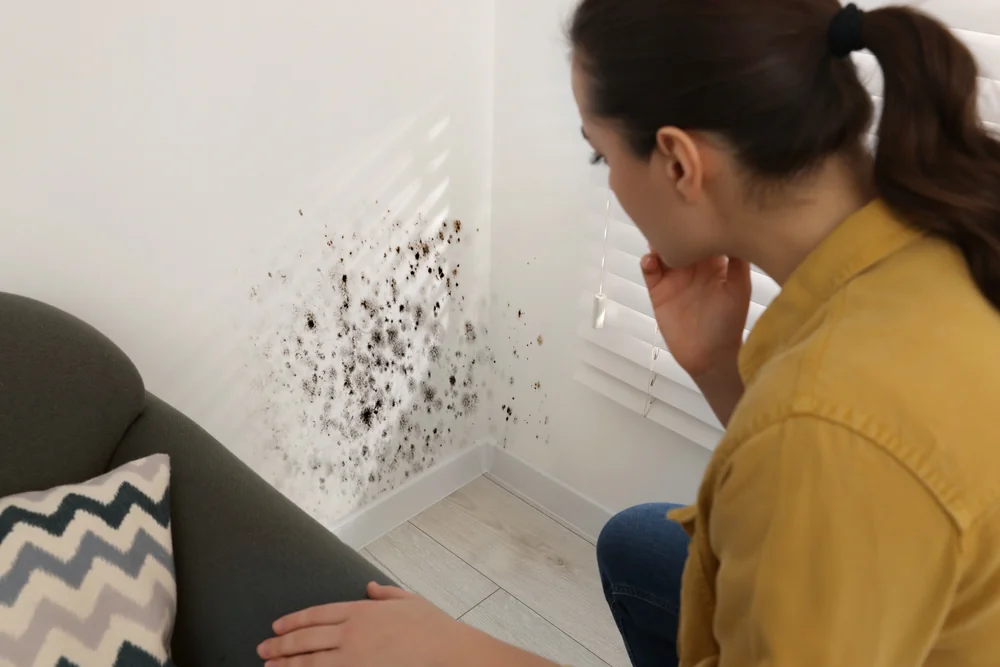
You notice the musty smell in the basement. Your kids cough more at home than anywhere else. Someone always seems to have a headache, and you can’t figure out why.
Indoor air quality is two to five times worse than outdoor air. That’s not a scare tactic—it’s what happens when contaminants collect inside your home with nowhere to go. Mold spores, VOCs, humidity issues, particulates. Most of it’s invisible until it’s already affecting your family.
A home air quality test gives you actual data. You’ll know what’s in the air, where it’s coming from, and what needs to happen next. No more guessing whether that smell is harmless or whether your HVAC system is circulating mold through every room.
The risk of asthma doubles in homes with mold problems. Testing catches it early, before symptoms get worse and before a small issue turns into an expensive remediation project.
We’ve been serving Fountainville and the surrounding Bucks County area since before most people were thinking about indoor air quality. We’re local, we’re certified, and we understand what Pennsylvania’s humid climate does to homes here.
Fountainville’s housing stock tells a story. The median home was built in 1976, and 17% of homes date back before the 1940s. Older foundations, aging HVAC systems, basements that weren’t built with modern moisture control—these aren’t just construction details. They’re the reason mold and air quality issues show up more often than you’d think.
We use EPA-certified methodology and send samples to independent labs. You get scientifically accurate results, not a sales pitch disguised as an inspection.

First, we walk through your home and talk about what you’ve noticed. Smells, symptoms, visible growth, moisture problems. This isn’t a checklist—it’s a conversation that helps us know where to look.
Then we test. We use thermal imaging to spot temperature differences that indicate moisture behind walls. Moisture meters measure levels in materials where mold grows. Air sampling captures what’s actually floating around in your home—mold spores, particulates, allergens, VOCs. If there’s visible growth, we take direct samples to identify the species.
Every sample goes to an independent, nationally recognized lab. They analyze spore counts, identify mold species, and measure contamination levels. You get a full report that explains what we found, what it means, and what needs to happen next.
The whole process usually takes a few hours on-site. Lab results come back within a few days. Then we walk you through the findings and give you a clear plan—whether that’s remediation, moisture control, ventilation improvements, or confirmation that your air quality is fine.
Ready to get started?
A mold air test isn’t just about finding mold. It’s about understanding your home’s entire air quality picture. We measure humidity levels, because anything above 60% creates conditions for mold growth. We check for carbon monoxide and carbon dioxide. We test for VOCs—volatile organic compounds that off-gas from building materials, cleaning products, and household items.
Pennsylvania has one of the worst radon problems in the country. Forty percent of homes here test above EPA guidelines. If you haven’t had radon testing done, it’s worth including. Radon is colorless, odorless, and the second leading cause of lung cancer. You can’t detect it without testing.
Fountainville’s climate makes this worse. Hot, humid summers create perfect conditions for mold. Older homes with foundation issues let moisture seep in. Even newer construction can develop problems from plumbing leaks, HVAC condensation, or poor ventilation.
Our testing catches what DIY kits miss. Those kits can’t tell you spore concentration levels, identify dangerous species, or locate hidden contamination. They give you a yes/no answer to a question that needs a lot more detail.
You’ll get documentation that meets Pennsylvania Department of Health standards and insurance requirements. If you’re dealing with a claim or need proof for a real estate transaction, the report holds up.
Cost depends on the size of your home and what you’re testing for. A basic mold air test for an average-sized home usually runs a few hundred dollars. If you’re adding radon testing, VOC analysis, or multiple sampling locations, it goes up from there.
Here’s what affects price: square footage, number of samples needed, lab analysis type, and whether we’re doing visual inspection only or full air and surface sampling. Larger homes or homes with multiple problem areas need more samples to get accurate results.
Most people spend between $300 and $600 for comprehensive testing. That includes the on-site inspection, lab analysis, and a detailed report. It’s not cheap, but it’s a lot less expensive than guessing wrong and either ignoring a real problem or paying for remediation you didn’t actually need.
The on-site inspection and sampling usually takes two to four hours, depending on your home’s size and what we’re testing for. We’re not rushing through it. We’re checking HVAC systems, basements, attics, crawl spaces, and anywhere else moisture or mold might hide.
Lab results typically come back within three to five business days. Some labs are faster, some take a bit longer. If you’re dealing with an urgent situation—active water damage, severe symptoms, or a real estate closing deadline—we can request expedited processing.
Once we have results, we schedule a follow-up call or meeting to walk through the findings. That conversation usually takes 30 to 45 minutes. We explain what the numbers mean, show you where problems are, and outline what happens next. You’re not reading a technical report alone and trying to figure out what to do.
You can buy DIY test kits, but they won’t give you the same information. Most kits use petri dishes or test strips that tell you if mold is present—but not what kind, how much, or where it’s coming from. That’s like checking if your car makes a noise without figuring out if it’s the brakes or the engine.
Professional testing uses calibrated equipment and independent lab analysis. We measure spore concentration levels, identify specific mold species, and determine whether counts are elevated compared to outdoor baseline levels. Some molds are relatively harmless. Others produce mycotoxins that cause serious health problems. A DIY kit can’t tell you the difference.
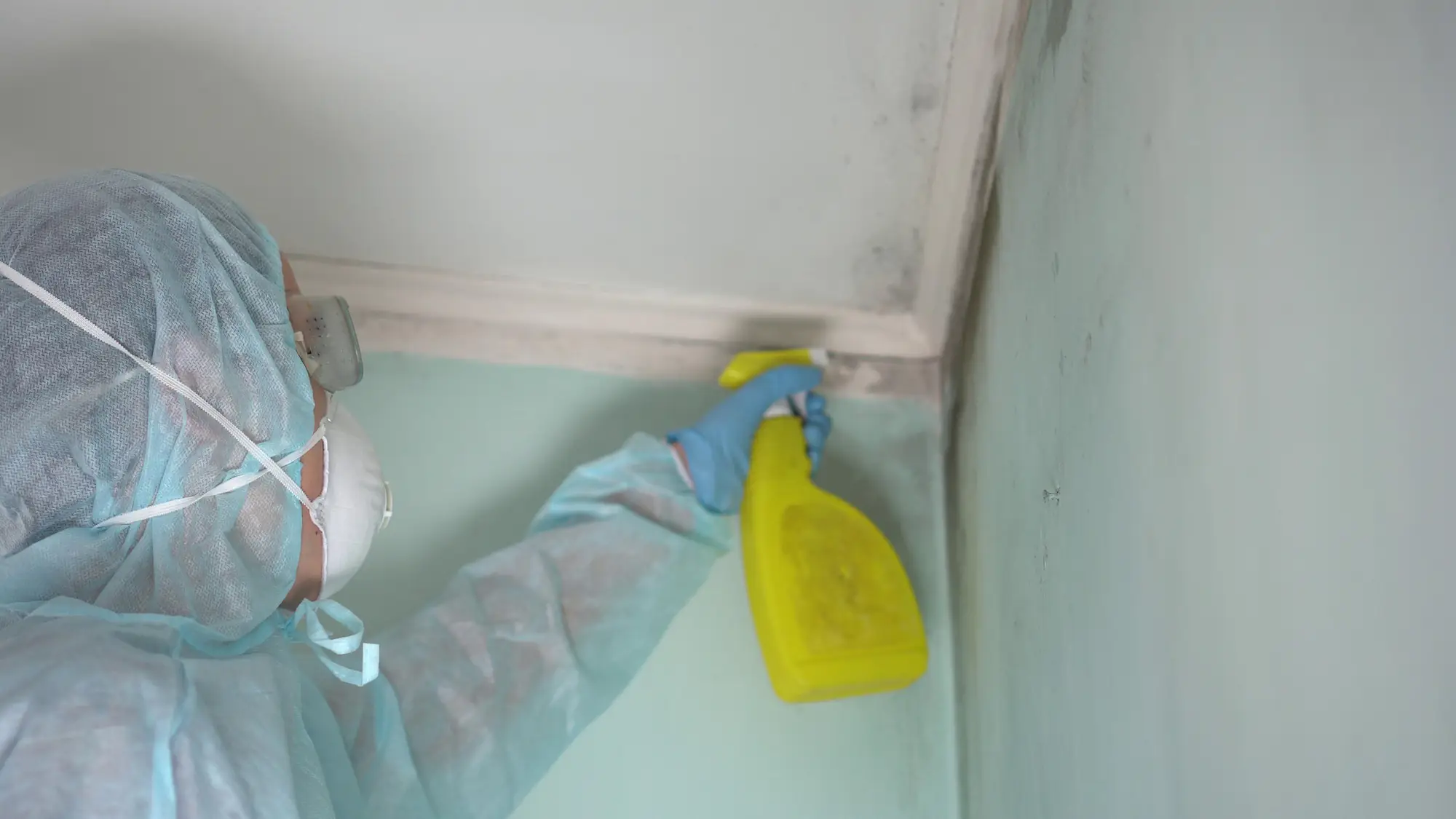
We also use tools you don’t have access to—thermal cameras, moisture meters, laser particle counters. These locate hidden problems behind walls, under floors, and in HVAC systems. By the time mold is visible, you’re usually looking at a much bigger issue than what you can see. Testing finds it before it gets that far.
Musty odors are the most obvious sign, but they’re not the only one. If anyone in your home has unexplained respiratory issues, headaches, coughing, wheezing, or allergy-like symptoms that improve when they leave the house, your air quality might be the problem. The risk of asthma doubles in homes with mold, and prolonged exposure affects kids and elderly family members even more.
Visible mold growth is another red flag, but that’s usually just what you can see. Most contamination is hidden. Water damage, leaks, foundation cracks, high humidity, condensation on windows—all of these create conditions for mold even if you haven’t spotted growth yet.
Fountainville’s older housing stock makes this more common. Many homes here were built before modern moisture control standards. Basements leak, roofs age, HVAC systems develop condensation issues. If your home was built before 1980 and you’ve never had air quality testing done, it’s worth checking. Pennsylvania’s humid climate doesn’t help. Mold can spread through your home in 72 hours once conditions are right.
It depends on your policy and what caused the problem. If you’re testing because of a covered event—like a burst pipe, roof leak, or storm damage—many policies will cover testing as part of the claim. If you’re testing for general maintenance or because you’re worried about long-term moisture issues, probably not.
We provide detailed documentation that meets insurance requirements. That includes photos, lab reports, moisture readings, and a full written assessment. If your claim gets approved, you’ll have everything the adjuster needs. We’ve worked with insurance companies for over 15 years, so we know what they’re looking for.
Even if insurance doesn’t cover it, testing is worth the cost. You’re either confirming that your home is safe, or you’re catching a problem early before it turns into a five-figure remediation job. Mold doesn’t get better on its own. It spreads, damages materials, and keeps affecting your family’s health until someone deals with it. Testing gives you the information to make that decision with real data instead of guessing.
We walk you through the report and explain what everything means. You’ll see spore counts, mold species identification, contamination levels, and comparisons to outdoor air and industry standards. If we found elevated levels, we’ll show you where the problem is and what’s causing it.
Then we talk about next steps. If remediation is needed, we explain the scope of work—what has to be removed, what can be cleaned, how we’ll contain the area, and how long it takes. If the issue is moisture or ventilation, we address the root cause so mold doesn’t come back. Sometimes the fix is straightforward, like repairing a leak or improving airflow. Other times it’s more involved.
You’re not locked into anything. The report is yours. You can use it to get multiple quotes, work with your insurance company, or handle repairs yourself if it’s minor. Our job is to give you accurate information and a clear plan. What you do with it is up to you.
Other Services we provide in Fountainville