
Hear from Our Customers
You’ve noticed the symptoms. Someone in your house can’t stop coughing. The kids are sneezing more than usual. Maybe you smell something musty in the basement but can’t pinpoint it. Or you’re buying a home in Castle Valley and need to know what you’re actually getting.
Here’s what matters: indoor air quality problems don’t announce themselves until they’ve already done damage. Mold grows behind walls. Radon seeps up through your foundation without a smell or a warning. And in Bucks County, where we deal with humid summers and damp winters, your home is constantly fighting moisture issues that most people don’t catch until it’s expensive.
A home air quality test gives you the full picture. You’ll know if mold spores are circulating through your HVAC system. You’ll find out if radon levels are above safe limits—which matters here, because Bucks County averages 6.1 pCi/L when the EPA says anything above 4.0 is a problem. You’ll see what’s actually in the air your family breathes every day, and you’ll know exactly what needs to be fixed.
We’ve been helping Castle Valley and Bucks County homeowners figure out what’s wrong with their indoor air for years. We’re not a national franchise. We’re local, and we understand the specific problems your home faces in this climate.
We know that older homes in this area have basement moisture issues. We know that Pennsylvania’s radon problem is one of the worst in the country. And we know that when you call us for air quality testing, you want straight answers—not a sales pitch.
We use the same equipment that certified inspectors rely on: moisture meters, infrared cameras, laser particle counters, and calibrated air sampling tools. We send samples to independent labs for analysis, so you’re getting objective results. And we offer free inspections because we’d rather show you what we can do than charge you just to walk through your door.
First, we walk through your home and talk about what you’ve noticed. Smells, symptoms, visible water damage, whatever’s going on. This helps us know where to focus and what tests make sense for your situation.
Next, we start testing. For mold, we take air samples from different rooms and surface samples from any suspicious areas. For radon, we set up monitors that need to sit for at least 48 hours to get accurate readings. We also use thermal cameras to find hidden moisture and check humidity levels throughout your house.
Once we collect samples, they go to a certified lab. You’ll get a full report that breaks down exactly what we found—mold types, spore counts, radon levels, VOCs, whatever we tested for. Then we sit down and explain what it means. If there’s a problem, we’ll tell you how serious it is and what your options are. If your air is fine, we’ll tell you that too.
The whole process usually takes a few days from start to finish, depending on lab turnaround. You’re not waiting weeks for answers.
Ready to get started?
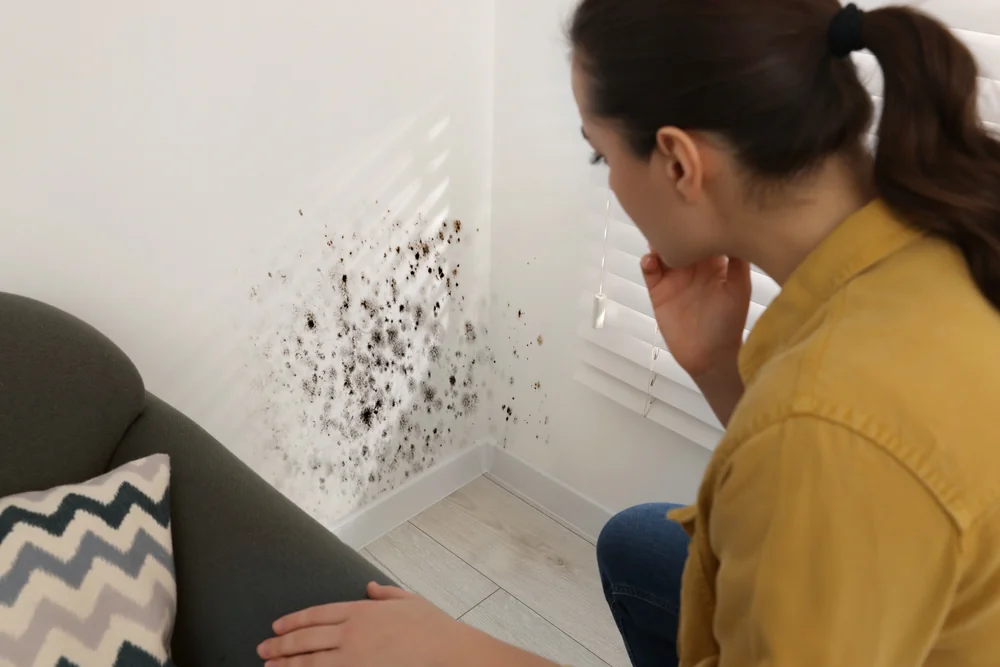
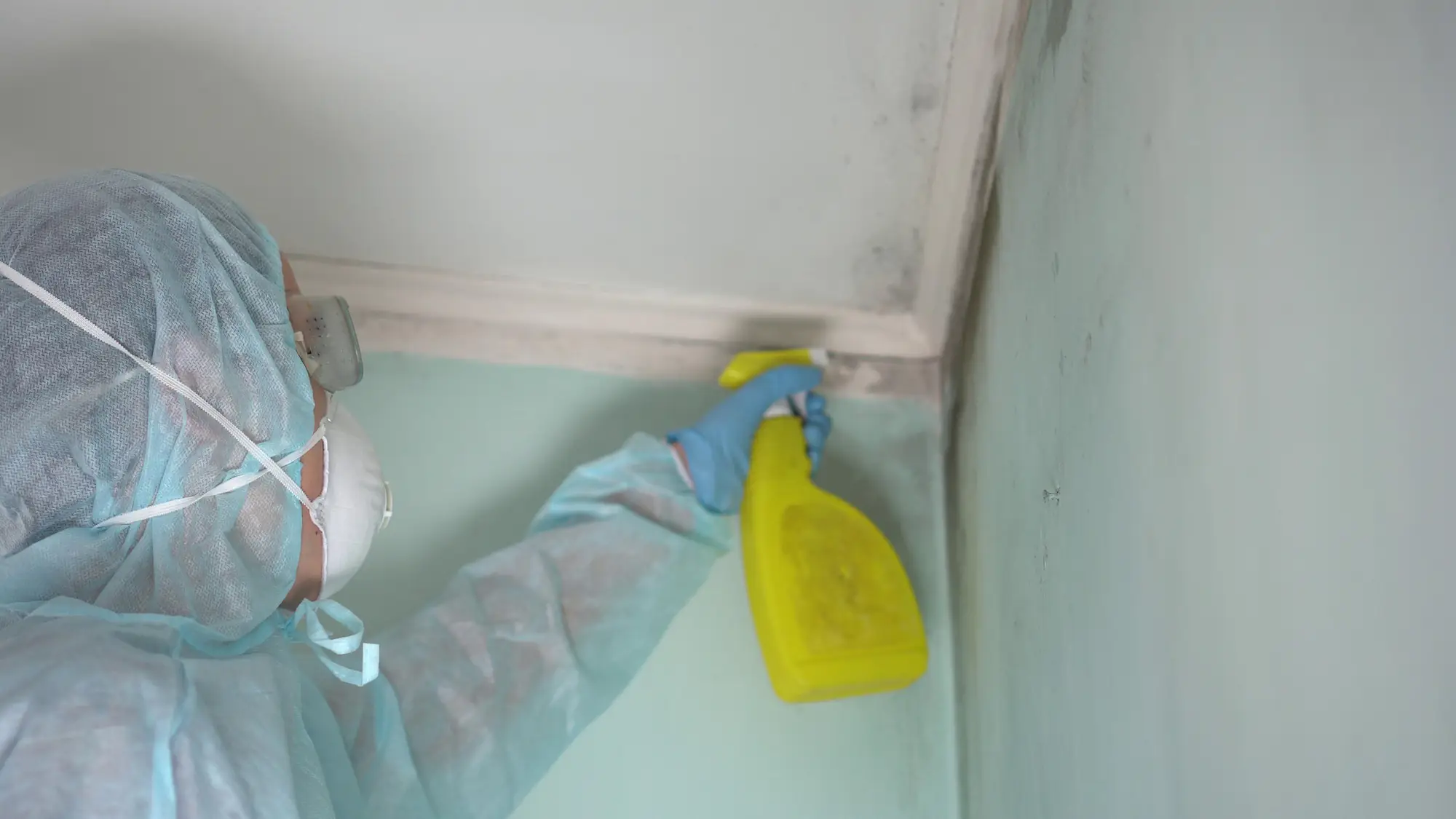
Mold is the big one. We test for airborne spores and surface growth, and we identify the specific types because some are worse than others. Black mold gets all the attention, but there are plenty of other species that can cause respiratory problems, especially in kids and anyone with asthma.
Radon testing is critical in Castle Valley. This area has some of the highest radon levels in Pennsylvania, and radon is the second leading cause of lung cancer after smoking. You can’t see it, smell it, or feel it. The only way to know if it’s in your home is to test for it.
We also check for VOCs (volatile organic compounds), which come from paint, cleaning products, building materials, and dozens of other sources. High VOC levels can cause headaches, dizziness, and long-term health issues. And we measure humidity and moisture levels because those directly affect mold growth and overall air quality.
In Bucks County, moisture is the underlying issue for most air quality problems. Our humid summers and cold winters create condensation. Basements stay damp. Attics trap moisture. And if your home wasn’t built with proper ventilation—which a lot of older homes here weren’t—you’re dealing with conditions that let mold thrive.
It depends on what you’re testing for and how big your home is. A basic mold air test usually runs a few hundred dollars. Radon testing is similar. If you want a comprehensive indoor air quality assessment that covers mold, radon, VOCs, and moisture levels, you’re looking at more, but you’re also getting a complete picture instead of guessing.
We offer free inspections, which means we’ll come out, assess your situation, and give you a clear estimate before you spend anything. A lot of companies charge just to show up. We don’t, because we want you to know what you’re dealing with before you commit to anything.
If you’re buying or selling a home, air quality testing is often required anyway—especially radon testing, which Pennsylvania law requires you to disclose during real estate transactions. So the cost isn’t optional. It’s just a question of whether you want accurate results from someone who knows what they’re doing.
Most air quality tests take between two and five days from start to finish. The actual testing in your home might only take a couple of hours, but lab analysis is what takes time.
Radon testing specifically requires at least 48 hours of monitoring to get accurate readings, because radon levels fluctuate throughout the day. Short-term tests can give you a snapshot, but if you want reliable data, you need to let the monitors sit for a few days.
Mold testing is faster in some ways—we collect air and surface samples in one visit—but then those samples go to a third-party lab for analysis. Lab turnaround is usually two to three business days. Once we get the results, we’ll call you and walk through what we found. You’re not waiting weeks. You’re getting answers quickly enough to actually do something about the problem before it gets worse.
You can buy DIY air quality test kits online, and some of them are decent for basic screening. But here’s the problem: if you don’t know how to collect samples correctly, or where to test, or how to interpret the results, you’re probably wasting your time and money.
Mold testing is a good example. You can buy a petri dish kit and leave it out for a few days, but that doesn’t tell you what’s in your HVAC system, or behind your walls, or whether the mold you found is actually dangerous. Professional air quality testing uses calibrated equipment, follows specific protocols, and sends samples to certified labs. You’re getting data you can actually trust.
Radon testing is similar. You can get a home radon test kit from a hardware store, but if you don’t place it correctly or leave it long enough, the results won’t be accurate. And in an area like Bucks County where radon levels are consistently high, you don’t want to guess. You want to know for sure, because radon exposure adds up over time and the health risks are serious.
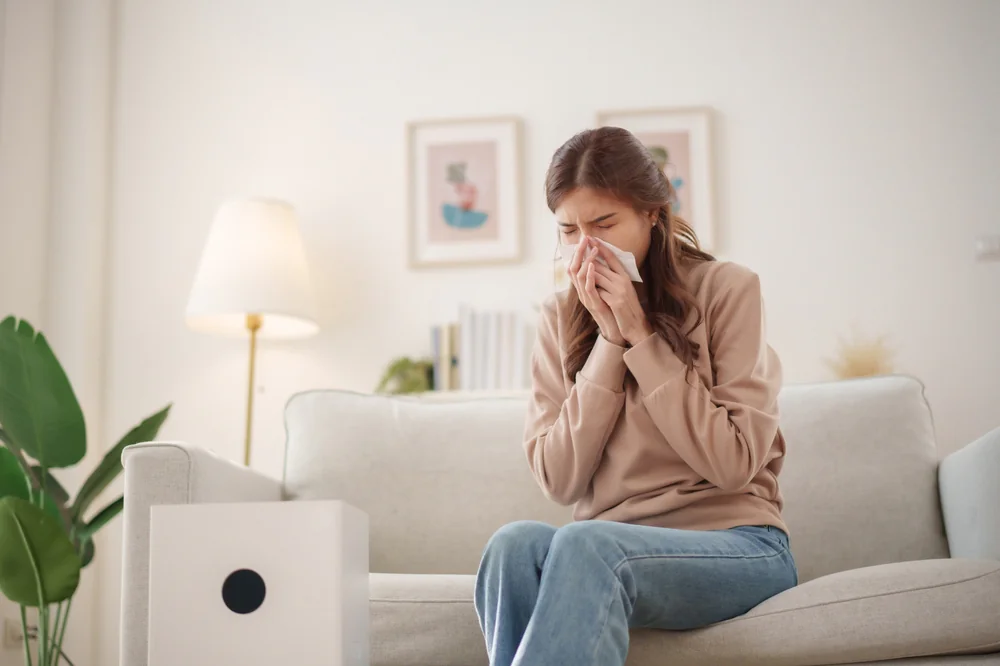
Persistent health symptoms are the biggest red flag. If people in your house are coughing, sneezing, or dealing with irritated eyes and throats—and it’s worse when they’re home—that’s your air quality talking. Headaches, fatigue, and respiratory issues that don’t have another explanation are also common signs.
Visible mold or water damage is obvious, but you should also pay attention to smells. A musty odor in your basement, bathroom, or anywhere else usually means mold is growing somewhere, even if you can’t see it. Condensation on windows, damp spots on walls or ceilings, and peeling paint are all signs of moisture problems that lead to mold.
If you’re buying a home in Castle Valley or anywhere in Bucks County, get it tested before you close. Radon and mold issues are common here, and sellers aren’t always forthcoming about problems they know exist. An air quality test protects you from buying into expensive repairs down the road. And if you’ve had recent water damage—flooding, a roof leak, a burst pipe—test your air even if everything looks dry. Mold can start growing within 24 to 48 hours, and it spreads fast in our climate.
Sometimes, but it depends on what caused the problem. If mold or air quality issues resulted from a sudden, accidental event—like a burst pipe or storm damage—your homeowners insurance will usually cover testing and remediation. But if the problem developed over time due to poor maintenance or ongoing moisture issues, most policies won’t cover it.
Radon testing and mitigation typically aren’t covered by homeowners insurance because radon is considered a naturally occurring environmental issue, not a sudden event. That said, some policies have endorsements or riders that add coverage for specific situations, so it’s worth checking your policy or calling your insurance company.
We work with insurance companies regularly, and we can help you navigate the claims process if your situation qualifies for coverage. We’ll document everything, provide detailed reports, and communicate directly with your adjuster if needed. Even if insurance doesn’t cover the full cost, catching air quality problems early is almost always cheaper than dealing with the health issues and structural damage that come from ignoring them.
Geology. Radon is a radioactive gas that forms when uranium in the soil breaks down, and the soil composition in Bucks County and much of Pennsylvania is loaded with uranium-bearing rock. That’s why Pennsylvania has one of the highest radon concentrations in the country, and Bucks County specifically averages 6.1 pCi/L—nearly five times the national average.
Radon seeps up through cracks in your foundation, gaps around pipes, and any other opening between the ground and your home. It’s heavier than air, so it accumulates in basements and lower levels. You can’t see it, smell it, or taste it, which is why testing is the only way to know if you have a problem.
The EPA considers anything above 4.0 pCi/L a health risk, and prolonged exposure increases your risk of lung cancer significantly. In fact, radon is the second leading cause of lung cancer in the U.S. after smoking. If you live in Castle Valley or anywhere in Bucks County and you’ve never tested your home for radon, you’re taking a risk you don’t need to take. Testing is straightforward, and if levels are high, mitigation systems work. But you have to test first.
Other Services we provide in Castle Valley