
Hear from Our Customers
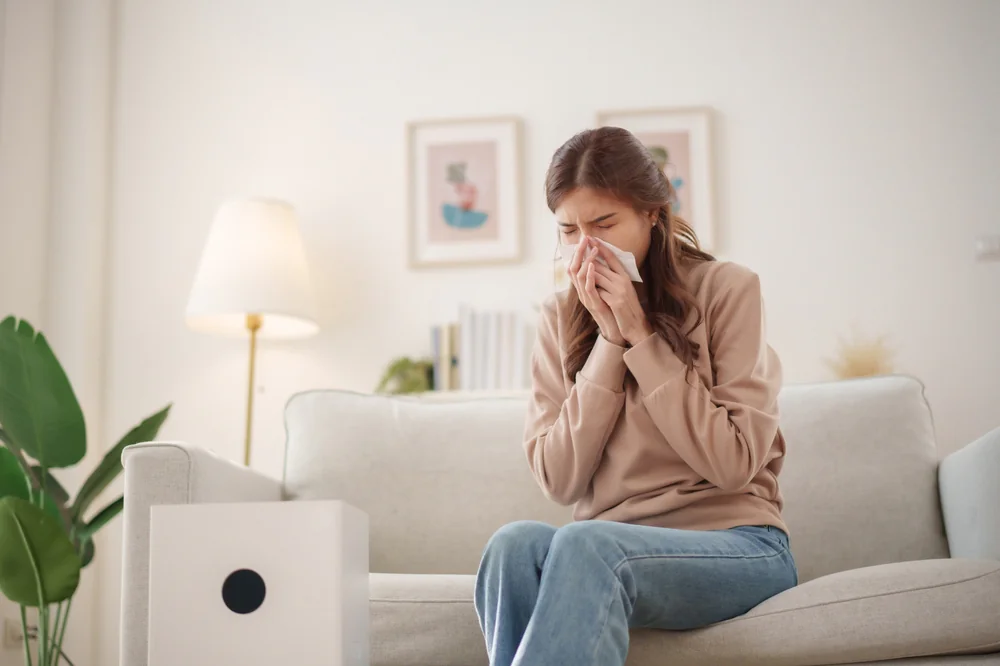
You’ve noticed the symptoms. Headaches that won’t quit. Kids coughing more than usual. Allergies acting up even when the windows are closed. Something’s off, but you can’t see it, smell it, or point to it.
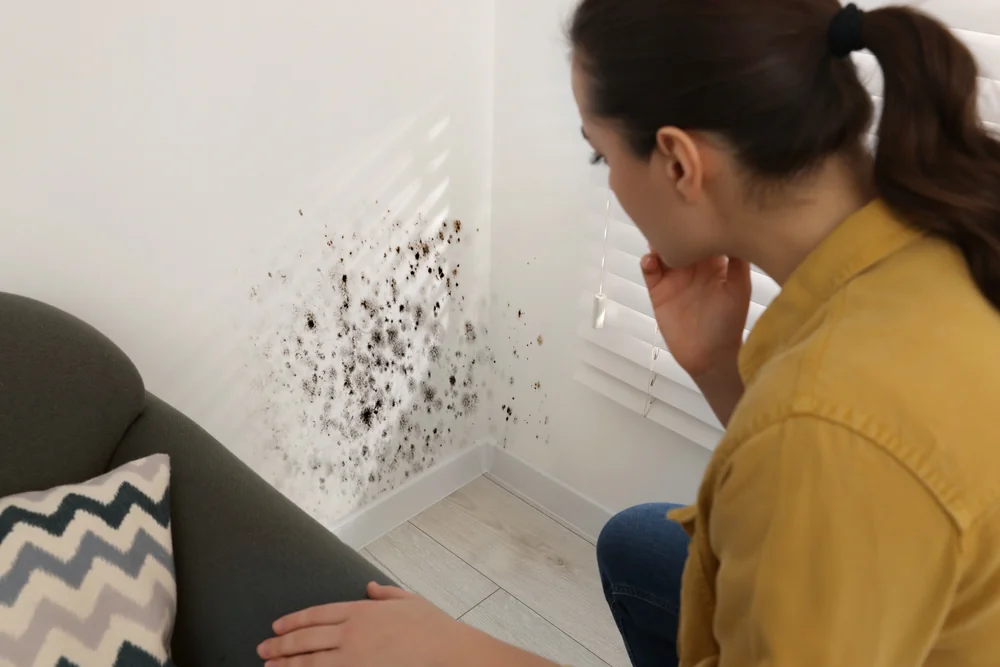
That’s the problem with indoor air pollution. It’s invisible. Mold hides in walls. Radon seeps up through basements. VOCs off-gas from furniture and paint. Humidity traps allergens. And your family breathes it all in, day after day.
A home air quality test gives you answers. We measure particulate matter, check for mold spores, test radon levels, assess humidity, and identify chemical pollutants. You’ll know what’s actually in your air and what needs to be fixed. No more wondering if it’s all in your head.
We serve Fergusonville and the surrounding Bucks County area. We know what Pennsylvania homes deal with: humid summers, damp basements, older construction that traps moisture. These conditions create perfect environments for mold and poor air quality.
We’re not a national chain sending different techs every time. When you call us, you get people who understand local housing stock and the specific air quality challenges homes face here. We test thoroughly, explain what we find in plain terms, and give you realistic options for improvement.
You’ll hear back within 24 to 48 hours of requesting a quote. We show up on time, do the work right, and don’t upsell you on things you don’t need.
We start with a visual inspection. We’re looking for obvious signs: water stains, condensation on windows, musty smells, visible mold, poor ventilation. These tell us where to focus our testing.
Next comes air sampling. We use professional equipment to collect air samples from different areas of your home. This captures mold spores, allergens, particulate matter, and other airborne contaminants. We also do surface testing in areas where we suspect mold growth.
We test for radon separately since it requires specific equipment. Radon is odorless and invisible, but it’s the second leading cause of lung cancer. If your home has high radon levels, you need to know.
We measure humidity levels throughout your home. High humidity feeds mold growth and traps pollutants. We also check for carbon monoxide and volatile organic compounds (VOCs) that come from household products, building materials, and furnishings.
After testing, we send samples to a certified lab for analysis. Once results come back, we walk you through what we found and what it means for your home. Then we recommend specific solutions based on your actual air quality issues.
Ready to get started?
Our indoor air quality test covers the pollutants that actually affect Pennsylvania homes. We’re testing for mold spores, which thrive in Bucks County’s humid climate. We check radon levels, which is critical since Pennsylvania has some of the highest radon concentrations in the country.
We measure particulate matter that causes respiratory issues and aggravates asthma. We test for VOCs from cleaning products, paints, and building materials. We assess humidity levels that determine whether mold can grow. And we check for carbon monoxide, which is deadly in high concentrations.
You’re not just getting numbers on a page. We explain what each result means for your family’s health. If we find elevated mold spore counts, we tell you where it’s likely growing and why. If radon levels are high, we explain mitigation options. If humidity is the problem, we recommend dehumidification solutions.
The goal is to give you actionable information. You’ll know what’s wrong, why it’s happening, and what you can do about it. Some fixes are simple. Others require professional remediation. Either way, you’ll have a clear path forward instead of just worrying about invisible threats.
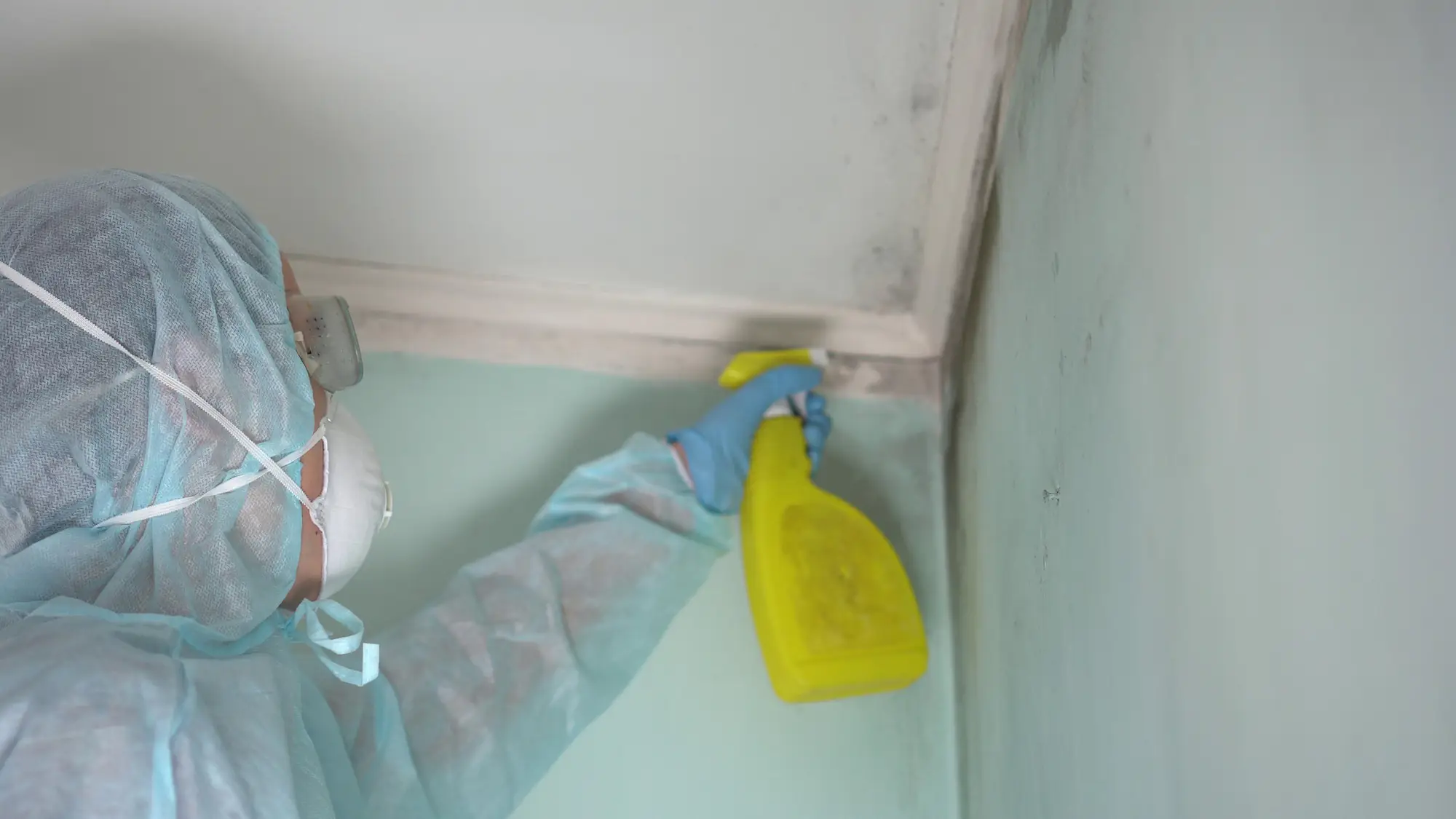
You need testing if anyone in your home is experiencing unexplained health symptoms. That includes frequent headaches, persistent coughing, throat irritation, eye irritation, shortness of breath, or allergy symptoms that don’t match the season. These are often the first signs of poor indoor air quality.
You should also test if you notice physical signs in your home. Condensation on windows, musty odors, visible mold on walls or ceilings, or areas where mold keeps coming back all indicate air quality problems. Homes with poor ventilation, high humidity, or recent water damage are at higher risk.
If you have young children, elderly family members, or anyone with asthma or respiratory conditions, testing becomes even more important. These groups are more vulnerable to indoor air pollutants. Even moderate levels of mold spores or particulate matter can trigger serious health issues for them.
A mold air test specifically measures mold spore levels in your indoor air. We collect air samples and send them to a lab that identifies the types and concentrations of mold present. This test tells you if you have a mold problem and how severe it is.
Full air quality testing is more comprehensive. It includes mold testing but also checks for other pollutants: radon gas, carbon monoxide, VOCs, particulate matter, allergens, and humidity levels. You get a complete picture of everything affecting your indoor air, not just mold.
If you already know you have mold or you’ve seen visible growth, a mold air test might be enough. But if you’re experiencing health symptoms without an obvious cause, or if you want to understand overall air quality, comprehensive testing makes more sense. It catches problems you might not know to look for, like radon or high VOC levels from household products.
The actual testing process takes a few hours depending on your home’s size and what we’re testing for. We’ll do visual inspections, collect air samples from multiple rooms, take surface samples if needed, and set up radon testing equipment if that’s part of the service.
Radon testing requires 48 to 72 hours of monitoring to get accurate readings. The equipment stays in your home during that time, then we retrieve it and send the data for analysis. Other air samples go to a certified lab for testing.
You’ll typically get results within a week of testing. We’ll call you to schedule a time to review the findings. We don’t just email you a report and leave you to figure it out. We walk through what each result means, answer your questions, and explain what actions you should consider based on what we found.
Yes, and radon testing is especially important in Pennsylvania. The state has some of the highest radon levels in the country due to the underlying geology. Radon is a radioactive gas that seeps up through soil and enters homes through cracks in foundations, basement floors, and crawl spaces.
Radon is completely odorless and invisible. You can’t detect it without proper testing equipment. It’s also the second leading cause of lung cancer after smoking. If your home has elevated radon levels and you’re breathing it every day, you’re facing serious long-term health risks.
We use professional radon testing equipment that monitors levels over several days to account for natural fluctuations. If results show high radon concentrations, we’ll recommend mitigation systems that vent the gas safely outside. Many Bucks County homes need radon mitigation, and testing is the only way to know if yours is one of them.
First, we explain exactly what we found and what it means for your health. If mold spore counts are elevated, we tell you which types of mold are present and where they’re likely growing. Some molds are more problematic than others, and we’ll be straight with you about the risk level.
Then we give you options. Sometimes the fix is straightforward: improve ventilation, reduce humidity, clean contaminated surfaces. Other times you need professional mold remediation, especially if mold is growing inside walls or in HVAC systems. We handle mold removal and remediation, so we can take care of the problem if that’s what you want.
For other pollutants like high VOC levels, we might recommend better ventilation, air purifiers with activated carbon filters, or reducing sources like certain cleaning products. For radon, you’ll need a mitigation system installed. We don’t push services you don’t need, but we’re clear about what actually requires professional intervention versus what you can handle yourself.
Cost depends on what you’re testing for and how large your home is. A basic mold air test runs less than comprehensive testing that includes radon, VOCs, particulate matter, and full air quality analysis. Larger homes require more sample collection points, which increases the cost.
We offer free quotes so you know the price before we schedule anything. You can request one online and we’ll get back to you within 24 to 48 hours. We’ll ask about your home size, what symptoms or concerns you’re experiencing, and what type of testing makes sense for your situation.
The cost of testing is small compared to what you’re protecting. If you have mold growing in your walls, it’s only getting worse and more expensive to fix. If radon levels are high, you’re exposing your family to cancer risk every day. If poor air quality is causing health problems, you’re dealing with medical bills and missed work. Testing gives you the information you need to actually solve the problem instead of just living with it.
Other Services we provide in Fergusonville