

Hear from Our Customers
You stop worrying about what’s growing behind your walls. The musty smell disappears. Your kids aren’t coughing as much, and you’re not constantly running the dehumidifier wondering if it’s doing anything.
That’s what happens when mold removal is done right. Not just scrubbing visible spots and hoping for the best, but actually finding the moisture source, removing contaminated materials safely, and making sure it doesn’t come back in three months.
Most mold problems in Fergusonville homes start the same way: a basement that gets damp after heavy rain, an old foundation that wasn’t built with modern waterproofing, or humidity that sits in your crawl space all summer. Pennsylvania’s climate doesn’t help. When you combine our humid summers with homes built decades ago, you get the perfect environment for mold growth.
The difference between a temporary fix and actual mold removal comes down to whether someone addresses the moisture problem. If water’s still getting in, mold will keep coming back no matter how many times you clean it.
We work throughout Bucks County, and we’ve seen just about every mold situation these older homes can throw at us. Plaster walls that trap moisture, basements that leak during spring thaw, attics with poor ventilation—these aren’t surprises to us.
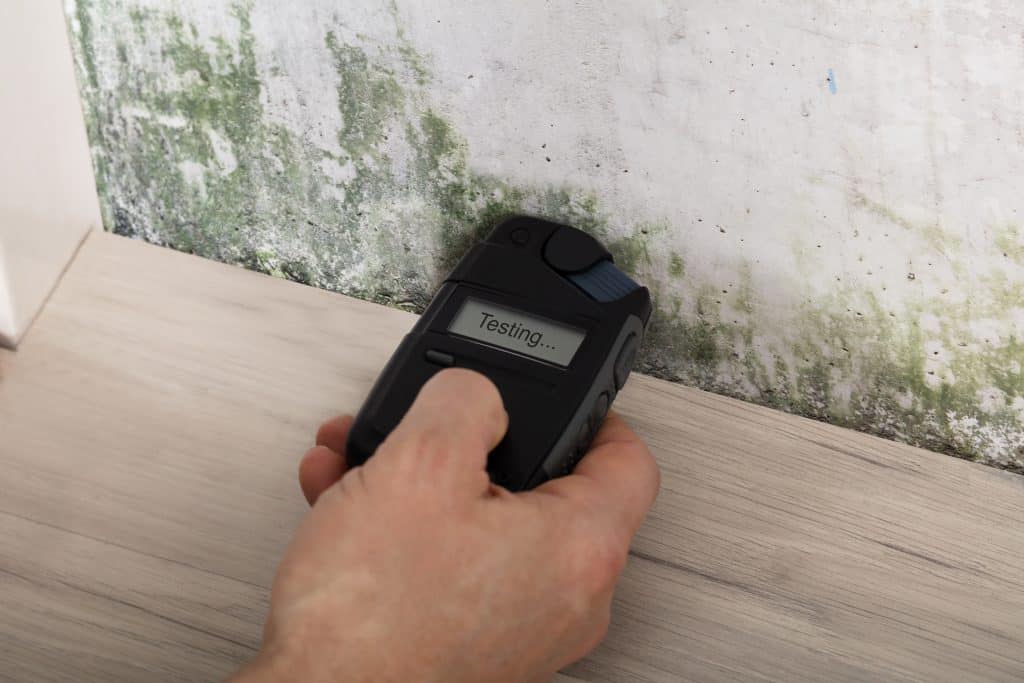
We use EPA-approved methods, moisture meters, and infrared cameras to find mold you can’t see. Then we remove it safely and help you understand what caused it in the first place. Our technicians are trained in mold remediation, and we follow Pennsylvania regulations for safe removal and disposal.
You’re not getting a national franchise that sends different crews every time. You’re working with a local mold removal company that understands why Fergusonville homes develop mold problems and how to actually fix them.

We start with a free inspection. That means checking the obvious spots and the hidden ones—behind walls, under floors, in your HVAC system. We use moisture meters and infrared cameras to find where water’s getting in and where mold is actually growing.
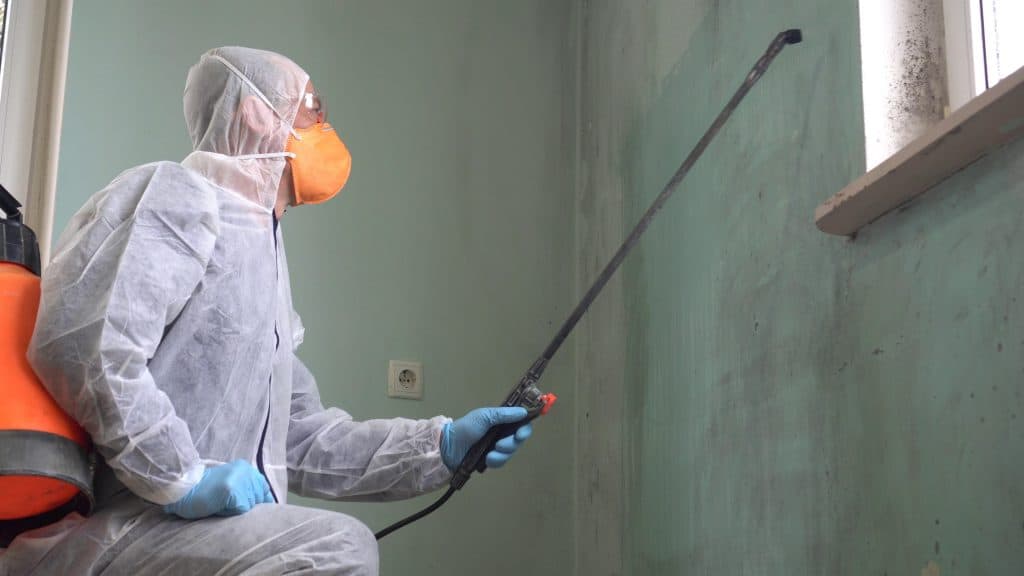
Once we know what we’re dealing with, we’ll explain what needs to happen. If it’s black mold in your basement, we’re not just cleaning the surface. We’re removing contaminated materials, treating affected areas with antimicrobials, and setting up air scrubbers to filter spores out of the air while we work.
Then we find the source. Maybe it’s a crack in your foundation, a leaky pipe, or condensation from poor ventilation. If we don’t fix that, the mold comes back. We’ll either handle the repair ourselves or connect you with someone who can.
After removal, we test the air quality to make sure spore levels are back to normal. We also work with your insurance company if your policy covers mold damage, handling documentation so you’re not stuck dealing with claims paperwork on your own.
The whole process usually takes a few days depending on how widespread the problem is. You’ll know what’s happening at every step.
Ready to get started?
You get a thorough inspection using actual equipment, not just a visual check. We’re talking moisture meters, infrared cameras, and air quality testing to find mold hiding in places you’d never think to look.
Removal involves containment so spores don’t spread to clean areas of your home, HEPA filtration to pull contaminated air out while we work, and safe disposal of materials that can’t be saved. We’re not just wiping things down with bleach and calling it done.
In Bucks County, most mold problems tie back to water intrusion. That’s especially true in Fergusonville, where many homes were built before modern waterproofing standards existed. Basements leak, crawl spaces stay damp, and older foundations develop cracks over time. We see it constantly.
We also handle the moisture issue. If your basement floods every spring or your bathroom doesn’t ventilate properly, we’ll address that as part of the service. Otherwise, you’re just paying for temporary mold removal that won’t last.
If you need help with insurance, we’ll document everything and work with your provider. And if repairs are needed after removal—like replacing drywall or repainting—we offer those services too.
It depends on how much mold you have and where it’s growing. A small area in a bathroom might cost a few hundred dollars. A basement with widespread black mold growth and water damage can run several thousand.
Most mold removal companies charge based on the square footage of affected area, the type of mold, and how difficult it is to access. If we need to remove drywall, treat structural wood, or handle contaminated insulation, that adds to the cost.
We offer free inspections, so you’ll get an accurate estimate before any work starts. If your homeowner’s insurance covers mold remediation, we’ll work with them to reduce your out-of-pocket costs. Some policies cover it if the mold resulted from a covered event like a burst pipe, but not if it’s from long-term neglect or humidity.
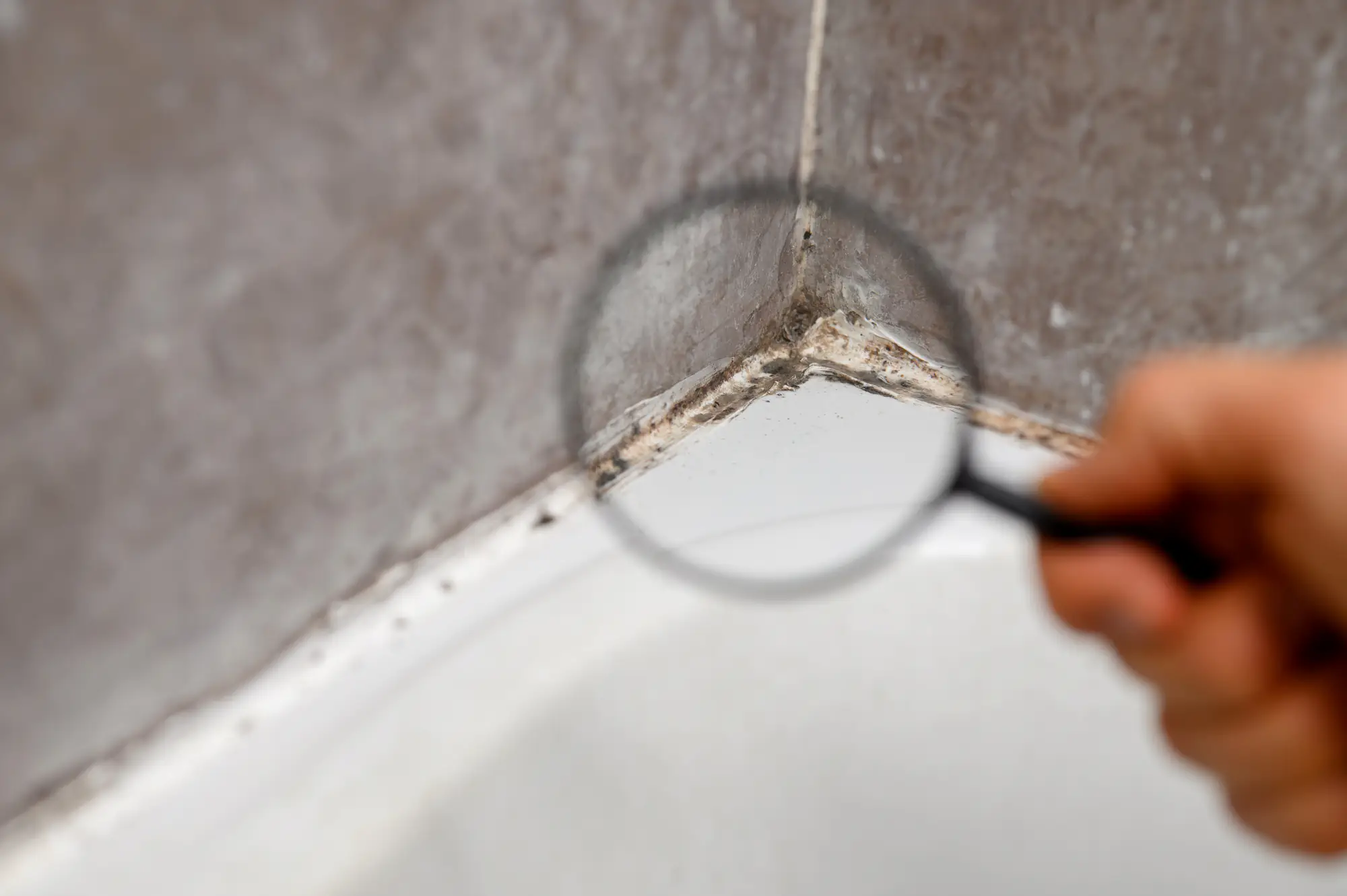
You can’t tell just by looking at it. Black mold (Stachybotrys) is dark and slimy, but so are other types of mold. The only way to know for sure is through lab testing, which we can arrange if needed.
Here’s the thing: all mold should be removed regardless of type. Even non-toxic mold causes respiratory problems, triggers allergies, and damages your property. The health risks and property damage don’t depend on whether it’s black mold or another species.
If you’re seeing dark growth in your basement, smelling a musty odor, or dealing with unexplained allergy symptoms at home, you likely have a mold problem that needs professional attention. We’ll inspect, identify the extent of growth, and remove it safely no matter what type it is.
Not if we fix the moisture source. That’s the most important part of mold removal and the step that gets skipped by companies just trying to get in and out quickly.
Mold needs moisture to grow. If your basement still leaks, your crawl space is still humid, or you still have a plumbing leak somewhere, the mold will return. It doesn’t matter how thoroughly we clean if water keeps getting in.
We address the root cause as part of our service. That might mean sealing foundation cracks, improving ventilation, fixing drainage issues, or repairing leaks. Once the moisture problem is solved and the existing mold is removed properly, it stays gone. We also provide recommendations for preventing future growth, like running a dehumidifier during humid summer months or improving airflow in problem areas.
Most jobs take two to five days depending on the size of the affected area and what needs to be done. A single room with surface mold might only take a day. A whole basement with structural damage and hidden mold behind walls will take longer.
The inspection happens first and usually takes a couple of hours. Once we know what we’re dealing with, we’ll give you a timeline before starting work. Containment and removal happen next, followed by cleaning, air filtration, and final testing to confirm spore levels are back to normal.
If repairs are needed—like replacing drywall or insulation—that adds time. We’ll keep you updated throughout the process so you know exactly what’s happening and when you can use the space again. Emergency situations get priority, and we’re available 24/7 if you’re dealing with sudden water damage or discover extensive mold growth that needs immediate attention.
Small areas—less than 10 square feet—can sometimes be cleaned yourself if it’s just surface mold on non-porous materials. Anything larger, anything involving black mold, or anything behind walls needs professional mold removal.
Here’s why: disturbing mold releases spores into the air. Without proper containment and filtration, you’re spreading contamination throughout your home. You’re also exposing yourself to high concentrations of spores, which can cause serious respiratory problems.
We use containment barriers, negative air pressure, HEPA filtration, and protective equipment to remove mold safely. We also have the tools to find hidden mold and identify moisture sources you might miss. If you don’t address the underlying cause, you’ll be cleaning mold over and over. Most DIY attempts fail because the moisture problem never gets fixed, and the mold returns within weeks.
Sometimes. It depends on your policy and what caused the mold. Most insurance companies cover mold removal if it resulted from a sudden, accidental event like a burst pipe or storm damage. They typically won’t cover it if the mold developed due to long-term neglect, lack of maintenance, or ongoing humidity issues.
Pennsylvania doesn’t require insurers to cover mold damage, so coverage varies by policy. Some policies include mold remediation up to a certain dollar amount, while others exclude it entirely. You’ll need to check your specific policy or call your insurance provider.
We work with insurance companies regularly and can help with documentation, photos, and estimates to support your claim. If your policy covers the damage, we’ll coordinate directly with your adjuster to make the process easier. Even if insurance doesn’t cover it, we’ll give you an honest assessment of what needs to be done and what it will cost upfront.
Other Services we provide in Fergusonville