
Hear from Our Customers

You’ve noticed the symptoms. Someone in your house has a cough that won’t quit, or allergies that seem worse indoors than out. Maybe you smell something musty in the basement but can’t find the source. Or you’re about to close on a house and want to know what you’re actually buying.
A home air quality test gives you answers. We test the air in your Cobalt Ridge home for mold spores, allergens, and other pollutants that impact respiratory health. You get lab results that show exactly what’s in your air and where it’s coming from.
This isn’t about scaring you into unnecessary work. It’s about knowing what you’re dealing with so you can make informed decisions. Sometimes the fix is simple. Sometimes it’s not. Either way, you’ll know.
We’ve been helping Bucks County homeowners understand and improve their indoor air quality for years. We know the climate challenges in Cobalt Ridge—the humid summers that create perfect conditions for mold growth, the older homes with basements that stay damp, the new construction that’s sealed so tight it traps moisture inside.
We’re certified professionals who use EPA-approved testing methods and send samples to accredited labs for analysis. That means you get accurate results, not guesses. We’ve seen what happens when homeowners ignore air quality issues or try to handle them without proper testing. It costs more in the long run, both in money and health.
Our service area covers all of Bucks County, and we understand the specific issues that affect homes in your neighborhood. We’re not here to sell you services you don’t need. We’re here to tell you what’s actually happening in your home.

We start with a free inspection of your property. This means walking through your home, looking at areas where moisture problems typically occur—basements, crawl spaces, attics, bathrooms, and anywhere you’ve noticed issues. We’re checking for visible mold, water damage, ventilation problems, and conditions that promote poor air quality.
Next comes the actual air testing. We use specialized equipment to collect air samples from different areas of your home. These samples capture mold spores, allergens, and other airborne particles. We also take samples from outside as a baseline for comparison, because some level of outdoor spores will always be present indoors.
The samples go to an accredited laboratory for analysis. You’re not waiting weeks—most results come back within a few days. The lab report tells you what types of mold or allergens are present, at what concentration levels, and whether those levels are concerning compared to outdoor air and industry standards.
Once we have results, we walk you through what they mean in plain language. If there’s a problem, we explain the source and what needs to happen to fix it. If your air quality is fine, we tell you that too. You get a detailed report you can keep for your records or share with your insurance company if needed.

Ready to get started?
Our residential air quality testing service includes a thorough inspection of your entire property, not just the rooms where you’ve noticed problems. Mold and air quality issues don’t stay contained to one area. We check wall cavities, HVAC systems, and hidden spaces where moisture accumulates.
You receive lab-analyzed results from an accredited facility. This isn’t a home test kit that gives you a yes/no answer. You get specific information about mold types, spore counts, and how your indoor air compares to outdoor air quality. This matters because some mold is always present—the question is whether levels are elevated enough to cause health issues or indicate a moisture problem.
In Cobalt Ridge specifically, we’re looking for patterns we see in this area. Homes here deal with Pennsylvania’s humid climate, which means summer months when indoor humidity can spike above 60% if your ventilation isn’t adequate. We also see issues in older homes with stone foundations that allow moisture to seep through, and in newer homes where energy-efficient sealing has created ventilation problems.
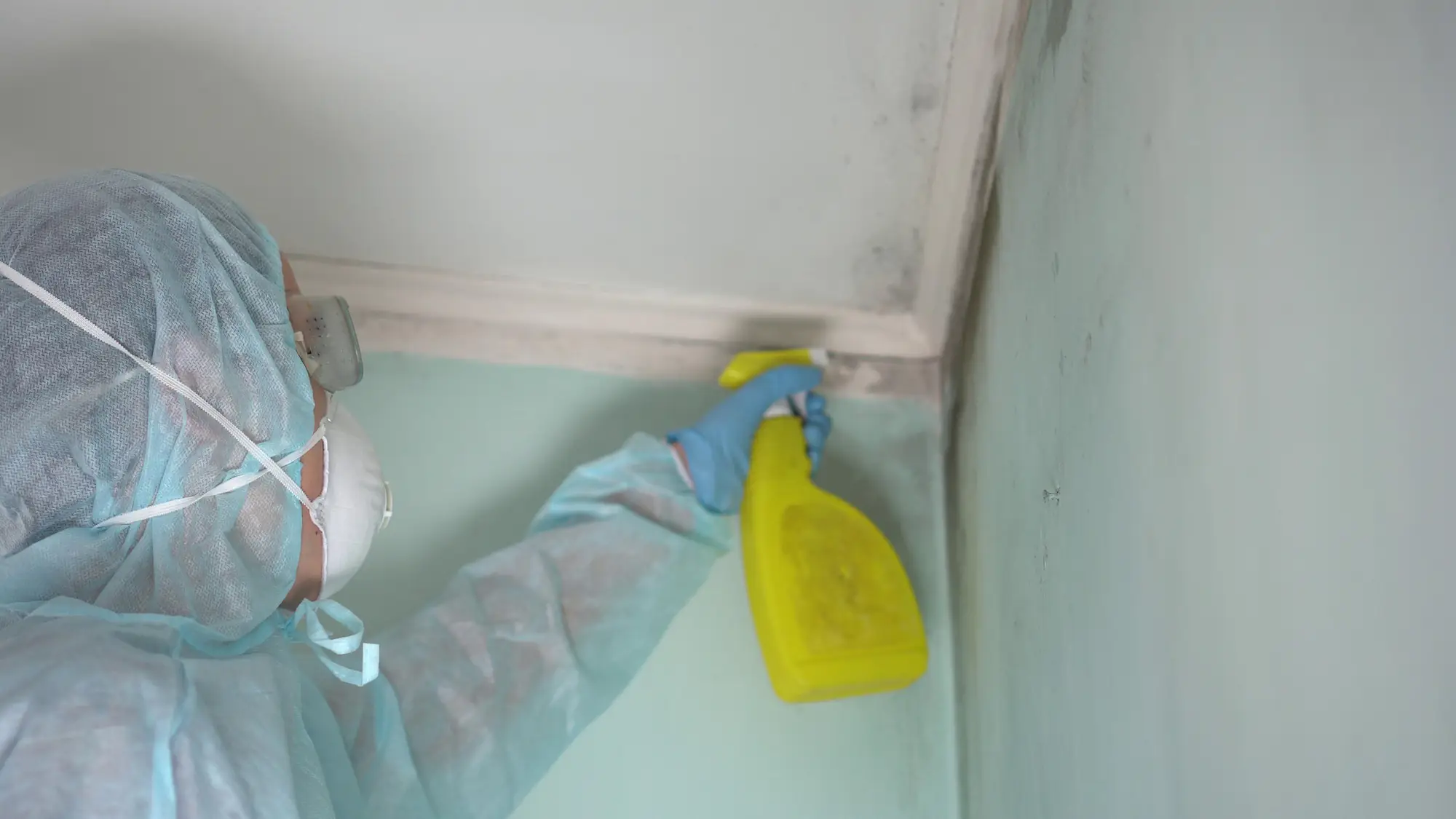
You also get a clear explanation of what needs to happen next. If we find elevated mold levels, we identify the moisture source—whether that’s a leak, condensation issue, or ventilation problem. Removing mold without fixing the cause means it comes back. We give you a detailed estimate before any remediation work begins, and we work with insurance companies to help with claims when coverage applies.
You need a mold air test if you’re experiencing unexplained health symptoms that improve when you leave the house. This includes persistent coughing, sneezing, throat irritation, headaches, or worsening asthma symptoms. These are signs that something in your indoor air is affecting your respiratory system.
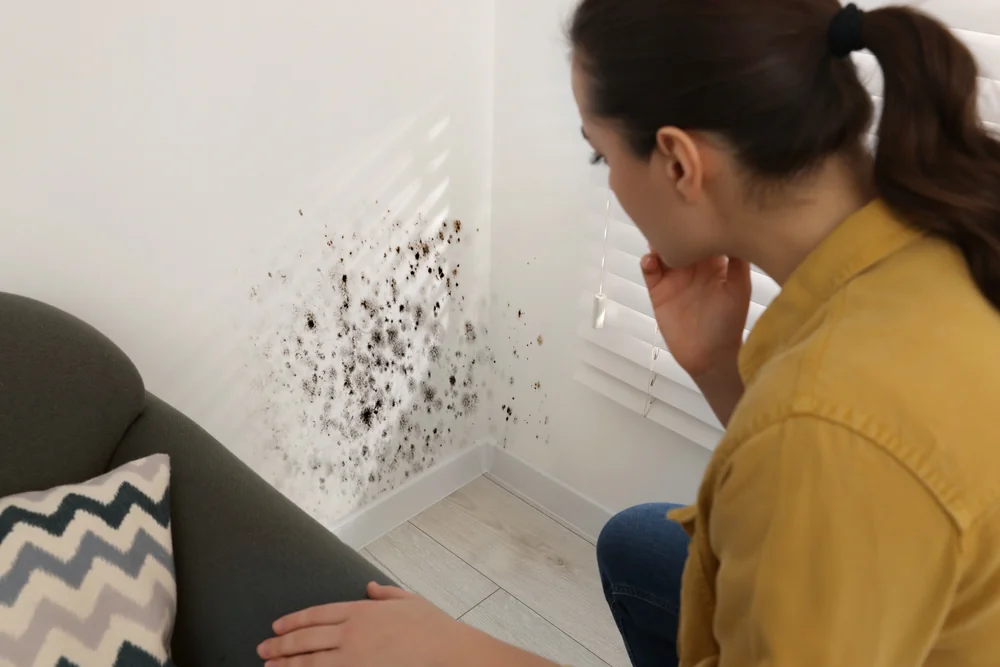
You also need testing if you smell a musty odor but can’t locate visible mold. Mold grows behind walls, under flooring, in HVAC ducts, and in other hidden areas. The smell means spores are circulating through your air even if you can’t see the source.
Testing makes sense after water damage, even if it was cleaned up quickly. Water that soaks into drywall, insulation, or subflooring can create mold growth within 24-48 hours. What looks dry on the surface may be harboring mold inside wall cavities. If you’re buying or selling a home in Cobalt Ridge, testing protects your investment and gives you leverage for negotiations if issues are found.
A visual inspection finds mold you can see. An air test finds mold you can’t see but are breathing every day. Both matter, but they serve different purposes.
Visual inspections catch obvious problems—mold growing on walls, ceilings, or in damp basements. But mold releases microscopic spores into the air that spread throughout your home. You can have a serious air quality problem without visible mold growth, especially if the source is hidden inside walls or your HVAC system is distributing spores from one contaminated area to the rest of your house.
Air testing measures spore concentration in your indoor air and compares it to outdoor levels. Elevated indoor levels indicate active mold growth somewhere, even if you haven’t found it yet. The lab analysis also identifies specific mold types, which matters because some species cause more severe health reactions than others. For Cobalt Ridge homes, we typically recommend both—a thorough visual inspection of your property plus air sampling to catch what we can’t see. This gives you the complete picture of your indoor air quality.
The on-site portion of air quality testing takes about 1-2 hours depending on your home’s size and the number of areas we’re testing. We’re collecting air samples from multiple rooms, inspecting your property for moisture issues and visible mold, and documenting conditions that could affect your air quality.
The samples go to an accredited lab for analysis. Most results come back within 3-5 business days. You’re not waiting weeks to find out what’s in your air. The lab report includes detailed information about mold types identified, spore counts, and comparison to outdoor air samples we collected at the same time.
Once we receive results, we schedule a follow-up consultation to review findings with you. This usually happens within a day of getting the lab report. We explain what the numbers mean, whether your indoor air quality is concerning, and what’s causing any elevated levels we found. If remediation is needed, we provide a detailed estimate before any work begins. The entire process from initial testing to having a clear action plan typically takes less than a week.
Yes, air quality testing identifies specific mold species present in your home, including Stachybotrys chartarum—the mold commonly called “black mold.” The lab analysis breaks down exactly which types of mold are in your air and at what concentration levels.
But here’s what matters more than the name: all mold growth in your home is a problem if levels are elevated. Stachybotrys gets attention because it produces mycotoxins that cause severe respiratory reactions, but other common molds like Aspergillus, Penicillium, and Cladosporium also trigger allergies, asthma attacks, and respiratory irritation. Focusing only on whether you have “black mold” misses the bigger picture of your overall indoor air quality.
The testing tells you if any mold species are present at levels that indicate active growth and potential health risks. In Cobalt Ridge’s humid climate, we frequently find multiple mold types in homes with moisture problems. What you need to know is whether your indoor spore counts are significantly higher than outdoor levels, where the mold is growing, and what moisture issue is feeding it. That’s what determines whether you need remediation, not just the specific species name.
Home test kits will tell you if mold spores are present, but they won’t tell you if it’s actually a problem. Mold spores are everywhere—in every home, all the time. The question isn’t whether they’re present, it’s whether levels are elevated enough to affect your health or indicate moisture issues that need fixing.
Professional air quality testing compares your indoor air to outdoor air collected at the same time. This baseline comparison is critical because outdoor spore counts vary by season and weather. What looks like a high number might be normal for a humid summer day in Pennsylvania, or it might indicate serious indoor growth. Home kits can’t make that distinction.
Professional testing also uses calibrated equipment that collects specific air volumes over set time periods, ensuring accurate sample collection. The samples go to accredited labs that identify exact mold species and provide detailed spore counts. You get a report you can use for insurance claims, real estate transactions, or medical documentation. Home kits give you a yes/no answer that doesn’t help you make informed decisions. If you’re dealing with health symptoms, buying or selling a home, or have had water damage, professional testing is worth the investment for accurate, actionable results.
Professional air quality testing typically costs between $300-$600 for a standard residential property, depending on your home’s size and how many areas need testing. Larger homes or properties with multiple suspected problem areas require more samples, which increases the cost.
This price includes the on-site inspection, collection of air samples from multiple rooms, outdoor baseline samples for comparison, lab analysis from an accredited facility, and a detailed consultation to review results and discuss next steps. You’re paying for accurate information from certified professionals using EPA-approved methods, not a guess from a home test kit.
We offer free initial inspections for Cobalt Ridge homeowners. We’ll assess your property and let you know whether air quality testing is necessary or if your concerns can be addressed through visual inspection alone. We’re not going to recommend testing you don’t need. If you do need it, we provide upfront pricing before collecting any samples. Many homeowners insurance policies cover mold testing and remediation when the mold results from a covered event like a pipe burst or roof leak. We work with insurance companies to help you file claims and get coverage when applicable. The cost of testing is minimal compared to the cost of ignoring air quality problems—both in terms of health impacts and potential structural damage to your home.
Other Services we provide in Cobalt Ridge