
Hear from Our Customers
You spend roughly 90% of your time indoors. If the air in your home has elevated mold spores, radon gas, or chemical pollutants, you’re exposed to it constantly. Your kids are exposed to it. Anyone with asthma or allergies feels it first.
Most people don’t realize that indoor air is often 2 to 5 times more polluted than outdoor air. That’s not a scare tactic. It’s just how homes work when moisture gets trapped, ventilation falls short, or materials off-gas over time.
A professional air quality test gives you actual data. Not guesses. You’ll know if there’s a mold problem growing behind walls. You’ll know if radon levels are above safe limits—which matters in Pennsylvania, where 40% of homes test high. You’ll know if something in your air is triggering symptoms that won’t go away.
Once you know what’s there, you can fix it. That’s the outcome that matters.
We’ve been testing air quality and inspecting for mold in Bucks County for over 20 years. We know how homes in this area behave. We know the basements that flood, the crawl spaces that stay damp, and the older construction that traps moisture.
We’ve tested hundreds of homes in Edgely and the surrounding towns. We’ve seen the patterns. Radon seeping through foundation cracks. Mold growing after a slow roof leak no one noticed. VOCs from new flooring that never aired out.
We’re not here to sell you services you don’t need. We test, we report what we find, and we explain what it means in plain terms. If there’s a problem, we’ll tell you how to fix it. If your air tests clean, we’ll tell you that too.
First, we talk. You tell us what you’re concerned about—maybe it’s a musty smell, ongoing allergies, or you’re buying a home and want to know what you’re getting into. That conversation shapes where we look and what we test for.
Then we come to your property in Edgely and conduct the actual testing. For mold, we use air sampling to capture spores in the air and surface testing if we see visible growth or water damage. For radon, we place monitors in the lowest lived-in level of your home for 48 hours minimum. If you’re concerned about chemicals or VOCs, we can test for those too.
We collect samples and send them to a certified lab. You get a detailed report that shows exactly what was found, where levels stand compared to safety thresholds, and what the numbers mean for your health. No jargon. No runaround.
If something needs attention, we walk you through your options. Remediation, ventilation improvements, moisture control—whatever actually solves the problem. You’ll know what to do next before we leave.
Ready to get started?
Our home air quality test covers the pollutants that actually show up in Bucks County homes. Mold spores, because this region’s humidity and older housing stock create perfect conditions for growth. Radon gas, because Pennsylvania ranks among the worst states for radon exposure—it’s not a maybe, it’s a when.
We also test for volatile organic compounds if you’ve done recent renovations, installed new carpet, or just moved into a home where the previous owner painted everything right before listing. Those chemicals off-gas for months and can cause headaches, nausea, and respiratory irritation that people mistake for allergies.
Every test comes with a full report. You’ll see contamination levels, comparisons to EPA and health standards, and our professional assessment of what the results mean. If your air quality is poor, you’ll get clear recommendations. If it’s fine, you’ll have documentation proving it—helpful if you’re selling or just want peace of mind.
This isn’t a pass-fail situation. It’s information. You’re paying for accuracy and clarity so you can make informed decisions about your property and your family’s health. That’s what a professional air quality testing service should give you.
Most professional whole-home air quality testing runs between $300 and $1,000 depending on what you’re testing for and the size of your property. A basic mold air test might be on the lower end. Comprehensive testing that includes radon, VOCs, and multiple mold samples will cost more.
DIY test kits exist and start around $10, but they don’t give you the full picture. They can miss contamination in areas you didn’t test, and the lab analysis often isn’t as thorough. You also don’t get a professional interpretation of the results.
When you hire us, you’re paying for accuracy, experience, and a clear action plan. We’ve done this for 20 years. We know what to look for, where to sample, and how to read results in context. That’s worth the investment when you’re trying to protect your family’s health or make a major decision about your home.
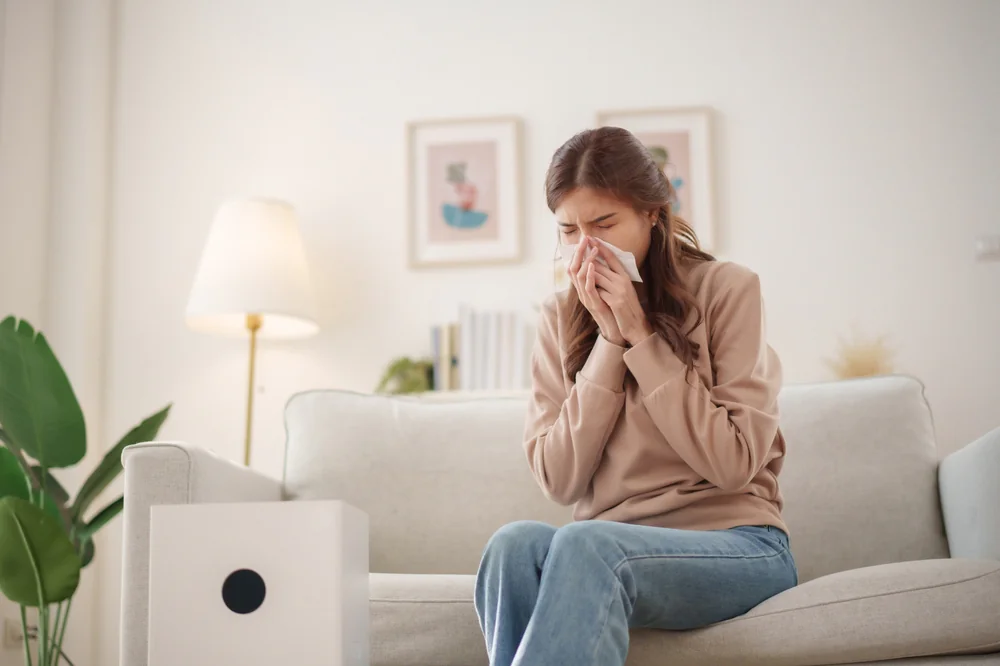
Persistent symptoms are the biggest red flag. If you or your family members have allergies, asthma, headaches, or fatigue that improve when you leave the house and come back when you return, your indoor air quality might be the culprit.
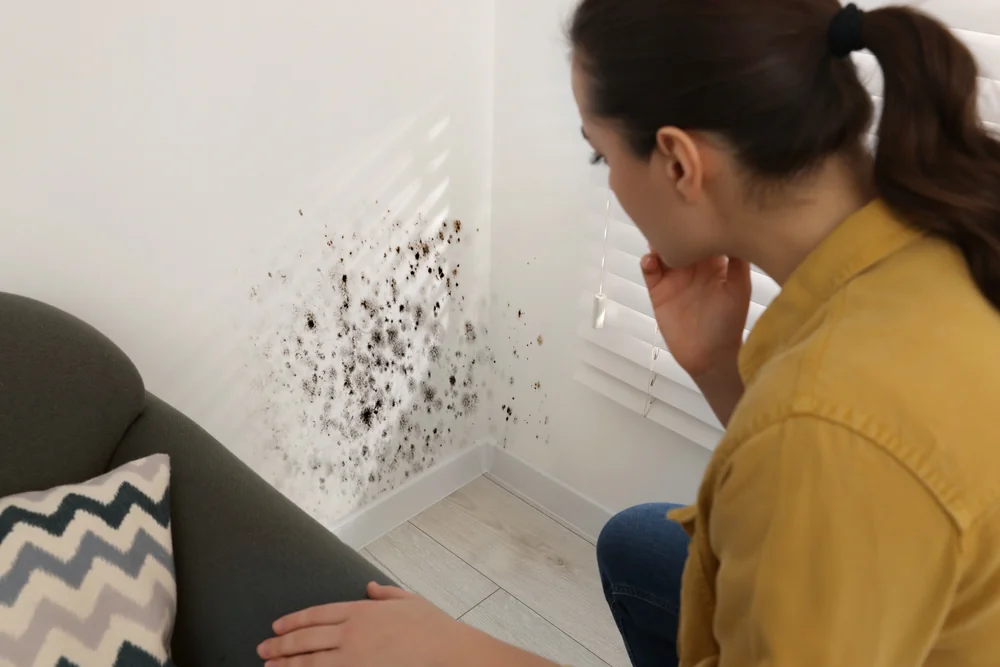
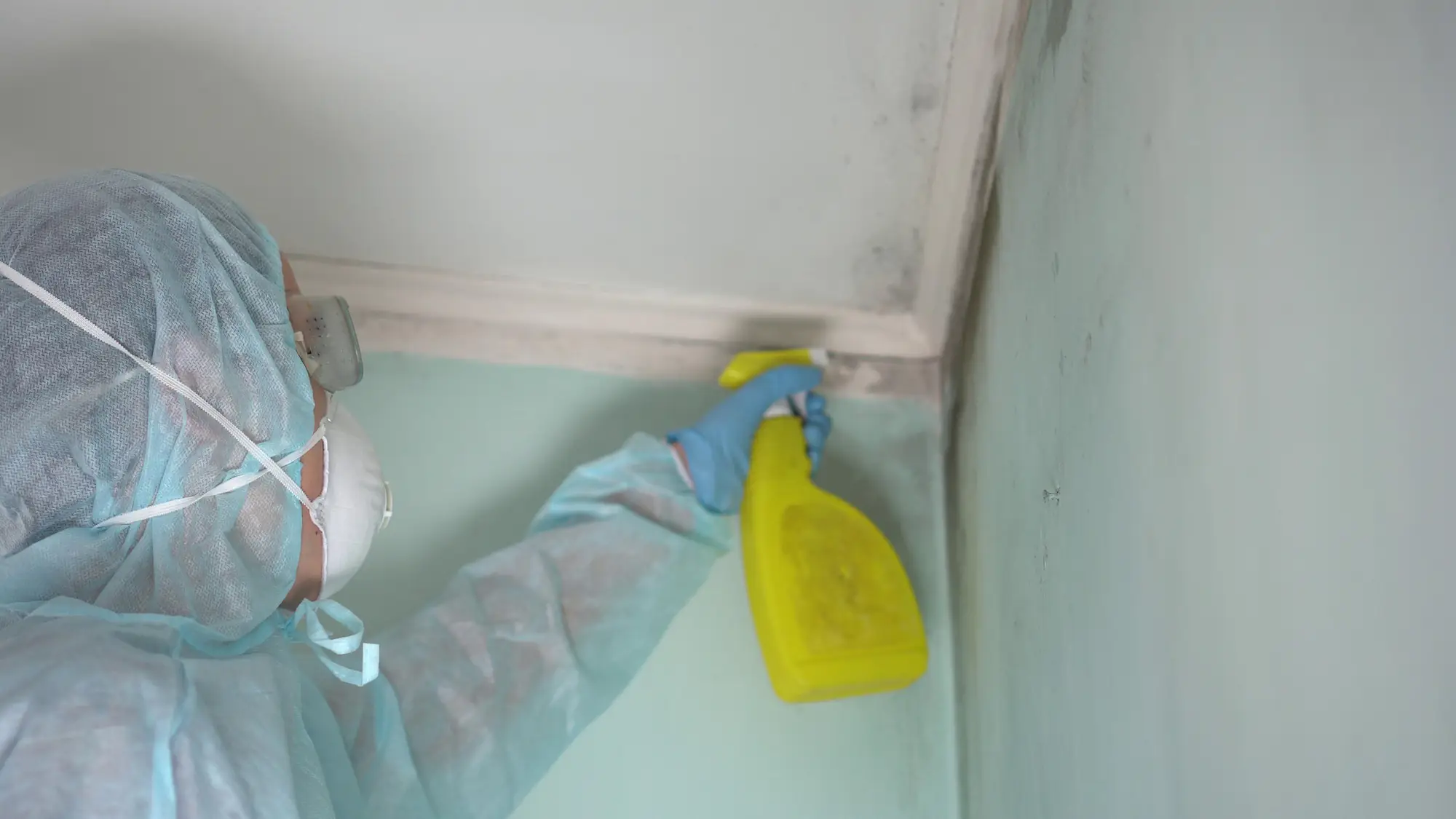
Visible mold or water damage is another clear sign. Even if you can’t see mold, a musty odor usually means it’s growing somewhere hidden—behind walls, under flooring, in the HVAC system. A mold air test will tell you if spores are circulating through your home.
You should also test if you’re buying or selling a home in Edgely, if you’ve had recent water damage or flooding, or if your home was built before the 1980s. Older homes in Bucks County often have radon issues and poor ventilation. Testing gives you a baseline and helps you catch problems before they become expensive or dangerous.
The actual testing visit usually takes one to two hours depending on your home’s size and what we’re testing for. We’ll do a visual inspection, set up air sampling equipment, and collect surface samples if needed.
Radon testing requires monitors to sit in your home for at least 48 hours to get an accurate reading. We’ll place the monitors and come back to retrieve them. Some tests require longer monitoring periods depending on the situation.
Lab analysis typically takes three to five business days after we collect samples. Once results come back, we’ll schedule a follow-up call or meeting to go over findings and recommendations. From start to finish, you’re usually looking at about a week for complete results and a clear action plan. We move quickly because we know you want answers, not delays.
Yes, and you should absolutely test for it. Radon is a radioactive gas that seeps up through foundation cracks and soil. You can’t see it, smell it, or taste it. It’s the second leading cause of lung cancer in the United States.
Pennsylvania has one of the most serious radon problems in the country. Forty percent of homes here test above the EPA’s safe threshold of 4.0 picocuries per liter. Bucks County is no exception. The soil composition and geology in this area make radon infiltration common.
We use continuous radon monitors placed in the lowest lived-in level of your home for a minimum of 48 hours. The monitors measure fluctuations and give us an accurate average. If your levels are elevated, mitigation is straightforward—usually a ventilation system that redirects radon before it enters your living space. Testing is the only way to know if you have a problem. Don’t skip it.
A mold inspection is visual. We walk through your home looking for signs of mold growth, water damage, moisture problems, and conditions that support mold. We check basements, crawl spaces, attics, bathrooms, and anywhere water might be getting in. It’s about identifying visible issues and risk factors.
A mold air test is scientific. We use specialized equipment to collect air samples from different areas of your home. Those samples go to a lab where technicians count mold spore types and concentrations. The results tell us if mold is present in your air even if you can’t see it growing anywhere.
Most of the time, you want both. The inspection finds the source. The air test tells you if spores are circulating and whether your indoor air quality is compromised. Together, they give you a complete picture. If we find elevated mold levels in your air, we can trace it back to the source and recommend targeted remediation. That’s how you actually solve the problem instead of just treating symptoms.
It can, especially if indoor pollutants are the trigger. Common culprits include mold spores, dust mites, pet dander, pollen that gets tracked inside, and volatile organic compounds from household products or building materials. An air quality test identifies what’s actually in your air.
If the test shows elevated mold spore counts, that’s likely contributing to respiratory symptoms. If VOC levels are high, that could explain headaches, throat irritation, and fatigue. If everything tests normal, you can rule out your home’s air quality and look at other causes with your doctor.
Testing doesn’t replace medical advice, but it gives you data. A lot of people suffer for months or years assuming they just have bad allergies when the real issue is something fixable in their home environment. Knowing what you’re breathing is the first step to feeling better. We’ve seen it happen dozens of times—families get their air tested, address the problem, and symptoms improve within weeks.
Other Services we provide in Edgely