
Hear from Our Customers
You spend most of your time indoors. If something’s off with your air, you’re breathing it constantly.
A professional air quality test tells you what’s actually in the air. Mold spores, radon gas, volatile organic compounds, carbon monoxide, dust, dander. Most of these are invisible. Some have no smell. You won’t know they’re there until someone gets sick or a home inspection flags a problem.
Testing gives you a baseline. If you’re dealing with unexplained allergies, respiratory issues, or just bought a home in Bucks County, you need to know what you’re working with. Once you have the data, you can make decisions. Remediate the mold. Improve ventilation. Address moisture problems before they get worse.
This isn’t about fear. It’s about information. You can’t fix what you can’t see.
We’ve been doing this work for over 20 years. We’ve tested hundreds of homes across Aquetong, PA and the surrounding Bucks County area. We know what shows up in older homes, what happens after water damage, and what radon levels look like in this region.
Bucks County consistently gets a failing grade for ozone in the American Lung Association’s air quality report. Radon is extremely common throughout Pennsylvania. Indoor mold isn’t regulated by state health departments here, which means homeowners are on their own to identify and address it.
We’re not a national franchise. We’re local. We understand the housing stock, the climate, and the specific air quality challenges you face in this area. When we test your home, we’re looking at it through the lens of what we’ve seen work and fail in hundreds of similar properties.
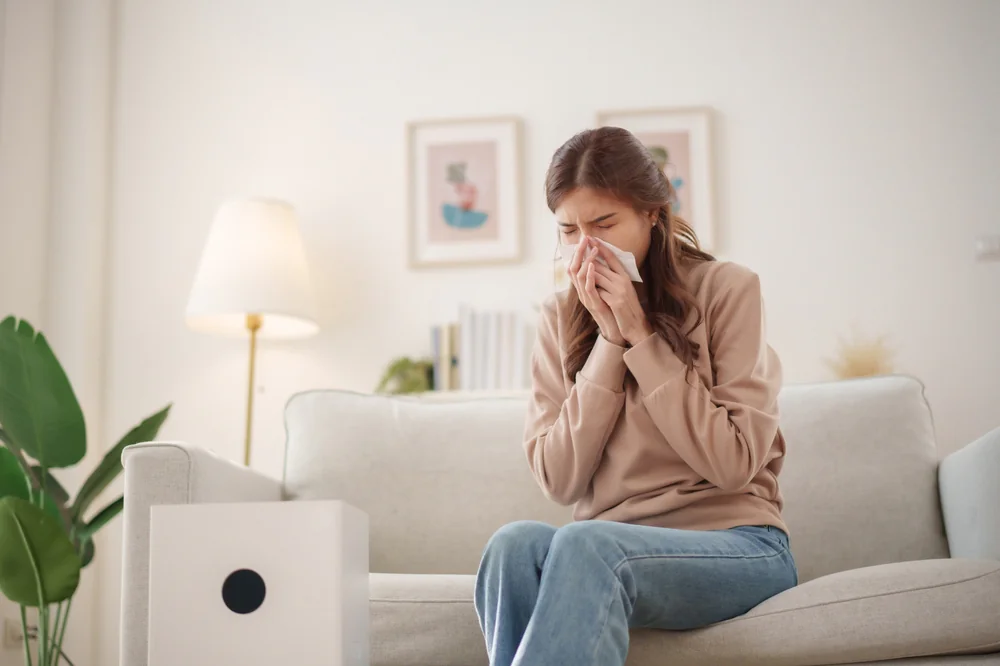
First, we talk. You tell us what’s going on. Musty smells, health symptoms, recent water damage, or just due diligence before closing on a house. That context shapes how we approach the test.
We bring professional-grade equipment to your property. Depending on what we’re testing for, we may collect air samples, surface samples, or use continuous monitoring devices. We’re looking for mold spores, VOCs, carbon monoxide, carbon dioxide, radon, particulates like dust and dander. The equipment we use is more accurate than any DIY kit you’ll find at a hardware store.
Once we collect samples, they go to a lab for analysis. You get a report that breaks down exactly what’s in your air and at what levels. We walk you through the results in plain language. If something’s elevated, we explain what it means and what your options are.
If remediation is needed, we handle that too. Mold removal, moisture control, ventilation improvements. We’re not just handing you a report and walking away. We’re giving you a path forward.
Ready to get started?
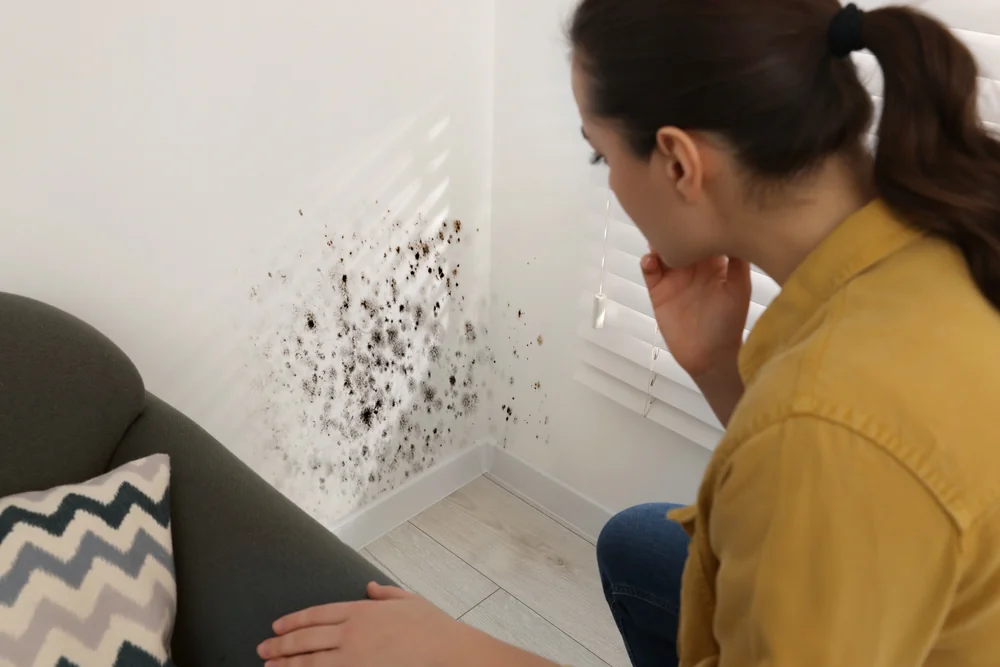
A comprehensive indoor air quality test covers the main threats. Mold is a big one in Bucks County. Excess moisture from basements, crawl spaces, or past water damage creates the perfect environment for mold growth. It triggers allergies and asthma, and it damages your property value.
Radon is the second leading cause of lung cancer in North America. It’s a naturally occurring gas that seeps into homes through cracks in foundations. Pennsylvania has some of the highest radon levels in the country. The EPA recommends testing every home. It’s invisible and odorless, so testing is the only way to know if you’re exposed.
VOCs come from cleaning products, paints, building materials, and furnishings. Long-term exposure can cause headaches, dizziness, and respiratory issues. Carbon monoxide is another silent threat, especially if you have gas appliances or an attached garage.
We also measure particulates. Dust, pollen, pet dander. These aren’t as dangerous as radon or carbon monoxide, but they make life miserable if you have allergies or asthma. Knowing what’s in your air helps you take targeted action instead of guessing.
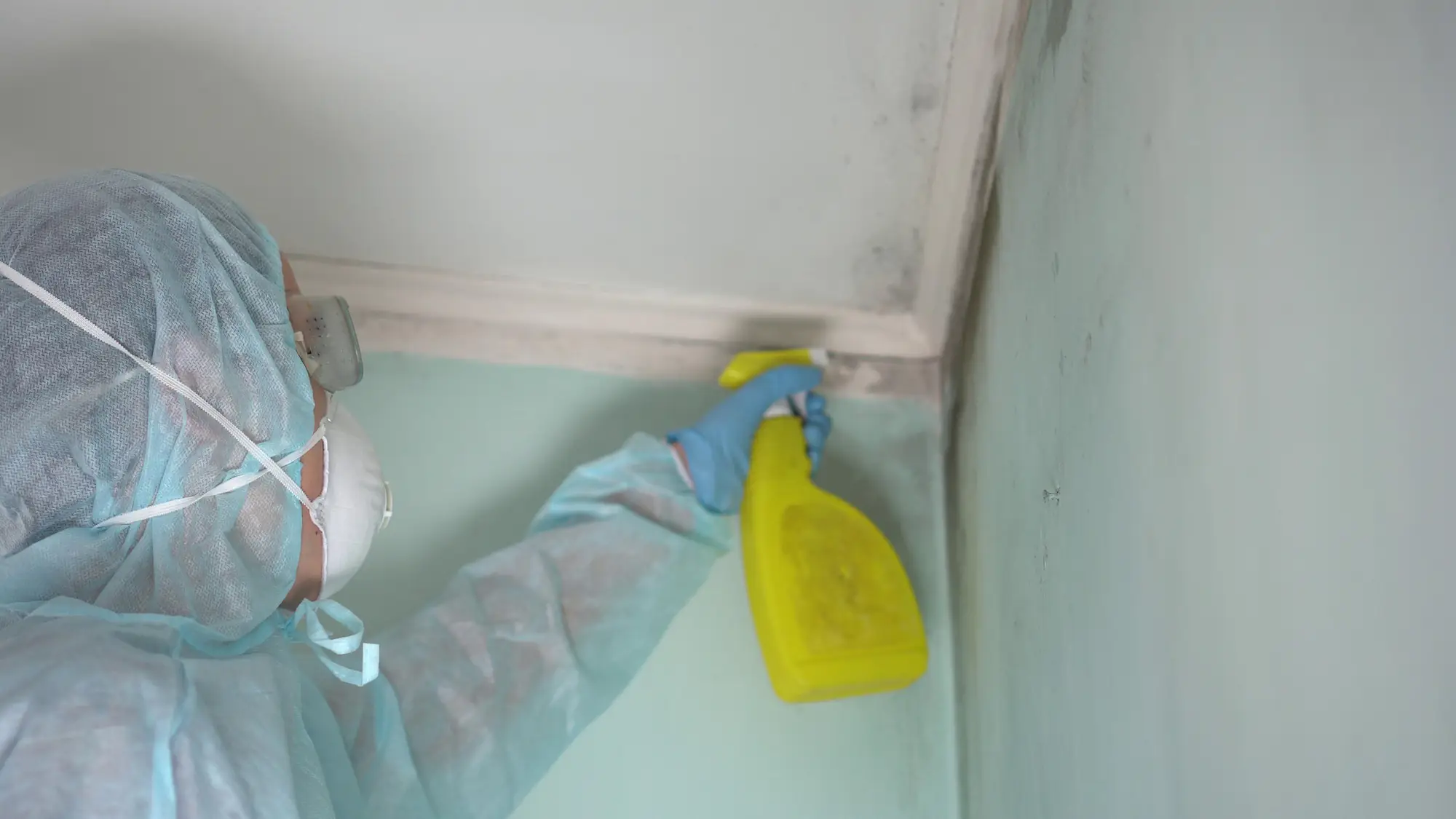
Most homeowners in Aquetong, PA pay between $300 and $600 for a standard indoor air quality test. The price depends on the size of your home, what you’re testing for, and how many samples we need to collect.
A basic mold air test is on the lower end. A comprehensive assessment that includes radon, VOCs, carbon monoxide, and particulates costs more. If you’re buying a home, it’s worth doing the full test. Catching a radon problem or hidden mold before you close can save you thousands in remediation costs down the line.
Professional testing costs more than a DIY kit, but the accuracy is worth it. Lab analysis gives you reliable data. A home test kit might miss elevated mold spore counts or give you a false negative. When you’re making decisions about your family’s health or a six-figure real estate investment, you want real answers.
Most experts recommend testing once a year if you have kids, elderly family members, or anyone with respiratory conditions. If your home is generally healthy and you haven’t had water damage or renovations, every two to three years is reasonable.
You should test immediately after any water damage, flooding, or major leak. Mold can start growing within 24 to 48 hours. Even if you can’t see it, spores may be circulating through your HVAC system.
Test before buying a home. It’s as important as inspecting the roof or foundation. If the test reveals mold, radon, or other air quality issues, you can negotiate repairs or pricing before closing. Test after major renovations too. New paint, flooring, and materials can off-gas VOCs for months.
Seasonal factors matter in Bucks County. High humidity in summer creates mold-friendly conditions. If you notice musty smells or unexplained allergy symptoms, don’t wait for your annual test. Call us.
A mold air test specifically measures mold spore counts in your indoor air. We collect air samples and send them to a lab to identify the types and concentrations of mold present. This is useful if you suspect mold but can’t see visible growth, or if you want to verify that remediation was successful.
A full indoor air quality test is more comprehensive. It includes mold, but also tests for radon, carbon monoxide, carbon dioxide, VOCs, and particulates like dust and pollen. You get a complete picture of what’s in your air.
If you’re dealing with a specific issue, like a musty basement or recent water damage, a mold air test might be enough. If you’re buying a home, experiencing unexplained health symptoms, or just want peace of mind, go with the full test. The cost difference isn’t huge, and the information is worth it.
We can help you decide which test makes sense based on your situation. There’s no point in paying for tests you don’t need, but there’s also no point in getting incomplete data.
Yes. Radon testing is a standard part of most comprehensive air quality assessments, and it’s especially important in Pennsylvania. Radon is a radioactive gas that occurs naturally when uranium in soil breaks down. It seeps into homes through cracks in foundations, basement floors, and crawl spaces.
Bucks County has elevated radon levels. The EPA recommends testing all homes in Pennsylvania because radon exposure is the second leading cause of lung cancer after smoking. It’s completely invisible and odorless, so you can’t detect it without testing.
We use professional radon testing equipment that measures levels over a period of time. Short-term tests take a few days. Long-term tests run for several months and give a more accurate average. If your radon levels are above the EPA’s action level of 4 picocuries per liter, we’ll recommend mitigation. Radon mitigation systems are effective and not as expensive as most people think.
If you’re buying a home in Aquetong, make radon testing non-negotiable. If you already own your home and haven’t tested, now’s the time.
You get a detailed report that shows exactly what was found and at what levels. We walk you through the results and explain what they mean in practical terms. Not every finding requires immediate action, but some do.
If mold spore counts are elevated, we identify the likely source. Usually it’s a moisture problem. Leaky pipes, poor ventilation, basement humidity, roof leaks. We’ll recommend remediation, which might include mold removal, fixing the moisture source, and improving airflow. We handle all of that.
If radon is above safe levels, we’ll discuss mitigation options. Radon systems vent the gas out of your home before it accumulates. If VOCs are high, we’ll help you identify the sources and suggest ways to reduce exposure, like improving ventilation or switching to low-VOC products.
The goal isn’t to scare you. It’s to give you actionable information. Some issues are easy fixes. Others require professional remediation. Either way, you’ll know what you’re dealing with and what it’ll take to fix it. We’ve been doing mold removal and air quality work in Bucks County for over 20 years. We’ve seen it all, and we know how to solve it.
Absolutely. You’re about to make one of the biggest investments of your life. You need to know what you’re buying, and that includes the air inside the house.
A standard home inspection covers structure, systems, and visible damage. It doesn’t usually include air quality testing. Mold, radon, and VOCs aren’t always visible. A home can look perfect and still have elevated radon levels or hidden mold growth behind walls.
Air quality testing before closing gives you leverage. If we find mold or radon, you can ask the seller to remediate before you move in, or you can negotiate a lower price to cover the cost of fixing it yourself. Addressing these problems before you own the home is far less stressful and often less expensive than discovering them after you’ve moved in.
In Bucks County, radon is common and mold thrives in older homes with moisture issues. Don’t skip this step. The test costs a few hundred dollars. The problems it can uncover cost thousands to fix. It’s one of the best investments you can make during the home buying process.
Other Services we provide in Aquetong