
Hear from Our Customers
You shouldn’t have to wonder if your home is making your family sick. Persistent coughing that won’t quit, allergies that seem worse indoors, or that musty smell you can’t track down—these aren’t things to ignore or mask with air fresheners.
A home air quality test gives you actual data. Lab results that show exactly what’s circulating through your vents and settling into your furniture. Mold spore counts, moisture levels, contamination sources—the kind of information that lets you make informed decisions instead of expensive guesses.
Most homeowners in Doylestown don’t realize their air quality is compromised until symptoms become constant. By then, the problem has usually spread. Early detection through professional air quality testing means smaller fixes, lower costs, and less disruption to your daily life.
We’ve been testing indoor air quality in Bucks County for over 15 years. We’re not a remediation company trying to upsell services you don’t need. We test, we report, we explain what the results mean.
Our team knows Doylestown homes. The older construction common in this area, the humidity patterns from our proximity to the Delaware River, the basement moisture issues that come with Bucks County’s climate. That local knowledge matters when interpreting test results and identifying likely contamination sources.
You get unbiased lab analysis, detailed reporting, and straight answers about what’s happening in your home. No pressure, no inflated recommendations—just professional testing and honest communication about what the data shows.

We start with a visual inspection of your property. That means checking common problem areas—basements, crawl spaces, around windows, anywhere moisture tends to accumulate in Doylestown homes. We’re looking for visible signs of mold, water damage, or conditions that compromise air quality.
Next comes the actual air sampling. We use calibrated equipment to collect air samples from multiple locations throughout your home. These samples get sent to an independent certified laboratory for analysis. The lab identifies specific contaminants, mold species, and spore concentration levels.
We also use thermal imaging cameras and moisture meters to detect hidden problems behind walls or under flooring. High moisture readings often indicate mold growth you can’t see yet but that’s already affecting your indoor air quality.
Once lab results come back—usually within 24 hours—we walk through the findings with you. What was detected, where the highest concentrations are, what’s likely causing the contamination, and what your options are for addressing it. You get a detailed written report with photos, moisture readings, and lab documentation you can share with contractors or insurance companies.
Ready to get started?
A complete residential air quality testing service covers more than just collecting samples. You’re getting a thorough assessment of your home’s indoor environment with technology designed to find problems before they’re visible.
The inspection includes thermal imaging to detect temperature variations that indicate moisture intrusion or poor insulation. Digital moisture meters measure exact moisture content in building materials. Air sampling equipment collects samples from multiple rooms to compare contamination levels throughout your property.
Laboratory analysis identifies specific mold species—not just “mold present” but what type and at what concentration. That matters because different mold species present different health risks and require different approaches to address. The lab results also show how your indoor air compares to outdoor baseline samples.
Doylestown’s climate creates specific challenges for homeowners. Hot humid summers combined with older housing stock means basements and crawl spaces are prime locations for moisture accumulation and mold growth. Many homes built in the 1970s and earlier weren’t constructed with modern moisture barriers or ventilation systems. A professional air quality test accounts for these local factors when assessing your home’s specific risks.
If anyone in your home is experiencing unexplained respiratory symptoms that improve when they leave the house, that’s a strong indicator. Persistent coughing, sneezing, congestion, itchy eyes, or skin irritation that seems worse indoors often points to contaminated air.
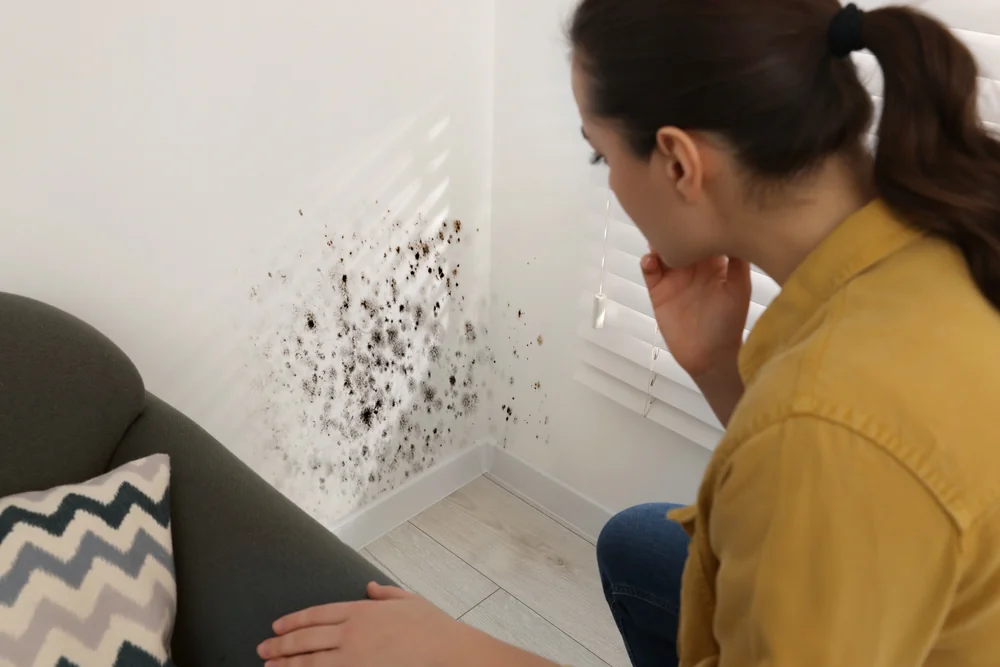
Visible signs matter too. Water damage from leaks or flooding, musty odors you can’t locate, condensation on windows, or any visible mold growth means you should test the air. Even if you’ve cleaned up visible mold, spores can remain airborne and continue affecting air quality.
Homes in Doylestown with basements, crawl spaces, or a history of moisture problems should consider testing even without obvious symptoms. Many homeowners discover elevated mold spore counts before anyone gets sick—which is exactly when you want to find out, not after health issues develop.
A mold inspection is a visual assessment. An inspector looks for visible mold, moisture damage, and conditions that promote mold growth. It’s helpful but limited to what can be seen.
Air quality testing involves laboratory analysis of air samples collected from your home. It detects airborne contaminants you can’t see—mold spores, bacteria, allergens—and measures their concentration levels. The lab identifies specific species and compares your indoor air to outdoor baseline samples.
Most thorough assessments include both. The visual inspection identifies problem areas and moisture sources. The air testing quantifies what’s actually circulating through your home and affecting your family’s health. Together, they give you a complete picture of your indoor environment and what needs to be addressed.
The on-site inspection and air sampling typically takes one to two hours depending on your home’s size and the number of areas being tested. We’re thorough but efficient—we know you’re busy and don’t want someone in your home all day.
Air samples go to the lab the same day they’re collected. Most laboratory analysis is completed within 24 hours. You’ll receive detailed results showing exactly what was found, at what concentration levels, and where the highest contamination is located.
We schedule a follow-up conversation to review the results with you. That’s when we explain what the numbers mean, answer your questions, and discuss your options. The written report includes all lab documentation, photographs from the inspection, moisture readings, and clear recommendations. It’s yours to keep and share with contractors or insurance companies as needed.
Many homeowners insurance policies cover mold inspections and air quality testing when it’s related to a covered event like water damage from a burst pipe or roof leak. The key is whether the contamination resulted from a sudden, accidental incident rather than long-term neglect or maintenance issues.
Review your specific policy or call your insurance agent before scheduling testing. Some policies require you to use their preferred testing company, while others reimburse you for testing costs after you submit documentation. Knowing your coverage details upfront prevents surprises.
Even if insurance doesn’t cover testing costs, the investment typically ranges from $300 to $800 in the Doylestown area—significantly less than dealing with extensive contamination or ongoing health problems. Early detection through professional testing often saves thousands compared to discovering problems after they’ve spread throughout your home. We provide detailed documentation and lab reports that meet insurance requirements if you need to file a claim.
Consumer test kits are available, but they have significant limitations. Most don’t include professional-grade sampling equipment or comprehensive laboratory analysis. The results often lack the detail needed to make informed decisions about remediation.
DIY kits typically can’t detect hidden moisture problems behind walls or under flooring. They don’t use thermal imaging to identify temperature variations that indicate contamination sources. And they usually test only one or two locations rather than comparing air quality throughout your entire home.
Professional air quality testing includes calibrated equipment, multiple sampling locations, independent laboratory analysis that identifies specific contaminant species and concentration levels, and interpretation from experienced technicians who understand Bucks County homes. If you’re concerned enough about your indoor air to test it, get accurate results the first time rather than wasting money on incomplete information that doesn’t actually answer your questions.
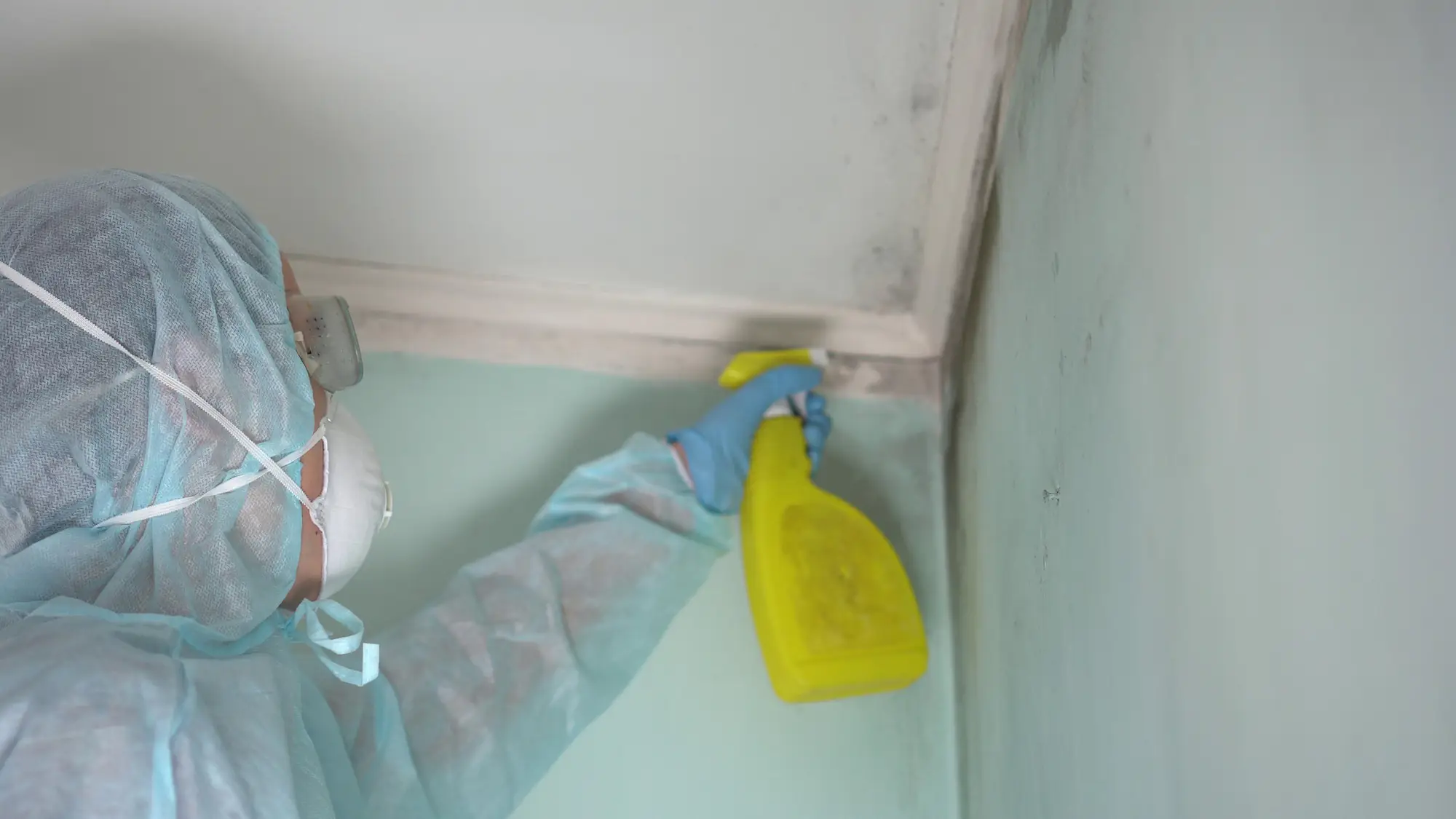
First, don’t panic. High mold spore counts are fixable, and knowing about them is better than breathing them unknowingly. The lab results will show exactly what type of mold is present and at what concentration, which determines the appropriate response.
Some situations require professional remediation—especially if toxic mold species are detected or if contamination is widespread. Other cases can be addressed with targeted cleaning and moisture control. The key is identifying and fixing the moisture source, otherwise mold will return even after remediation.
We provide clear recommendations based on your specific test results. You’re not obligated to use any particular remediation company—the report is yours to take to whichever contractor you choose. Our job is testing and accurate reporting, not selling you services. You get honest information about what the data shows and what your options are for addressing it.