

Hear from Our Customers
You can’t fix what you can’t see. Mold grows behind walls, under flooring, in crawl spaces—places a DIY kit will never reach. Professional mold testing uses thermal imaging and moisture meters to locate problem areas that aren’t visible to the naked eye.
The difference isn’t just finding mold. It’s knowing what type, how much, and whether it’s actually a threat. Lab analysis identifies the species, measures concentration levels, and compares them to outdoor baselines. That’s how you know if you’re dealing with a minor issue or something that needs immediate attention.
Results come back in three to five business days from a nationally recognized lab. The report includes remediation recommendations if needed, documentation for insurance claims, and a clear picture of your indoor air quality. No guessing. No panic. Just facts.
We’ve been handling residential and commercial mold testing in Doylestown since 1997. We’ve seen what Pennsylvania’s humid summers do to homes in this area—especially older properties built before modern moisture control became standard.
Bucks County’s climate creates perfect conditions for mold growth. Humidity sits in the danger zone where moisture doesn’t evaporate easily. Weak airflow in attics and basements allows damp conditions to persist long enough for mold to establish itself. We understand how mold behaves in local homes because we’ve been inspecting them for nearly three decades.
Our team uses calibrated equipment and works with certified labs. Every inspection follows the same thorough process, and every report gives you actionable information. Call 215-431-4744 to schedule your mold testing.
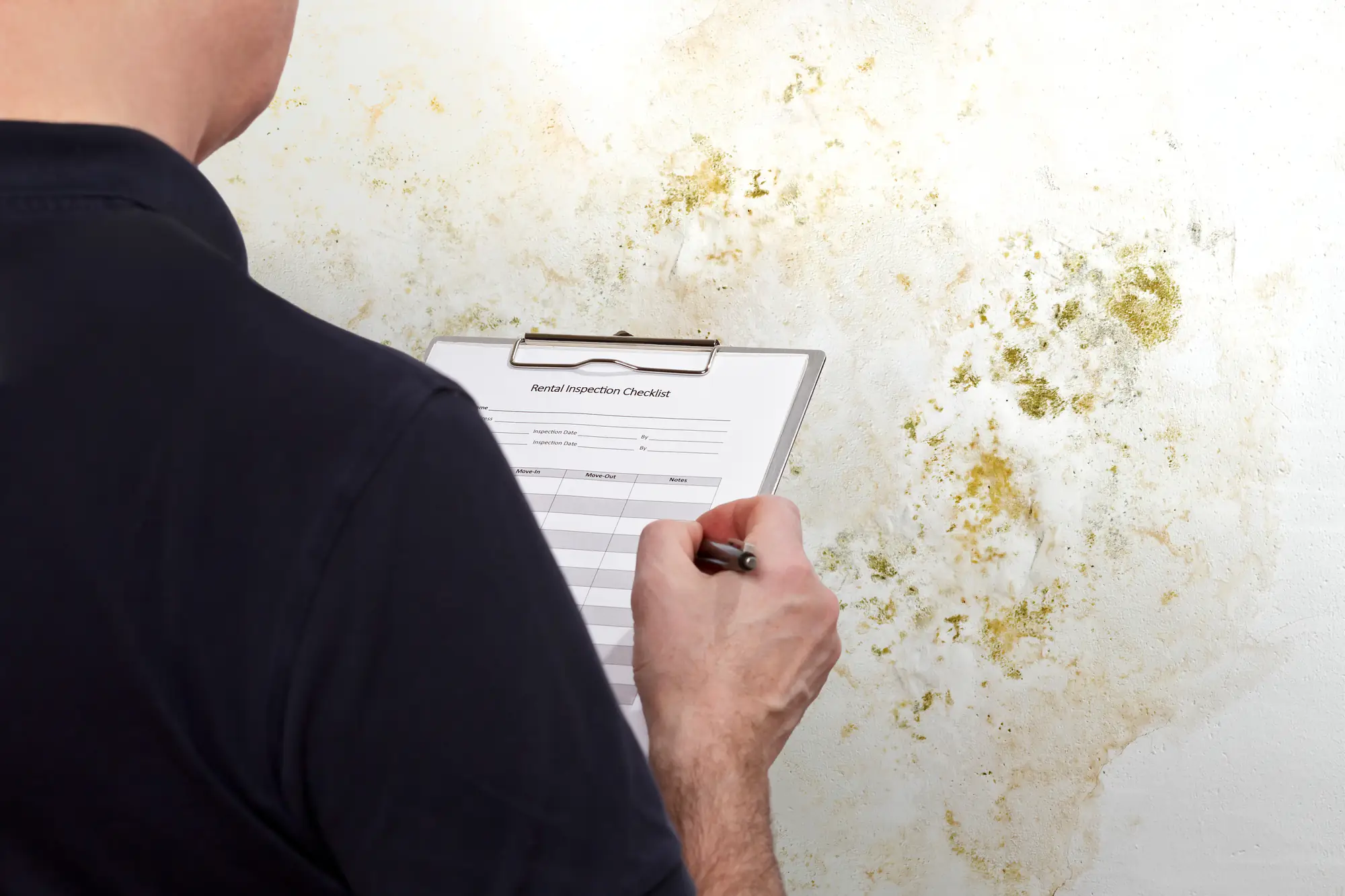
The inspection starts with a visual assessment of your property. We look for visible mold, water stains, moisture damage, and conditions that support mold growth. This includes checking basements, crawl spaces, attics, HVAC systems, and anywhere water intrusion might have occurred.
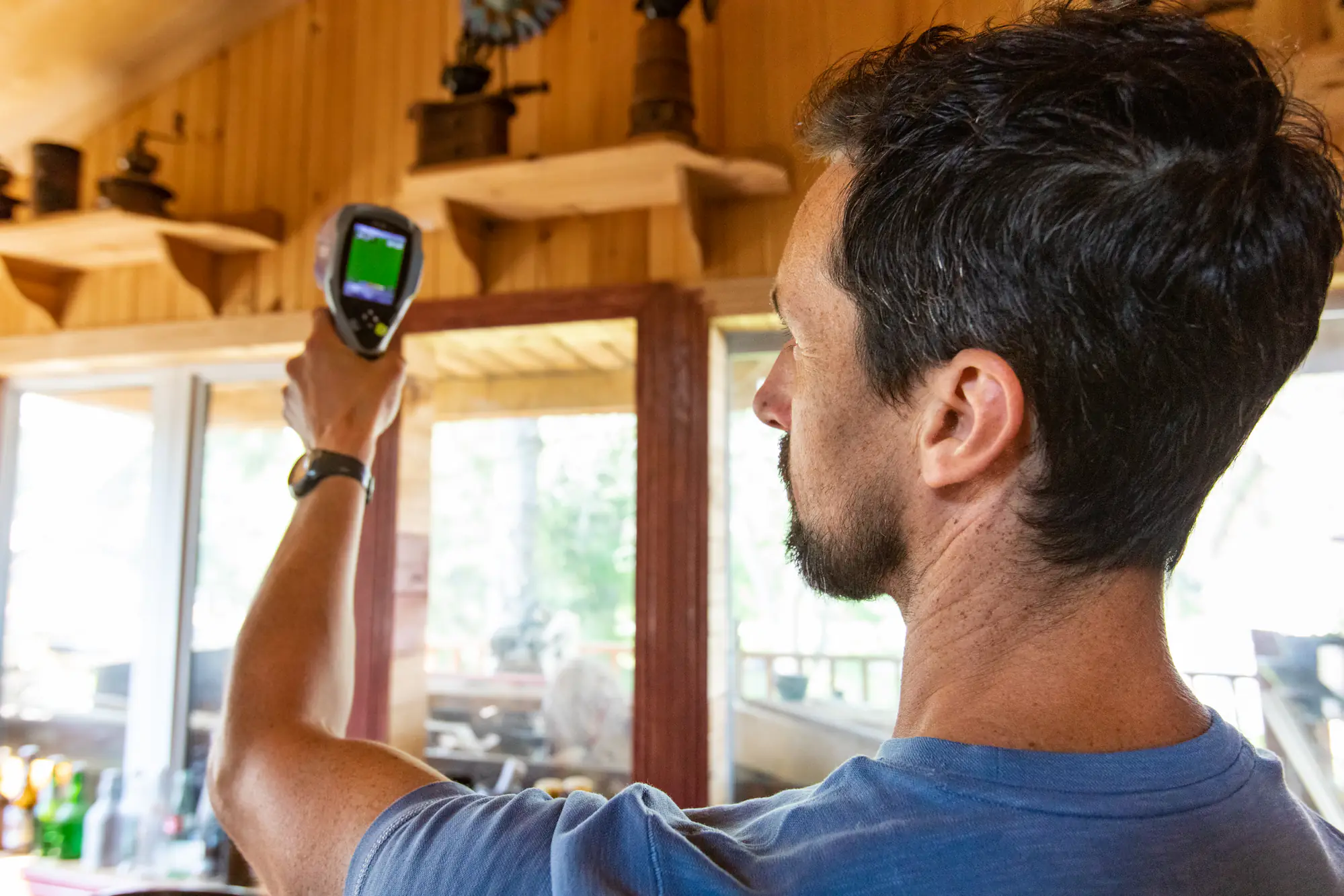
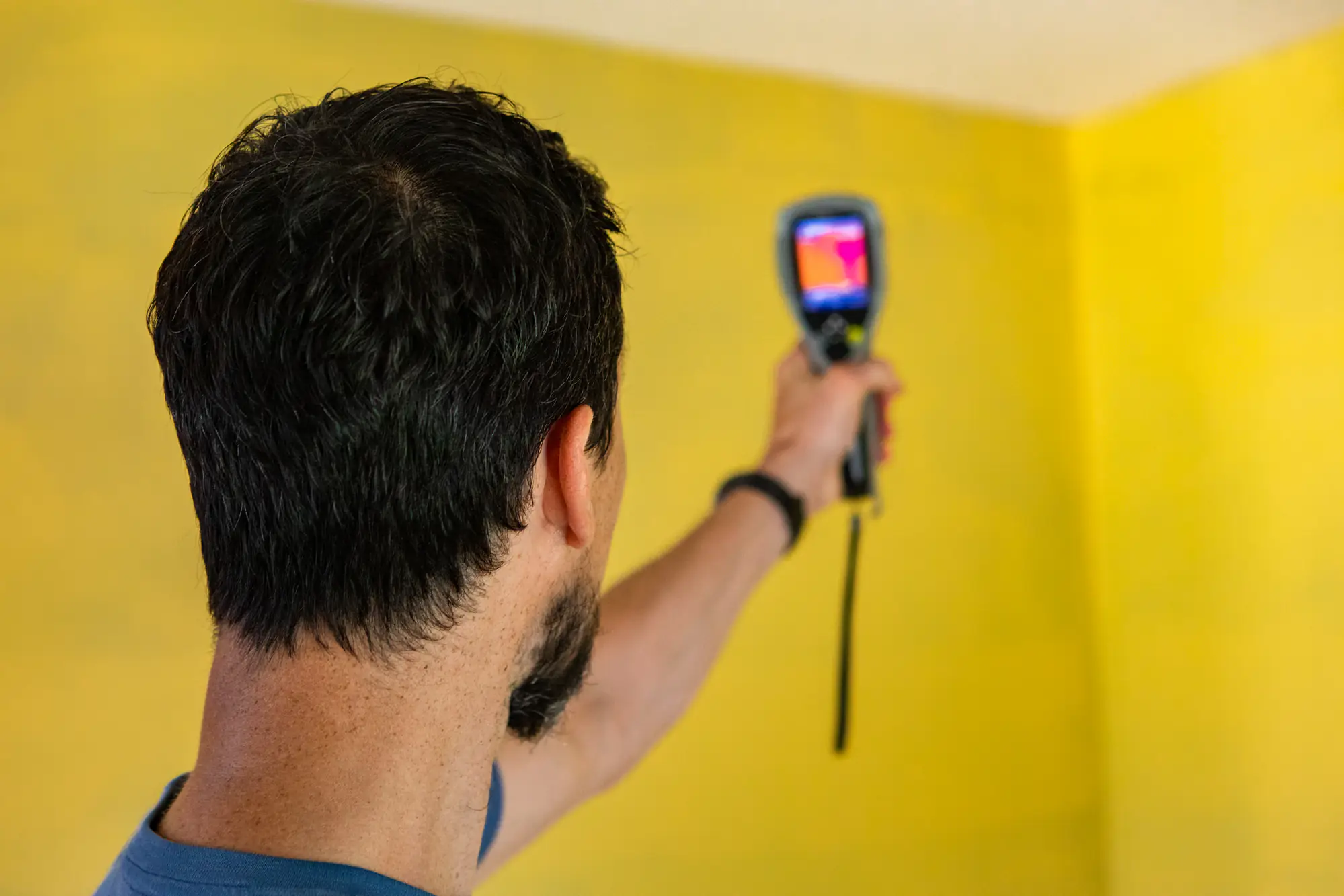
Next comes the testing. We use thermal imaging to identify temperature variations that indicate moisture behind walls or ceilings. Moisture meters measure exact humidity levels in building materials. Air samples capture airborne mold spores throughout your home. Surface samples collect visible growth for lab identification.
Samples go to a specialized mold analysis lab. They identify species, count spore concentrations, and compare indoor levels to outdoor baselines. When results come back, we walk through the findings with you. If remediation is needed, we create a custom removal plan. If levels are normal, you have documentation proving your home is clear.
The entire process typically takes a few hours for the inspection, then three to five business days for lab results. You get a detailed report with photos, lab data, and our professional recommendations.
Ready to get started?
Every mold testing service includes a complete property inspection using advanced detection technology. Thermal imaging spots hidden moisture. Moisture meters measure humidity levels in walls, floors, and ceilings. Visual inspection covers all accessible areas where mold typically grows.
Air quality testing captures what you’re breathing. Multiple air samples from different rooms show spore concentration throughout your home. Surface testing identifies visible growth and determines exact species. All samples go to a nationally recognized lab that specializes in mold analysis.
Doylestown homes face specific challenges. Many properties in Bucks County were built decades ago with less effective moisture barriers. Summer humidity regularly exceeds 60%, creating ideal mold conditions. Basements and crawl spaces stay damp. HVAC systems running constantly can spread spores if ducts aren’t maintained. Our testing accounts for these local factors.
The final report includes lab results, species identification, concentration levels, comparison to outdoor air, photos of problem areas, and remediation recommendations if needed. This documentation works for insurance claims, real estate transactions, or simply knowing your family is breathing clean air.
Professional mold testing typically costs less than you’d spend fixing damage from undetected mold. The inspection itself varies based on property size and how many samples are needed, but it’s a fraction of what remediation costs if problems spread.
Consider what you’re getting. Lab analysis from certified facilities. Thermal imaging that sees through walls. Detailed reports that insurance companies and real estate professionals accept. Compare that to a DIY kit that only tests one spot and can’t find hidden mold.
The real cost is what happens if you don’t test. Mold remediation averages $2,200 in this area, with many projects running between $1,100 and $3,300. Property values can drop 20-37% if mold is discovered during a sale. About half of potential buyers walk away once they learn a property has had mold problems. Testing early catches issues before they become expensive.
Lab results typically come back within three to five business days. The inspection itself takes a few hours depending on your property size. We schedule the visit, collect samples, send them to the lab, and contact you as soon as results are available.
The lab needs time to culture samples, identify species, and count spore concentrations. Rushing this process compromises accuracy. You want reliable data, not quick guesses. The few days you wait for proper analysis are worth it compared to making decisions based on incomplete information.
Once results arrive, we review them with you and explain what they mean. If remediation is needed, we can start immediately. If your home is clear, you have documentation proving it. The timeline from first call to final report is usually under two weeks.
Yes. That’s exactly why professional mold testing exists. Thermal imaging cameras detect temperature differences that indicate moisture behind walls, under floors, and above ceilings. Moisture meters measure humidity levels inside building materials without damaging them.
Mold grows where water collects. A leak inside a wall creates perfect conditions—dark, damp, undisturbed. You won’t see it until it spreads enough to show through paint or drywall. By then, the problem is bigger and more expensive to fix.
DIY test kits can’t find hidden mold. They only test the spot where you place them. If mold is growing three feet away behind drywall, the kit won’t detect it. Professional equipment scans entire rooms and identifies problem areas before you tear into walls. That’s the difference between guessing and knowing.
Pennsylvania’s humid climate supports several mold species. The most common are Cladosporium, Penicillium, Aspergillus, and Stachybotrys (black mold). Each grows in specific conditions and presents different risks.
Cladosporium appears on damp surfaces and in HVAC systems. Penicillium grows on water-damaged materials like carpet, wallpaper, and insulation. Aspergillus thrives in very damp environments and dust. Stachybotrys needs consistent moisture and cellulose materials like drywall or wood—it’s the “black mold” people worry about most.
Bucks County homes see more mold during summer when humidity stays high for weeks. Basements and crawl spaces are particularly vulnerable. Older homes with poor ventilation trap moisture. Even newer homes can develop problems if HVAC systems aren’t maintained or if minor leaks go unnoticed. Lab testing identifies exactly which species you’re dealing with so remediation targets the right problem.
Absolutely. Mold problems can kill a real estate deal or drop property value by 20-37%. Testing before you buy protects your investment and gives you negotiating power if issues are found.
Many Doylestown homes were built before modern building codes addressed moisture control. Older properties may have inadequate ventilation, outdated waterproofing, or previous water damage that was never properly remediated. You can’t tell by looking. Sellers aren’t always required to disclose past mold issues unless they’re currently visible.
A pre-purchase mold inspection costs far less than discovering problems after closing. If testing reveals mold, you can negotiate repairs, ask for a price reduction, or walk away. Without testing, you’re assuming the risk. Given that about half of buyers abandon purchases once mold is discovered, it makes sense to know what you’re buying before you commit.
First, understand what the results mean. High spore counts compared to outdoor levels indicate active mold growth somewhere in your home. The lab report shows which species and where concentrations are highest. That tells us where to focus remediation efforts.
Don’t panic, but don’t ignore it either. Mold spreads. The longer it grows, the more damage it causes and the more expensive removal becomes. Some species affect health—respiratory issues, allergic reactions, headaches. Others just damage building materials. Either way, you want it gone.
We create a custom remediation plan based on your specific results. This includes locating the moisture source, containing the affected area, removing contaminated materials, treating surfaces, and preventing future growth. If your situation involves insurance, we provide the documentation they need. The key is acting quickly once you know there’s a problem. Call 215-431-4744 and we’ll walk through your options.
Other Services we provide in Doylestown