
Hear from Our Customers
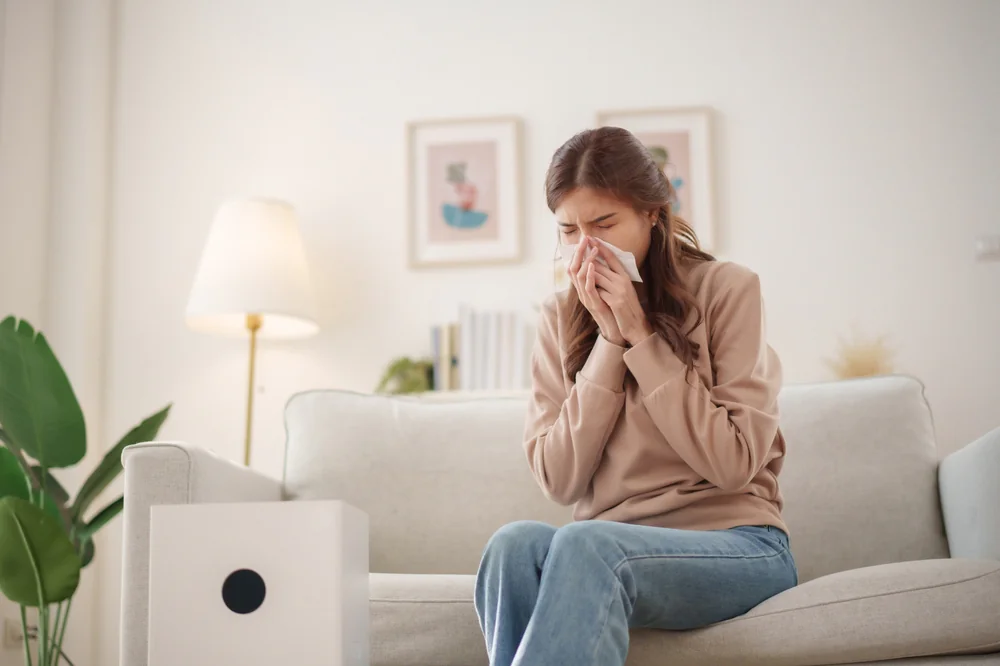
You’re dealing with symptoms no one can explain. Constant sneezing, headaches that won’t quit, allergies that seem worse at home than anywhere else. Your kids are coughing more. You’re tired all the time.
Maybe it’s mold. Maybe it’s something else hiding in your ductwork or growing behind a wall you can’t see. A home air quality test tells you exactly what’s there.
We test for mold spores, allergens, humidity levels, and other airborne contaminants that affect how you feel every day. You get a detailed report that breaks down what we found, where the problems are, and what needs to happen next. No guessing. No wondering if that musty smell is actually dangerous.
Most homes in Bristol built before 1940 weren’t designed for today’s humidity levels or modern HVAC systems. That means air gets trapped. Moisture builds up. Mold finds a place to grow. Professional air quality testing catches it before it becomes a bigger problem.
We specialize in residential air quality testing and mold remediation across Bristol, PA and Bucks County. We know the homes here—the older construction, the basement moisture issues, the way humidity settles in during summer and never really leaves.
We’re not a national franchise reading from a script. We’re local, we’re trained, and we’ve seen what happens when air quality problems go untreated in homes like yours.
Our testing uses EPA-approved methods and equipment that actually works. We provide detailed reports you can understand, and if there’s a problem, we’ll tell you exactly how to fix it. We also work directly with insurance companies when needed, so you’re not navigating claims alone.
We start with a free inspection. You show us the areas you’re concerned about—basements, bathrooms, anywhere you’ve noticed smells, stains, or symptoms. We look at the visible stuff first, then check the hidden spots where mold and moisture usually hide.
Next, we collect air samples from different rooms in your home. These samples get analyzed in a lab to identify mold spores, allergen levels, and other airborne contaminants. We also test humidity levels and check for moisture intrusion that could be feeding the problem.
You get a full report within a few days. It breaks down what we found, where the contamination is coming from, and what the levels mean for your health. If there’s mold, we’ll tell you the type and concentration. If it’s a ventilation issue or a humidity problem, we’ll explain that too.
Then we walk you through your options. Sometimes it’s a simple fix. Sometimes it requires mold remediation or moisture control. Either way, you’ll know exactly what you’re dealing with and what it takes to breathe easier at home.
Ready to get started?
Your mold air test covers the full scope of what could be affecting your indoor air. We test for airborne mold spores, measure humidity and moisture levels, inspect HVAC systems and ductwork, and check common problem areas like basements, crawl spaces, attics, and bathrooms.
Bristol’s climate makes mold growth more likely, especially in older homes. With 53% of local homes built before 1940, you’re dealing with construction that wasn’t designed for modern moisture control. Basements leak. Crawl spaces trap humidity. Attics don’t ventilate properly. These are the areas we focus on during testing.
We also look at how your home’s air circulates. Poor ventilation means contaminated air just keeps recycling through your living spaces. If your HVAC system is spreading mold spores or allergens, we’ll catch it.
After testing, you get documentation you can use for insurance claims, real estate transactions, or just peace of mind. If remediation is needed, we handle that too—finding the source, removing the contamination, and preventing it from coming back.
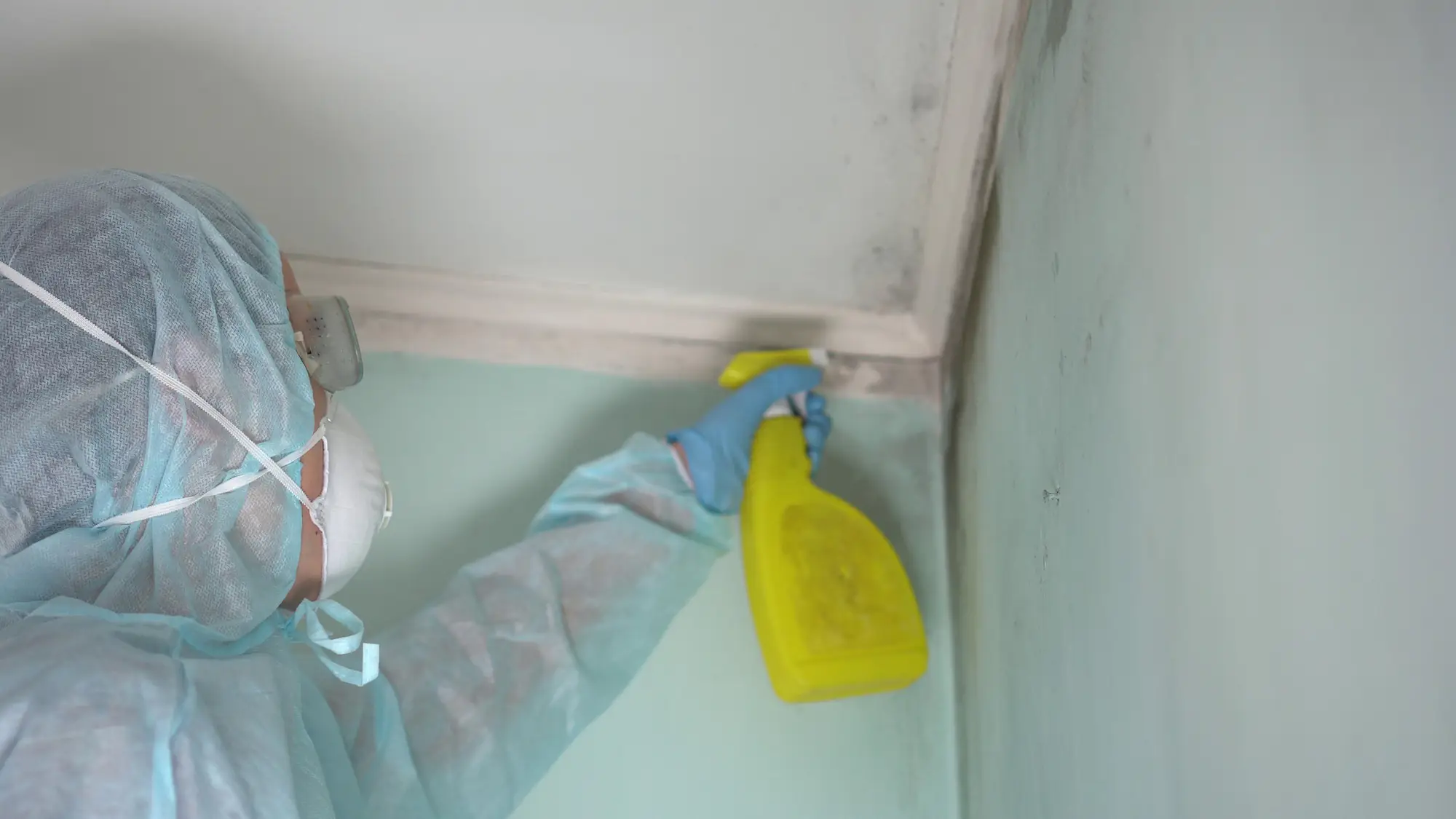
If you’re experiencing unexplained health symptoms at home—constant allergies, persistent coughing, headaches, fatigue, itchy eyes, or skin rashes—that’s your first sign. These symptoms often get worse when you’re indoors and improve when you leave.
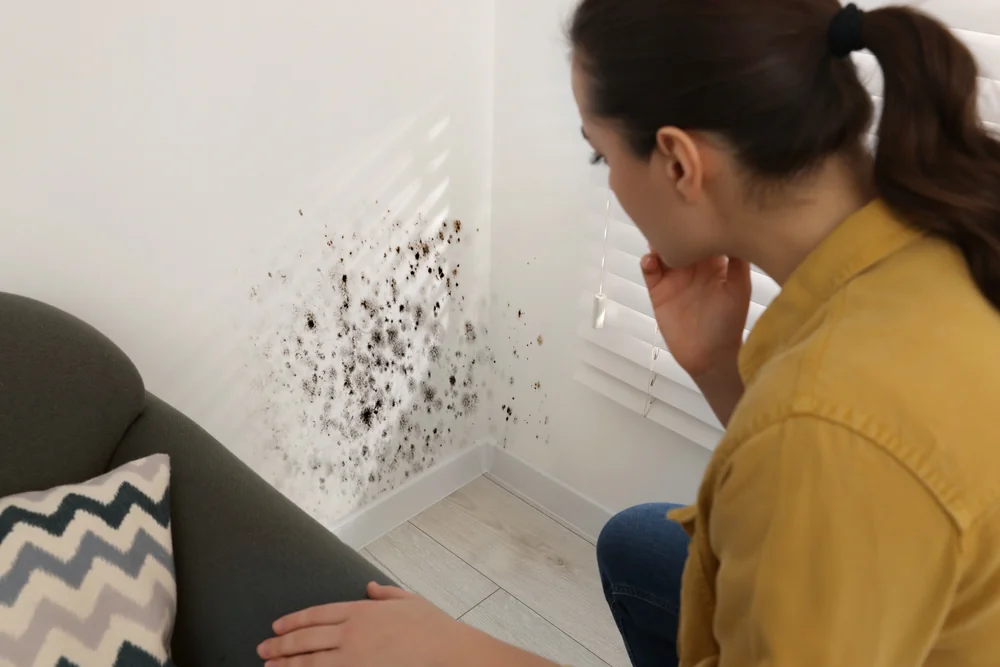
Visible signs matter too. Musty odors, water stains, discoloration on walls or ceilings, condensation on windows, or any history of water damage all point to potential air quality problems. Even if you can’t see mold, it could be growing behind walls, under flooring, or in your HVAC system.
Homes in Bristol face specific risks. The humid summers, older construction, and basement moisture issues common in Bucks County create ideal conditions for mold growth. If your home was built before 1940—and more than half in Bristol were—you’re dealing with building materials and ventilation systems that weren’t designed to handle today’s humidity levels. Testing gives you answers instead of assumptions.
A professional indoor air quality test measures the concentration and types of airborne contaminants in your home. We collect air samples from multiple rooms and send them to a lab for analysis. The lab identifies mold spores by species and counts how many spores per cubic meter of air you’re breathing.
We also measure humidity levels throughout your home using moisture meters and hygrometers. High humidity—anything above 60%—creates conditions where mold thrives. We check for moisture intrusion in walls, floors, and ceilings that you wouldn’t notice without the right equipment.
The test includes a visual inspection of your HVAC system, ductwork, and common problem areas like basements and attics. We’re looking for active mold growth, water damage, poor ventilation, and any conditions that could be contaminating your air. You get a detailed report that breaks down everything we found, compares it to safe levels, and explains what it means for your health and your home.
The on-site testing usually takes one to two hours depending on the size of your home and how many areas need to be tested. We’ll collect air samples, take moisture readings, inspect problem areas, and document everything we find during the visit.
Lab analysis takes a few days—typically three to five business days. The lab needs time to culture the samples and identify specific mold species and spore concentrations. Rushing this process means less accurate results, and accuracy is the whole point of professional testing.
Once we get the lab results back, we’ll schedule a time to review the report with you. We’ll walk through what was found, explain what the numbers mean, show you where the contamination is coming from, and discuss your options for fixing it. If the results show a serious problem that needs immediate attention, we’ll contact you right away instead of waiting for a scheduled follow-up.
DIY air quality test kits exist, but they’re not reliable for making real decisions about your health or your home. Most consumer kits can’t identify specific mold species, measure accurate spore concentrations, or detect problems in hidden areas where mold actually grows. You might get a result that says “mold detected,” but that doesn’t tell you what kind, how much, or where it’s coming from.
Professional air quality testing uses lab-grade equipment and certified analysis. We know where to sample, how to collect uncontaminated air, and how to interpret results in the context of your specific home. We also have the tools to find moisture intrusion and hidden mold growth that DIY kits completely miss.
If you’re dealing with health symptoms, planning to buy or sell a home, or need documentation for insurance, professional testing is the only option that holds up. The cost difference isn’t worth the risk of missing a serious problem or getting inaccurate information that leads you in the wrong direction.
If we find mold, the report will tell you what type it is, how much is present, and where it’s concentrated. Not all mold requires full remediation—some situations just need better ventilation or humidity control. But if the levels are high or the species is toxic, we’ll recommend professional mold removal.
We’ll identify the moisture source feeding the mold growth. Maybe it’s a plumbing leak, poor ventilation, basement seepage, or condensation from your HVAC system. Removing mold without fixing the moisture problem means it’s just going to come back.
Our team handles the full remediation process using EPA-approved methods. We contain the affected area to prevent spores from spreading, remove contaminated materials, treat surfaces, and address the underlying moisture issue. Then we retest the air to confirm the mold is gone and your levels are back to normal. We also work with your insurance company if your policy covers mold remediation, so you’re not dealing with claims paperwork on your own.
Cost depends on the size of your home and how many areas need testing. A basic residential air quality test for a typical Bristol home usually ranges from $300 to $600. Larger homes or properties that need extensive sampling cost more.
We offer free mold inspections, which include a visual assessment and moisture detection. If the inspection shows you likely have a problem, we’ll recommend air testing to confirm what’s there and how severe it is. That way you’re not paying for lab analysis unless it’s actually needed.
If testing reveals mold that requires remediation, many homeowners insurance policies cover the cost depending on the cause. We work directly with insurance companies and provide the documentation they need for claims. Even if insurance doesn’t cover it, knowing exactly what you’re dealing with prevents you from spending money on the wrong solution or ignoring a problem that’s only going to get worse and more expensive over time.
Other Services we provide in Bristol