
Hear from Our Customers
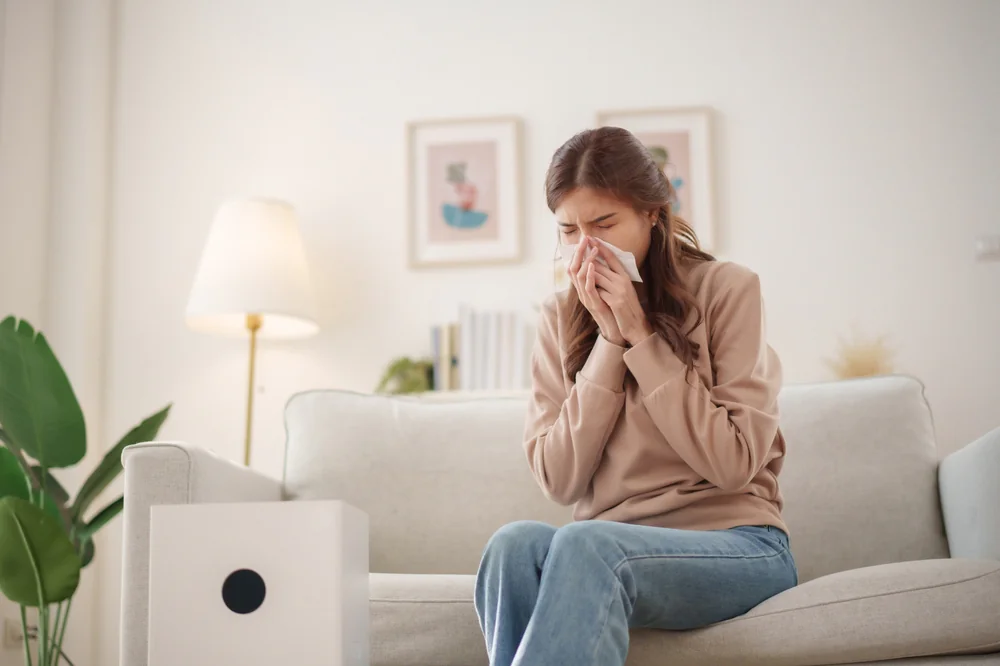
You’ve noticed the symptoms. Persistent coughing that won’t quit. Headaches that show up at home and disappear when you leave. Kids with allergies that seem worse indoors than out. You’ve tried air purifiers, changed filters, opened windows—but nothing really helps.
That’s because you’re treating symptoms, not causes. A professional air quality test shows you exactly what’s in your air—mold spores, radon gas, volatile organic compounds, allergens. Not guesses. Actual data.
Once you know what you’re dealing with, you can fix it. The coughing stops. The headaches fade. Your home becomes the safe space it’s supposed to be. That’s what happens when you address the actual problem instead of masking it with store-bought solutions that don’t work.
We’ve been testing and improving indoor air quality across Bucks County for years. We know the area. We know the homes—many built decades ago with ventilation issues and moisture problems that newer construction doesn’t have.
Center Bridge and surrounding communities sit in a region where 40% of Pennsylvania homes test above EPA radon guidelines. That’s not a small problem. It’s the second leading cause of lung cancer nationwide, and most people have no idea their home is affected.
We use infrared cameras, moisture meters, and air sampling equipment to find what you can’t see. Then we explain what we found in plain language—no jargon, no upselling. Just honest assessment and real solutions.
We start with a free inspection. You walk us through your concerns—where symptoms happen, what you’ve noticed, how long it’s been going on. We’re listening for patterns that point to specific contaminants.
Then we do a visual assessment. We check for visible mold, moisture issues, ventilation problems, and structural concerns that affect air quality. We use infrared cameras to see temperature differences that indicate hidden moisture. Moisture meters confirm what the camera suggests.
Next comes air sampling. We collect samples from multiple locations in your home and send them to a lab for analysis. For radon, we place monitors that measure levels over several days—because radon fluctuates and you need accurate averages, not snapshots.
You get a detailed report explaining what we found, what it means for your health, and what needs to happen next. If remediation is needed, we explain the process and cost upfront. No surprises. No pressure. Just information you can use to make the right decision for your family.
Ready to get started?
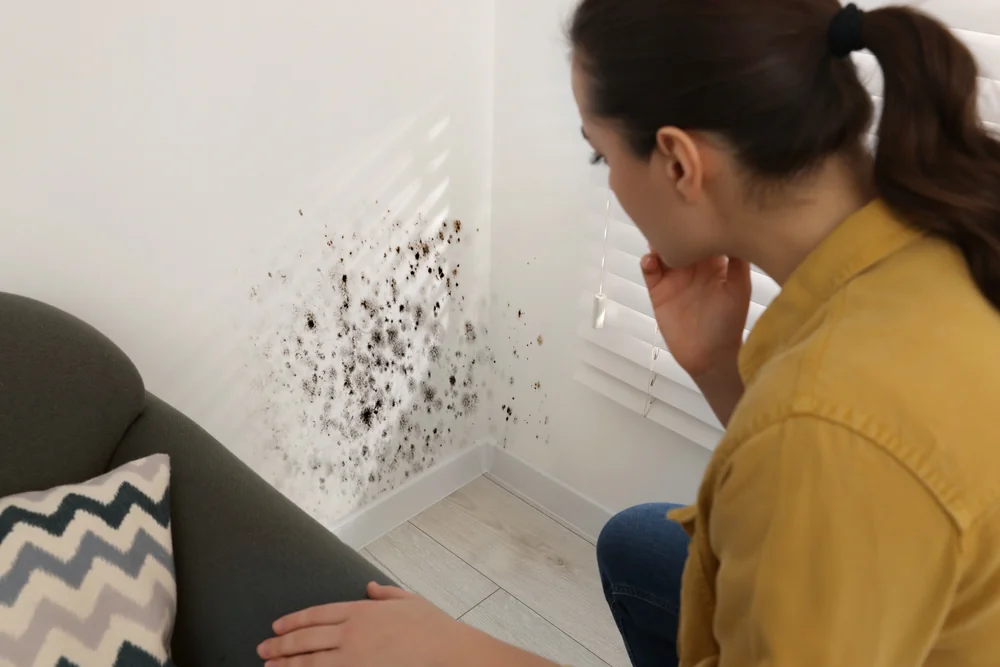
Mold is the big one. It grows where moisture accumulates—behind walls, under floors, in crawl spaces. You smell it before you see it, and by then it’s already affecting your respiratory system. We test air and surfaces to identify the type and concentration of mold spores.
Radon testing is critical in Center Bridge. Pennsylvania has some of the highest radon levels in the country, and Bucks County is no exception. Radon is invisible, odorless, and causes lung cancer. The only way to know if you have a problem is to test.
We also check for volatile organic compounds from paints, cleaning products, building materials, and furnishings. VOCs cause headaches, dizziness, and respiratory irritation. Carbon monoxide testing identifies leaks from heating systems and appliances—because CO poisoning is silent and deadly.
The goal isn’t to scare you. It’s to give you real information about what’s happening in your home so you can address it properly. Most air quality issues are fixable once you know what you’re dealing with.
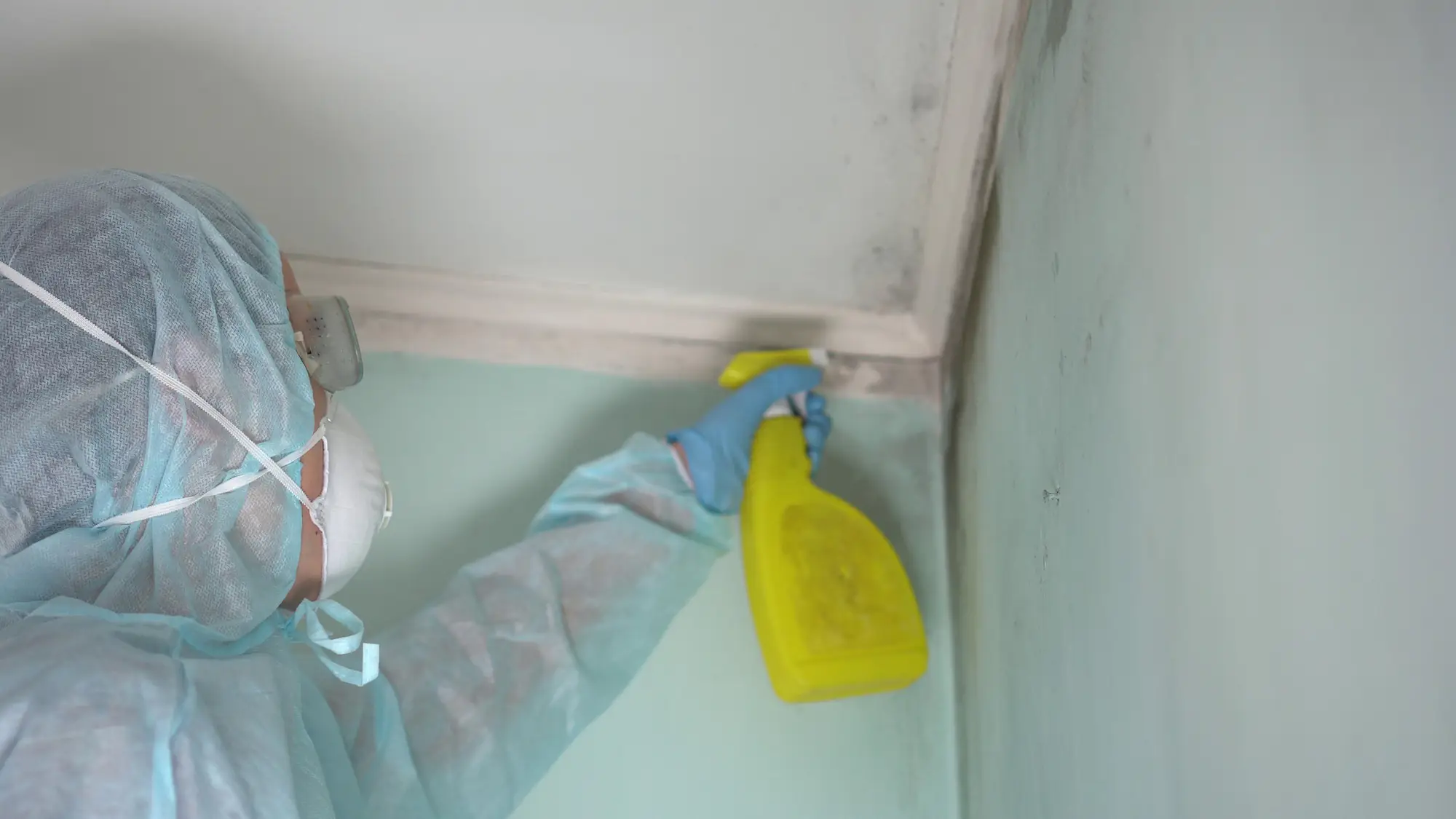
The initial inspection and sampling usually takes two to three hours, depending on your home’s size and the number of areas we’re testing. We’re thorough because missing a problem area means incomplete results.
Radon testing takes longer—typically 48 to 72 hours of continuous monitoring. Radon levels fluctuate throughout the day and night, so short tests don’t give you accurate information. We place monitors in your lowest livable space and let them collect data over several days.
Lab analysis adds another few days. Once we receive results, we schedule a follow-up to review findings and discuss next steps. From start to finish, expect about a week for complete results. If you’re dealing with urgent symptoms or a real estate transaction with deadlines, let us know upfront and we’ll prioritize your testing.
A mold inspection is visual. We look for visible mold growth, moisture problems, water damage, and conditions that promote mold. We use moisture meters and infrared cameras to find hidden issues. This tells us if you have a mold problem and where it’s located.
A mold air test measures spore concentration in your air. We collect air samples and send them to a lab that identifies mold types and counts spores per cubic meter. This tells us how severe the contamination is and whether it’s affecting your indoor air quality.
You usually need both. The inspection finds the source. The air test confirms whether it’s spreading through your home and affecting the air you breathe. Some people have visible mold but low spore counts. Others have hidden mold with high airborne contamination. Testing gives you the complete picture so you know exactly what needs remediation.
We start with a free inspection. That gives you a professional assessment at no cost and helps us understand what testing you actually need. Not every home needs every test, and we’re not going to recommend services you don’t need.
Mold air testing typically runs a few hundred dollars, depending on how many samples we collect. More samples mean more accurate results but higher lab fees. We recommend the number of samples based on your home’s size and where problems are suspected.
Radon testing costs less than mold testing because it’s simpler—place monitors, wait, collect data. VOC testing and other specialized air quality tests vary based on what we’re looking for. We give you exact pricing before we start any paid testing. No hidden fees. No surprise charges. You decide what makes sense for your situation and budget.
Consumer monitors measure some things well—temperature, humidity, particulate matter. They’re useful for ongoing monitoring after you’ve identified and fixed problems. But they don’t replace professional testing.
Here’s why: they don’t identify mold types or spore concentrations. They can’t detect radon accurately over time. They don’t measure VOCs with lab-grade precision. And they definitely can’t find the source of your air quality problems—which is the whole point.
We see homeowners spend hundreds on monitors and air purifiers, then call us because their symptoms haven’t improved. The monitor told them air quality was poor, but not why or how to fix it. Professional testing identifies specific contaminants and their sources. That’s what you need to actually solve the problem. Monitors are great for tracking progress after remediation. They’re not a substitute for finding out what’s wrong in the first place.
We explain exactly what we found, what it means for your health, and what needs to happen to fix it. If it’s mold, we identify the moisture source—because mold doesn’t grow without water. Fix the moisture problem and remediate the mold, and it won’t come back.
For radon, mitigation involves installing a system that vents radon gas from beneath your home to the outside. It’s straightforward, effective, and typically reduces radon levels below EPA action guidelines. Most systems install in a day.
We handle the remediation if you want us to. We also provide documentation for insurance claims if your policy covers the damage. Some clients get testing for real estate transactions or their own information and choose to handle remediation themselves. That’s fine. The test results are yours. You decide what happens next. Our job is to give you accurate information and honest recommendations—not pressure you into services you’re not ready for.
Test when you notice symptoms—persistent coughing, allergies that worsen at home, musty odors, visible mold, or unexplained headaches. Those are signs something’s wrong, and testing identifies what.
Test before buying a home. You need to know what you’re getting into, especially in older homes where mold and radon are common. Test after water damage, flooding, or major leaks. Even if you dried everything quickly, mold can develop in hidden spaces within 48 hours.
Radon testing should happen every few years even if previous tests were fine. Radon levels change as your home settles, as you make renovations, as soil conditions shift. EPA recommends testing every two years, and definitely after any structural changes to your home.
If you’ve had remediation, test again after the work is complete. That confirms the problem is actually fixed. You’re not guessing or hoping—you have data proving your air quality improved. That’s the only way to know remediation worked.
Other Services we provide in Center Bridge