
Hear from Our Customers

You spend 80-90% of your life indoors. If the air in your Blooming Glen home is contaminated with mold spores, allergens, or chemicals, that’s a lot of exposure.
A professional air quality test tells you exactly what’s in your air. Not a guess. Not a hunch based on a musty smell. Actual data about mold levels, particulate matter, and airborne contaminants that could be triggering headaches, fatigue, or respiratory issues.
Once you know what’s there, you can fix it. That might mean mold remediation, better ventilation, or removing a specific pollutant source. But at least you’re not throwing money at the wrong problem or wondering if it’s all in your head.
Clean air means fewer allergy flare-ups, better sleep, and one less thing to worry about when your kids are playing on the floor or your elderly parents come to visit.
We’ve been serving Blooming Glen and the surrounding Bucks County area with mold inspections and air quality testing for years. We’re not new to this, and we’re not learning on your dime.
Our team uses advanced detection equipment—air sampling devices, surface testing kits, and moisture meters—to find problems you can’t see. We’re certified, we’re thorough, and we don’t upsell services you don’t need.
Bucks County has its share of older homes with basements that get damp, crawl spaces that stay humid, and attics with poor ventilation. We know what to look for because we’ve seen it hundreds of times. When you call us, you’re getting someone who understands the local housing stock and the air quality issues that come with it.

We start with a free inspection. You show us the areas you’re concerned about—maybe a bedroom where someone’s always congested, a basement that smells off, or a bathroom with visible moisture issues.
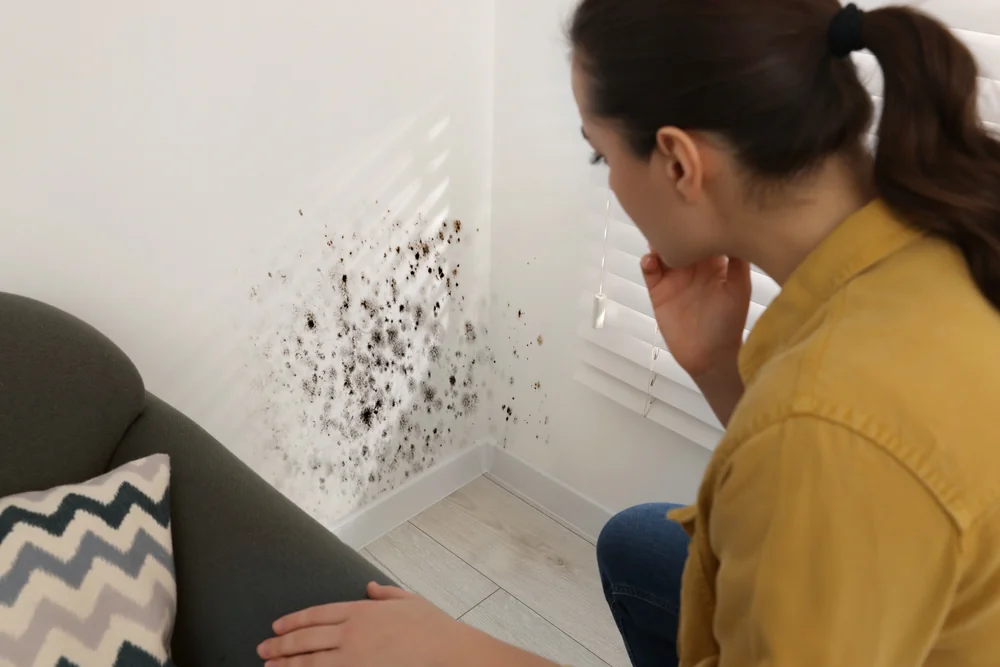
We do a visual assessment first, checking for water damage, condensation, discoloration, and any signs of mold growth. Then we take air samples from multiple rooms using calibrated equipment that captures airborne particles. If needed, we also take surface samples from suspected mold areas.
Those samples go to a certified lab for analysis. You get a detailed report within a few days that breaks down exactly what’s in your air—mold types, spore counts, and any other contaminants we found.
Then we walk you through the results. We explain what the numbers mean, what’s normal, what’s not, and what your options are. If remediation is needed, we give you a clear estimate. If it’s a ventilation issue or something you can handle yourself, we’ll tell you that too.
Ready to get started?
A residential air quality test from us covers the contaminants that actually affect your health. We test for mold spores, which are a major issue in Pennsylvania’s humid climate. We also check for particulate matter, allergens, and chemical pollutants if you request it.
Pennsylvania has one of the worst radon problems in the country—40% of homes here test above EPA action levels. If radon is a concern, we can include that in your testing plan. Radon is invisible, odorless, and dangerous, especially in Bucks County where basements are common.
You get a written report with lab results, explanations in plain language, and recommendations. We don’t just hand you data and disappear. We make sure you understand what you’re looking at and what it means for your home.
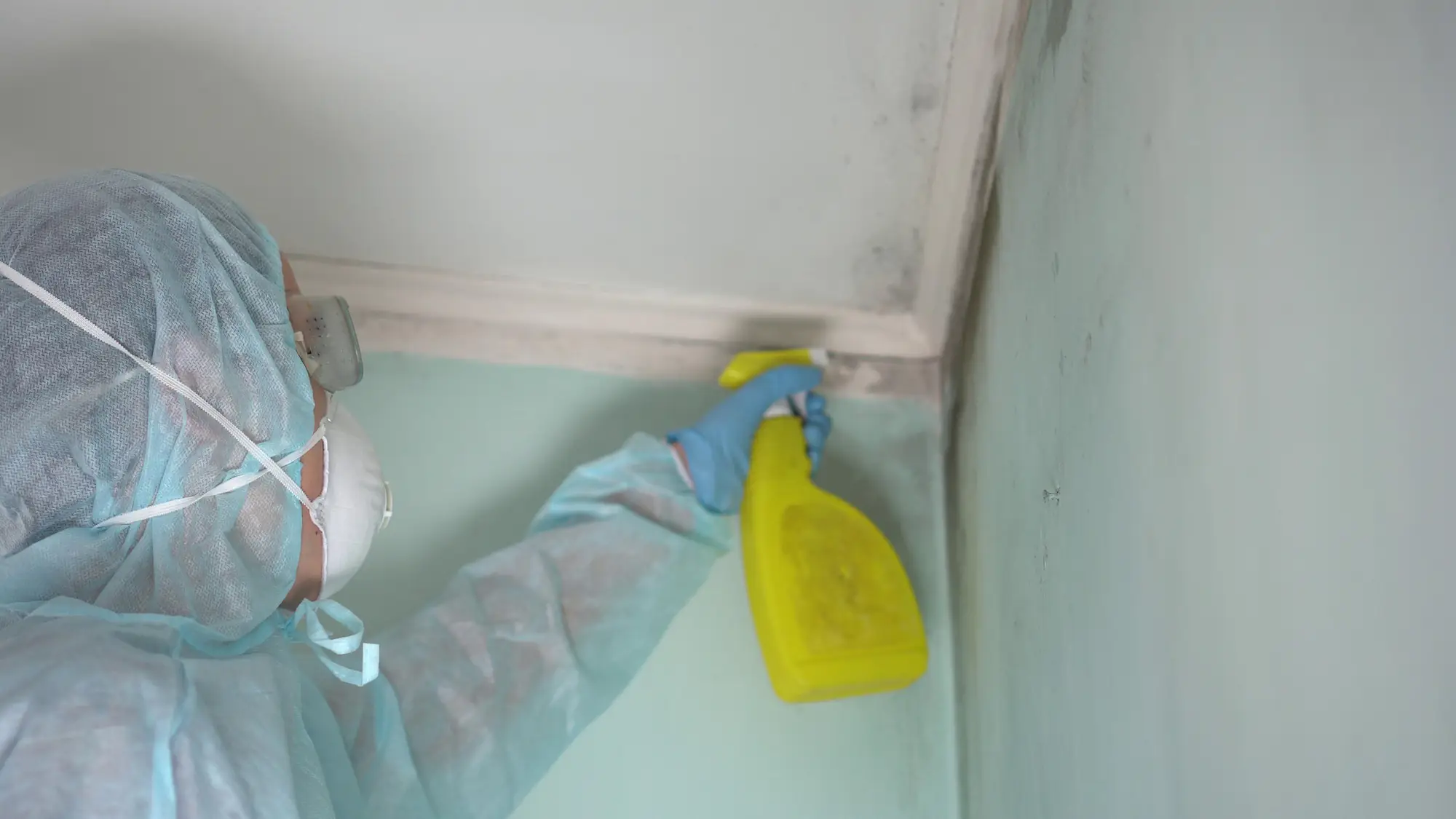
If mold is present, we’ll map out where it’s growing, what type it is, and how severe the contamination is. That gives you the information you need to move forward—whether that’s hiring us for remediation or taking steps on your own.
Cost depends on the size of your home and how many samples you need. A basic mold air test for a typical single-family home usually runs a few hundred dollars. If you want testing in multiple rooms, or if you’re adding radon or VOC testing, the price goes up.
We offer free inspections, so we can give you an accurate quote after we see your property. We’re not going to push you toward unnecessary testing. If we think a visual inspection is enough, we’ll say so.
Keep in mind that testing is a small investment compared to what you’d spend fixing a mold problem that’s been growing unchecked for months. Catching it early saves money and protects your family’s health.
A mold air test measures the concentration of mold spores floating in your air. We use a pump to pull air through a collection device, then send it to a lab. This tells us if you’re breathing in elevated mold levels, even if you can’t see any growth.
A surface test involves swabbing or tape-lifting a sample from a visible area—like a discolored wall or a suspicious spot in your basement. This confirms whether that spot is actually mold and identifies the species.
Most thorough inspections use both methods. Air testing shows you the overall indoor air quality. Surface testing pinpoints specific problem areas. Together, they give you the complete picture of what’s happening in your home.
Lab results typically come back within three to five business days. We send your samples to a certified lab that analyzes them for mold species, spore counts, and other contaminants depending on what we’re testing for.
Once we get the results, we’ll contact you to schedule a time to review them. We don’t just email you a report and leave you to figure it out. We walk through the findings, explain what’s normal and what’s not, and answer your questions.
If you’re dealing with a health emergency or need results faster, let us know upfront. We can sometimes expedite lab processing for an additional fee, though that’s rarely necessary for most residential situations.
You can, but the accuracy varies wildly. Most consumer kits test for a limited range of contaminants and don’t give you the detailed analysis you’d get from professional sampling and lab testing.
DIY kits also require you to collect samples correctly, which is harder than it sounds. Improper collection can give you false negatives or contaminated samples that don’t reflect what’s actually in your air.
Professional air quality testing uses calibrated equipment, follows strict protocols, and includes expert interpretation of results. You’re not just getting data—you’re getting someone who knows what that data means for your specific situation and can recommend next steps. If you’re serious about understanding your indoor air quality, especially if health issues are involved, professional testing is worth it.
Persistent health symptoms are the biggest red flag. If people in your home have constant headaches, fatigue, dry eyes, coughing, or allergy symptoms that improve when they leave the house, your air quality might be the culprit.
Visible signs matter too—water stains, condensation on windows, musty odors, or any history of water damage or flooding. Mold doesn’t always grow where you can see it. It hides in wall cavities, under flooring, and in HVAC systems.
If you’re buying or selling a home in Blooming Glen, testing makes sense as part of your due diligence. Buyers increasingly care about indoor air quality, and having documentation can protect your investment or give you negotiating power if issues come up.
It depends on what caused the mold. If it’s from a sudden, covered event—like a burst pipe or storm damage—your policy might cover testing and remediation. If it’s from long-term neglect, poor ventilation, or gradual moisture buildup, most policies won’t cover it.
Read your policy or call your insurance company before you assume anything. Some policies explicitly exclude mold coverage, while others have caps on how much they’ll pay.
We work with insurance companies regularly and can help you navigate the claims process if your situation qualifies. We’ll document everything thoroughly and provide the detailed reports insurers need. Even if insurance doesn’t cover it, knowing what you’re dealing with is still worth the cost of testing.
Other Services we provide in Blooming Glen