

Hear from Our Customers
The sneezing stops. The musty smell disappears. Your kids aren’t coughing at night anymore.
That’s what happens when mold removal actually addresses the problem instead of just wiping down visible spots. Bucks County’s humid summers create perfect conditions for mold to thrive in basements, bathrooms, and attics. If you’ve noticed condensation on your windows or that damp smell in certain rooms, mold is likely already growing somewhere you can’t see.
Here’s what changes after proper mold cleaning services: your indoor air quality improves, allergy symptoms decrease, and you stop worrying about what’s growing behind your walls. Your home value stays protected because buyers won’t find mold during inspections. You’re not dealing with the same problem six months from now because we actually find where the moisture is coming from.
Most importantly, you can breathe easier knowing your family isn’t exposed to mold spores that trigger respiratory issues. That peace of mind matters more than anything else.
Mack’s Mold Removal has spent years handling mold issues specific to Blooming Glen and the surrounding Bucks County area. We know how older homes in this region were built before modern moisture barriers became standard. We understand how your basement behaves during humid July weeks and what happens to your crawl space after heavy spring rains.
Our team uses EPA-approved methods and the same thermal imaging cameras and moisture meters that larger restoration companies use. The difference is we’re local, we answer our phones, and we show up when we say we will.
You’re not getting a national franchise that subcontracts the actual work. You’re getting mold specialists who have removed black mold from homes just like yours, in the same climate, with the same challenges. We live here too.

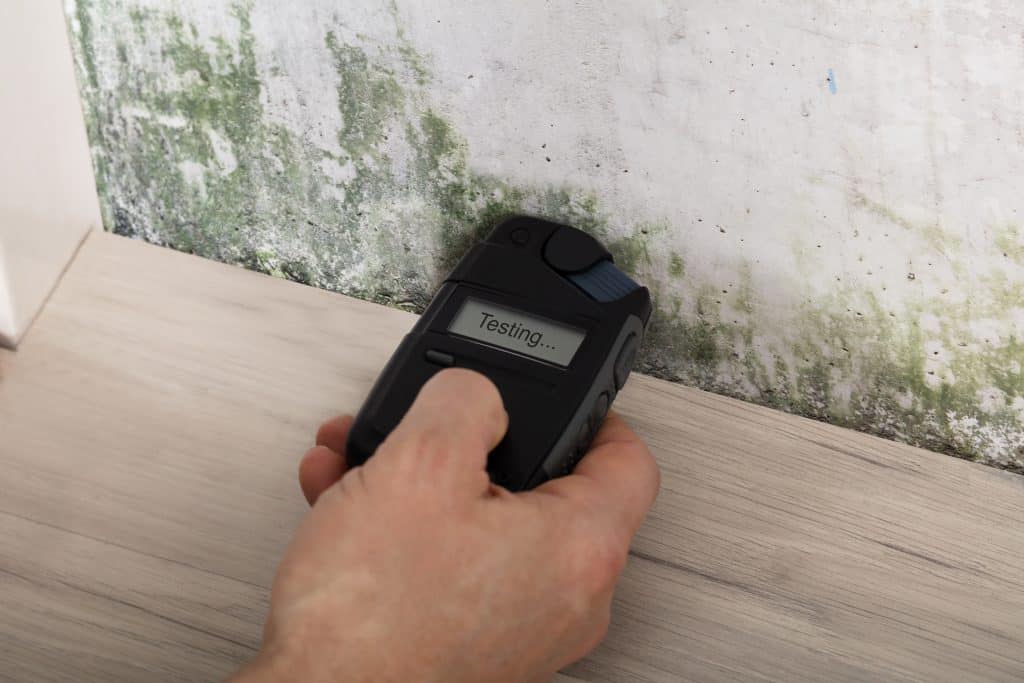
First, we come out for a free inspection. We’re not just looking at the mold you can see—we’re using moisture meters and thermal imaging to find where water is getting in. That might be a slow leak in your bathroom, condensation in your HVAC system, or groundwater seeping through your foundation. If we don’t find the source, the mold just comes back.
Once we know what we’re dealing with, you get a clear estimate before any work starts. No surprises, no upselling once we’re halfway through the job.
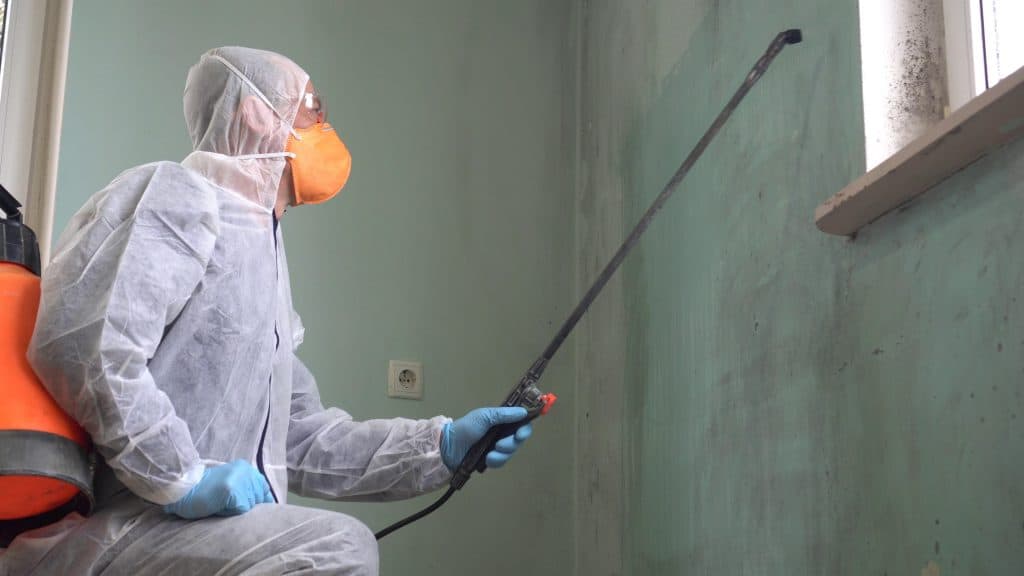
During removal, we contain the affected area so mold spores don’t spread to other parts of your home. We remove contaminated materials safely, treat surfaces with antimicrobial solutions, and use HEPA filtration to clean the air. This isn’t a bleach-and-pray situation—it’s proper remediation that follows EPA guidelines.
After the mold is gone, we fix the moisture problem. That could mean improving ventilation, sealing cracks, redirecting drainage, or recommending dehumidification. You get documentation of everything we did, which helps if you’re selling your home or filing an insurance claim.
The whole process typically takes a few days, depending on how extensive the growth is. You’ll know the timeline upfront.
Ready to get started?
Every mold removal project includes a thorough inspection with moisture detection technology. You’re not paying for guesswork—we find exactly where humidity levels are too high and why mold keeps growing in that specific spot.
You get complete containment during removal so the rest of your home stays clean. Our team removes all contaminated materials, treats affected surfaces, and uses commercial-grade air scrubbers with HEPA filters. We’re not leaving mold spores floating around to settle somewhere else.
The service includes fixing the actual moisture source, which is the only way to prevent mold from returning. In Blooming Glen, that often means addressing basement humidity issues, improving attic ventilation, or fixing drainage problems common in older Bucks County homes. We keep indoor humidity between 30 and 50 percent—the range where mold can’t thrive.
You also get help with insurance documentation if you’re filing a claim. We know what adjusters need to see, and we provide detailed reports of the damage and remediation work.
Finally, you get a follow-up plan. We’ll tell you exactly what to monitor, how to maintain proper humidity levels, and when to call us back if something doesn’t look right. Most mold problems don’t come back when the source is actually fixed, but we’re here if yours does.
Most mold removal projects in Blooming Glen run between $1,100 and $3,300, with the average landing around $2,200. Your actual cost depends on how much mold growth we find, where it’s located, and what’s causing the moisture problem.
A small bathroom mold issue costs less than a full basement remediation. If we need to remove drywall, insulation, or flooring, that adds to the project scope. Fixing the moisture source—whether that’s improving drainage, sealing foundation cracks, or upgrading ventilation—also factors into the total.
We give you a detailed estimate after the free inspection, before any work begins. You’ll know exactly what you’re paying for and why each step matters. No hidden fees, no surprise charges halfway through the job.
Some homeowners insurance policies cover mold removal if it resulted from a covered event like a burst pipe. We can help with documentation if you’re filing a claim.
Mold can start forming within 24 to 48 hours after water exposure. In Blooming Glen’s humid climate, that timeline gets even shorter during summer months when warm, moist air creates perfect growing conditions.
If you’ve had a leak, flood, or even persistent condensation, mold spores are already settling and starting to grow. You might not see visible growth yet, but it’s happening behind walls, under floors, or in your HVAC system where moisture gets trapped.
This is why quick response matters. The longer water sits, the more extensive the mold growth becomes. What could have been a simple cleanup turns into a full remediation project if you wait too long.
If you’re seeing water damage, smelling that musty odor, or noticing condensation in areas that are usually dry, get it checked now. We offer free inspections specifically because catching mold early saves you money and protects your home from more serious damage.
Small surface mold on non-porous materials like tile or glass can sometimes be cleaned yourself. But black mold, hidden mold, or any growth larger than about 10 square feet needs professional mold removal.
Here’s why: disturbing mold releases spores into the air. Without proper containment, you’re spreading contamination throughout your home. Without the right protective equipment, you’re breathing in those spores. Without finding the moisture source, you’re just cleaning visible mold while it continues growing behind your walls.
DIY mold removal often makes the problem worse. You might kill surface mold with bleach, but the roots remain in porous materials like drywall and wood. The mold comes back within weeks because the moisture issue wasn’t fixed.
We use containment barriers, HEPA filtration, proper protective gear, and EPA-approved removal methods. We find hidden growth with thermal imaging and moisture meters. Most importantly, we fix what’s causing the mold so you’re not dealing with this again next year.
If you’re seeing black mold, smelling mold, or dealing with ongoing moisture problems, the safe move is getting a professional inspection. We’ll tell you honestly whether you need full remediation or if it’s something simpler.
Mold exposure triggers allergic reactions in most people: sneezing, runny nose, red eyes, skin rashes, coughing, and wheezing. If you or your kids have asthma or existing mold allergies, the reactions can be severe—including difficulty breathing and asthma attacks.
Some people experience sore throats, burning eyes, or persistent stuffiness that doesn’t go away even with allergy medication. You might notice symptoms get worse when you’re home and improve when you’re away. That’s a strong indicator that mold in your house is the problem.
Black mold produces mycotoxins that can cause more serious health issues with prolonged exposure, especially in children, elderly family members, or anyone with compromised immune systems. Chronic fatigue, headaches, and respiratory infections that won’t clear up are all potential signs of ongoing mold exposure.
The tricky part is that mold often grows where you can’t see it—behind walls, under flooring, in HVAC ducts. You’re breathing in spores without knowing the source. If your family is experiencing unexplained respiratory issues or allergies that seem worse at home, mold could be the culprit.
Getting your indoor air quality tested and having a professional mold inspection gives you answers. If mold is found, removing it and fixing the moisture source typically resolves the health symptoms within a few weeks.
We use thermal imaging cameras that detect temperature differences in your walls, floors, and ceilings. Moisture shows up as cooler spots, which tells us where water is trapped—and where mold is likely growing even if you can’t see it.
Moisture meters measure the actual water content in building materials. Drywall, wood framing, and insulation should all be below certain moisture thresholds. When readings come back high, we know there’s a problem that needs investigation.
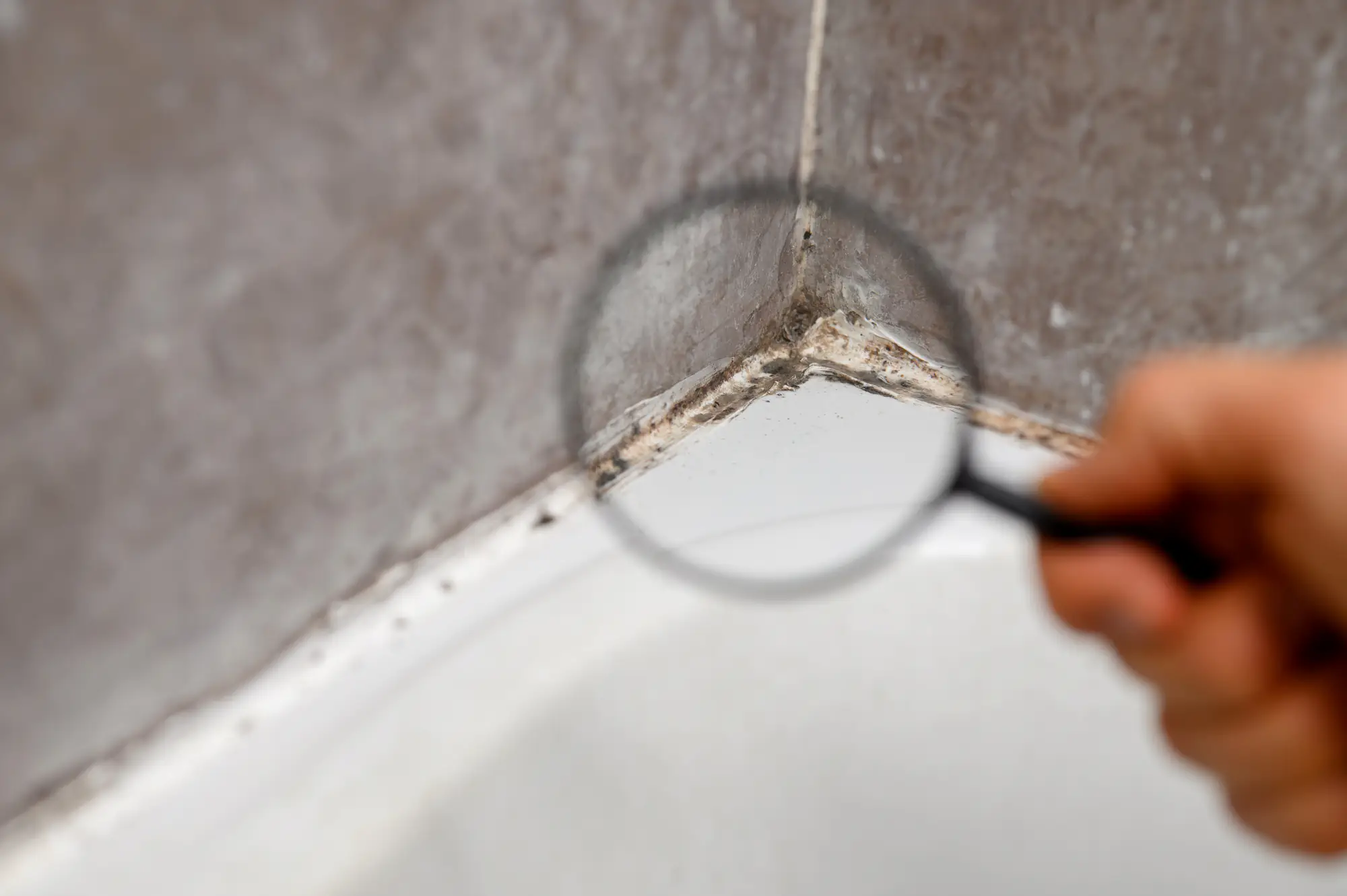
We also look for visual clues that homeowners often miss: slight discoloration on walls, warping baseboards, peeling paint, or that musty smell concentrated in certain areas. We check common problem spots in Bucks County homes—basement corners where foundation walls meet floors, attic spaces with poor ventilation, bathrooms without proper exhaust fans, and crawl spaces with drainage issues.
Sometimes we find mold growing in HVAC systems where condensation builds up. Other times it’s behind washing machines, under sinks with slow leaks, or in wall cavities where old plumbing has been dripping for months.
The inspection process is thorough because hidden mold is often the most dangerous. You’re not seeing it, so you don’t know to address it, but your family is still breathing in spores every day. Finding it early prevents both health problems and structural damage to your home.
Mold keeps coming back because the moisture source was never fixed. Someone cleaned the visible mold but didn’t address why that area stays damp. Bucks County’s humid climate makes this worse—if your indoor humidity stays above 60 percent, mold will keep growing no matter how many times you clean it.
Common moisture sources in Blooming Glen homes include poor basement drainage, foundation cracks that let groundwater seep in, inadequate attic ventilation that traps humid air, and bathrooms without proper exhaust fans. Older homes in this area often lack vapor barriers, which means moisture from the ground moves right up through your foundation into living spaces.
Sometimes the problem is a slow leak that’s hard to detect—a pinhole in a pipe inside your wall, a roof leak that only shows up during heavy rain, or condensation forming in your HVAC ducts. The leak keeps feeding moisture to the same spot, so mold keeps growing there.
If you’ve cleaned mold and it came back within a few months, you’re dealing with an ongoing moisture problem. Our mold removal service includes finding that source with moisture detection equipment and fixing it. That might mean improving ventilation, installing a dehumidifier, sealing foundation cracks, or redirecting drainage away from your house.
Once the moisture source is eliminated and indoor humidity is kept between 30 and 50 percent, mold doesn’t have what it needs to grow. That’s the only way to actually solve the problem instead of just managing symptoms.
Other Services we provide in Blooming Glen