
Hear from Our Customers
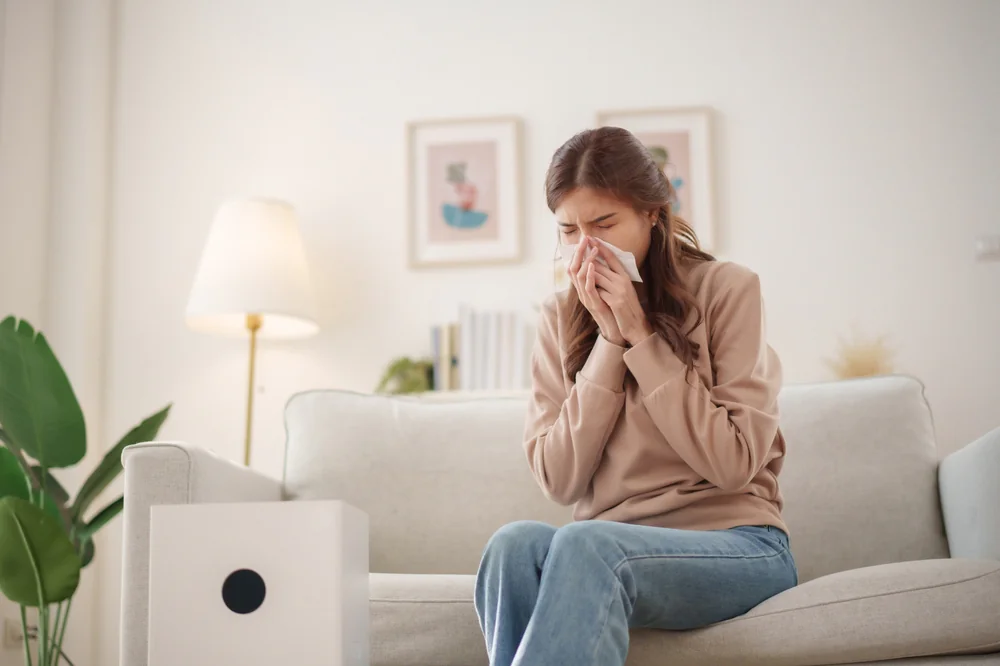
You’ve noticed the symptoms. Maybe it’s a persistent cough that won’t quit, or your kids’ allergies seem worse indoors than out. You open the windows, run the air purifier, clean constantly—but nothing changes.
The problem is you’re treating symptoms without knowing the cause. A home air quality test identifies exactly what’s contaminating your indoor air—mold spores, VOCs, particulate matter, allergens. Not guesses. Not maybes. Actual data from an independent lab.
Once you know what’s there, you can fix it. That means fewer doctor visits for respiratory issues. Less money spent on medications that only mask the problem. And real peace of mind that your home isn’t making your family sick.
In Bucks County, where humid summers and older homes create perfect conditions for mold growth, testing isn’t paranoia. It’s the fastest way to protect your property value and your health before small problems become expensive ones.
We’ve spent years working in Flushing, PA and throughout Bucks County. We’ve seen what happens in basements after spring flooding. We know which neighborhoods have older HVAC systems that circulate contaminated air. We understand the moisture issues that come with Pennsylvania’s climate.
Our technicians are certified mold remediation professionals who use EPA-approved testing methods. Every air sample and surface swab gets sent to an independent third-party lab—not analyzed in-house where bias could creep in. You get objective results that tell you exactly what species are present and in what quantities.
We’re available 24/7 because mold emergencies don’t wait for business hours. Most testing requests get a response within hours, not days. And we start every job with a free inspection so you know what you’re dealing with before spending a dollar.
First, we walk through your property with you. We’re looking for visible signs of mold, water damage, or moisture problems. We use thermal imaging cameras to detect temperature differences that indicate hidden water intrusion. Moisture meters tell us if building materials are holding water they shouldn’t be.
Then we collect samples. Air samples capture what’s floating around that you’re breathing every day. Surface samples test specific areas where you’ve seen discoloration or suspect growth. We document everything with photos and detailed notes about conditions in each room.
Those samples go straight to an independent laboratory for analysis. You’re not waiting weeks—most results come back within a few days. The lab report shows exactly which mold species are present, concentration levels, and whether those levels are elevated compared to outdoor air.
We review the results with you in plain language. No jargon. No upselling. Just clear explanations of what the data means for your health and your property, plus recommendations for next steps if remediation is needed.
Ready to get started?
Your residential air quality testing includes a complete visual inspection of your property, moisture mapping with professional-grade meters, and thermal imaging to find hidden problems. We test for mold spores, but also check for other contaminants that affect indoor air quality—VOCs from building materials, particulate matter, and allergens.
In Bucks County, we’re particularly focused on basement moisture issues and attic ventilation problems. More than 61% of Pennsylvania homes test above EPA recommended levels for radon, so we often recommend radon testing alongside mold air tests. These issues are connected—poor ventilation that traps radon also traps mold spores and other contaminants.
You’ll receive detailed documentation that’s useful for insurance claims, real estate transactions, or just your own records. If you’re buying or selling property in Flushing, PA, our reports give you negotiation leverage or proof that issues have been properly addressed.
The testing process is non-invasive. We’re not tearing into walls or making a mess. Most home air quality tests are completed in a few hours, and you can stay in your home while we work. You’ll have results and a clear action plan within days, not weeks.
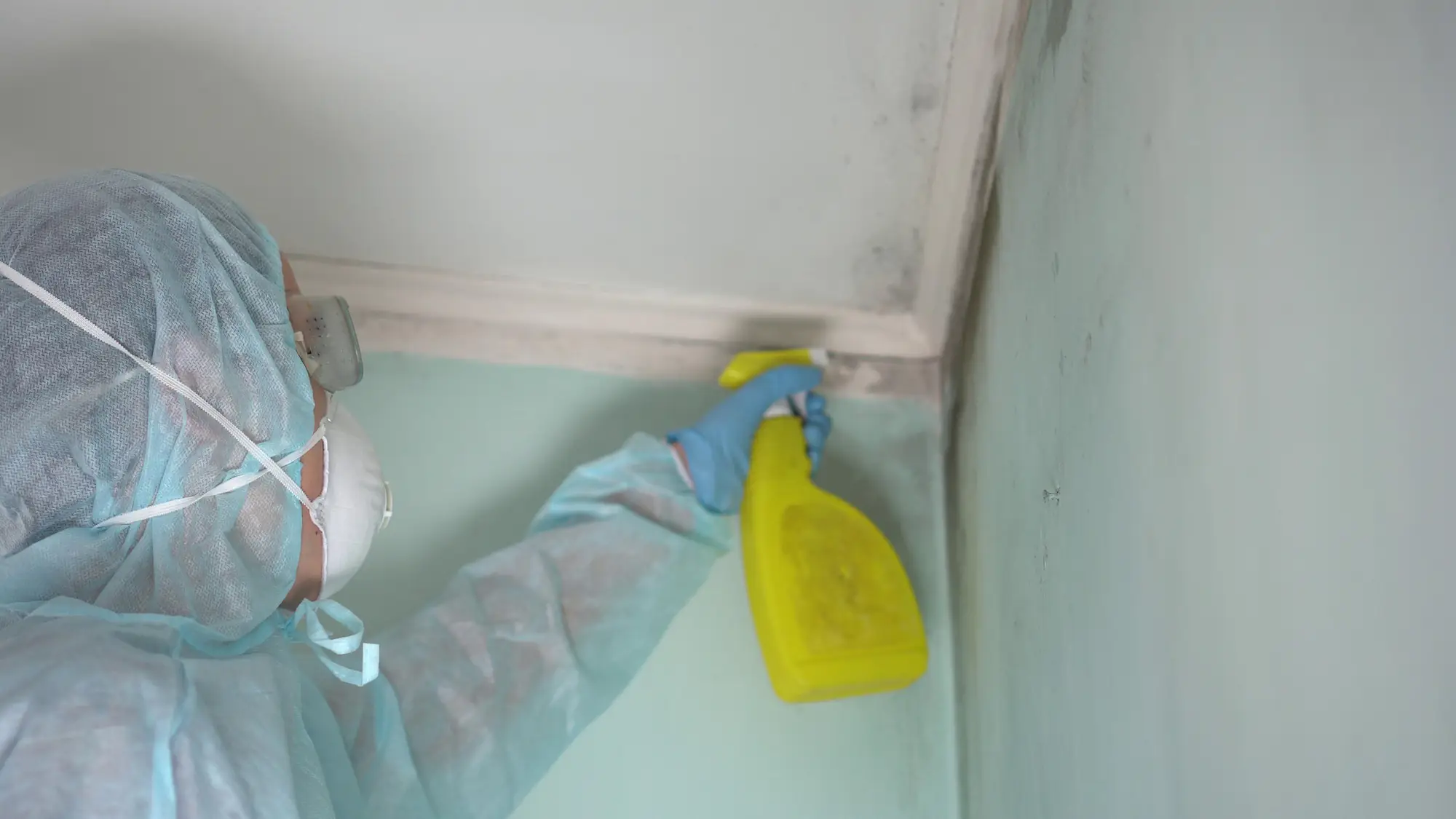
You need testing if anyone in your home has unexplained respiratory symptoms—coughing, wheezing, sinus congestion, or itchy eyes that improve when you leave the house. That pattern suggests something in your indoor air is the trigger.
You also need testing if you’ve had water damage, even if it was cleaned up quickly. Mold can start growing within 24-48 hours of water exposure, often in places you can’t see like inside walls or under flooring. A musty smell is another red flag, even if you don’t see visible mold.
Real estate transactions are another common reason for testing. If you’re buying a home in Flushing, PA, especially an older property, a mold air test protects you from inheriting someone else’s problem. If you’re selling, testing proves your home is clean and can prevent deals from falling apart during inspection.
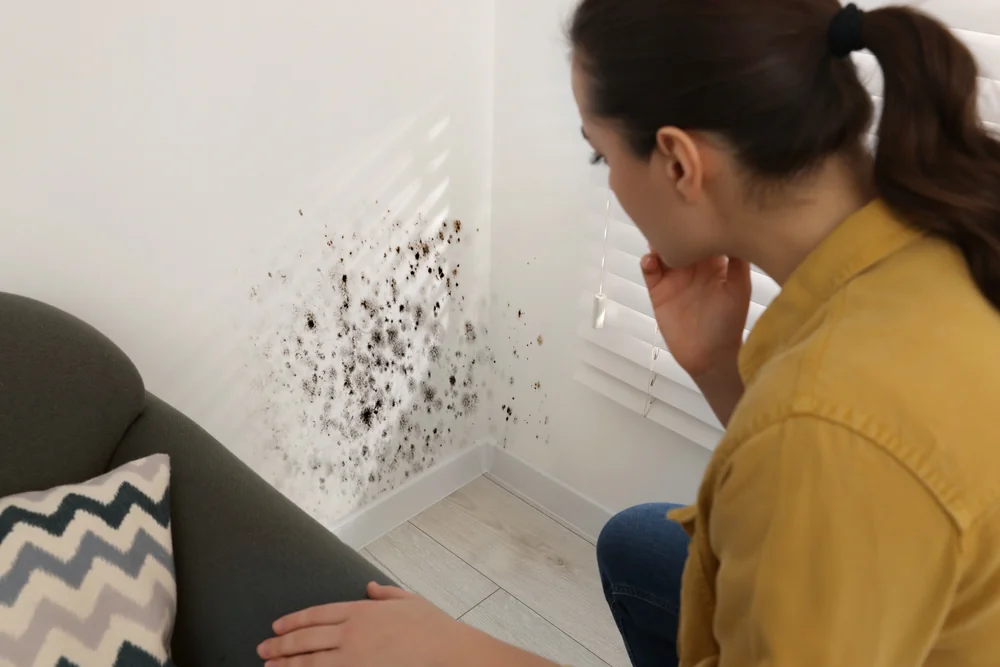
A visual inspection finds obvious problems—visible mold growth, water stains, moisture issues. It’s useful, but limited. You can’t see mold spores floating in the air. You can’t see contamination hidden behind walls or above ceilings.
Air testing captures what’s actually in the air you’re breathing. We collect samples that get analyzed in a lab to identify specific mold species and concentration levels. This tells you if your indoor air quality is worse than outdoor air, which is the real measure of whether you have a problem.
Surface testing is the third piece. If we see suspicious growth or discoloration, we swab it and send it to the lab for identification. This confirms whether that dark spot in your bathroom is actually mold, and if so, what kind. Some species are more concerning than others for health reasons.
The most thorough approach combines all three—visual inspection to find obvious issues, air testing to measure what you’re breathing, and surface testing to identify specific growth. That’s what our comprehensive assessment includes.
The on-site testing usually takes 2-4 hours depending on your property size. We’re collecting air samples from multiple rooms, doing moisture readings, taking thermal images, and documenting everything thoroughly. You can be present during testing or leave—whatever works better for your schedule.
Lab results typically come back within 3-5 business days. The lab is analyzing your samples to identify mold species, count spore concentrations, and compare your indoor levels to outdoor baseline samples. This analysis takes time to be accurate, but it’s not a weeks-long wait.
Once we have results, we schedule a follow-up consultation—usually by phone unless you prefer in-person. We walk through the lab report with you, explain what the data means in practical terms, and discuss next steps if remediation is recommended. You’ll get a written report you can keep for your records or share with your insurance company.
If you’re in a time crunch—say, closing on a house sale—let us know upfront. We can sometimes expedite lab processing for urgent situations, though that may involve an additional fee.
Testing gives you objective data, not scare tactics. The lab report shows specific mold species and their concentration levels. We compare your indoor air to outdoor air samples taken the same day. If your indoor levels are significantly higher, that indicates a problem worth addressing.
Not every mold finding requires expensive remediation. Sometimes the fix is improving ventilation, using a dehumidifier, or cleaning a small affected area yourself. We’ll tell you honestly what level of response makes sense based on the type of mold, the concentration, and where it’s located.
Our samples go to an independent lab specifically so we can’t bias the results. We don’t benefit from inflating the problem. If remediation is needed, we’ll explain why and give you a detailed estimate before any work starts. If it’s not needed, we’ll tell you that too.
The goal is giving you enough information to make a smart decision about your property and your health. Some homeowners test and find out their air quality is fine—that’s money well spent for peace of mind. Others find problems early before they become major expenses. Either way, you’re better off knowing than guessing.
Home testing kits are cheap, but they’re also limited. Most don’t include proper air sampling—they just use petri dishes that collect whatever settles on them, which isn’t representative of what you’re breathing. The analysis is often basic and doesn’t identify specific mold species or concentration levels.
Professional air quality testing uses calibrated equipment that pulls a measured volume of air through a collection device. This gives accurate data about spore counts in the air. We also take outdoor samples for comparison, which home kits don’t do. Without that baseline, you can’t tell if your indoor levels are actually elevated.
The lab analysis matters too. Independent labs use microscopy and sometimes DNA testing to identify exact species. Some molds are relatively harmless. Others—like Stachybotrys, often called “black mold”—are more concerning for health reasons. A home kit can’t give you that level of detail.
If you’re dealing with a real estate transaction, insurance claim, or health issues, you need professional documentation. Home test results won’t hold up in those situations. For the difference in cost, professional testing gives you data you can actually use to make decisions and take action.
First, don’t panic. Finding mold spores in your air doesn’t mean your house is condemned. It means you have information to fix a problem before it gets worse. We’ll review the lab results with you and explain what the specific findings mean for your situation.
If remediation is needed, we’ll give you a detailed estimate that breaks down the scope of work, the timeline, and the cost. Pennsylvania has strict regulations for mold remediation, and we follow all state protocols. That includes containment to prevent spreading spores during cleanup, proper removal of affected materials, and post-remediation testing to verify the problem is solved.
Many homeowners insurance policies cover mold remediation if it resulted from a covered event like a burst pipe. We can help you document everything properly for your claim. If insurance doesn’t cover it, we offer flexible payment options to make the work manageable.
The key is addressing the moisture source, not just cleaning up visible mold. If we don’t fix why mold grew in the first place—whether that’s a leak, poor ventilation, or humidity issues—it’ll come back. Our approach handles both the immediate contamination and the underlying cause so you’re not dealing with this again in six months.
Other Services we provide in Flushing