
Hear from Our Customers

You’re not looking for a number on a piece of paper. You want to know if your home is safe, if that musty smell is mold, or if your kids’ allergies are coming from something in the air.
A home air quality test identifies what’s actually in your indoor environment. Mold spores, radon gas, volatile organic compounds, particulate matter, carbon monoxide. The things that build up over time and don’t announce themselves until someone gets sick or you’re trying to sell your house.
Pennsylvania homes deal with radon more than most states. The average indoor radon level here is 7-8 pCi/L compared to the national average of 1.3. That’s not a small difference. It’s also not something you can smell, see, or fix with a candle. Testing is the only way to know.
When you get a professional air quality test, you’re not guessing anymore. You know what’s there, how much, and what needs to happen next.
We work throughout Bucks County, and we’ve tested enough homes in Dublin to know what shows up here. Older homes with basements that hold moisture. Newer construction that’s sealed tight and traps VOCs. Properties near the Reading Prong where radon is common.
We use the same equipment and methods every time. Certified testing, independent lab analysis, and reporting that meets Pennsylvania Department of Health standards. You get results before we leave, and a full report you can use for insurance, real estate transactions, or just knowing what you’re dealing with.
We’re not the cheapest option in the area. We’re the one that shows up with calibrated equipment, explains what we find in plain language, and gives you a clear path forward if something needs fixing.

We start with a walkthrough. You tell us what you’re concerned about—allergies, odors, recent water damage, whatever brought you here. That helps us know where to focus.
Then we set up the equipment. We’re testing for mold spores, radon, VOCs, carbon monoxide, particulates, humidity levels, and temperature. The testing equipment runs for the time needed to get accurate readings. For some tests, that’s immediate. For radon, it’s longer.
You get results in real time for most pollutants. We review them with you before we leave. If we’re waiting on lab analysis for mold species identification, that comes within a few days. Either way, you’re not left wondering what we found.
The report includes what we detected, how much, and what the EPA or Pennsylvania guidelines say about those levels. If something’s elevated, we explain what that means and what your options are. If everything’s fine, you know that too.

Ready to get started?
A residential air quality test covers the pollutants that actually matter in Bucks County homes. Radon is the big one here—Pennsylvania has some of the highest radon levels in the country, and Dublin sits in an area where elevated readings are common. We test for that first.
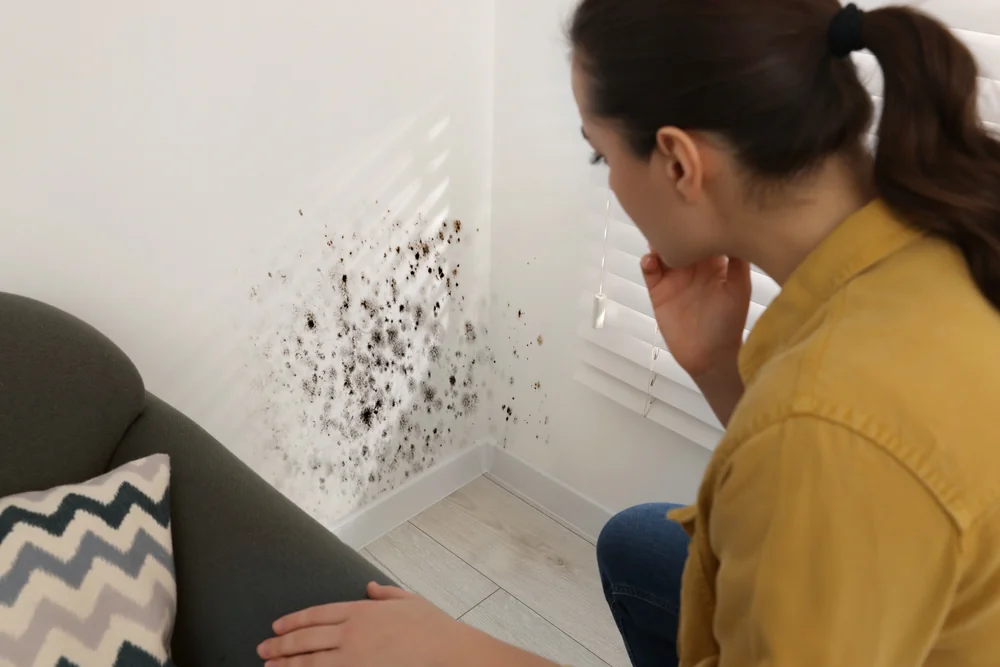
Mold air testing identifies spore counts and species. High counts can trigger asthma or make you feel like you’re constantly fighting a cold. Knowing which species you’re dealing with tells us if it’s toxic, allergenic, or just a nuisance.
VOCs come from building materials, cleaning products, furniture, and paint. They off-gas over time, especially in newer or recently renovated homes. We measure those levels and compare them to safe thresholds.
Carbon monoxide and carbon dioxide get tested too. So do particulates—dust, pollen, dander, anything floating around that you’re pulling into your lungs. Humidity and temperature matter because they affect mold growth and comfort. We track all of it in one visit, one flat cost, and give you a full picture of what’s in your air.
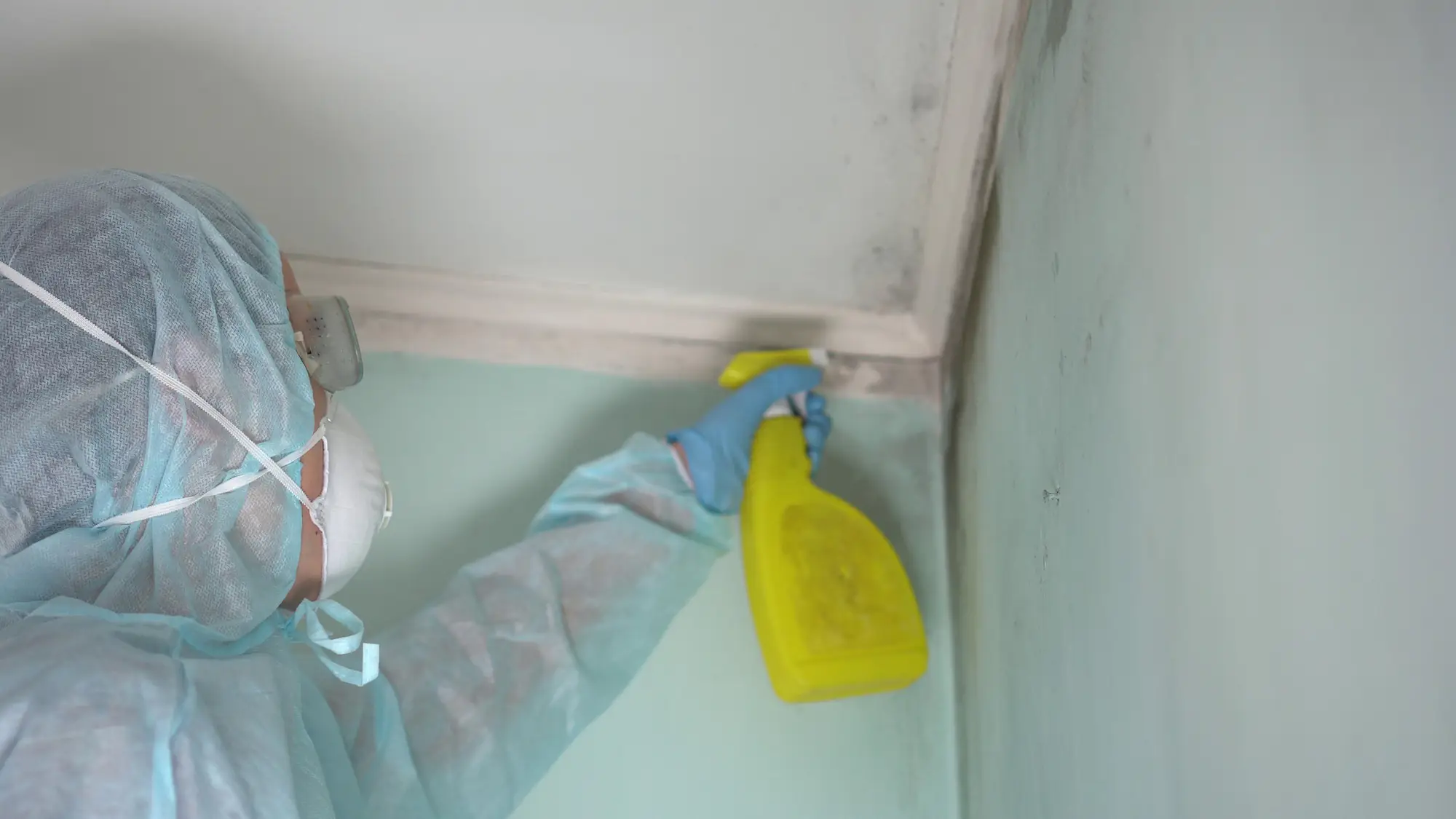
Most of the testing happens in one visit and takes a couple of hours depending on the size of your home and what we’re testing for. You’ll get results for mold spores, VOCs, carbon monoxide, particulates, and humidity levels before we leave.
Radon testing takes longer—usually 48 to 72 hours of continuous monitoring to get an accurate reading. We set up the equipment, let it run, then come back to collect it and review the results with you.
If we’re sending mold samples to a lab for species identification, that adds a few days. But you’ll still know your spore counts and air quality baseline the same day we test. The lab work just confirms exactly what type of mold you’re dealing with, which matters if remediation is needed.
The EPA action level for radon is 4 pCi/L. Anything at or above that, you should consider mitigation. Pennsylvania’s average is 7-8 pCi/L, which means a lot of homes here are over the line.
Dublin and the surrounding Bucks County area sit near geological formations that are naturally high in uranium—specifically the Reading Prong. As uranium breaks down in the soil, it releases radon gas. That gas moves up through cracks in foundations, sump pump openings, and gaps around pipes.
You can’t see it, smell it, or taste it. The only way to know if your home has elevated radon is to test. And because radon is the second leading cause of lung cancer in the U.S., it’s not something to skip. Testing is cheap and fast compared to the risk of long-term exposure.
You can, and for radon, the EPA actually recommends starting with a DIY kit. They’re inexpensive and easy to use. But they only test for one thing, and they don’t give you the full picture of what’s in your air.
DIY kits won’t tell you mold species, VOC levels, or whether your carbon monoxide detector is missing something. They also don’t account for user error—placement, timing, and environmental factors all affect accuracy. If you’re testing because of health symptoms, a real estate transaction, or suspected mold, a DIY kit isn’t going to give you the detail you need.
Professional air quality testing uses calibrated equipment, controlled methods, and lab analysis. You get comprehensive results that hold up for insurance claims, home sales, and remediation planning. If you just want a ballpark radon number, start with a kit. If you need real answers, call someone who does this daily.
If we find elevated mold spore counts, we’ll identify the species and the likely source. Sometimes it’s a moisture problem in the basement, a roof leak, or condensation in the HVAC system. The report will tell you what’s there and what needs to happen to fix it.
Mold remediation might be as simple as fixing a leak and cleaning the affected area, or it could require containment and removal if it’s widespread. Either way, you’ll know exactly what you’re dealing with and what it’ll take to clear it.
For radon, mitigation usually involves installing a venting system that pulls radon from beneath your foundation and releases it outside. It’s not a DIY job, but it’s also not as disruptive or expensive as most people think. Once it’s done, levels drop significantly, and you can retest to confirm it worked. We’ll walk you through the options and connect you with certified mitigators if needed.
The EPA recommends testing for radon every two years, and any time you make structural changes to your home—finishing a basement, adding an addition, or altering ventilation. Radon levels can change over time based on soil conditions, weather, and how your home settles.
For mold and general indoor air quality, test whenever you notice symptoms. Persistent allergies, respiratory issues, musty odors, visible moisture, or recent water damage are all reasons to check what’s in your air.
If you’ve had remediation done—mold removal, radon mitigation, HVAC work—retest afterward to confirm the problem is actually gone. And if you’re buying or selling a home in Dublin or anywhere in Bucks County, get it tested before closing. It protects everyone and removes any questions about what’s lurking in the air.
Yes, and older homes are often where testing matters most. Basements in older Dublin properties tend to have stone foundations, cracks, and moisture issues that create perfect conditions for mold growth and radon entry.
We test basements the same way we test the rest of the house, but we pay closer attention to humidity levels, foundation cracks, and ventilation. Radon is almost always higher in basements because that’s where it enters. Mold thrives there because of dampness and limited airflow.
The good news is that testing gives you a baseline. Once you know what’s elevated, you can address it—seal cracks, improve ventilation, add a dehumidifier, or install radon mitigation. Older homes aren’t unfixable. They just need someone to look at what’s actually happening below ground level and give you a clear plan.
Other Services we provide in Dublin