
Hear from Our Customers
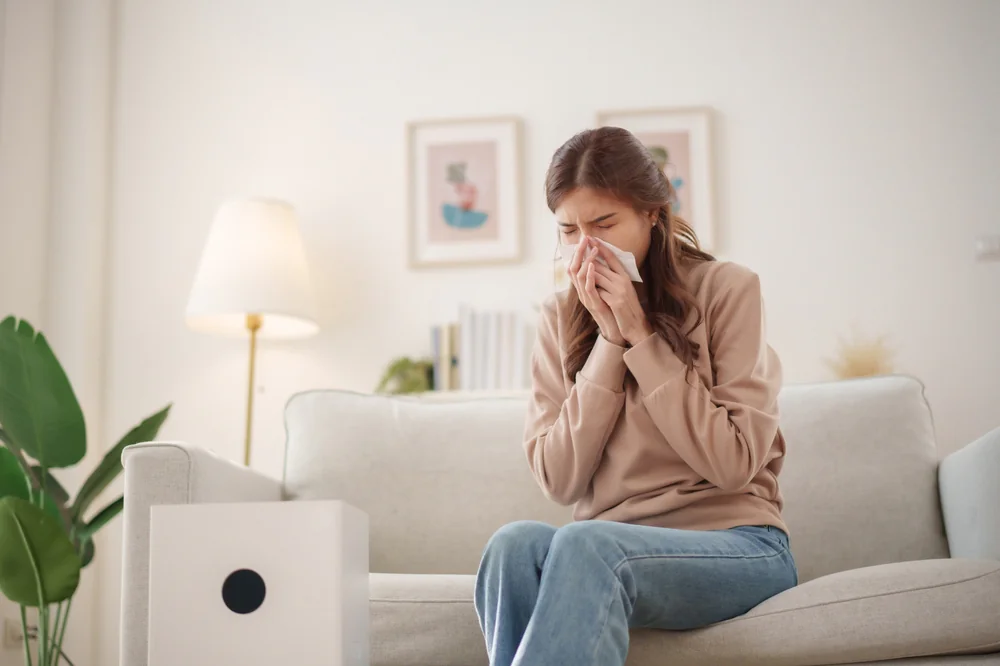
You’ve noticed the symptoms. Headaches that won’t quit. A stuffy nose that clears up the moment you leave the house. Your kids coughing more than usual, especially at night.
The EPA reports that indoor air can be two to five times more polluted than outdoor air. That’s not a maybe—it’s measurable. And in Pennsylvania, where 61.5% of schools tested high enough for mold remediation and childhood asthma rates hit 13.9%, your concerns aren’t paranoia.
A home air quality test gives you actual data. We’re talking VOC levels, mold spore counts, particulate matter, humidity readings—the stuff that’s invisible but not harmless. You’ll know what’s there, how much, and what it means for your family’s health.
Once you have that information, you can make real decisions. Not based on fear or guesswork, but on science.
We serve Breadysville and surrounding Pennsylvania communities with IICRC-certified air quality testing. That certification means our team is trained to identify mold, measure air contaminants, and interpret results accurately—not just run equipment and hand you numbers.
We use infrared cameras, moisture meters, and professional-grade air sampling equipment. The kind that detects over 500 volatile organic compounds and actively growing mold. This isn’t a home kit from the hardware store.
Breadysville homes face specific challenges. Aging housing stock, Pennsylvania’s humidity, and the fact that 40% of homes in this state test above EPA radon guidelines. We know what to look for because we’ve been doing this locally, and we understand what matters here.
First, we walk through your home and talk about what you’ve noticed. Smells, symptoms, moisture issues, visible mold—anything that brought you here. That conversation shapes where we test and what we test for.
Next, we collect air samples using calibrated equipment. We’re measuring particulate matter, allergens, VOCs, carbon monoxide, humidity levels, and mold spores. We also take surface samples if there’s visible growth or suspected contamination. The equipment runs for a set period to capture accurate readings, not snapshots.
Then we send samples to a certified lab for analysis. You get a detailed report that breaks down what was found, at what levels, and what those levels mean. We walk you through the results in plain language—no jargon, no upselling.
If the test reveals a problem, we explain your options. Sometimes it’s a ventilation issue. Sometimes it’s mold that needs remediation. Sometimes it’s a quick fix. Either way, you’ll know what you’re dealing with and what it takes to fix it.
Ready to get started?
Every residential air quality testing appointment includes a full home assessment. We check for mold, VOCs, humidity imbalances, carbon monoxide, radon risk factors, and particulate matter. You’re not paying for a single test—you’re getting a complete picture of your indoor air.
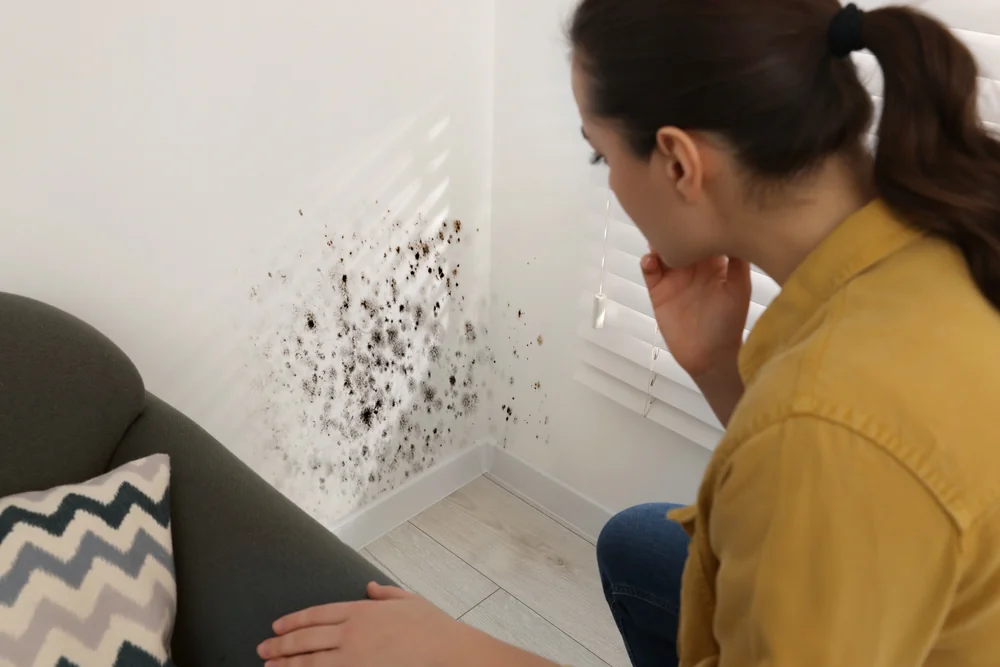
In Breadysville and across Pennsylvania, mold is a real issue. The state ranks in the top 60% for mold susceptibility in the Northeast. Older homes, fluctuating temperatures, and moisture intrusion create perfect conditions for growth. Our mold air test identifies spores before they become visible colonies.
We also test for volatile organic compounds. These come from cleaning products, building materials, furniture, and even air fresheners. Long-term exposure causes headaches, respiratory issues, and worse. Our equipment detects over 500 VOCs, so you know exactly what’s in your air.
You’ll receive a written report with lab-certified results, explanations of findings, and recommendations. If remediation is needed, we handle that too. If it’s something you can address yourself, we’ll tell you that. The goal is clarity, not a sales pitch.
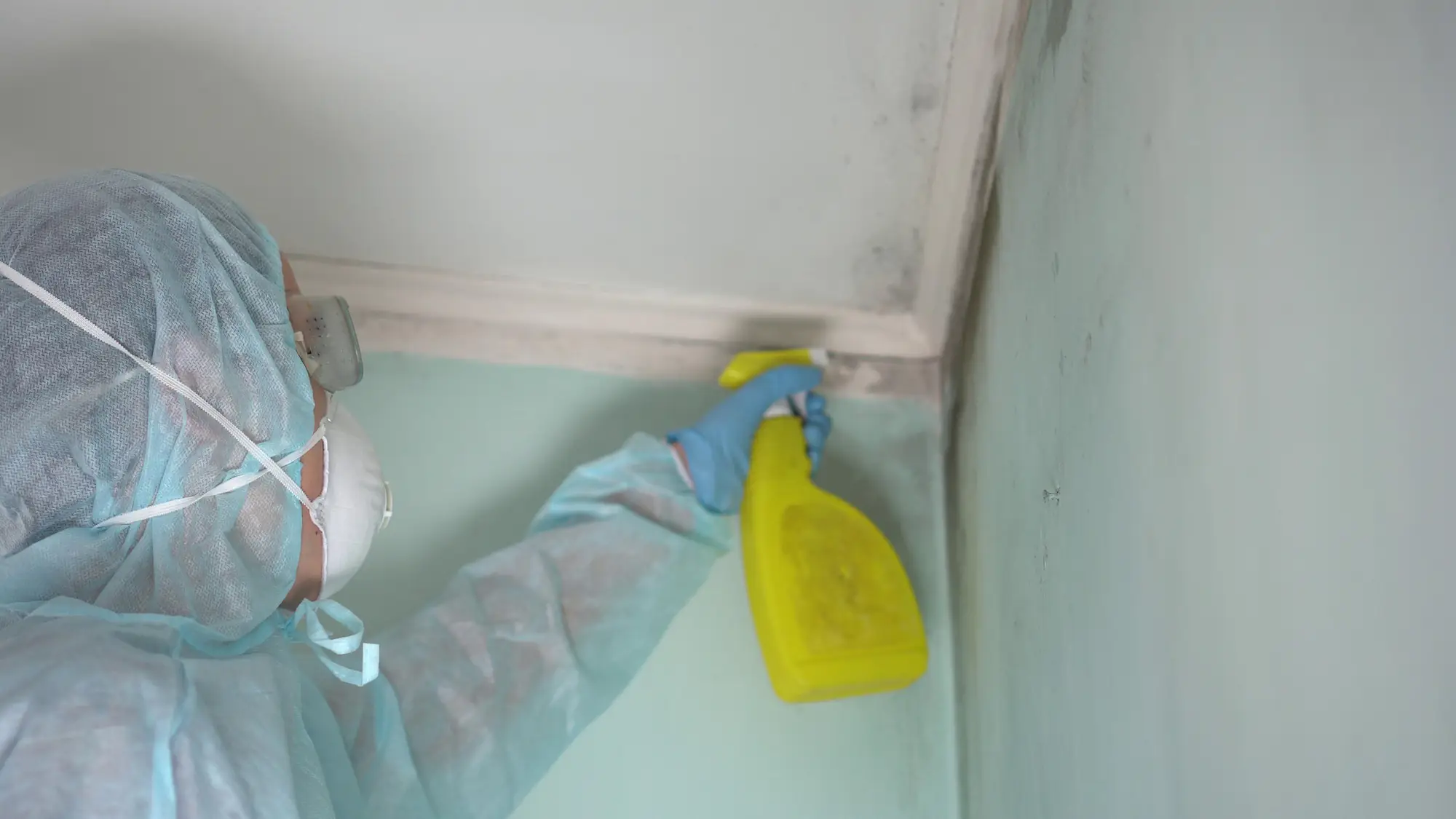
Most home air quality tests take between one and three hours, depending on the size of your home and what we’re testing for. If you’re getting a standard indoor air quality test that covers mold, VOCs, and particulates, expect about 90 minutes on-site.
The actual air sampling equipment runs for a set period to capture accurate data—usually 30 to 60 minutes per location. We’re not rushing through it. We’re collecting enough air to get reliable lab results.
Surface sampling adds time if we’re swabbing suspected mold growth or testing specific materials. The walkthrough and consultation happen before and after sampling, so you understand what we’re doing and why. You’ll have results from the lab within a few days, and we’ll review them with you as soon as they’re in.
An indoor air quality test detects mold spores, volatile organic compounds, particulate matter, carbon monoxide, humidity levels, and allergens. Depending on what you’re concerned about, we can also test for radon, formaldehyde, and specific chemicals.
Mold spores are measured by collecting air samples and analyzing them in a lab. We’re looking for spore counts and types—some molds are more dangerous than others. VOC testing identifies gases released by paints, cleaners, furniture, and building materials. High VOC levels cause headaches, dizziness, and respiratory problems.
Particulate matter includes dust, pollen, pet dander, and other airborne particles. Carbon monoxide testing checks for dangerous gas leaks from furnaces or appliances. Humidity readings tell us if your home is too damp, which fuels mold growth, or too dry, which irritates airways. The test is comprehensive because air quality problems rarely come from just one source.
Professional air quality testing in Breadysville typically costs between $300 and $800, depending on the size of your home and the scope of testing. A basic mold air test runs on the lower end. Comprehensive testing that includes VOCs, radon, carbon monoxide, and multiple sampling locations costs more.
Lab analysis is part of that cost. We’re not using consumer-grade meters that give you a number with no context. Certified labs break down exactly what’s in your air, at what concentrations, and whether those levels are safe.
If you’re buying or selling a home, some tests are non-negotiable. If you’re dealing with unexplained health symptoms or visible mold, the cost of testing is a fraction of what you’d spend on medical bills or property damage. You’re paying for information that protects your family and your investment. That’s not an expense—it’s a safeguard.
You can buy home air quality test kits, but they won’t give you the accuracy or detail that professional testing provides. Consumer kits test for limited contaminants, often with higher margins of error. They’re fine for a general sense of air quality, but they won’t tell you mold species, VOC concentrations, or whether your readings are actionable.
Professional air quality testing uses calibrated equipment and certified lab analysis. We’re measuring spore counts per cubic meter, identifying specific volatile organic compounds, and comparing your results to EPA and OSHA safety standards. That level of detail matters when you’re making decisions about remediation or health risks.
If you’re dealing with persistent symptoms, visible mold, musty odors, or recent water damage, professional testing isn’t optional. Pennsylvania’s mold susceptibility and radon prevalence make DIY testing a gamble. You need accurate data, and you need someone who knows how to interpret it. That’s what you’re hiring us for.
If your air quality test finds mold, we’ll explain what type it is, how much is present, and whether it’s a health risk. Not all mold requires full remediation. Some surface mold can be cleaned. Some requires containment and removal by IICRC-certified specialists.
We’ll identify the moisture source feeding the mold. That’s the real problem. Mold doesn’t grow without water. Whether it’s a roof leak, condensation, poor ventilation, or foundation moisture, we find it and recommend how to fix it.
If remediation is needed, we handle it. That means containment to prevent spores from spreading, removal of affected materials, HEPA filtration, and disinfection. We follow industry protocols, not shortcuts. Once remediation is complete, we can retest to confirm the mold is gone. You’re not left guessing whether the problem is actually solved.
Most homeowners should test indoor air quality every two to three years, or whenever there’s a change that affects air quality. That includes water damage, renovations, new furniture, unexplained health symptoms, or moving into a new home.
If you’ve had mold remediation, retest after the work is done to confirm it’s gone. If someone in your household has asthma, allergies, or a compromised immune system, more frequent testing makes sense. Pennsylvania’s humidity and aging housing stock mean conditions can change faster than you’d expect.
After major weather events—flooding, roof leaks, prolonged moisture—test within a few weeks. Mold can start growing in 24 to 48 hours under the right conditions. Catching it early saves you money and protects your health. Testing isn’t something you do once and forget. It’s part of maintaining a safe home, especially in a state where 40% of homes have elevated radon and mold is a documented problem.
Other Services we provide in Breadysville