
Hear from Our Customers
You spend 90% of your time indoors. If your air contains mold spores, radon gas, or volatile organic compounds, you’re breathing them in every single day. The EPA says indoor air can be two to five times more polluted than outdoor air—and most people have no idea until symptoms start showing up.
A home air quality test gives you actual data. Not assumptions. Not “it smells fine so it must be fine.” You get lab results that tell you exactly what’s in your air and at what levels. If there’s a problem, you know what it is and how serious it is. If there isn’t, you have peace of mind.
This matters in Bucktoe because Pennsylvania has one of the worst radon problems in the country. Forty percent of homes here test above EPA action levels. Add in the humidity, older housing stock, and seasonal moisture issues common in Bucks County, and you’ve got the perfect recipe for mold growth and poor indoor air quality. Testing shows you where you stand.
We’ve been serving Bucks County with residential air quality testing for years. We’re not a national franchise that parachutes in with a one-size-fits-all approach. We know the homes in Bucktoe—the basements that flood, the crawl spaces that stay damp, the HVAC systems that circulate more than just air.
We use EPA-certified testing methods and send samples to independent labs for analysis. That means you get scientifically accurate results that meet Pennsylvania Department of Health standards and insurance requirements. We don’t sell you services you don’t need. We show you what the testing reveals, explain what it means, and give you options.
If you’ve been dealing with musty odors, unexplained respiratory symptoms, or you just want to know what’s in your air before it becomes a bigger issue, we can help. You’ll get a detailed report and a clear explanation—not a sales pitch.
First, we talk. You tell us what’s going on—symptoms, concerns, visible issues, whatever prompted you to look into testing. That helps us determine which tests make sense for your situation. Not every home needs every test.
Then we come to your property in Bucktoe and collect samples. For mold, we use air sampling and surface testing. For radon, we place monitors in your home for 48 to 72 hours. For VOCs and other airborne contaminants, we use specialized equipment to capture air samples. We also check moisture levels and use infrared cameras to identify hidden problem areas.
Samples go to an independent lab for analysis. You’re not waiting weeks—most results come back within a few days. We review the findings with you in plain language. If levels are elevated, we explain what that means for your health and your home. If remediation is needed, we walk through your options. If the air is fine, you know that too.
Ready to get started?
A mold air test checks for spore concentration and species identification. Some molds are allergenic. Some are toxic. The lab tells you which ones are present and at what levels. That matters because remediation approaches vary depending on what you’re dealing with.
Radon testing is critical in Bucktoe and throughout Bucks County. Radon is the second leading cause of lung cancer in North America, and it’s completely invisible. You can’t smell it or see it. Testing is the only way to know if your home has elevated levels. If it does, mitigation systems can reduce radon by up to 99%.
VOC testing identifies chemicals off-gassing from building materials, furniture, cleaning products, and other sources. Long-term exposure contributes to respiratory issues and other health problems. Carbon monoxide testing checks for this deadly gas that can leak from furnaces, water heaters, and other fuel-burning appliances.
You also get a written report with lab results, our assessment, and recommendations. If your insurance company or a buyer’s inspector needs documentation, you’ll have it. If you need to make decisions about remediation or air quality improvements, you’ll have the information to do that.
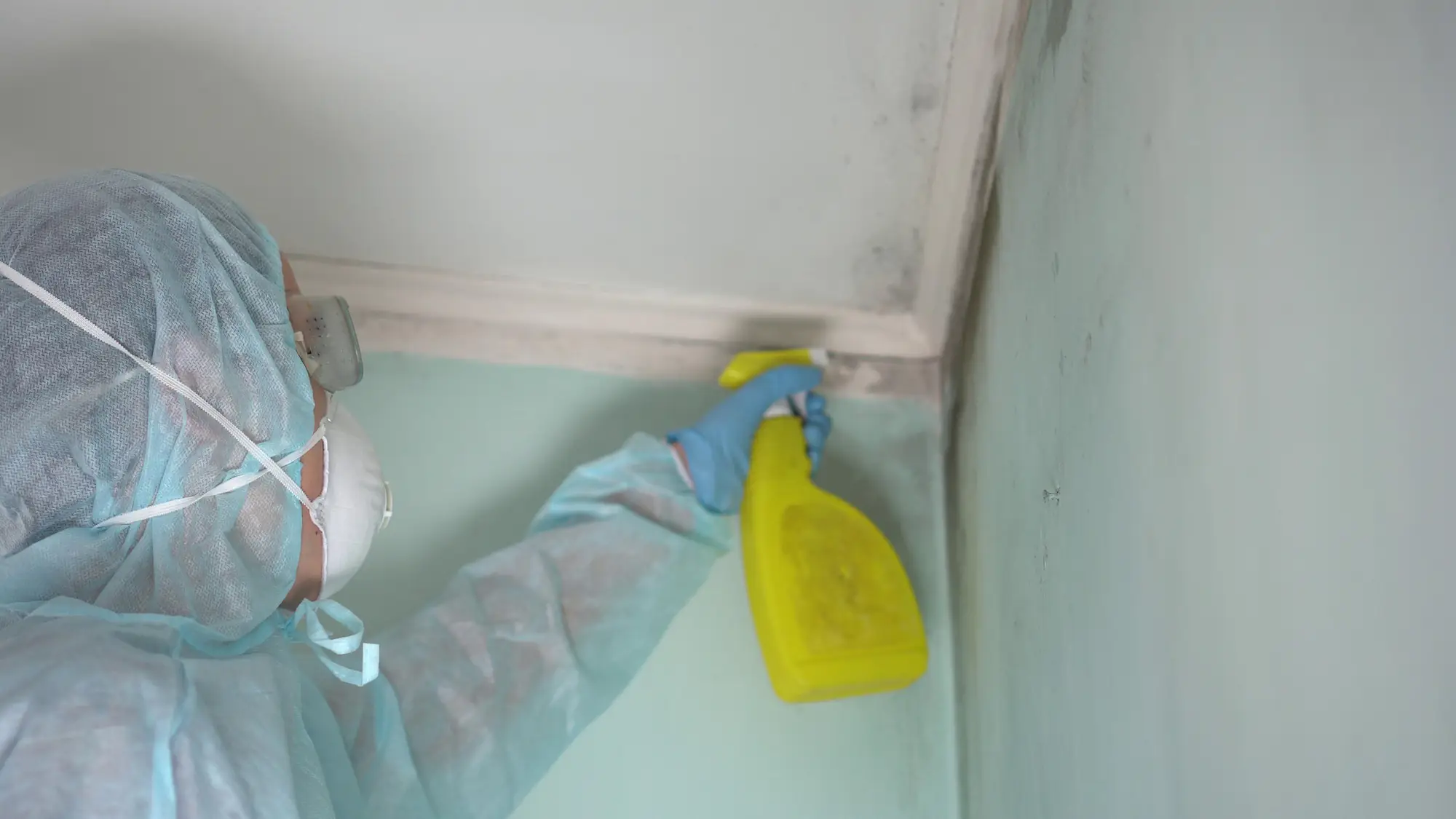
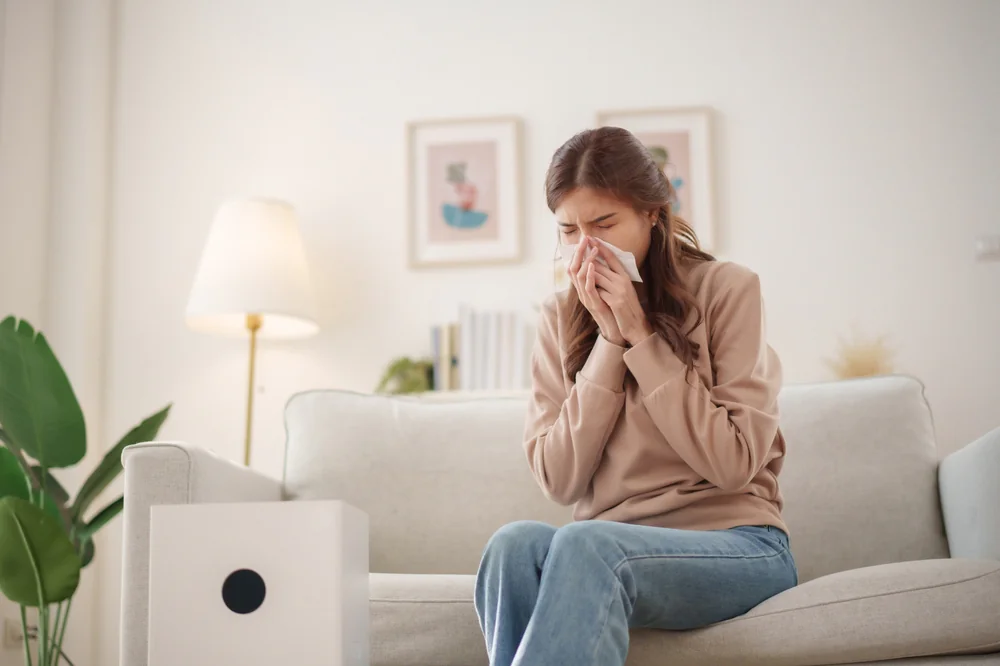
If anyone in your home is experiencing unexplained respiratory symptoms—coughing, sneezing, sinus irritation, headaches, dizziness, or fatigue—that’s a red flag. These are common reactions to mold, allergens, and other airborne contaminants. If symptoms improve when you leave the house and return when you come back, your indoor air is likely the culprit.
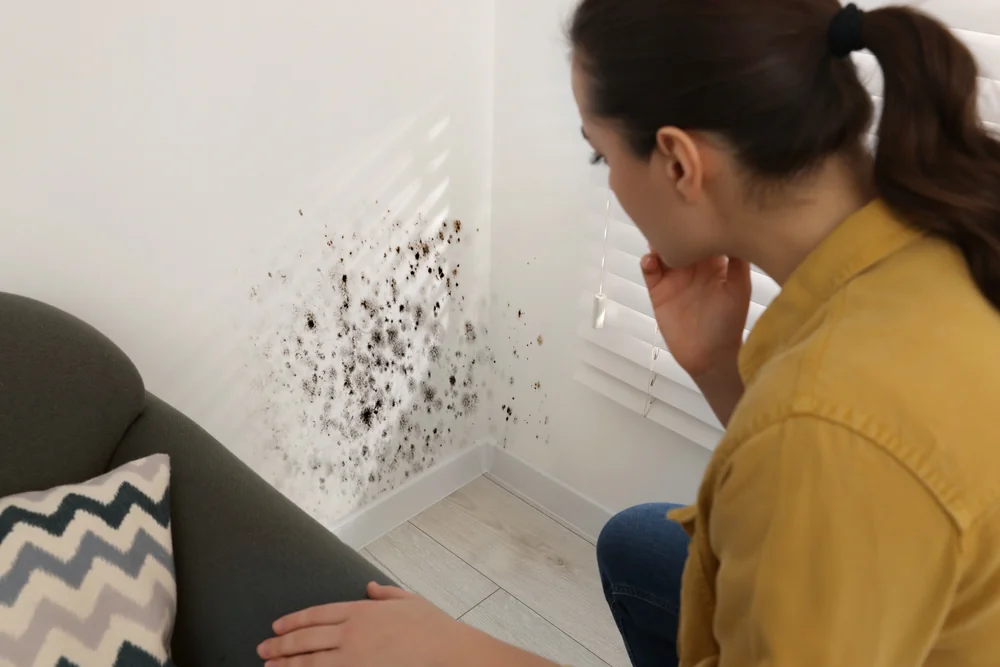
Visible signs matter too. Musty odors, water stains, condensation on windows, peeling paint, or any history of water damage all point to potential mold growth. Even if you don’t see mold, it can be growing inside walls, under flooring, or in your HVAC system.
You should also test if you’re buying or selling a home in Bucktoe, if you’ve had recent water damage or flooding, or if you just want to know what’s in your air. Radon testing is recommended for every home in Pennsylvania regardless of symptoms. It’s not about paranoia—it’s about having actual data instead of assumptions.
DIY kits can give you a general idea, but they’re limited. Most only test for one thing—usually mold or radon—and the accuracy depends entirely on how you collect the sample. If you place the kit in the wrong location, leave it for the wrong amount of time, or don’t seal it properly, your results won’t be reliable.
Professional air quality testing uses calibrated equipment and follows EPA protocols. We know where to sample, how long to sample, and what conditions affect results. For mold testing, we collect multiple samples from different areas and send them to an independent lab for species identification and spore counts. That’s not something a DIY kit can do.
Radon testing requires specific placement and timing to get accurate readings. VOC testing and carbon monoxide detection need specialized equipment. Professional testing also gives you documentation that meets insurance and regulatory requirements. If you need to file a claim or provide proof of contamination, a DIY kit won’t cut it. You’re paying for accuracy, expertise, and results you can actually use.
The actual sampling process usually takes one to two hours depending on the size of your home and which tests you’re running. We’re not there all day. We set up equipment, collect samples, check moisture levels, and document conditions.
Radon testing is different because the monitors need to stay in place for 48 to 72 hours to get accurate readings. We drop them off, you leave them undisturbed, and we pick them up a few days later. You don’t need to be home the whole time.
Lab results typically come back within three to five business days. Once we have the data, we’ll schedule a time to review everything with you. That conversation usually takes 30 to 45 minutes. We walk through what the tests found, what it means, and what your options are. If you request an online quote, expect a callback within 24 to 48 hours to get the process started.
No. Air quality testing is non-invasive. We collect air samples using pumps and collection devices. For surface testing, we use swabs or tape lifts on visible areas. Nothing gets damaged. We’re not cutting drywall or tearing up flooring just to run tests.
If we use infrared cameras to identify moisture or temperature differences behind walls, that’s completely non-contact. The camera shows us where problems might be hiding without any demolition. If testing reveals contamination that requires remediation, that’s a separate process—and we’d discuss it with you before anything happens.
Radon monitors sit on the floor in your lowest livable space. They’re small, quiet, and don’t require any installation. You just leave them alone for a few days. When testing is done, you’re left with information, not holes in your walls.
First, you get a clear explanation of what was found and what it means. Not all mold is toxic, and not all radon levels require immediate action. We’ll tell you where your levels fall, what health risks are associated with those levels, and what Pennsylvania guidelines recommend.
If remediation is needed, we’ll walk through your options. For mold, that might mean containment, removal, and addressing the moisture source. For radon, it usually means installing a mitigation system that vents the gas safely outside. For VOCs or other contaminants, solutions range from improved ventilation to air purification systems.
You’re not locked into anything. You can take the test results and get quotes from other companies if you want. But if you choose to move forward with us, we handle the whole process—remediation, retesting, and documentation. The goal is to get your indoor air quality back to safe levels and give you confidence that the problem is actually solved.
Cost depends on what you’re testing for and how large your home is. A basic mold air test for a typical residential property usually runs a few hundred dollars. Radon testing is generally less expensive. Comprehensive testing that includes mold, radon, VOCs, and allergens costs more because you’re getting more data.
We don’t believe in quoting one price and then adding fees once we’re on-site. When you call, we’ll ask about your home size, your concerns, and what symptoms or issues you’re dealing with. That lets us give you an accurate estimate upfront.
Testing is an investment in information. If your air is fine, you’ve bought peace of mind. If there’s a problem, you’ve caught it early—before it leads to expensive damage or ongoing health issues. Homes in Bucks County with documented air quality problems can lose value fast. Buyers walk away, insurance claims get denied, and remediation costs go up the longer you wait. Testing gives you the facts you need to make informed decisions about your property and your family’s health.
Other Services we provide in Bucktoe