
Hear from Our Customers
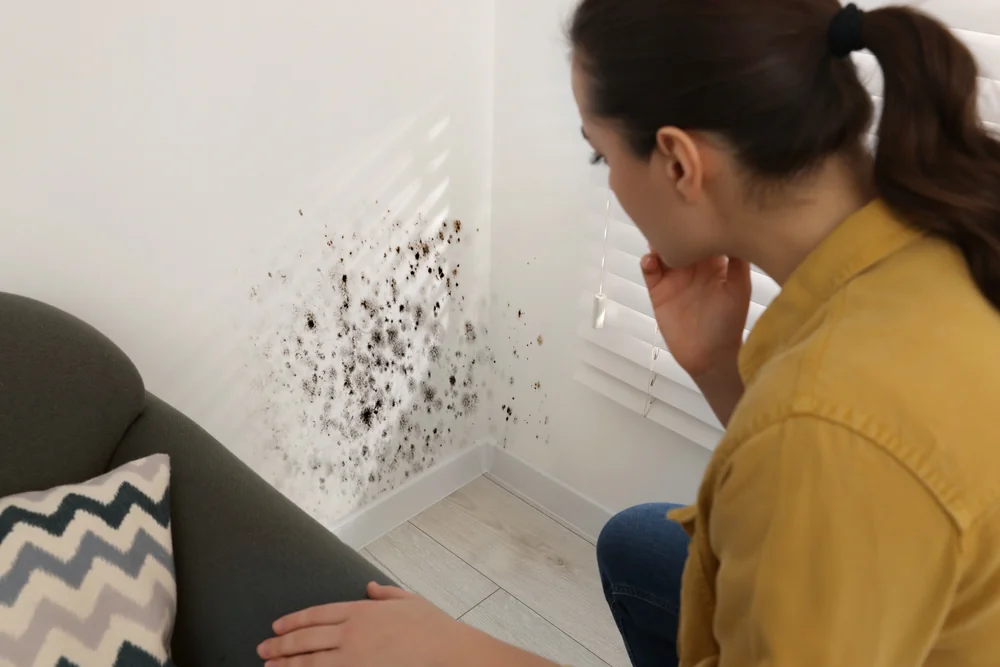
You’re not imagining it. The headaches, the allergies that won’t quit, the musty smell you can’t track down—those are real problems, and they usually point to something you can’t see.
A home air quality test does more than confirm your suspicions. It tells you exactly what’s in the air, where it’s coming from, and how bad it really is. That matters when you’re trying to protect your family, file an insurance claim, or just sleep better knowing your home isn’t making anyone sick.
We use EPA-certified lab analysis to measure mold spore concentrations, compare indoor air to outdoor baselines, and identify species that can cause real health problems. The results come back in writing, with clear numbers and next steps. No guessing. No maybes. Just facts you can act on.
We’ve been handling residential air quality testing and mold issues across Belardy and Bucks County for years. We know the older homes near Street Road. We know how humidity from the Delaware River affects basements. We know what happens after spring storms flood crawl spaces.
Our team uses moisture meters, thermal imaging, and lab-grade air sampling equipment to find problems other companies miss. We’re available 24/7 because mold doesn’t wait for business hours, and neither do the health symptoms it causes.
We’re not the cheapest option in Belardy, PA—and that’s intentional. You’re paying for certified technicians, independent lab analysis, and documentation that actually holds up when you need it.

First, we come out and do a free visual inspection. We’re looking for obvious signs—water stains, discoloration, musty odors—but also using moisture meters and infrared cameras to check behind walls, under floors, and in areas you’d never think to look.
If we find moisture or suspect contamination, we collect air samples from multiple rooms in your home. We also take an outdoor sample as a baseline, because mold spores exist everywhere. What matters is whether your indoor levels are elevated.
Those samples go to an independent lab for analysis. They’ll identify the species, count the spore concentrations, and compare your indoor air to outdoor norms. Within a few days, you get a full report that breaks down exactly what’s happening in your home. If there’s a problem, we’ll walk you through what it means and what needs to happen next. If your air is fine, you’ll have documentation proving it.

Ready to get started?
Every residential air quality testing appointment includes a full visual inspection, moisture mapping with professional-grade meters, thermal imaging to detect hidden water intrusion, and air sample collection from multiple zones in your home. We don’t just test one room and call it done.
The lab analysis identifies mold species by name and measures spore concentration levels. That’s critical because not all mold is equally dangerous, and you need to know if you’re dealing with something that requires immediate action or just routine cleaning.
Belardy homes—especially older properties—tend to have basements with poor ventilation and crawl spaces that trap moisture. That’s where most of our calls come from. The testing process accounts for those local conditions and gives you a clear picture of whether your home’s air quality is within safe limits or needs professional remediation.
You’ll also get a written report that meets Pennsylvania Department of Health standards. That matters if you’re filing an insurance claim, selling your home, or just need proof that the problem’s been handled.
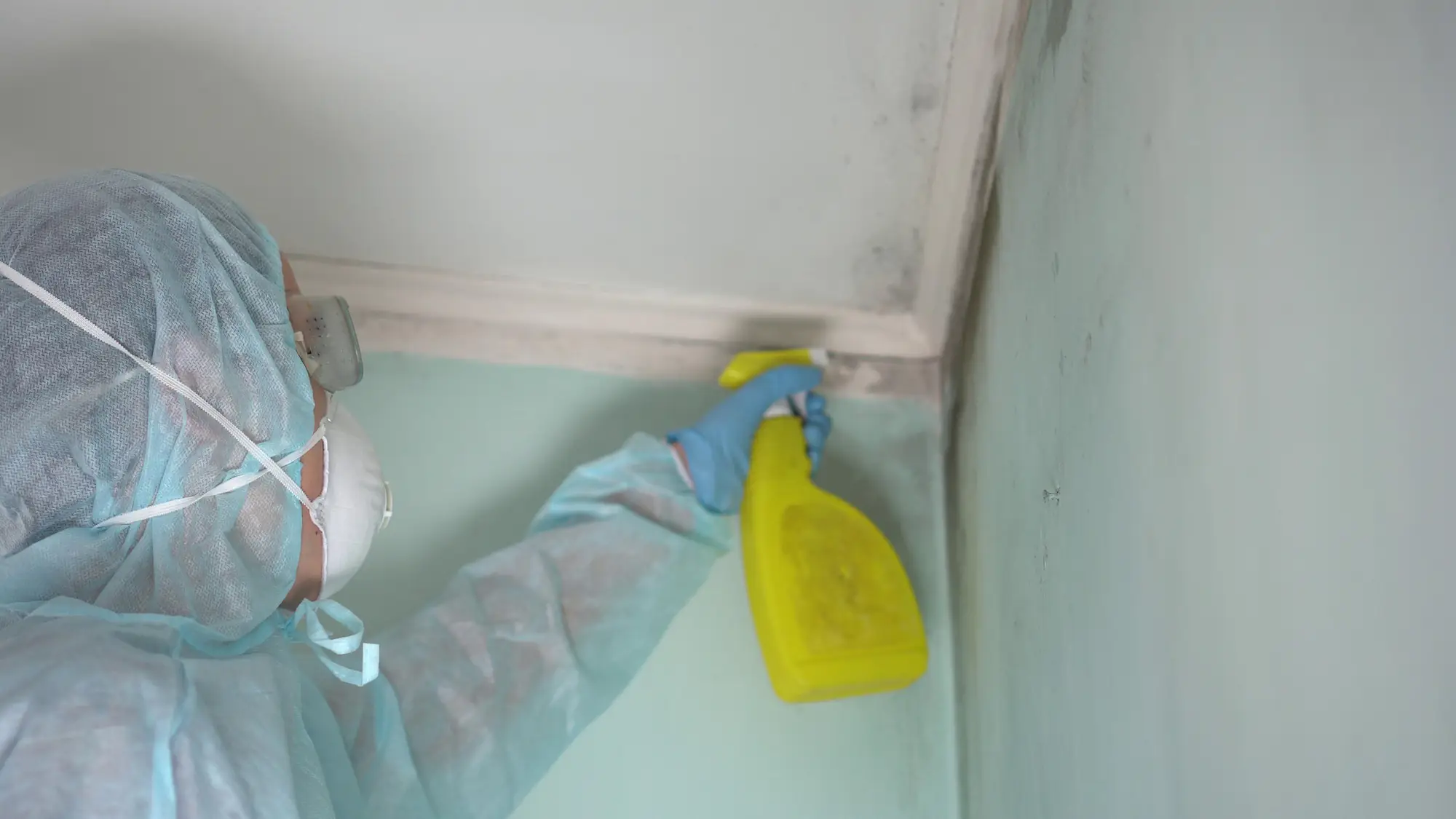
Most professional air quality testing in Belardy runs between $300 and $600, depending on the size of your home and how many samples we need to collect. If you’re testing a small condo, it’s on the lower end. If you’ve got a multi-level home with a basement and attic, it costs more because we’re sampling more areas.
We offer free initial inspections, so you’re not paying anything just to have someone come out and assess the situation. If testing makes sense, we’ll give you an upfront price before we collect a single sample. No surprises.
DIY test kits are cheaper—usually $10 to $50—but they don’t give you lab-certified results, species identification, or spore concentration levels. They also can’t tell you where the problem is coming from or whether your indoor air is actually worse than outdoor air. If you’re dealing with health symptoms, insurance claims, or a known water issue, those kits won’t cut it.
Lab results typically come back in three to five business days. The samples have to be analyzed under a microscope by certified technicians who are counting and identifying spores. That takes time if you want it done right.
Some companies offer “instant” results using handheld devices, but those tools can’t identify species or give you the detailed analysis you’d need for an insurance claim or remediation plan. They’re basically giving you a guess.
Once we get the lab report, we’ll walk you through it in plain language. You’ll know what species were found, what the spore counts mean, and whether your home’s air quality is within normal range or elevated. If remediation is needed, we’ll explain what that looks like and give you a clear estimate before any work starts.
Air testing can tell you if mold spores are present in elevated levels, but it won’t pinpoint the exact location behind a wall. That’s where moisture meters and thermal imaging come in. We use infrared cameras to detect temperature differences that indicate water intrusion or trapped moisture—those are the conditions mold needs to grow.
If we see high moisture readings or thermal patterns that suggest hidden water damage, we know there’s likely mold growth even if we can’t see it yet. The air samples confirm whether spores are circulating through your home at dangerous levels.
In some cases, we’ll recommend a small exploratory opening to visually confirm what’s happening behind the drywall. That’s not always necessary, but if you’re about to invest in remediation, it’s worth knowing exactly what you’re dealing with. Most homeowners in Belardy dealing with hidden mold have had a roof leak, plumbing issue, or basement seepage they didn’t catch right away.
A mold inspection is visual. We’re walking through your home looking for visible mold, water damage, staining, and conditions that promote growth. We use moisture meters and thermal imaging to check areas you can’t easily see—behind appliances, under sinks, in crawl spaces.
Air quality testing is lab-based. We’re collecting samples of the air inside your home and sending them to an independent lab for analysis. The lab identifies what species of mold are present and measures spore concentration levels. That tells you whether your indoor air quality is worse than it should be.
Most of the time, you want both. The inspection finds the source. The testing confirms whether it’s affecting your air and how serious the contamination is. If you’re experiencing health symptoms but don’t see any visible mold, air testing is the fastest way to figure out if elevated spore levels are the problem. If you’ve already found mold and just need it removed, the inspection might be enough.
It depends on your policy and what caused the problem. If you had a sudden water event—burst pipe, roof leak, appliance failure—most homeowners insurance policies will cover testing and remediation as part of the water damage claim. If the mold developed slowly over time due to poor ventilation or deferred maintenance, they’ll likely deny it.
We work with insurance companies regularly and know what documentation they need. Our lab reports meet Pennsylvania Department of Health standards and provide the detailed analysis adjusters expect to see. We can also help you navigate the claims process and communicate directly with your insurance company if needed.
Even if insurance doesn’t cover it, testing is worth the cost if you’re dealing with unexplained health issues, planning to sell your home, or trying to confirm that a previous remediation job actually worked. The report gives you proof either way, and that’s hard to put a price on when your family’s health is on the line.
If you can see mold growing on surfaces—walls, ceilings, grout, wood—you probably don’t need testing to know you have a problem. You need removal. Testing in that situation just confirms what’s already obvious and delays the fix.
But if you’re smelling something musty, dealing with allergy symptoms that won’t go away, or worried about hidden contamination after water damage, testing gives you answers before you start tearing into walls or spending money on remediation you might not need.
Testing also makes sense if you’re buying or selling a home in Belardy and want documentation of air quality. Or if you’ve already had mold removed and want to confirm the job was done right. The lab results either give you peace of mind or tell you exactly what still needs to be addressed. Either way, you’re making decisions based on facts instead of assumptions.
Other Services we provide in Belardy