
Hear from Our Customers

You can’t see mold spores. You can’t see radon. You can’t see most of the stuff that makes your family cough, sneeze, or feel off in your own home.
That’s the problem with indoor air quality—it’s invisible until it isn’t. By the time you smell something or see discoloration, the issue’s been there for a while. A home air quality test gives you the actual data: what’s in your air, how much of it, and whether it’s something you need to address now or just monitor.
This matters in Elephant and throughout Bucks County because Pennsylvania homes deal with high humidity, older construction, and some of the worst radon levels in the country. Add in seasonal temperature swings and you’ve got the perfect recipe for mold growth, poor ventilation, and trapped pollutants. Testing tells you if your home is one of them.
You’re not overreacting by wanting to know. You’re being smart.
Mack’s Mold Removal has been helping homeowners across Bucks County understand what’s happening inside their walls and their air. We’re not a national franchise reading off a script. We’re local, we know the area, and we’ve seen what happens when homes here aren’t properly ventilated or when water damage goes untreated.
Elephant sits in an area where basements stay damp, crawl spaces trap moisture, and older homes weren’t built with today’s air quality standards in mind. We’ve tested hundreds of properties just like yours. We know what to look for, where problems hide, and how to explain results without making you feel like you need a science degree.
We use EPA-approved methods and send samples to certified labs. You get documentation you can trust, whether it’s for your own records, an insurance claim, or a real estate transaction.
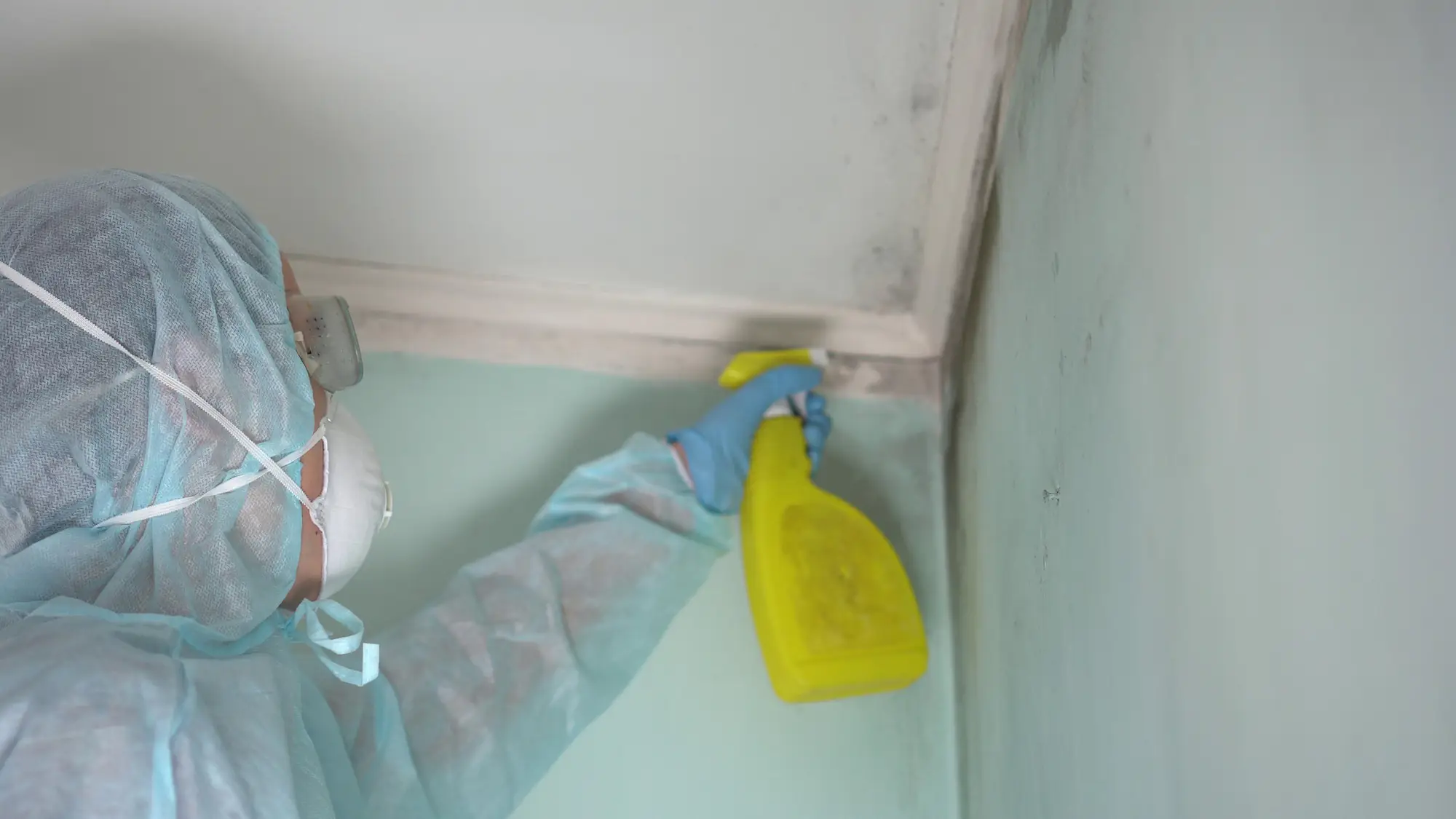
First, we come to your home and do a visual inspection. We’re looking for signs of water damage, mold growth, ventilation issues, or anything else that might affect your air. We ask questions about what you’ve noticed—smells, symptoms, humidity problems, recent leaks.
Then we take air samples from different areas of your home using calibrated equipment. We also take surface samples if we see visible mold or suspect hidden growth. These samples get sent to an accredited lab for analysis. The lab identifies exactly what’s present—mold species, spore counts, allergens, and other airborne contaminants.
You get a full report that breaks down what we found, what it means, and what (if anything) needs to happen next. If there’s a problem, we explain your options. If your air quality is fine, we tell you that too. No upselling. No scare tactics.
If remediation is needed, we handle that as well—but the testing itself is about giving you clear information so you can make the right call for your home and your family.

Ready to get started?
Our residential air quality testing covers the things that actually affect your health. We test for mold spores—the hidden ones, not just what you can see. We check for elevated humidity that leads to growth. We look for allergens and particulate matter that aggravate asthma and allergies.
In Elephant and Bucks County, we also pay close attention to basements, crawl spaces, attics, and bathrooms—the areas where moisture problems start. Pennsylvania homes are especially vulnerable because of our climate. Humid summers create condensation. Cold winters mean homes are sealed tight with little fresh air exchange. That traps everything inside.
We also test after remediation work to confirm the job was done right. If you’ve had mold removed or water damage repaired, a mold air test is the only way to verify that spore levels are back to normal. Surface cleaning doesn’t tell the whole story. Air testing does.
You’ll receive lab results, a written report, and a walkthrough of what everything means. If you need documentation for insurance or a home sale, we provide that too. The goal is to give you answers you can actually use.
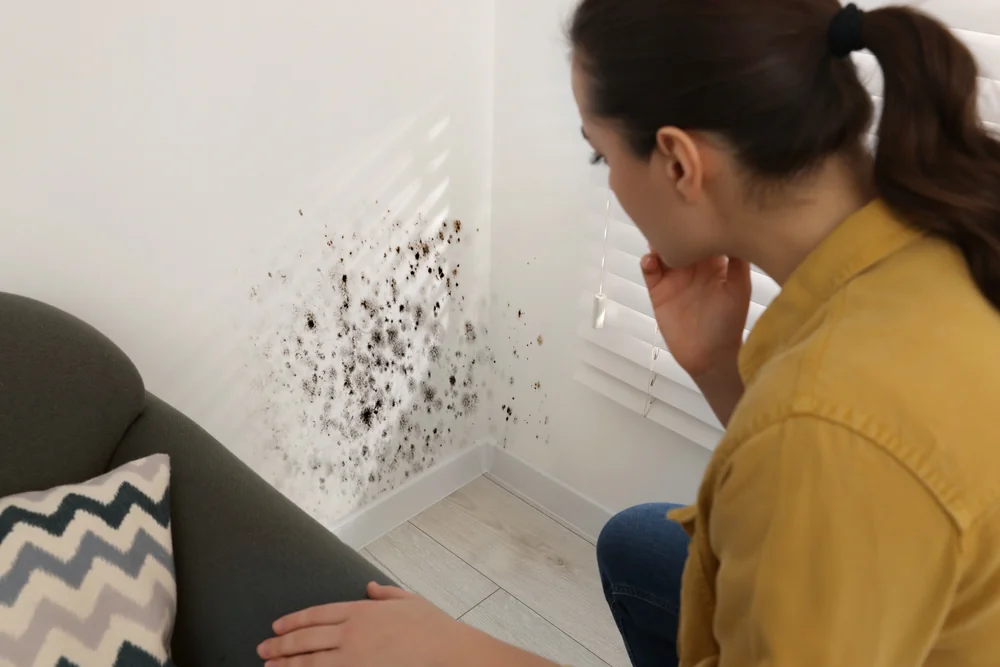
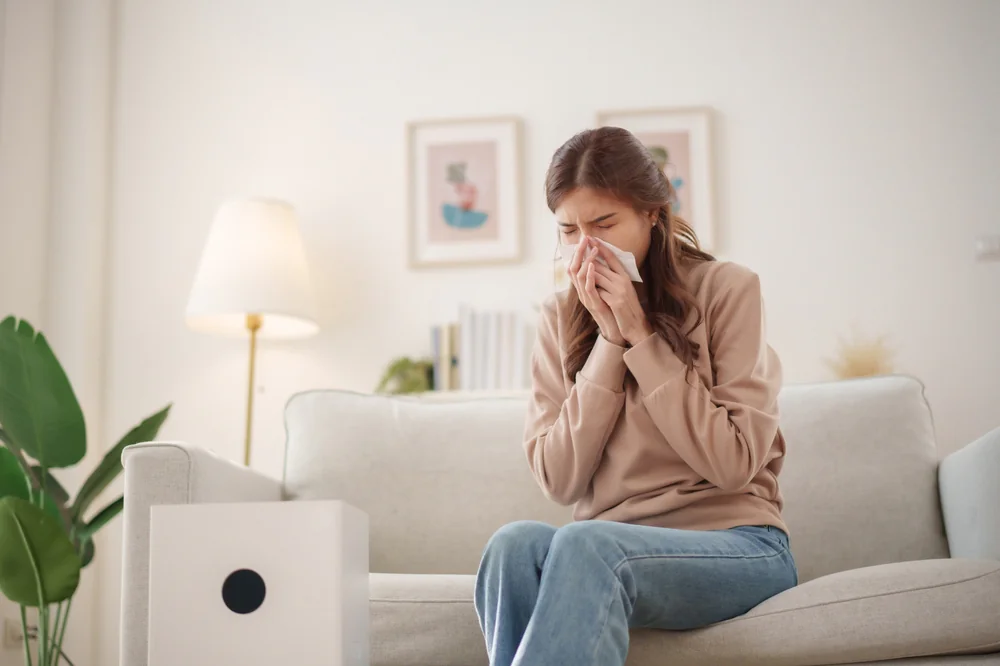
You should consider testing if you smell musty odors, see visible mold, or if anyone in your home has unexplained respiratory symptoms like coughing, sneezing, or headaches that improve when they leave the house. Testing also makes sense if you’ve had water damage, a leak, or flooding—even if it was cleaned up.
Another reason to test: you’re buying or selling a home in Elephant or Bucks County and want documentation of air quality before closing. Or you’ve had mold remediation done and want proof the problem is actually gone. A lot of companies will clean what you can see and call it done. Air testing shows whether spores are still circulating.
If your home is older, has poor ventilation, or you’ve noticed increased humidity or condensation on windows, those are all signs that your indoor air quality might be compromised. Testing removes the guesswork.
We measure airborne mold spore counts and identify the species present. Different molds have different health risks, so knowing what’s there matters. We also measure particulate matter, allergens, and humidity levels that contribute to poor air quality.
Samples are collected from multiple rooms and sent to an accredited lab. The lab compares your indoor levels to outdoor baseline levels. If your indoor counts are significantly higher, that indicates a problem inside your home—not just seasonal pollen or environmental mold from outside.
We also do surface testing if we see visible growth or suspect hidden mold behind walls, under flooring, or in HVAC systems. Surface samples help us figure out the source so it can be properly addressed. You get a full report with lab results, spore counts, and our professional assessment of what the data means and what actions, if any, you should take.
The on-site part of a home air quality test usually takes one to two hours depending on the size of your home and how many areas we’re sampling. We’re thorough but efficient. You don’t need to do anything special to prepare—just give us access to the areas you’re concerned about.
Once we collect the samples, they go to the lab. Standard turnaround is typically three to five business days. If you need results faster for a real estate closing or insurance claim, we can request expedited processing.
When the results come back, we’ll walk you through them. We explain what was found, what the numbers mean, and whether any action is needed. If there’s a problem, we’ll talk through your options. If your air quality is fine, we’ll tell you that too. The report is yours to keep, and it includes all the documentation you’d need for insurance, a home sale, or your own records.
Yes. That’s one of the main reasons people call us. Mold grows in places you can’t easily inspect—inside walls, under flooring, in HVAC ducts, behind cabinets, or in crawl spaces. You might not see it, but if it’s releasing spores, those spores are circulating through your home every time your heating or cooling system runs.
A mold air test picks up elevated spore counts even when there’s no visible growth. If we find high levels, we can then do targeted inspections to locate the source. Sometimes that means using moisture meters or thermal imaging to find hidden water intrusion. Other times it means pulling back drywall or checking areas that aren’t part of normal living spaces.
In Elephant and throughout Bucks County, hidden mold is common in older homes with stone foundations, poor grading, or outdated ventilation. Basements and crawl spaces are the usual suspects, but we’ve found it in attics, behind washing machines, and under kitchen sinks too. Testing is the first step. Finding the source is the second. Removing it correctly is the third.
DIY kits can tell you if mold is present, but they don’t tell you how much, what species, or whether it’s actually a problem. Most homes have some level of mold spores—it’s in the air outside, so it gets inside too. What matters is whether your indoor levels are elevated compared to outdoor levels and whether the species present are toxic or allergenic.
Professional air quality testing uses calibrated equipment and compares your indoor air to outdoor baseline samples. We collect multiple samples from different areas of your home to get an accurate picture. The samples go to an accredited lab that identifies specific mold species and provides spore counts. That data tells you whether you have a problem or not.
We also know where to look and what to look for. We’ve tested hundreds of homes in Bucks County. We know the difference between surface dust and active mold growth. We know how to interpret lab results in the context of your specific home and your specific concerns. A DIY kit might give you a yes or no. We give you answers and a plan.
It depends on your policy and the reason for testing. If you’re testing because of a covered event—like a burst pipe, roof leak, or storm damage—many policies will cover testing and remediation as part of the claim. If you’re testing for general maintenance or because of long-term humidity issues, it’s usually not covered.
The key is documenting everything. If you’ve had water damage, take photos and call your insurance company right away. Let them know you’re having professional testing done to assess potential mold growth. We provide detailed reports and documentation that insurance companies accept. We’ve worked with claims adjusters throughout Bucks County and know what they need to process a claim.
Even if testing isn’t covered, it’s often worth paying out of pocket. Finding a problem early—before it spreads—can save you thousands in repairs later. And if you’re buying or selling a home, testing protects your investment and gives everyone involved clear information. We’ll work with you and your insurance company to make the process as straightforward as possible.
Other Services we provide in Elephant