
Hear from Our Customers
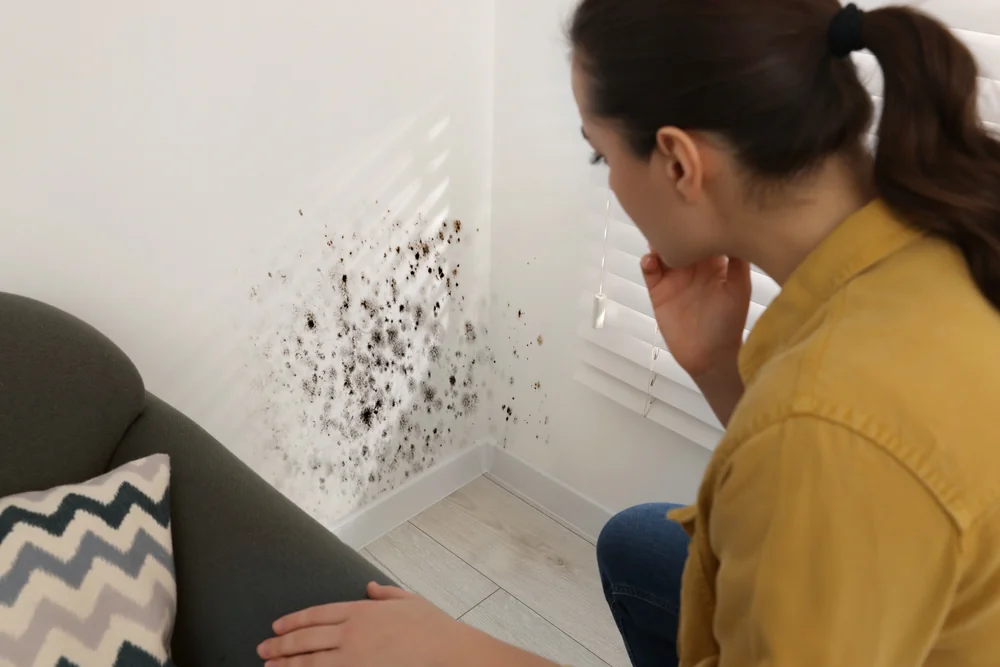
You spend most of your time inside your home. If the air quality is compromised, you’re dealing with more than discomfort—you’re looking at potential respiratory issues, allergy flare-ups, and long-term health risks that don’t announce themselves until they’ve already taken hold.
A home air quality test doesn’t guess. It measures particulate levels, identifies mold spores, tests for radon, and pinpoints exactly what’s circulating through your HVAC system and settling into your furniture and lungs.
In Chestnut Hill, where older homes with beautiful architecture often come with aging ventilation systems and basement moisture issues, indoor air can be significantly more polluted than the air outside. About 40% of Pennsylvania homes test above EPA action levels for radon alone. Add in mold from humidity, dust mites, pet dander, and VOCs from household products, and you’ve got a mix that affects how you sleep, how your kids breathe, and whether your allergies ever actually go away.
Testing gives you a baseline. It tells you if there’s a problem, where it’s coming from, and what needs to happen next.
We’ve been serving Chestnut Hill and the surrounding Bucks County area for years. We’re certified mold inspectors trained in the latest air quality assessment techniques, and we use calibrated equipment that gets tested daily to make sure the readings you get are accurate.
We’re not trying to sell you a remediation package before we even know what the problem is. We test first, send samples to independent third-party labs, and then walk you through the results in plain language. If there’s an issue, we’ll tell you what it is and what it takes to fix it. If your air quality is fine, we’ll tell you that too.
Chestnut Hill’s historic homes and tree-lined streets are part of what makes this area so desirable. But older construction, combined with Pennsylvania’s humid summers and cold winters, creates conditions where mold and moisture problems can develop quietly. We know what to look for because we’ve been inside hundreds of homes just like yours.

We start with a visual inspection of your property. That means checking areas where moisture tends to accumulate—basements, crawl spaces, attics, around windows, near HVAC systems. We’re looking for visible mold, water stains, condensation, or any signs that air quality might be compromised.
Next, we use tools like thermal imaging cameras and moisture meters to detect problems you can’t see. Mold grows behind walls, under floors, and in ductwork. Radon seeps up through foundation cracks. These aren’t things you can spot on your own, and they’re often the biggest contributors to poor indoor air quality.
We collect air samples from multiple locations in your home using laser particle counters and other calibrated testing equipment. Those samples get sent to an independent lab that’s nationally recognized for fast, accurate analysis. We also take surface samples if we find visible mold or suspect contamination in specific areas.
Once the lab results come back, we schedule a follow-up to go over everything. You’ll get a detailed report that breaks down what was found, what the levels mean, and whether they’re above safe thresholds. If remediation is needed, we’ll explain the process, give you an upfront estimate, and map out a timeline. If your air quality is within normal range, you’ll have documentation and confirmation.

Ready to get started?
A comprehensive indoor air quality test covers the pollutants that most commonly affect homes in this area. That includes mold spores, which thrive in Pennsylvania’s humid climate and can trigger allergies, asthma, and respiratory infections. We test for elevated spore counts and identify the specific types of mold present, because not all mold is the same and some varieties are more hazardous than others.
Radon testing is critical in Chestnut Hill. Pennsylvania has one of the highest radon concentrations in the country, and roughly 40% of homes exceed EPA guidelines. Radon is odorless, invisible, and the second leading cause of lung cancer. Testing is the only way to know if your home has elevated levels, and if it does, mitigation systems can reduce radon by up to 99%.
We also measure particulate matter—dust, pollen, pet dander, and other airborne particles that aggravate allergies and reduce overall air quality. Volatile organic compounds (VOCs) from paints, cleaning products, and building materials get tested as well, especially in older homes that may have been renovated multiple times with varying material standards.
Humidity levels matter too. Too much moisture promotes mold growth. Too little dries out respiratory passages and makes you more susceptible to infections. We measure humidity and check for condensation issues that could be feeding mold colonies you haven’t discovered yet.
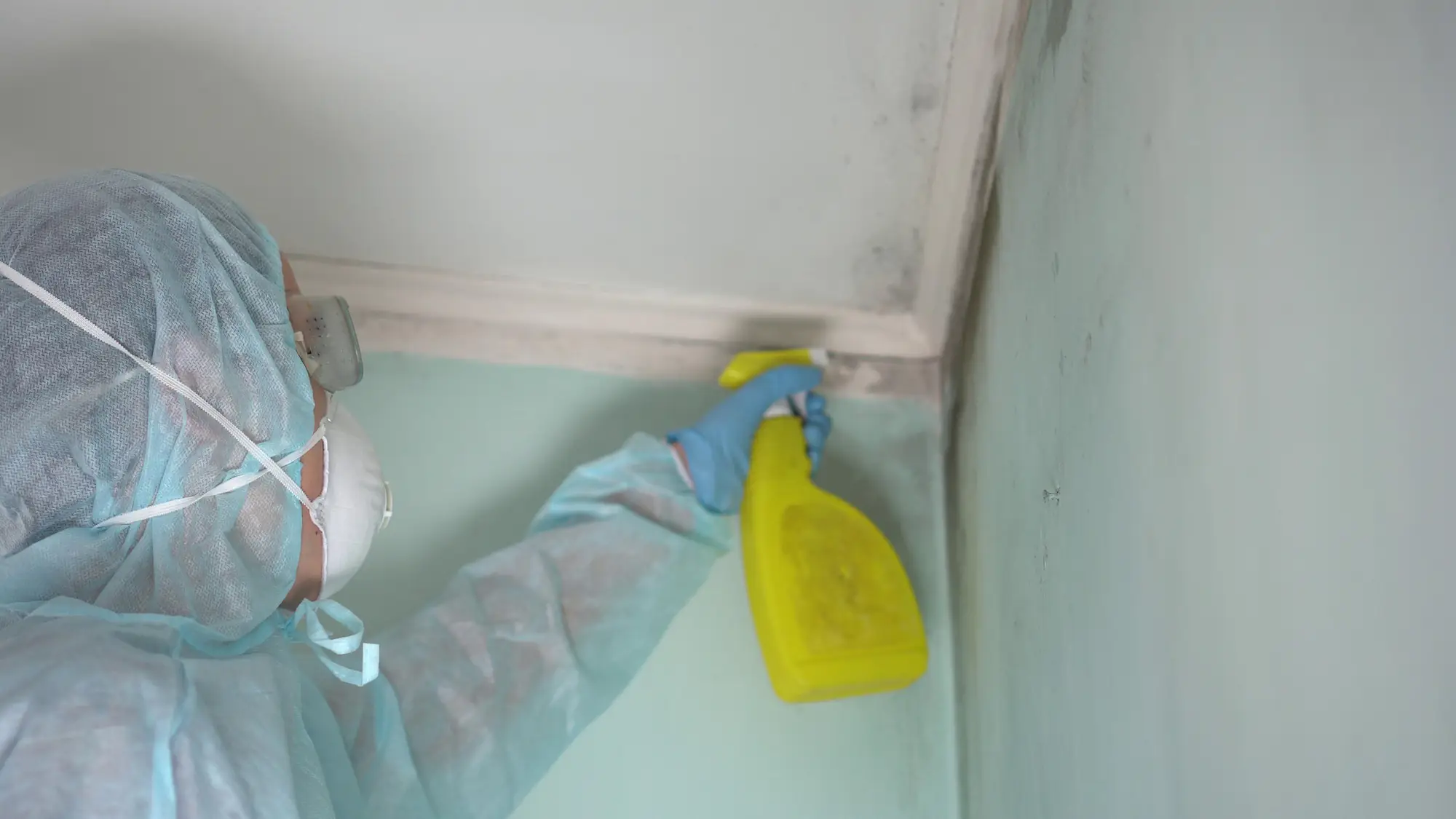
The on-site portion of a residential air quality test usually takes between one and two hours, depending on the size of your home and how many areas need to be sampled. We’re not rushing through it—we’re checking basements, attics, HVAC systems, and any rooms where you’ve noticed odors, moisture, or health symptoms.
After we collect samples, they go to an independent lab for analysis. Lab turnaround is typically three to five business days. Once results are in, we’ll contact you to schedule a follow-up consultation where we review findings and discuss next steps if any issues are detected.
If you’re dealing with an urgent situation—like a known mold problem or recent water damage—we can prioritize testing and expedite lab processing. The key is getting accurate results, not just fast ones, so we don’t cut corners on the testing process itself.
A mold air test specifically measures mold spore levels in your indoor air and identifies the types of mold present. It’s focused testing that’s useful if you suspect mold, have visible growth, or are experiencing symptoms like respiratory issues and musty odors that point to mold contamination.
A full indoor air quality test is more comprehensive. It includes mold testing but also measures radon, particulate matter, VOCs, humidity levels, and other pollutants that affect air quality. This broader assessment is helpful if you’re not sure what’s causing problems, if you’re buying or selling a home, or if you just want a complete picture of what’s in your air.
In Chestnut Hill, where radon is a known issue and older homes often have multiple air quality factors at play, a full test gives you more information. That said, if your primary concern is mold and you want to keep costs down, a targeted mold air test is a solid starting point. We can always expand testing later if needed.
No. Air quality testing is non-invasive. We’re collecting air samples, taking surface swabs if needed, and using handheld equipment like moisture meters and thermal cameras. There’s no drilling, no cutting into walls, and no damage to your property.
If we need to access areas like attics or crawl spaces, we’ll ask permission first and make sure we’re not disrupting anything. The goal is to gather data, not tear apart your home. Even when we take surface samples from suspected mold growth, we’re using small swabs that don’t leave marks or require repair.
The only time invasive investigation might be recommended is if testing reveals a hidden problem—like mold growth inside walls or ductwork—that requires further inspection to determine the extent of contamination. But that’s a separate step that only happens if test results indicate a serious issue, and we’ll discuss it with you before moving forward.
Cost depends on what you’re testing for and how large your home is. A basic mold air test typically starts around a few hundred dollars. A comprehensive indoor air quality test that includes radon, VOCs, particulate matter, and mold analysis will cost more—usually in the range of several hundred to over a thousand dollars for larger homes or more extensive testing.
We offer free initial inspections, which means we’ll come out, assess your situation, and give you a clear estimate before you commit to anything. No surprise charges, no upselling services you don’t need. If your home qualifies for insurance coverage due to water damage or mold contamination, we’ll work with your insurance company to help with the claims process.
Financing options are available if you need them. The investment in testing is small compared to the cost of ignoring air quality problems—both in terms of health impacts and potential property damage. Mold remediation gets more expensive the longer it’s left untreated, and radon exposure is a long-term health risk that doesn’t go away on its own.
You can, but the accuracy and usefulness of DIY kits vary widely. Some radon test kits are reasonably reliable if you follow instructions carefully and send samples to a certified lab. Mold test kits are less dependable—they often produce false positives because mold spores are present in almost every indoor environment, and the kits can’t distinguish between normal background levels and contamination that requires remediation.
Professional air quality testing uses calibrated equipment that gets tested daily for accuracy. We’re trained to know where to sample, how to avoid contamination, and how to interpret results in the context of your specific home and symptoms. The labs we use are nationally recognized and provide detailed analysis that breaks down spore types, concentration levels, and whether findings exceed safe thresholds.
If you’re trying to save money and want a preliminary check, a radon test kit from a hardware store is a reasonable starting point. But if you’re dealing with health symptoms, visible mold, musty odors, or you’re buying a home in Chestnut Hill where air quality issues are common, professional testing gives you data you can actually act on. It’s the difference between guessing and knowing.
If testing reveals mold contamination above safe levels, we’ll walk you through the remediation process. That starts with identifying the moisture source—because mold doesn’t grow without water. We’ll use moisture meters and thermal imaging to pinpoint leaks, condensation issues, or humidity problems that are feeding the mold growth.
Remediation involves containment to prevent spores from spreading, removal of contaminated materials, HEPA filtration of the air, and treatment of affected surfaces. Once remediation is complete, we retest to confirm that spore levels are back to normal. We also address the underlying moisture problem so mold doesn’t return.
For elevated radon levels, mitigation is straightforward. A radon mitigation system uses a vent pipe and fan to pull radon from beneath your home and release it outside, preventing it from accumulating indoors. Installation usually takes a day, and systems can reduce radon levels by up to 99%. Post-mitigation testing confirms that levels have dropped below EPA action guidelines.
We’ll provide a detailed estimate before any remediation work begins. You’ll know exactly what needs to happen, how long it will take, and what it costs. If insurance covers the work, we’ll help with documentation and claims. If not, financing options are available to make the process manageable.
Other Services we provide in Chestnut Hill