

Hear from Our Customers
The musty smell disappears. Your family stops dealing with unexplained sneezing, headaches, and respiratory issues that won’t quit. You stop worrying about what’s growing behind the walls or whether the problem will come back in six months.
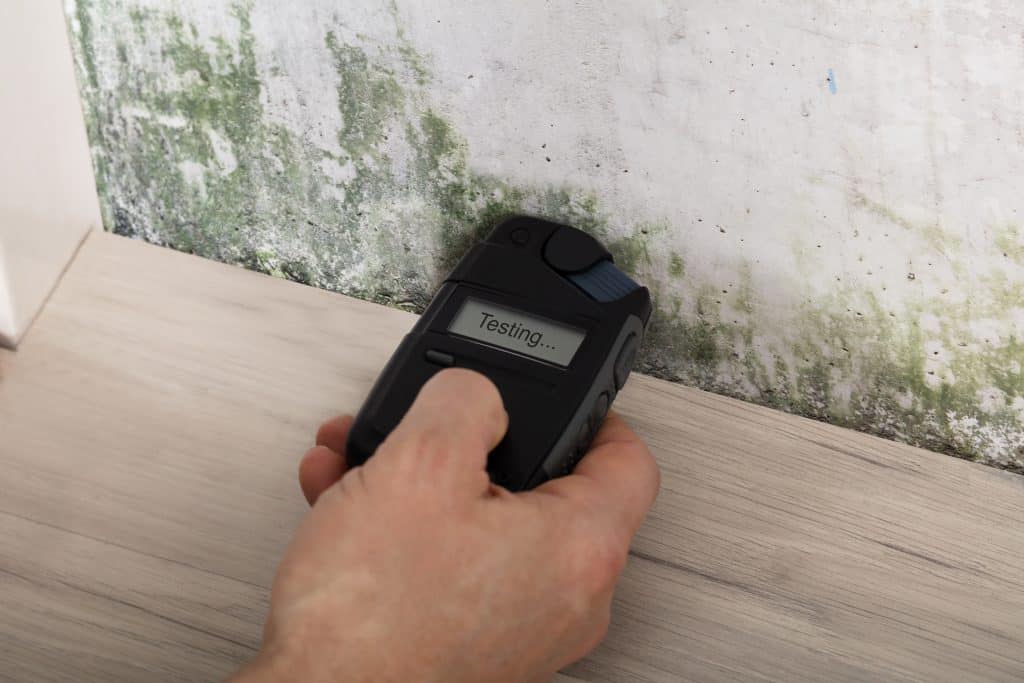
Real mold removal means addressing the moisture source, not just wiping down visible spots with bleach. When the job’s done right, you’re not masking the problem—you’re eliminating it. That means HEPA filtration to capture airborne spores, containment barriers so mold doesn’t spread during cleanup, and moisture meters to find what’s feeding the growth in the first place.
Your home becomes a place you trust again. If you’re selling, buyers won’t walk away during inspection. If you’re staying, you’re protecting the investment you’ve worked years to build.
We work with homeowners across Chestnut Hill and Bucks County who are dealing with mold they can see and mold they can’t. We know the local housing stock—older homes with plaster walls, brick basements that trap moisture, and HVAC systems that spread spores if not handled correctly.
We’re not a national franchise reading from a script. We understand Pennsylvania’s humid summers and how quickly mold establishes itself after water damage. We also know what insurance adjusters look for, which matters when you’re trying to get coverage for black mold removal or emergency cleanup after a leak.
When we say the job’s done, it stays done. That’s why we offer post-remediation verification and documentation you can actually use.

First, we inspect the property with moisture meters and thermal imaging to find hidden growth. Mold doesn’t always show up on walls—it hides in crawl spaces, behind drywall, and inside HVAC ducts. We document everything with photos and notes, which helps if you’re filing an insurance claim.
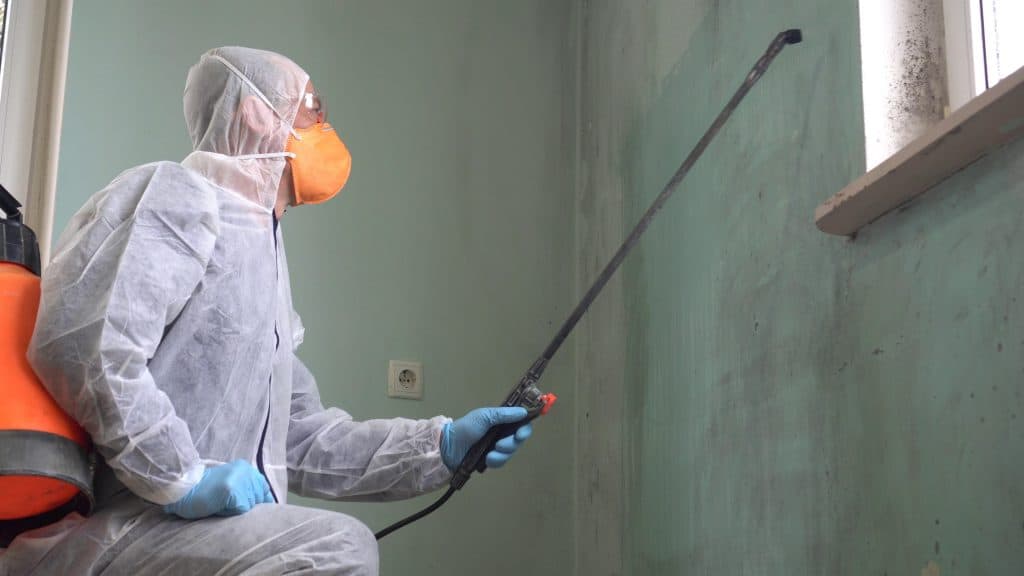
Next, we contain the affected area using physical barriers and negative air pressure systems. This keeps spores from spreading to clean areas during removal. Then we remove contaminated materials—drywall, insulation, anything that can’t be salvaged—and treat surfaces with EPA-approved antimicrobials.
After that, we use HEPA vacuums to capture airborne spores and clean the space down to the studs if needed. We don’t move forward until the moisture source is identified and addressed, whether that’s a leaking pipe, poor ventilation, or groundwater seeping through your basement.
Finally, we perform clearance testing 24 to 48 hours after completion. You get a report showing the air quality is back to safe levels. No guessing. No hoping it worked.
Ready to get started?
Every project starts with a full inspection and moisture assessment. You’re not paying for guesswork—you’re getting a clear picture of what’s happening and why. We use thermal imaging and moisture detection tools that most mold cleaning services skip, which is how we find problems before they become expensive.
Containment and air filtration are standard, not optional. We set up HEPA filtration systems and seal off work areas so your family isn’t breathing in spores while we’re working. If the mold is in your HVAC system, we clean the ducts and replace filters to stop recontamination.
Chestnut Hill’s older homes come with specific challenges—basements that flood during heavy rain, attics with poor ventilation, and crawl spaces that stay damp year-round. We’ve seen it all, and we adjust our approach based on what your home actually needs. That might mean installing vapor barriers, recommending dehumidifiers, or working with your plumber to fix the leak that started everything.
You also get help with insurance claims if your policy covers mold damage. We provide the documentation adjusters ask for, which speeds up approvals and reduces the back-and-forth.
Most mold removal projects in Chestnut Hill run between $1,500 and $6,000, depending on the size of the affected area and how far the mold has spread. Small jobs—like a bathroom with surface mold—tend to fall on the lower end. Larger projects, like a finished basement with hidden growth behind drywall or inside HVAC systems, cost more because there’s more material to remove and more space to treat.
Pricing typically breaks down to $10 to $25 per square foot, but that varies based on what’s involved. If we’re tearing out drywall, treating studs, and replacing insulation, the cost goes up. If we’re also addressing a moisture source like a leaking foundation or poor drainage, that’s additional work.
We don’t give estimates over the phone because every situation is different. The best way to know what you’re looking at is a free inspection where we measure moisture levels, check for hidden growth, and give you a written quote based on what actually needs to happen.
Most residential mold removal jobs take two to five days, depending on the extent of the contamination and how much material needs to be removed. A single room with surface mold might be done in a day or two. A whole basement or multiple rooms with mold inside walls and HVAC systems can take closer to a week.
The timeline also depends on drying time. If there’s active moisture, we need to dry out the space before we can treat it. That might mean running dehumidifiers for 24 to 48 hours before removal even starts. Rushing this step just brings the mold back.
After removal, we wait another 24 to 48 hours before performing clearance testing. This gives the air time to settle so we can get accurate readings. You’ll know the job is done when the test results show safe spore levels, not just when the visible mold is gone.
Mold comes back if the moisture source isn’t fixed. That’s the most common reason people end up with recurring problems—they paid someone to remove the mold, but the leak, condensation, or humidity issue that caused it is still there.
When we handle a mold removal job, we don’t just clean what we can see. We use moisture meters to track down where the water is coming from. If it’s a leaking pipe, we’ll tell you to get it fixed before we start. If it’s groundwater seeping through your basement walls, we’ll recommend waterproofing or drainage improvements. If it’s condensation from poor ventilation, we’ll explain what needs to change.
Once the moisture problem is solved and the mold is properly removed using containment and HEPA filtration, it doesn’t come back. That’s why we offer a warranty on our work—we’re confident the problem is actually solved, not just covered up.
Black mold—usually Stachybotrys chartarum—produces mycotoxins that can cause serious health problems, especially with prolonged exposure. Symptoms include chronic respiratory issues, headaches, fatigue, and worsening asthma. Kids and people with weakened immune systems are at higher risk.
If you’re seeing black mold or experiencing unexplained health symptoms that get better when you leave the house, you need it addressed quickly. Mold spreads fast—within 72 hours of water exposure, spores can establish and start colonizing. The longer it sits, the more it spreads through your HVAC system and into other rooms.
Emergency mold removal makes sense if you’ve had recent water damage, if the affected area is large, or if anyone in your home is having respiratory symptoms. We offer 24/7 response because waiting a week for an appointment gives mold more time to grow. The faster you act, the less damage you’re dealing with and the lower the final cost.
Small surface mold—like a little growth on bathroom tile—can usually be cleaned with the right products and precautions. But if the mold covers more than 10 square feet, if it’s inside walls or HVAC ducts, or if it keeps coming back, you need a professional mold removal company.
DIY mold removal fails when people don’t address the moisture source or when they disturb mold without proper containment. Scrubbing visible mold releases thousands of spores into the air, which then settle in other parts of your home. Without HEPA filtration and negative air pressure, you’re just spreading the problem.
A mold specialist has the equipment to find hidden growth, contain the work area, and remove contaminated materials safely. We also know how to document everything for insurance purposes, which matters if you’re filing a claim. If the mold is in your basement, attic, or crawl space—or if you’re smelling it but can’t find it—call someone who does this for a living.
It depends on what caused the mold. Most homeowners insurance policies in Pennsylvania cover mold removal if it’s the result of a sudden, accidental event—like a burst pipe or storm damage. If the mold developed because of long-term neglect, poor maintenance, or a slow leak you didn’t fix, coverage is less likely.
Pennsylvania doesn’t have state regulations requiring mold coverage, so it comes down to your specific policy. Some insurers cap mold claims at $5,000 or $10,000, while others exclude it entirely unless you’ve purchased additional coverage.
The key is documentation. If you’ve had water damage, take photos, report it to your insurance company right away, and get a professional inspection. We work with insurance adjusters regularly and know what they need to approve a claim—moisture readings, photos of the damage, and a detailed scope of work. We can help you navigate that process so you’re not stuck paying out of pocket for something your policy should cover.
Other Services we provide in Chestnut Hill