
Hear from Our Customers
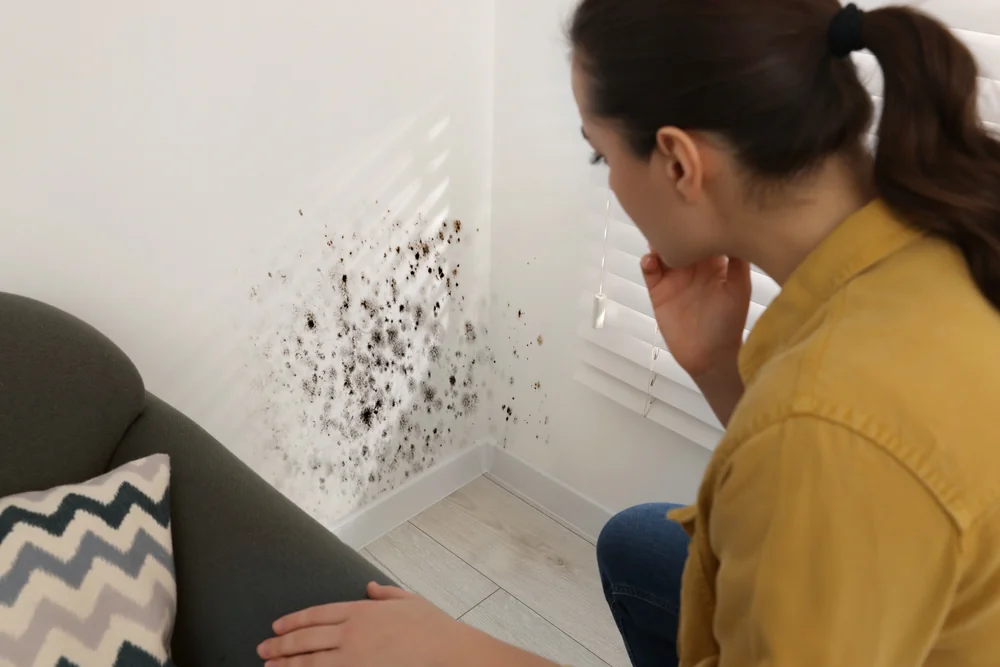
You’re dealing with symptoms nobody can explain. Coughing that won’t quit. Kids with asthma flare-ups that seem worse at home. A musty smell you can’t track down. You’ve cleaned everything, changed filters, opened windows—but something still feels off.
A home air quality test gives you actual data. Not assumptions. Not maybes. You’ll know if mold spores are elevated, where contamination is coming from, and what species you’re dealing with. That matters because not all mold is the same, and guessing wrong costs you time and money.
Our indoor air quality test uses EPA-certified lab analysis to measure spore counts and identify specific mold types. The report tells you if levels are normal or if you’ve got a problem that needs fixing. It’s the difference between wondering if your home is making you sick and knowing for sure.
We’ve been helping homeowners in Elmwood Terrace and throughout Bucks County figure out what’s happening inside their walls, ducts, and crawl spaces. We’re not a national franchise reading from a script. We know the area—the older homes with basement moisture issues, the newer builds with HVAC condensation problems, the humid summers that turn small leaks into bigger headaches.
We use professional air quality testing equipment and send samples to independent labs for analysis. We don’t sell you a service before we know what you need. The testing comes first. The recommendations come after. That’s how it should work.

We start by talking through what you’ve noticed—symptoms, smells, visible growth, water damage history. That helps us know where to focus. Then we collect air samples from different areas of your home using calibrated equipment. We’re looking at spore counts in the air you’re breathing, not just what’s growing on a surface.
Samples go to an EPA-certified lab for analysis. They identify mold species and measure concentration levels. You get a detailed report that shows what was found, where levels are elevated, and how that compares to outdoor air and industry standards.
Once results come back, we walk you through what they mean. If levels are normal, you’ll know your air is fine. If there’s contamination, we’ll explain what’s causing it and what needs to happen next. No upselling. No scare tactics. Just clear information so you can make a decision that makes sense for your home.

Ready to get started?
Every air quality test we run includes multiple air samples taken from key areas in your home—living spaces, basements, attics, anywhere moisture or mold might be hiding. We also take an outdoor control sample so we can compare indoor levels to what’s naturally present outside. That’s important because mold spores exist everywhere. The question is whether your indoor levels are abnormally high.
Lab analysis identifies the specific mold species present and measures spore concentration. Some molds are more problematic than others. Stachybotrys (black mold) and Aspergillus can cause serious health issues. Cladosporium and Penicillium are common but still worth addressing if levels are elevated. The report breaks all of this down in plain language.
Bucks County homes face specific challenges. Older properties in Elmwood Terrace often have stone foundations that allow moisture seepage. Humid summers create condensation in HVAC systems. Roof leaks and plumbing issues are common in homes built decades ago. These conditions make professional air quality testing more than a precaution—it’s how you catch problems before they get expensive or make someone sick.
You need testing if you’re experiencing unexplained health symptoms that improve when you leave the house. Persistent coughing, sinus congestion, itchy eyes, throat irritation, or worsening asthma can all be signs of poor indoor air quality. Kids and elderly family members are usually affected first because their immune systems are more vulnerable.
You also need testing if you’ve had water damage—even if it was cleaned up. Mold can grow behind walls, under flooring, and inside ductwork where you can’t see it. A musty odor is another red flag. If you smell mold, there’s usually growth somewhere, and a mold air test will tell you how widespread the problem is.
Testing is also smart before buying a home or if you’re selling and want to address issues upfront. It’s a lot cheaper to test now than to deal with a failed inspection or a buyer backing out later.
A visual inspection looks for visible mold growth and moisture issues. It’s useful, but it only catches what’s on the surface. Mold growing inside walls, above ceilings, or in HVAC systems won’t show up in a visual check. You might see a small patch on a bathroom wall and think that’s the only problem—but air testing could reveal elevated spore counts throughout the house.
Air testing measures what’s actually in the air you’re breathing. It picks up mold you can’t see and gives you spore concentration levels for different areas of your home. The lab analysis also identifies specific species, which matters because some molds are more toxic than others.
If you’ve got visible mold, you probably don’t need testing to know there’s a problem. But if you’re dealing with symptoms, smells, or past water damage with no visible growth, air testing is the only way to know for sure what’s happening.
Sample collection takes about an hour, depending on the size of your home and how many areas we’re testing. We’re not rushing through it—we’re making sure we get accurate samples from the right locations.
Once samples are collected, they go to an independent lab for analysis. Turnaround time is typically three to five business days. You’ll get a detailed report that shows spore counts, identifies mold species, and compares your indoor levels to outdoor air and acceptable standards.
We’ll schedule a follow-up call to review results and answer questions. If remediation is needed, we’ll explain what that looks like and give you a clear estimate. If your air quality is fine, we’ll tell you that too. The goal is to give you accurate information, not to create work that doesn’t need to happen.
DIY kits can tell you if mold is present, but they can’t tell you how much or whether it’s a problem. They also can’t identify specific species, which is critical because not all mold requires the same response. Some species are relatively harmless at low levels. Others are toxic and need immediate attention.
DIY kits usually involve setting out a petri dish to collect spores, then mailing it to a lab. The problem is that mold spores are everywhere. You’ll almost always get a positive result, but that doesn’t mean you have a contamination issue. Without knowing concentration levels or comparing indoor to outdoor air, the results don’t give you enough information to make a decision.
Professional air quality testing uses calibrated equipment to measure spore counts in the air. The lab analysis is more detailed, and you get a report that actually tells you whether your levels are elevated and what’s causing it. If you’re dealing with health symptoms or you’ve had water damage, a DIY kit isn’t going to give you the answers you need.
Cost depends on the size of your home and how many samples we need to collect. A typical residential air quality test runs a few hundred dollars. That includes sample collection, lab analysis, and a detailed report with recommendations.
It’s not the cheapest service, but it’s a lot less expensive than guessing wrong. If you start tearing into walls or running remediation without knowing where the problem is, you’re going to spend more money and possibly miss the actual source. Testing gives you a roadmap so you’re only fixing what needs fixing.
We offer financing options if cost is a concern. The bigger issue is that waiting usually makes things worse. Mold doesn’t go away on its own, and health symptoms don’t improve until the source is addressed. Testing is the first step to getting your home back to a place where your family can breathe easy.
If your air quality test shows elevated mold spore counts, we’ll walk you through what that means and where the contamination is likely coming from. The report will identify which rooms or areas have the highest levels, and we’ll explain what species were found and whether they’re considered toxic.
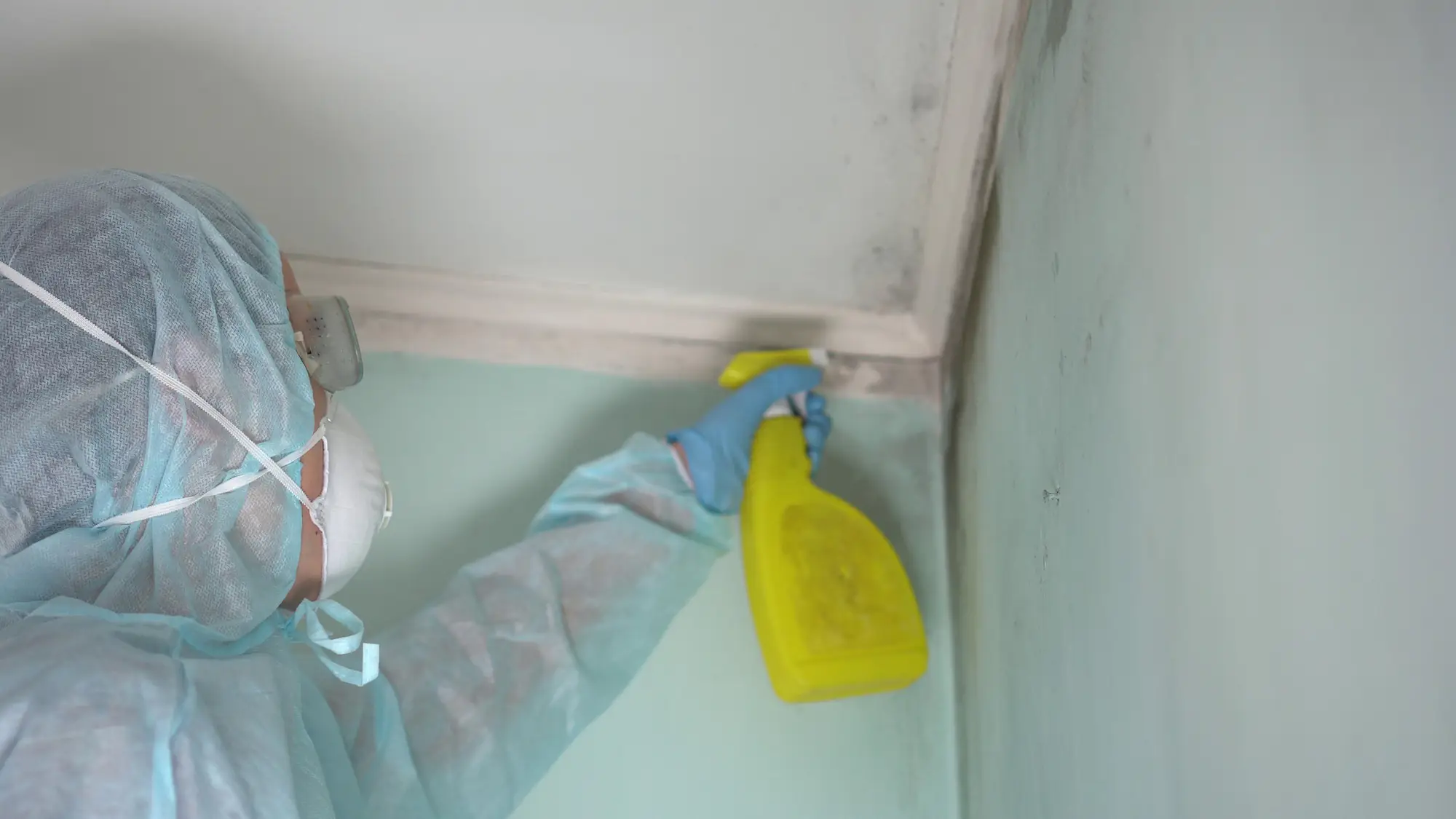
From there, we’ll give you a clear remediation plan. That might involve removing contaminated materials, treating affected areas with antimicrobial solutions, fixing the moisture source, and improving ventilation. The scope depends on how widespread the problem is. Small, localized issues are straightforward. Larger contamination requires more work, but we’ll break it down so you know exactly what’s involved.
We handle everything from testing to removal to prevention. You’re not getting passed off to another company or left to figure out next steps on your own. And we’ll retest after remediation is complete to confirm spore levels are back to normal. The goal is to get your home safe again—and keep it that way.
Other Services we provide in Elmwood Terrace