
Hear from Our Customers
You spend 90% of your time indoors. If the air in your Birch Valley home is contaminated, you’re breathing it in every single day—and you probably don’t even know it.
The EPA says indoor air is often 2 to 5 times more polluted than outdoor air. That’s not a typo. Your home could be trapping radon gas seeping up from the ground, carbon monoxide leaking from your heating system, mold spores growing in hidden moisture pockets, or volatile organic compounds off-gassing from everyday materials.
You can’t see these threats. You can’t smell most of them. But they’re affecting your family’s health right now—causing headaches, fatigue, respiratory issues, and in some cases, long-term damage like asthma or worse. Pennsylvania has one of the most serious radon problems in the country. 40% of homes here test above EPA action levels. That’s nearly half.
A home air quality test gives you the full picture. Not a guess. Not a maybe. Real data about what’s in your air and what needs to be fixed.
We serve Birch Valley and the surrounding Bucks County area with professional air quality testing that actually finds problems before they become serious. We’re not a national chain that sends out undertrained techs with a checklist. We know this area—the older homes, the basements that hold moisture, the climate swings that stress HVAC systems and create conditions for mold.
We use certified testing methods and lab-grade equipment to measure what’s actually in your air. Radon levels. Mold spore counts. Carbon monoxide. VOCs. Particulate matter. Then we explain what it means in plain language and what you should do about it.
You’re not getting a sales pitch. You’re getting accurate information so you can make the right call for your home and your family.
First, we walk through your home and identify areas of concern—basements, crawl spaces, rooms with poor ventilation, anywhere moisture or contaminants are likely to build up. We’re looking for the conditions that create air quality problems, not just the symptoms.
Next, we conduct ambient air measurements and take samples using professional-grade equipment. This isn’t a plug-in monitor from a hardware store. We’re collecting data that gets analyzed in a lab to identify specific contaminants—mold species, radon concentrations, VOC levels, carbon monoxide presence, and particulate counts.
Once the lab results come back, we review everything with you. We explain what we found, what the levels mean for your health, and what steps make sense to fix it. If your air quality is fine, we’ll tell you that too. If there’s a problem, we’ll lay out your options without the pressure.
The whole process usually takes a few days from start to finish, depending on lab turnaround. You’ll have a clear report and a clear path forward.
Ready to get started?
Our residential air quality testing covers the full range of common indoor contaminants that affect homes in Birch Valley and Bucks County. Radon is a major focus here—it’s an odorless radioactive gas that causes lung cancer, and Pennsylvania’s geology makes it a serious local risk. We test radon levels throughout your home, especially in basements and lower levels where it accumulates.
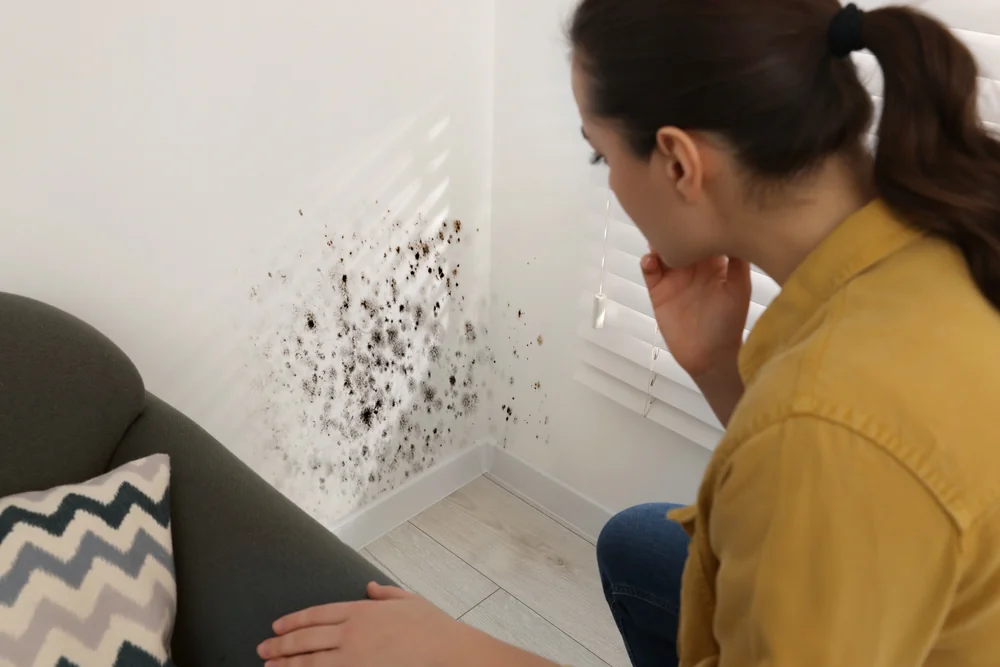
We also test for mold spores. Pennsylvania’s variable climate creates the moisture conditions mold loves, particularly in older homes with basements and crawl spaces. A mold air test identifies what species are present and at what concentration, so you know if you’re dealing with a minor issue or something that needs immediate attention.
Carbon monoxide testing checks for leaks from heating systems, gas appliances, and other combustion sources. It’s deadly in high concentrations and causes chronic symptoms at lower levels—headaches, dizziness, fatigue that you might not connect to your air quality.
We measure VOCs—volatile organic compounds that off-gas from paints, cleaning products, building materials, and furnishings. Long-term exposure contributes to respiratory problems and other health issues. And we check for dust, allergens, and particulate matter that aggravate allergies and asthma.
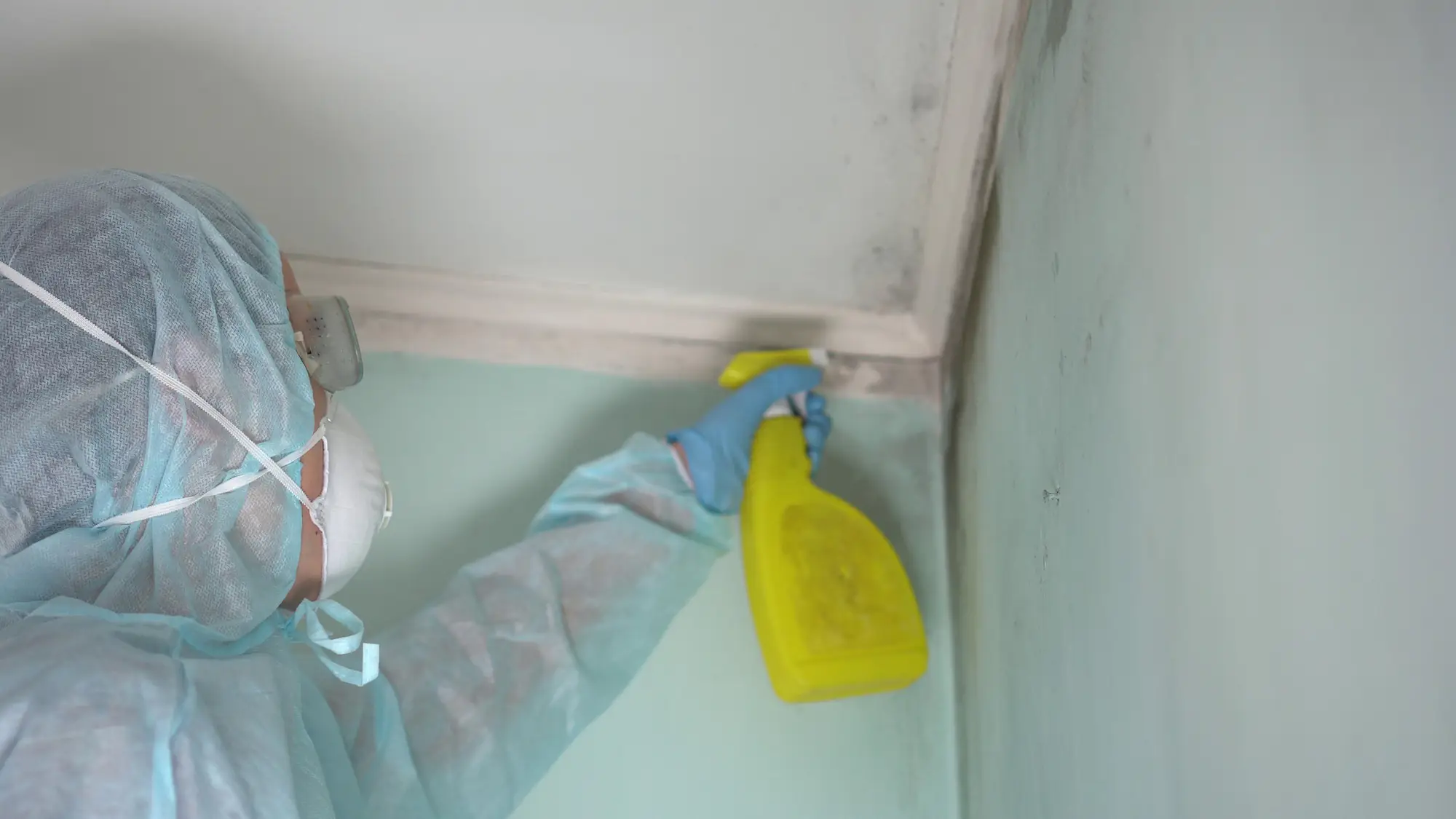
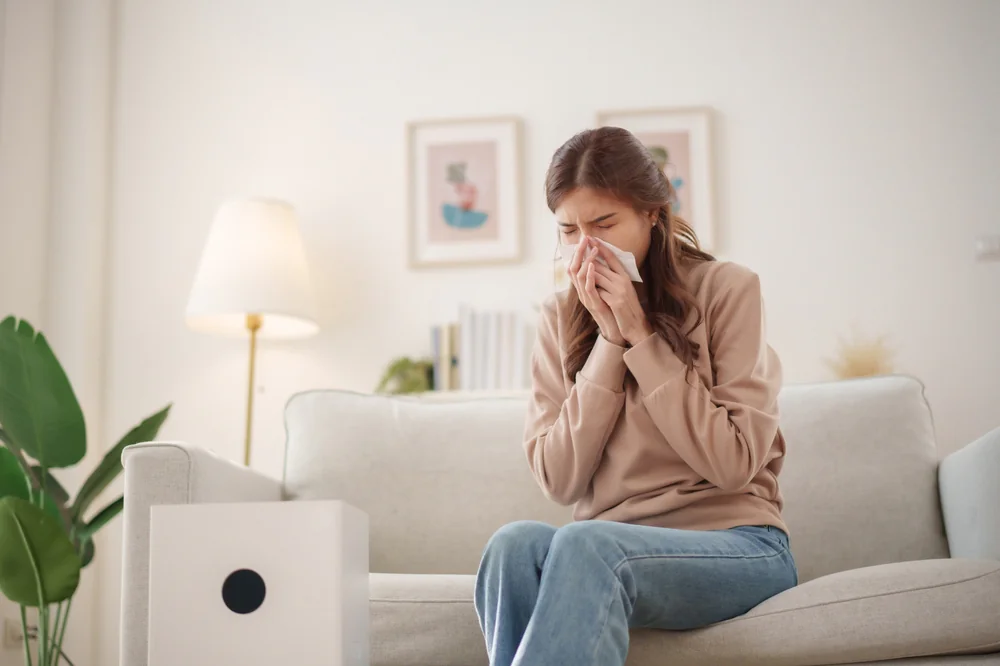
If anyone in your home is experiencing unexplained respiratory symptoms, frequent headaches, fatigue, or allergy-like reactions that don’t go away when you leave the house, that’s a strong signal. These are the most common signs that something in your indoor air is affecting your health.
You should also test if you live in an older home, have a basement or crawl space, notice musty odors, see visible moisture or water damage, or if your home feels stuffy even with windows open. Pennsylvania homes face higher radon risk due to local geology, so testing for radon is recommended regardless of symptoms—it’s completely undetectable without proper equipment.
New homeowners should test before moving in. If you’ve recently renovated, test afterward—construction can disturb mold or introduce new VOCs from materials. And if you’re selling, a clean air quality report can answer buyer concerns before they become deal-breakers.
DIY kits test for one thing at a time—usually just radon or a basic mold presence indicator. They don’t give you concentrations, species identification, or a complete picture of what’s in your air. Most can’t detect carbon monoxide, VOCs, or specific allergens. And if you don’t place them correctly or follow timing protocols exactly, the results aren’t reliable.
A professional air quality test uses calibrated, lab-grade equipment to measure multiple contaminants at once. We collect samples that get analyzed by certified labs, giving you specific data—not just “mold detected” but which species, at what concentration, and whether it’s a health risk. We test in the right locations based on how air moves through your home and where problems actually develop.
You also get an expert interpretation of the results. Numbers on a report don’t mean much if you don’t know what they indicate or what action to take. We explain what’s normal, what’s concerning, and what your next steps should be based on your specific situation.
The on-site portion usually takes one to two hours, depending on your home’s size and layout. We’re doing a visual inspection, setting up equipment, taking measurements, and collecting air samples from multiple locations. We don’t rush it—accuracy matters more than speed.
After we collect samples, they go to a certified lab for analysis. Lab turnaround typically takes two to five business days. Radon testing requires a longer sampling period—usually 48 to 72 hours of continuous monitoring—to get an accurate reading since radon levels fluctuate.
Once results are back, we schedule a follow-up to review everything with you. That conversation usually takes 30 to 45 minutes. We walk through what we found, answer your questions, and discuss any recommended actions. From start to finish, you’re looking at about a week for complete results and recommendations.
If we find elevated radon levels, we’ll explain what the concentration means and what the EPA recommends. Radon mitigation usually involves installing a ventilation system that redirects the gas before it enters your living space. It’s a proven fix, and we can refer you to certified radon mitigation specialists in Bucks County who do this work correctly.
For mold, it depends on what species we find and the concentration. Some mold is normal—spores are everywhere outdoors and drift inside. But if we’re seeing elevated counts of species that cause health problems, or if there’s active growth, that needs remediation. We’ll identify the moisture source feeding the mold—that has to be fixed first or it’ll just come back—and explain your remediation options.
We’re not here to scare you into unnecessary work. If the levels aren’t a health concern, we’ll tell you that. If action is needed, we’ll lay out what makes sense based on the severity and your situation. You’ll have the information to make the right decision.
Yes. We test for carbon monoxide as part of a comprehensive indoor air quality assessment. Carbon monoxide is a byproduct of combustion, so it comes from furnaces, water heaters, gas stoves, fireplaces, and attached garages. It’s colorless and odorless, and it’s dangerous—high levels are deadly, and chronic low-level exposure causes symptoms people often mistake for other issues.
During testing, we measure CO levels in different areas of your home, particularly near combustion appliances and sleeping areas. If we detect elevated levels, we’ll help you identify the source. Often it’s a furnace that needs servicing, a blocked flue, or a gas appliance that’s not venting properly.
The CDC recommends annual servicing of heating systems and installing carbon monoxide detectors on every level of your home. Testing gives you a baseline and catches problems before they become emergencies. If your CO detector has ever gone off, or if you’re experiencing unexplained headaches, dizziness, or nausea that improve when you leave the house, testing should happen immediately.
Cost depends on what you’re testing for and the size of your home. A basic radon test typically runs between $150 and $300. A mold air test with lab analysis usually ranges from $300 to $600, depending on how many samples we collect. A comprehensive indoor air quality test that covers radon, mold, VOCs, carbon monoxide, and particulates generally falls between $400 and $800.
That might sound like a lot, but compare it to the cost of ongoing health problems, missed work, medical bills, or a major remediation project that could have been caught early. Testing gives you information that can prevent much bigger expenses down the road. And if you’re buying or selling a home, it’s a small investment compared to the transaction value and the peace of mind it provides.
We offer free inspections to assess your situation and recommend what testing makes sense for your specific concerns. You’re not paying for tests you don’t need. Call us at 215-431-4744 and we’ll walk you through what’s involved and what it’ll cost based on your home and what you’re worried about.
Other Services we provide in Birch Valley