
Hear from Our Customers
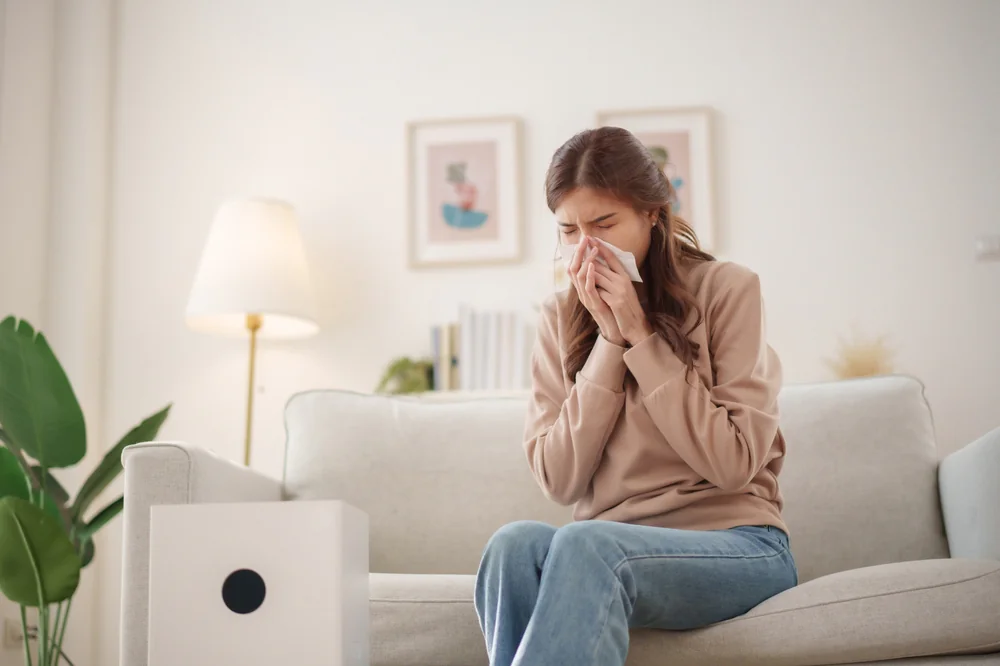
You notice the symptoms. Your kids’ allergies act up indoors but improve outside. Someone’s always dealing with a stuffy nose, headaches that won’t quit, or that lingering cough no doctor can explain. You’ve tried everything—new filters, opening windows, cleaning more—but nothing changes.
The air inside your Brittany Farms-The Highlands home might be 3-5 times more polluted than the air outside. Mold spores, VOCs from furniture and paint, radon seeping through the foundation, dust mites, and humidity issues you can’t see are all working against you. Most homeowners assume their indoor air is fine because they can’t see the problem.
A professional air quality test gives you actual data. You’ll know exactly what’s in your air, where it’s coming from, and what levels are safe versus harmful. No more wondering if it’s just seasonal allergies or if something bigger is happening. You get lab-backed results that compare your home’s air to EPA and WHO standards, plus a clear plan for what to do next.
We specialize in residential air quality testing across Bucks County. We work in homes like yours throughout Brittany Farms-The Highlands—properties with median values over $375,000 where homeowners want real answers, not sales pitches.
Pennsylvania homes face humidity swings, seasonal temperature changes, and older construction that can trap moisture and pollutants. We understand how homes in this area are built and what typically goes wrong. Our testing process uses professional-grade equipment that measures particulate matter, VOCs, carbon dioxide, carbon monoxide, radon, mold spores, temperature, and humidity levels over several hours or days.
You’re not getting a quick visual inspection or a cheap DIY kit. You’re getting lab analysis, detailed reporting, and someone who can explain what the numbers actually mean for your family’s health.
We start with a walkthrough of your home. You’ll point out any areas where you’ve noticed musty smells, water damage, or where symptoms seem worse. We’ll look for visible signs of mold, check humidity levels in different rooms, and identify potential pollution sources like basements, crawl spaces, or areas with poor ventilation.
Next, we set up professional air sampling equipment. High-volume samplers pull air through collection filters that capture mold spores, allergens, and particulate matter. Gas detectors measure VOCs, carbon monoxide, and radon levels. Sensors track temperature and humidity. Depending on what we’re testing for, equipment may run for several hours or up to a few days to get accurate readings across different conditions.
Samples go to an accredited lab for analysis. You’ll receive a detailed report showing pollutant concentrations, comparisons to EPA and WHO safety benchmarks, and health impact interpretations. We’ll walk you through the results, explain what’s normal versus concerning, identify the sources of any problems, and give you a clear remediation plan. You’ll know exactly what needs to be fixed, what’s urgent, and what can wait.
Ready to get started?
Your home air quality test includes a full site inspection, identification of visible moisture or mold issues, and strategic placement of sampling equipment based on your home’s layout and your specific concerns. We test for mold spores (including toxic black mold), VOCs from building materials and household products, radon gas, carbon monoxide, allergens like dust mites and pollen, humidity levels, and particulate matter.
In Brittany Farms-The Highlands, we see common patterns. Homes here often have finished basements where humidity can climb above the safe 30-50% range, especially during Pennsylvania’s humid summers. Older HVAC systems may not be filtering or circulating air effectively. Radon is a concern across Bucks County due to the geology of the area—it’s an odorless radioactive gas that causes lung cancer risk and requires specific testing to detect.
You’ll receive lab-certified results with pollutant concentration graphs, health risk assessments for each contaminant found, source identification showing where problems originate, and specific remediation recommendations. If we find mold, we’ll tell you the type and concentration. If VOC levels are high, we’ll help you identify which products or materials are off-gassing. If humidity is the issue, we’ll explain how to control it. The goal is actionable information you can use to make your home healthier.
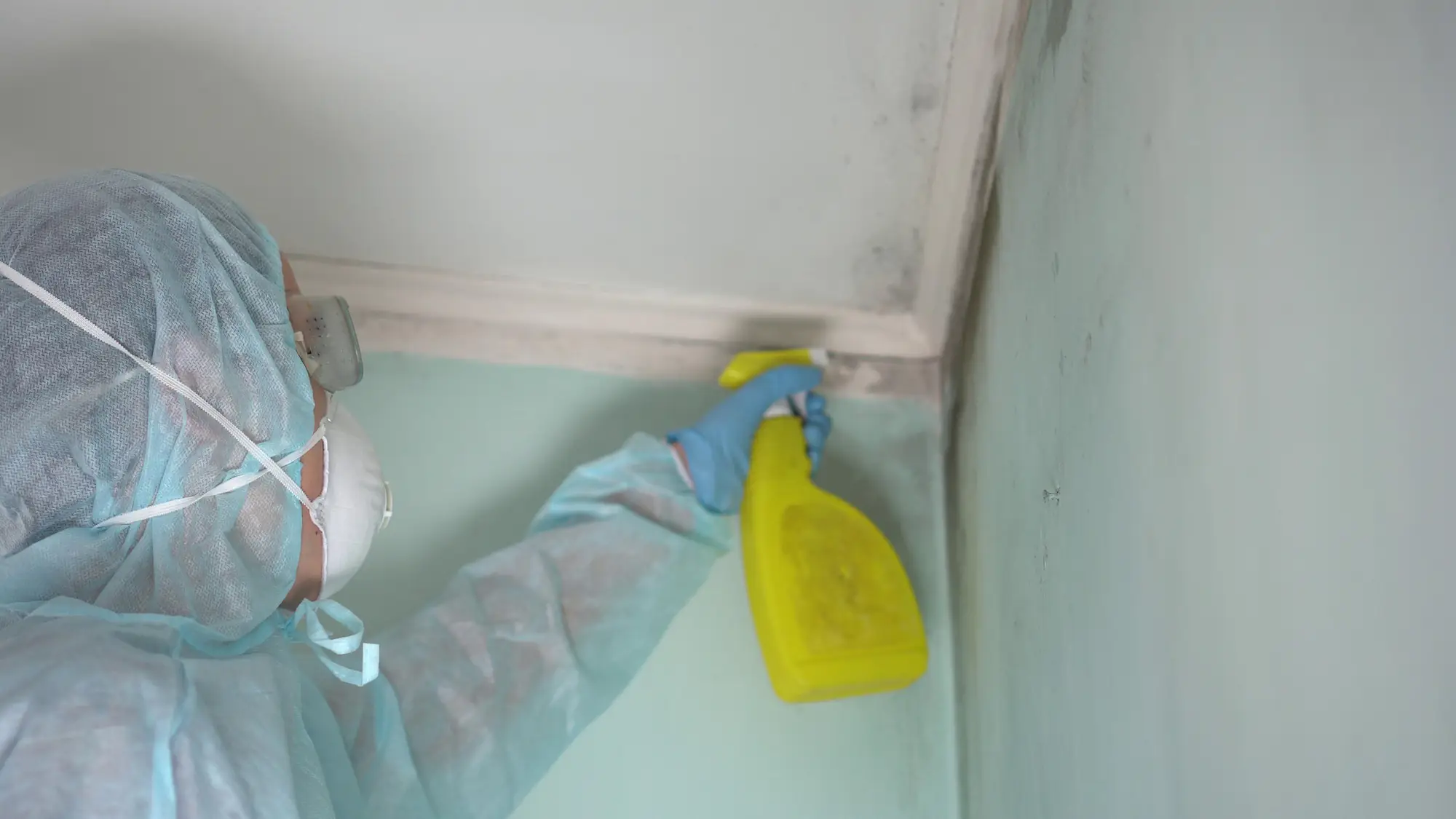
Professional air quality testing in Brittany Farms-The Highlands typically runs between $250 and $600, depending on what you’re testing for and how many areas of your home need sampling. A basic mold air test covering a few rooms costs less than comprehensive testing that includes VOCs, radon, carbon monoxide, and multiple mold samples from different areas.
The price reflects lab analysis, professional-grade equipment, and expert interpretation of results. DIY kits from hardware stores might cost $10-$50, but they’re not reliable. They often produce false positives or miss problems entirely because they can’t measure concentrations accurately or identify specific mold types. You end up wasting money on a test that doesn’t give you usable information.
Professional testing costs more upfront but saves you money long-term. You get accurate data that tells you exactly what’s wrong and what to fix, so you’re not guessing or doing unnecessary remediation. If you’re dealing with unexplained health symptoms or considering buying or selling a home in Brittany Farms-The Highlands, the investment is worth it for peace of mind and protection of your property value.
Most air quality test results come back from the lab within 3-7 business days after we collect samples. Mold testing usually takes 3-5 days because the lab needs time to culture and identify specific mold species. VOC and radon testing can take 5-7 days depending on the analysis method used.
Some testing equipment gives you preliminary readings on-site. For example, we can see your current humidity levels, temperature, and carbon monoxide readings immediately. But for mold spores and VOCs, samples have to go through lab analysis to give you accurate species identification and concentration levels that mean something.
Once results are in, we’ll schedule a time to review them with you. This isn’t just handing you a report and walking away. We’ll explain what each number means, which levels are concerning, what’s causing the problems, and what your options are for fixing them. If something needs immediate attention—like dangerous radon levels or toxic mold concentrations—we’ll call you right away instead of waiting for a scheduled follow-up.
The clearest sign is unexplained health symptoms that improve when you leave the house but return when you’re home. Persistent stuffy nose, sore throat, coughing, wheezing, burning eyes, skin rashes, headaches, fatigue, or difficulty sleeping that don’t respond to typical treatments often point to indoor air quality problems.
Visible signs matter too. Musty odors that won’t go away, even after cleaning. Water damage or leaks that happened in the past, even if you dried things out. Condensation on windows. Discoloration on walls or ceilings. Peeling paint or wallpaper. High humidity that makes your home feel damp or sticky. Dust that accumulates quickly no matter how often you clean.
In Brittany Farms-The Highlands, seasonal changes can trigger problems. If your symptoms get worse in winter when windows stay closed and air gets stagnant, that’s a red flag. If you’ve recently renovated and used new building materials, paints, or furniture, VOCs could be off-gassing. If you have family members with asthma or allergies who are struggling more at home than elsewhere, testing gives you answers instead of guessing what’s wrong.
Yes, professional air quality testing can detect black mold (Stachybotrys chartarum) and identify it specifically through lab analysis. Air samples capture mold spores floating in your home’s air, and the lab cultures those samples to determine exactly which mold species are present and at what concentration levels.
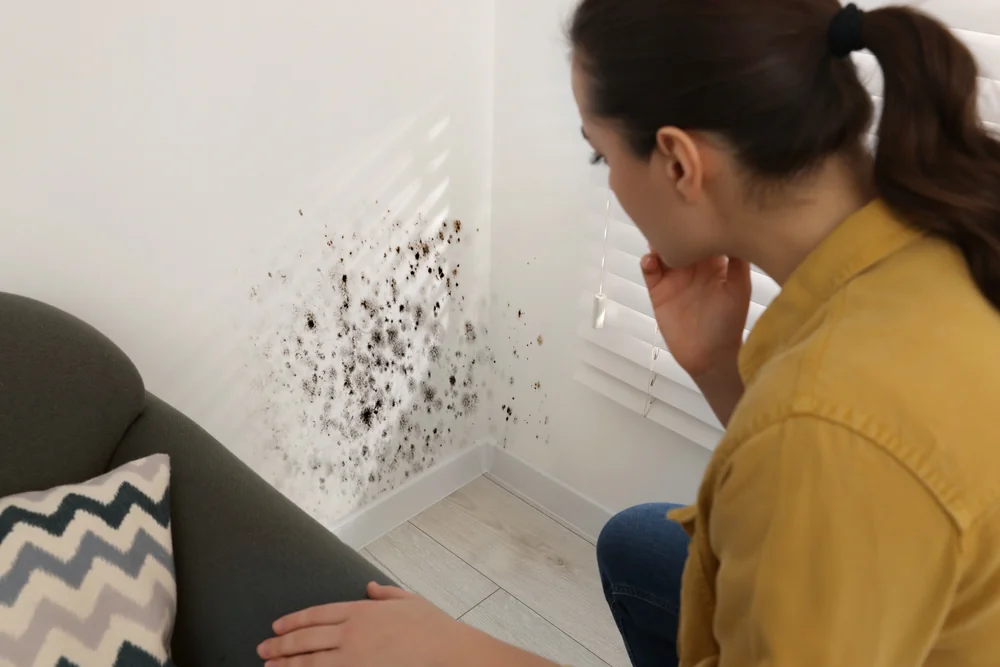
Black mold produces mycotoxins that can cause serious health reactions, especially in children, elderly family members, and anyone with respiratory conditions. But here’s what most homeowners don’t realize—you can have a black mold problem without seeing it. Mold grows inside walls, under flooring, in HVAC ducts, and in crawl spaces where you’d never spot it visually. Air testing catches it because spores circulate through your home even when the growth is hidden.
If we find elevated black mold spore counts in your air samples, we’ll recommend additional inspection to locate the source. Sometimes we’ll do surface sampling in suspected areas to confirm active growth. The air test tells you there’s a problem and how severe it is. Then we figure out where it’s growing and what caused it—usually a moisture issue from leaks, humidity, or poor ventilation—so you can fix both the mold and the underlying cause.
Absolutely. Most air quality problems are invisible. You can’t see mold spores, VOCs, radon, or carbon monoxide. You can’t see dust mite allergens or the particulate matter that’s irritating your lungs. By the time mold is visible, you usually have a significant problem that’s been growing for weeks or months.
Mold needs 24-48 hours of moisture to start growing. A small leak inside a wall, condensation in your HVAC system, or high humidity in your basement can create hidden mold colonies that release thousands of spores into your air. You’ll breathe those spores and experience symptoms long before you see any discoloration or growth on surfaces.
Pennsylvania homes in areas like Brittany Farms-The Highlands face specific risks. Seasonal humidity, temperature swings, older construction methods, and finished basements all create conditions where mold and other pollutants thrive. Testing gives you a baseline understanding of your indoor air quality before problems become obvious or expensive. If you’re experiencing symptoms, if you’ve had any water issues, or if you just want to know what you’re breathing, testing is the only way to get real answers.
We’ll sit down with you and walk through every result in your report. You’ll see exactly what was found, at what levels, and how those levels compare to EPA and WHO safety standards. We’ll explain which findings are normal, which need attention, and which require immediate action.
For any problems identified, we’ll give you a clear remediation plan. If it’s mold, we’ll explain the removal process, what caused the moisture issue, and how to prevent it from coming back. If it’s high VOC levels, we’ll identify the sources—maybe it’s new furniture, stored chemicals, or building materials—and recommend ventilation improvements or product changes. If radon is elevated, we’ll discuss mitigation systems that vent the gas safely outside.
You’re not obligated to use us for remediation. The test results are yours, and you can hire whoever you want for the actual work. But we’ll give you honest guidance on what’s urgent versus what can wait, what you might be able to handle yourself versus what needs professional remediation, and realistic cost expectations. The goal is to give you enough information to make smart decisions about your home and your family’s health.
Other Services we provide in Brittany Farms-The Highlands