

Hear from Our Customers
You’re not just getting rid of visible mold. You’re getting your air back.
That means fewer allergy symptoms, less worry about what your kids are breathing in, and no more musty smell in the basement. It means you can stop wondering if that dark spot is spreading behind the wall. And it means your home value stays protected instead of taking a hit when moisture problems go unchecked.
Most mold removal companies focus on scrubbing what you can see. We focus on why it’s there in the first place. Because if the leak isn’t fixed, if the humidity isn’t controlled, if the source isn’t addressed, you’re just paying to have the same problem show up again in six months.
When we’re done, you get documentation, clear air quality results, and an actual plan to keep it from coming back. You’re not guessing. You’re not hoping. You know the job was done right.
We work exclusively in Bucks County and the surrounding areas. We’re not a national franchise with a local sticker on the truck. We’re here, we know the homes in Brittany Farms-The Highlands, and we’ve seen what happens when summer humidity meets older basements and attached rowhomes.
Most of the homes in your neighborhood were built between the 70s and 90s. That means original foundations, aging HVAC systems, and construction methods that didn’t account for the moisture management standards we follow today. Add in Bucks County’s humid summers and frequent rain, and you’ve got the perfect conditions for mold to take hold.
We’ve worked in hundreds of homes like yours. We know where to look, what to test, and how to fix it without tearing apart your entire house. And we do it following EPA standards and Pennsylvania regulations, using certified inspectors and proven methods that actually work.

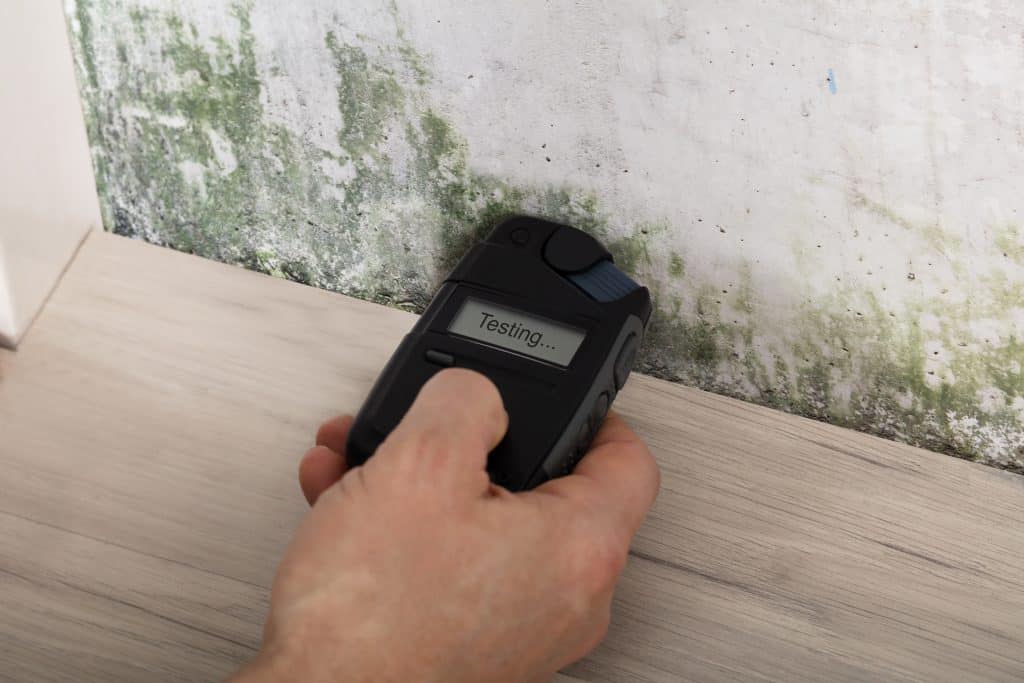
First, we come out and do a free inspection. That means checking the obvious spots and the hidden ones—crawl spaces, behind walls, under sinks, around HVAC systems. We use moisture meters and infrared cameras to find problems you can’t see. If there’s mold, we’ll tell you where it is, how bad it is, and what’s causing it.
Then we give you a clear estimate. No surprises, no upselling. Just what needs to happen and what it costs.
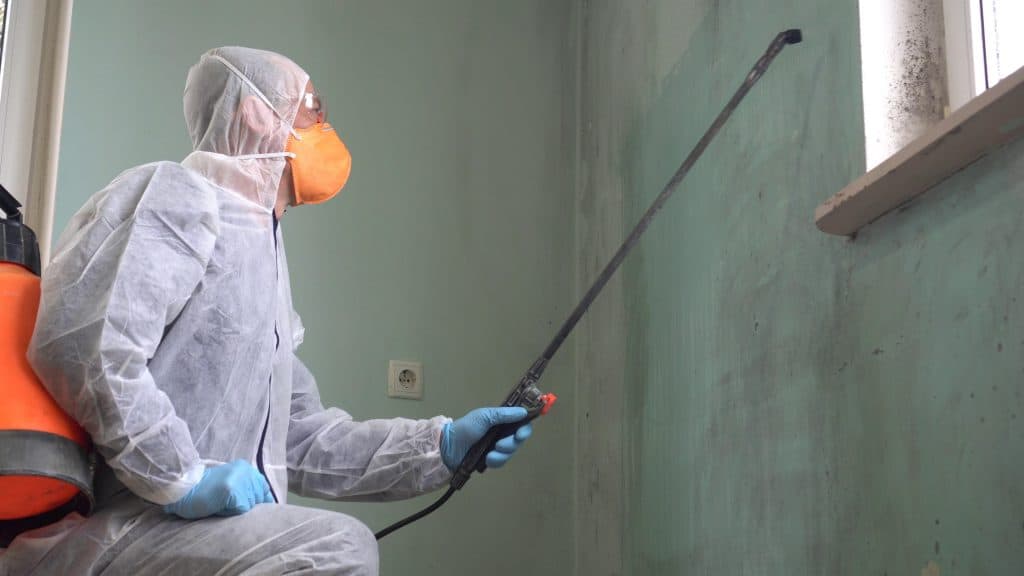
Once you approve, we contain the area so mold spores don’t spread during removal. We remove the contaminated materials, treat the affected surfaces, and dry everything out completely. Then we address the source—whether that’s a leak, poor ventilation, or a drainage issue. If we don’t fix what caused it, the mold just comes back.
After removal, we test the air quality to make sure it’s actually clean. You get documentation of the work and the results. If you need help with insurance, we’ll work with your provider and handle the paperwork. And if repairs are needed after remediation, we can take care of that too.
The whole process usually takes a few days, depending on the size of the problem. You’ll know the timeline upfront.
Ready to get started?
You’re getting a full assessment of your indoor air quality, a detailed report of what’s wrong, and a plan to fix it. That includes mold testing, containment, removal, air filtration, and source repair. It also includes follow-up testing to confirm the air is clean and documentation you can show to buyers, insurers, or anyone else who needs proof the job was done right.
In Brittany Farms-The Highlands, we see a lot of basement mold. That’s because many homes here have below-grade spaces that deal with hydrostatic pressure during heavy rain. When water seeps through foundation walls or humidity builds up from poor ventilation, mold finds a home. We don’t just remove it—we address the drainage, the ventilation, and the moisture control so it doesn’t happen again.
We also see mold around HVAC systems, especially in older homes where ductwork wasn’t sealed properly or where condensation builds up. And we see it in bathrooms, kitchens, and laundry rooms where steam and leaks go unnoticed for months. Wherever it is, we find it, remove it, and fix what caused it.
You also get access to our team 24/7 if you have an emergency. If a pipe bursts or a roof leaks and you need immediate containment, we’re available. Because waiting 48 hours for mold to start growing isn’t an option.
It depends on the size of the affected area, the type of mold, and what’s causing it. Small jobs—like a bathroom or closet—might run a few hundred dollars. Larger jobs, like a full basement or multiple rooms, can cost several thousand.
Here’s what affects the price: how much material needs to be removed, whether we’re dealing with black mold or a less aggressive type, and what kind of repairs are needed after removal. If the source is a simple leak, that’s one thing. If it’s a foundation issue or a major HVAC problem, that’s another.
We give you a free inspection and a detailed estimate before any work starts. No hidden fees, no surprises. And if your homeowner’s insurance covers mold remediation, we’ll work directly with them to reduce your out-of-pocket cost. Most policies cover mold if it’s the result of a sudden issue like a burst pipe, but not if it’s from long-term neglect.
Most jobs take between two and five days, depending on the extent of the problem. A single room with surface mold might be done in a day or two. A full basement with structural damage and hidden mold behind walls could take a week.
The timeline includes inspection, containment, removal, drying, source repair, and air quality testing. We don’t rush it. Mold needs to be removed carefully to avoid spreading spores, and everything needs to dry completely before we close it back up. If we skip steps or cut corners, the mold comes back.
You’ll know the timeline upfront. We’ll tell you how long each phase takes and when you can expect the work to be finished. And if something unexpected comes up—like finding mold in an area we didn’t initially see—we’ll let you know immediately and adjust the plan.
Black mold—technically called Stachybotrys chartarum—gets more attention because it can produce mycotoxins that cause health problems. But the removal process is similar to other types of mold. The difference is in how carefully we contain and handle it.
With black mold, we take extra precautions during containment to make sure spores don’t spread to other parts of your home. We use negative air pressure systems and seal off the area completely. We also use EPA-approved antimicrobial treatments and dispose of contaminated materials according to Pennsylvania regulations.
That said, any mold in your home is a problem. Even non-toxic molds can trigger allergies, asthma, and respiratory issues, especially in kids and older adults. So whether it’s black mold or another variety, the goal is the same: remove it completely, fix the source, and restore your air quality.
If it’s a very small area—less than 10 square feet—and it’s on a non-porous surface like tile, you can probably handle it yourself with the right cleaner and protective gear. But if it’s larger, if it’s on drywall or wood, or if you’re not sure where it’s coming from, you need a professional mold removal company.
Here’s why: mold spreads through spores. If you start scrubbing without proper containment, you’re just sending those spores into the air and spreading the problem. And if you don’t fix the moisture source, the mold will come back no matter how much you clean.
We’ve seen plenty of DIY attempts that made things worse. Homeowners think they’re saving money, but they end up with contaminated HVAC systems, mold in new areas, and a bigger bill when they finally call us. If you’re dealing with mold in your basement, behind walls, or in your HVAC system, it’s worth getting a professional inspection. We’ll tell you honestly whether it’s something you can handle or something that needs expert remediation.
It depends on how deep the mold goes. If it’s surface mold on tile or concrete, we can usually remove it without any structural damage. But if it’s grown into drywall, insulation, or wood framing, those materials need to be removed and replaced.
We don’t remove more than necessary. Our goal is to get rid of the mold and fix the source with the least amount of disruption to your home. We’ll tell you upfront what needs to be removed and what can stay. And if repairs are needed after remediation, we handle that too—drywall, painting, flooring, whatever it takes to put your home back together.
Most homeowners are surprised by how non-invasive the process is when it’s done right. We’re not tearing apart your entire basement unless we have to. We’re targeting the affected areas, treating them properly, and restoring everything so it looks like the problem was never there.
The most obvious signs are visible mold growth, a musty smell, and health symptoms like allergies or respiratory issues that get worse when you’re home. But mold can also hide behind walls, under flooring, and in HVAC systems where you can’t see it.
If you’ve had any water damage—leaks, flooding, burst pipes—there’s a good chance mold is growing somewhere. Mold can start forming within 24 to 48 hours of water exposure. Even if you dried everything out, moisture can get trapped in walls or under flooring and create the perfect environment for mold.
In Brittany Farms-The Highlands, we also see mold in homes with high humidity, poor ventilation, or older HVAC systems that aren’t dehumidifying properly. If your basement feels damp, if you see condensation on windows, or if certain rooms smell musty, it’s worth getting an inspection. We’ll test the air quality, check moisture levels, and use infrared cameras to find hidden problems. The inspection is free, and you’ll know for sure whether you have a mold issue or not.
Other Services we provide in Brittany Farms-The Highlands