
Hear from Our Customers
You can’t see mold spores. You can’t smell radon. And you definitely can’t tell if the air in your Brewerytown rowhouse is making your family sick just by walking through the front door.
That’s the problem with indoor air quality. By the time you notice symptoms—headaches, fatigue, burning eyes, respiratory issues—you’ve been breathing contaminated air for weeks or months. A home air quality test gives you actual data about what’s circulating through your space.
We’re talking about lab analysis that identifies specific mold species, measures spore concentrations, detects radon levels, and flags volatile organic compounds. Not a guess. Not a visual inspection. Hard evidence that tells you whether your air is safe or whether you’ve got a problem that needs fixing.
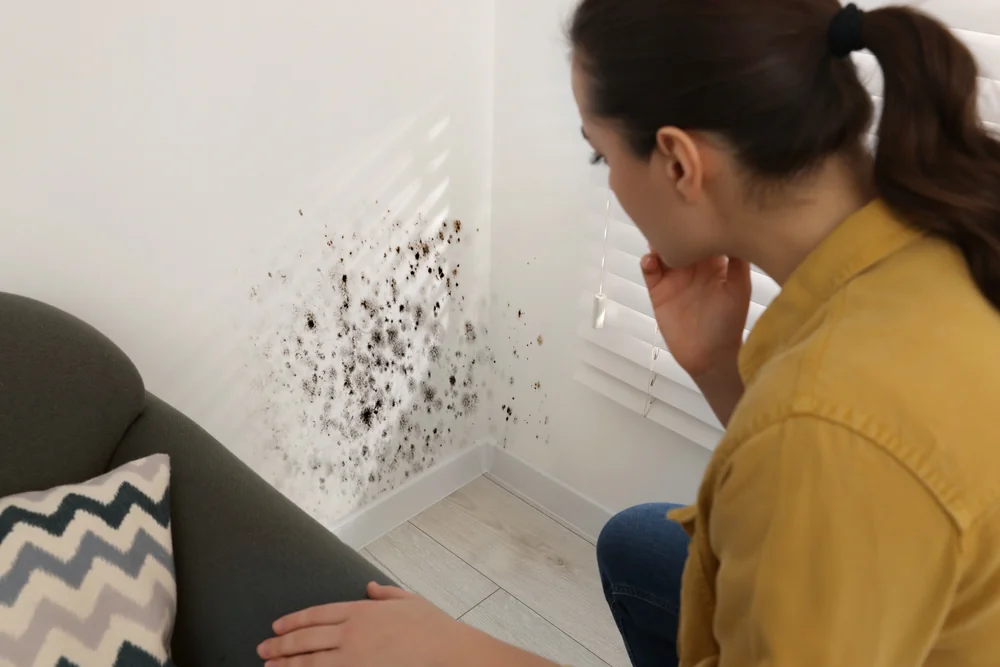
If your home was built before 1980—and plenty in Brewerytown were—you’re dealing with older infrastructure, settled foundations, and decades of moisture exposure. That creates conditions where mold grows behind walls and radon seeps through basement floors. A professional air quality testing service catches these issues before they become expensive emergencies.
We serve Philadelphia and the surrounding counties with residential air quality testing that homeowners and renters actually trust. We’re local, we know the housing stock in Brewerytown, and we’ve tested enough century-old rowhouses to understand exactly where problems hide.
Our team uses EPA-certified testing methods and sends samples to independent labs for analysis. That means you get unbiased results—not a sales pitch disguised as a free inspection. We’re not here to scare you into unnecessary work. We’re here to give you accurate information so you can make smart decisions about your property.
Brewerytown’s housing is beautiful, but it’s old. Aging plumbing, settled foundations, and humid Philadelphia summers create the perfect environment for mold and poor air quality. We’ve seen it all, and we know how to find it.
First, we walk through your property and look for visible signs of water damage, mold growth, or ventilation issues. We’re checking basements, crawl spaces, attics, bathrooms—anywhere moisture tends to accumulate. This visual inspection helps us understand what we’re dealing with before we start testing.
Next, we use air sampling equipment to capture airborne particles. These samples get sealed and sent to an independent laboratory for analysis. The lab identifies mold species, measures spore counts, and tests for other contaminants like VOCs. If radon testing is part of your service, we’ll set up monitoring equipment that stays in place for 48 to 72 hours to get an accurate reading.
We also use moisture meters and thermal imaging cameras to detect hidden water intrusion. Mold doesn’t always grow where you can see it. It hides behind drywall, under flooring, and inside wall cavities. Our equipment finds the moisture sources feeding that growth.
Once lab results come back—usually within a few days—we walk you through exactly what was found, what it means for your health, and what your options are. If remediation is needed, we’ll explain the scope and connect you with qualified professionals. If your air quality is fine, we’ll tell you that too.
Ready to get started?
A residential air quality testing service from us includes a full property assessment, air sampling, lab analysis, and a detailed report of findings. You’re not paying for a quick visual check—you’re getting scientific data about what’s in your air.
Air sampling captures mold spores, particulate matter, and other airborne contaminants. Lab analysis identifies specific mold species and measures concentration levels so you know whether you’re dealing with common outdoor mold or toxic indoor growth. That distinction matters because not all mold is dangerous, but some species cause serious health problems.
In Brewerytown, radon is a real concern. Pennsylvania has some of the highest radon levels in the country, and nearly 40% of homes test above EPA safety guidelines. Radon is colorless, odorless, and the second leading cause of lung cancer. If you’ve never tested for it, you should. We include radon testing as part of our comprehensive air quality services.
We also check for moisture intrusion using thermal imaging and moisture meters. These tools detect hidden water damage that leads to mold growth. Catching moisture problems early saves you thousands in remediation costs down the road. Brewerytown’s older homes are especially vulnerable to foundation cracks, roof leaks, and plumbing failures that create perfect conditions for mold.
Professional air quality testing typically ranges from $300 to $600 depending on the size of your property and what you’re testing for. A basic mold air test with lab analysis usually starts around $300 to $400. If you add radon testing, VOC analysis, or additional sampling locations, the price goes up.
Some companies advertise free mold inspections, but those are usually visual assessments tied to remediation services. They’re not independent lab tests. If you want unbiased results, you need to pay for third-party testing that isn’t connected to a sales pitch.
We offer free initial inspections to assess your property and determine what testing makes sense for your situation. We’ll give you upfront pricing before any lab work begins so you know exactly what you’re paying for. No surprises, no hidden fees.
DIY mold test kits are cheap—usually $10 to $50—but they don’t give you the full picture. Most kits only test surface samples or use petri dishes that collect whatever settles on them. They can’t measure airborne spore concentrations, identify specific mold species accurately, or tell you whether contamination levels are dangerous.
Professional air quality testing uses calibrated equipment to capture air samples under controlled conditions. Those samples go to certified labs that use microscopy and other advanced techniques to identify mold species and measure spore counts per cubic meter of air. That data tells you whether you have a problem and how serious it is.
DIY kits also can’t detect hidden mold behind walls or under flooring. Professional testing includes thermal imaging and moisture detection that finds problems you can’t see. If you’re dealing with health symptoms, buying or selling a home, or filing an insurance claim, you need lab-grade results that hold up under scrutiny.
The on-site portion of air quality testing usually takes one to two hours depending on the size of your property and how many samples we’re collecting. We’ll walk through your home, take air samples, check for moisture, and use thermal imaging to identify problem areas.
Radon testing requires monitoring equipment to stay in place for 48 to 72 hours to get accurate readings. We’ll set up the equipment and come back to retrieve it after the testing period is complete.
Lab analysis takes three to five business days after samples are submitted. Once results come back, we’ll schedule a follow-up consultation to review findings and discuss next steps. If we identify immediate health concerns during the initial inspection, we’ll let you know right away so you can take action while waiting for lab results.
Air quality testing can identify contaminants that cause health symptoms, but it can’t diagnose medical conditions. What it can do is measure mold spore levels, detect radon, and identify volatile organic compounds that are known to trigger respiratory issues, allergies, headaches, and fatigue.
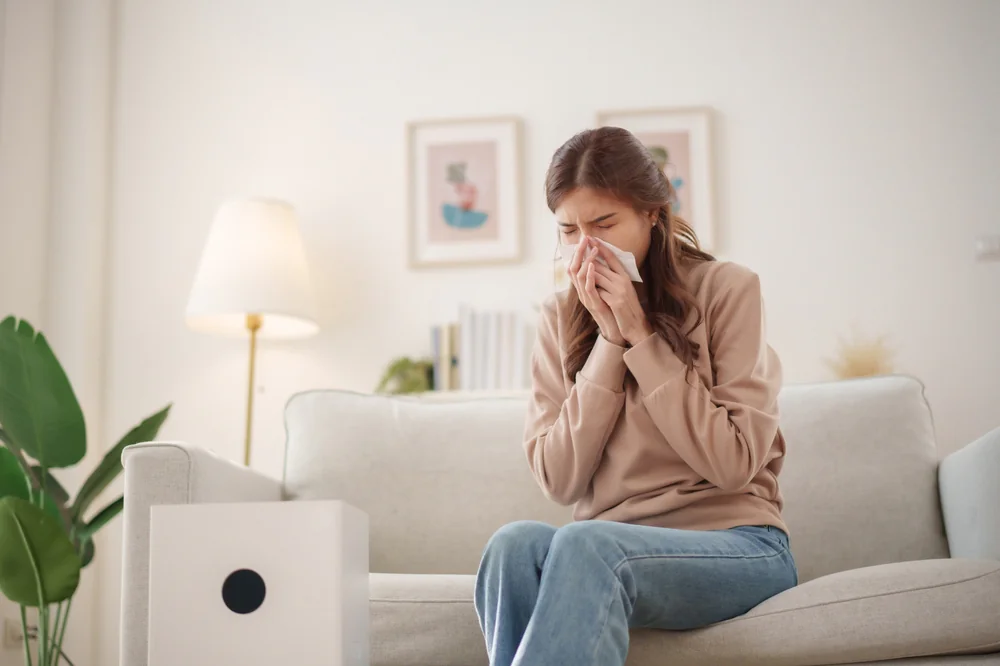
If you’re experiencing burning eyes, frequent headaches, persistent coughing, or worsening asthma symptoms at home, poor indoor air quality could be the cause. Testing gives you data about what’s in your air so you can connect the dots between your symptoms and your environment.
Mold exposure affects people differently. Some people are highly sensitive to certain species, while others show no symptoms at all. Lab results will tell you what types of mold are present and whether concentrations are elevated compared to outdoor air. That information helps you and your doctor determine whether your home environment is contributing to health problems.
Yes, because mold grows in places you can’t see. It hides behind drywall, under carpets, inside HVAC systems, and in wall cavities where moisture accumulates. You won’t know it’s there until spores become airborne and start circulating through your home.
Air sampling captures those airborne spores even when there’s no visible growth. If lab results show elevated spore counts compared to outdoor air, you’ve got hidden mold somewhere in your property. That’s when we use moisture meters and thermal imaging to track down the source.
Radon is another invisible threat. It seeps through foundation cracks and accumulates in basements and lower levels. You can’t see it, smell it, or taste it—but it’s the second leading cause of lung cancer in the United States. If you’ve never tested for radon, especially in an older Brewerytown home, you’re taking a risk you don’t need to take.
If lab results show elevated mold levels, we’ll walk you through exactly what was found, what species are present, and what concentration levels mean for your health and property. Not all mold requires full remediation. Sometimes improved ventilation and moisture control are enough to bring levels back to normal.
If remediation is necessary, we’ll provide clear recommendations and connect you with qualified professionals who can handle the work safely. We’ll also help you understand what your insurance policy covers and what documentation you’ll need for claims.
The key is addressing the moisture source that’s feeding mold growth. Cleaning up mold without fixing the underlying water problem means it’ll just come back. We identify those moisture sources during testing so remediation targets the root cause, not just the symptoms. That’s how you solve the problem for good instead of dealing with recurring issues.
Other Services we provide in Brewerytown